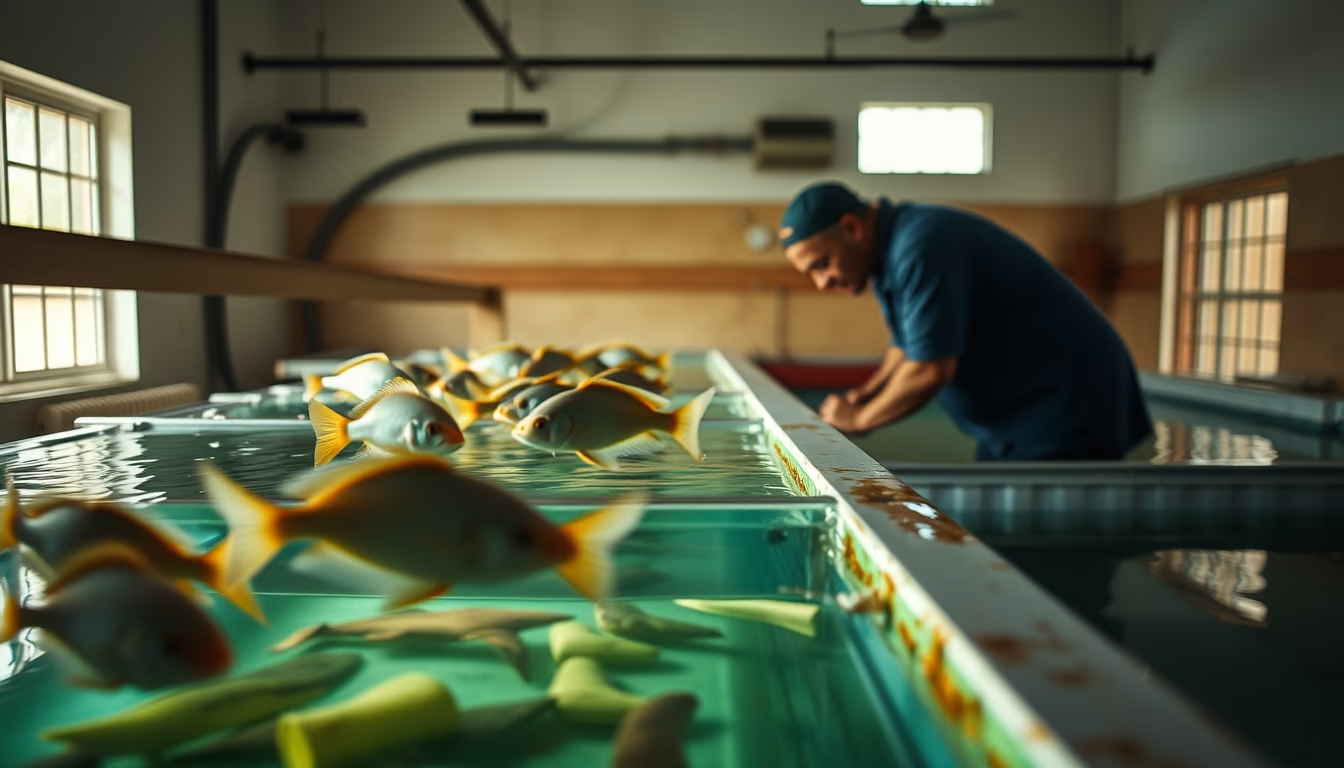
Tilapia tanks indoor
1344×768 · AVIF · CC BY 4.0
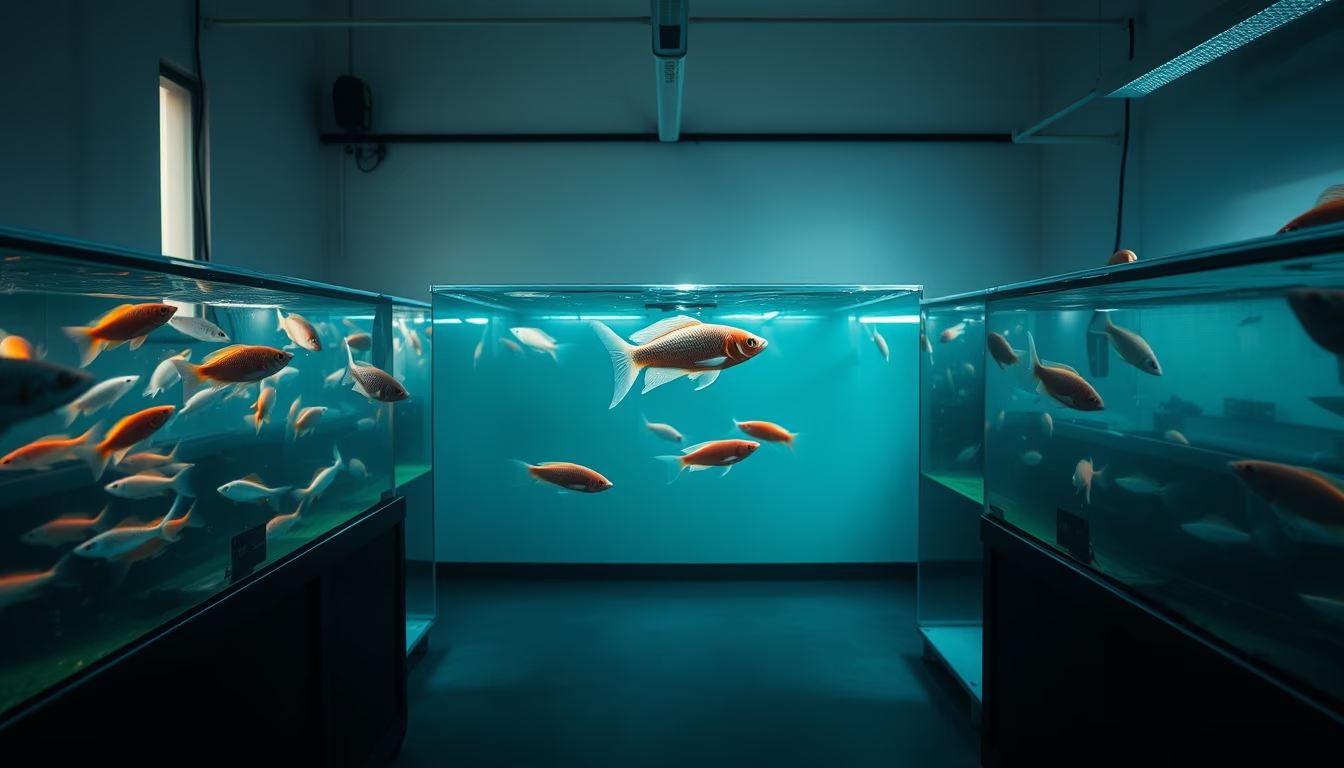
Indoor tilapia tanks enable intensive, controlled production with water recirculation and high stocking densities.
About this subject
Indoor tilapia farming, known as Recirculating Aquaculture Systems (RAS), marks a leap in modern aquaculture. Unlike open ponds, these systems operate in closed environments with full control over temperature, water quality, and feeding. Tilapia (Oreochromis niloticus) is the world's second most farmed fish after carp, with annual global production exceeding 6 million tons. In Brazil, tilapia farming is concentrated in the South and Southeast, but indoor tanks are expanding to other regions due to biosecurity and efficiency demands.
RAS systems filter and reuse up to 90% of the water, reducing water consumption by up to 100 times compared to traditional ponds. Tilapia are omnivorous, fast-growing, and tolerate high stocking densities, making them ideal for this model. The controlled environment lowers disease and parasite incidence, often eliminating the need for antibiotics. Feed is balanced and monitored, resulting in high-quality, low-fat meat.
Indoor tank production allows year-round harvesting, independent of weather. Globally, China, Indonesia, and Egypt lead production, but indoor systems are gaining traction in markets demanding traceability and sustainability. The tanks' minimalist composition, with clean lines and functional organization, reflects the technical precision required. In urban areas, these systems can be installed in warehouses or containers, bringing production closer to consumers.
Frequently Asked Questions
How does indoor tilapia farming work?
It uses Recirculating Aquaculture Systems (RAS) that filter and reuse water, maintaining controlled temperature, oxygen, and pH. Fish are fed balanced diets and stocked at high densities to optimize space.
What are the advantages of indoor tanks over open ponds?
Lower water consumption (up to 90% reduction), disease and parasite control, year-round production independent of climate, higher fish density per cubic meter, and superior meat quality with reduced antibiotic use.
Is tilapia from indoor tanks as healthy as pond-raised?
Yes, meat quality is equivalent or better. The controlled environment enables precise feeding and reduces contaminants, resulting in low-fat fish free from heavy metals or pesticides common in open waters.
Direct URL
https://pub-c7d6a6ea828543ac903a74a341ccb2e1.r2.dev/imagens/tilapia-tanks-indoor-minimalist-composition-fresh3.avifHow to credit
Include a visible link back to UtilizAí. Copy one of the snippets below:
<a href="https://xn--utiliza-eza.com/en/midia/imagens/tilapia-tanks-indoor-minimalist-composition-fresh3">Tilapia tanks indoor</a> by <a href="https://xn--utiliza-eza.com">UtilizAí</a>, licensed under <a href="https://creativecommons.org/licenses/by/4.0/">CC BY 4.0</a>.
[Tilapia tanks indoor](https://xn--utiliza-eza.com/en/midia/imagens/tilapia-tanks-indoor-minimalist-composition-fresh3) by [UtilizAí](https://xn--utiliza-eza.com), CC BY 4.0
License: CC-BY-4.0