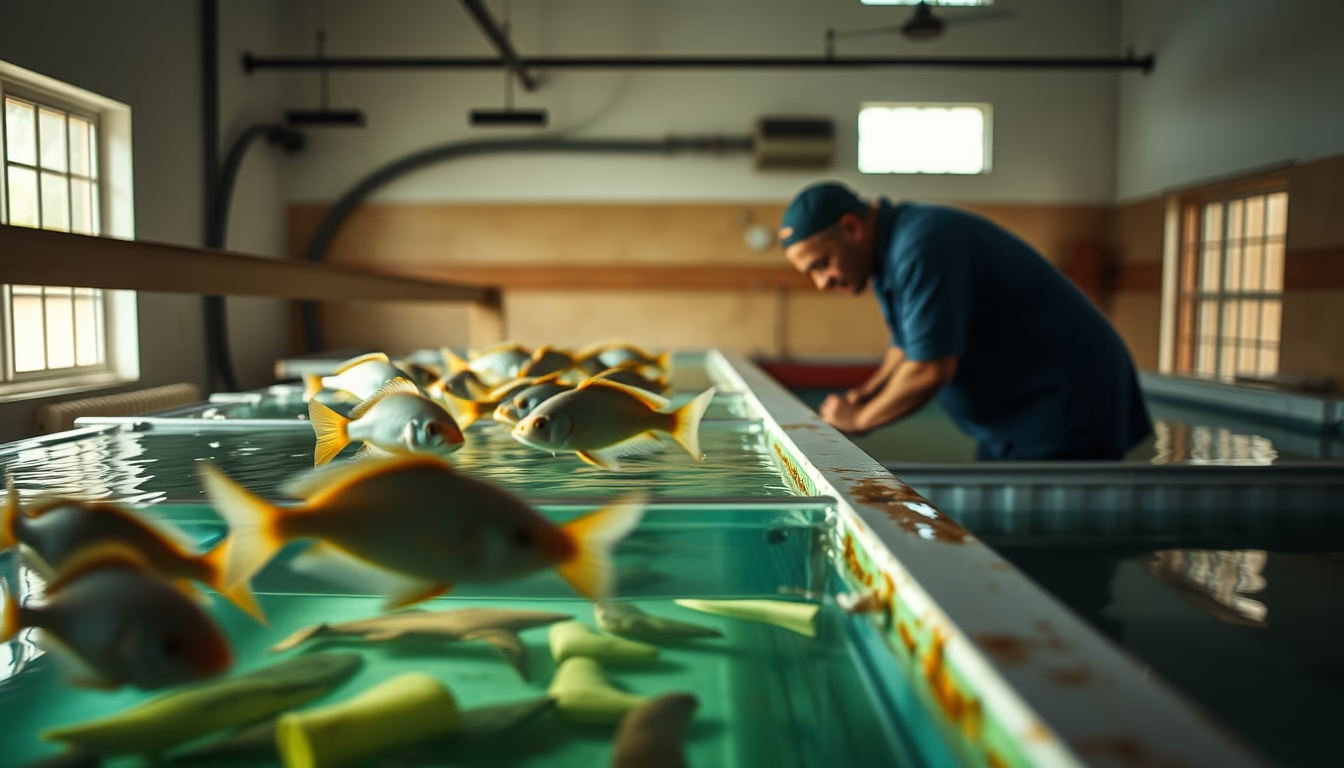
Tilapia tanks indoor
1344×768 · AVIF · CC BY 4.0
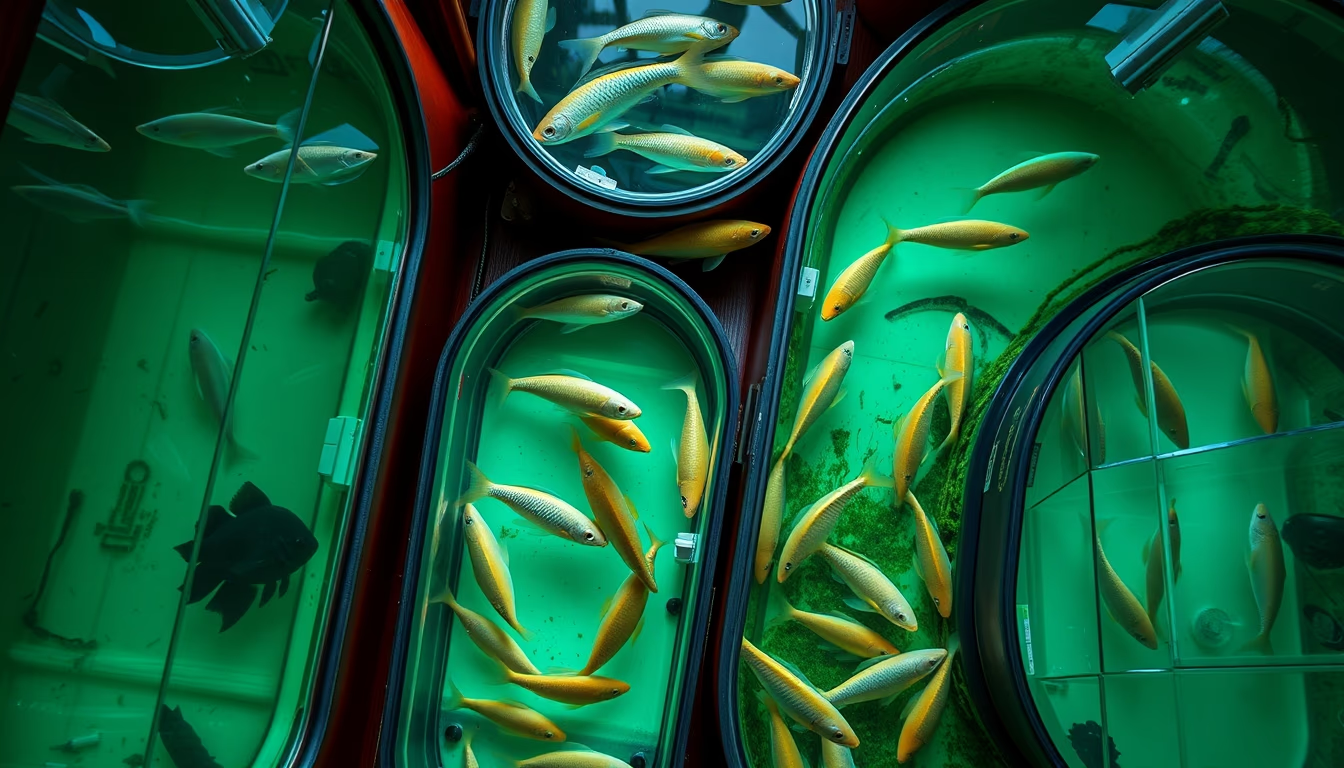
Indoor tilapia tanks offer a sustainable aquaculture solution, enabling controlled fish production in closed environments while reducing environmental impact and ensuring quality.
About this subject
Tilapia (Oreochromis niloticus) is one of the most widely farmed fish globally, and indoor tank systems represent an evolution in aquaculture. These tanks often operate as recirculating aquaculture systems (RAS), where water is filtered and reused, saving up to 90% of water compared to open ponds. The controlled environment prevents fish escapes into native ecosystems and reduces antibiotic use, as parameters like temperature, pH, and oxygen are continuously monitored.
In Brazil, tilapia is mainly farmed in regions like the Northeast and South, but indoor tanks are gaining ground in urban areas or regions with water restrictions. An example is the biofloc system, which uses microorganisms to maintain water quality and serves as supplemental feed. Indoor production also allows year-round harvests regardless of climate, and achieves densities up to 100 kg of fish per cubic meter, far exceeding traditional ponds.
Feed for tilapia in indoor tanks is formulated with high protein content (28% to 32%) and includes ingredients like soybean meal and corn. The grow-out cycle lasts about 6 to 8 months, depending on temperature. Despite the high initial investment, tanks, pumps, and filters, productivity and reduced losses make the system viable. Small producers also adopt low-cost tanks, such as those made of tarpaulin or fiberglass.
Fun fact: tilapia is known for its disease resistance and fast growth, but in indoor tanks water quality is crucial. Ammonia excreted by fish must be converted to nitrate by nitrifying bacteria. Modern RAS include ozonation and UV sterilization, ensuring a pathogen-free final product.
Frequently Asked Questions
What are the main advantages of indoor tilapia tanks?
Water savings, disease control, year-round production independent of climate, and reduced environmental impact by preventing escapes and lowering antibiotic use.
What is the approximate cost to set up an indoor tilapia tank system?
The investment ranges from $1,000 to $10,000 or more, depending on size and technology. Complete RAS systems are more expensive, but simple setups with pumps and homemade filters reduce costs.
Can I raise tilapia in indoor tanks without prior experience?
Yes, but it is recommended to study water quality, feeding, and management. Online courses and starter kits are available. Constant monitoring of parameters like ammonia and oxygen is essential.
Direct URL
https://pub-c7d6a6ea828543ac903a74a341ccb2e1.r2.dev/imagens/tilapia-tanks-indoor-isometric-flat-lay-fresh14.avifHow to credit
Include a visible link back to UtilizAí. Copy one of the snippets below:
<a href="https://xn--utiliza-eza.com/en/midia/imagens/tilapia-tanks-indoor-isometric-flat-lay-fresh14">Tilapia tanks indoor</a> by <a href="https://xn--utiliza-eza.com">UtilizAí</a>, licensed under <a href="https://creativecommons.org/licenses/by/4.0/">CC BY 4.0</a>.
[Tilapia tanks indoor](https://xn--utiliza-eza.com/en/midia/imagens/tilapia-tanks-indoor-isometric-flat-lay-fresh14) by [UtilizAí](https://xn--utiliza-eza.com), CC BY 4.0
License: CC-BY-4.0