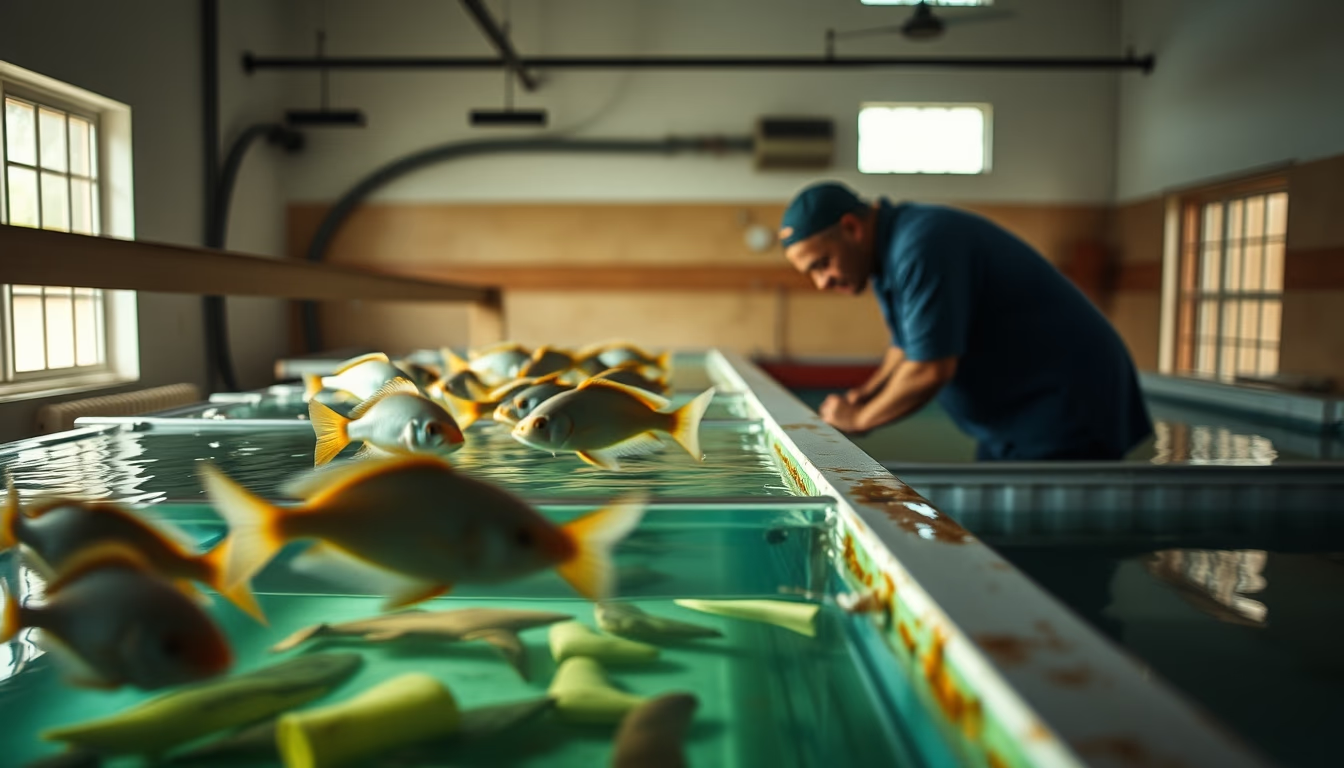
Tilapia tanks indoor
1344×768 · AVIF · CC BY 4.0
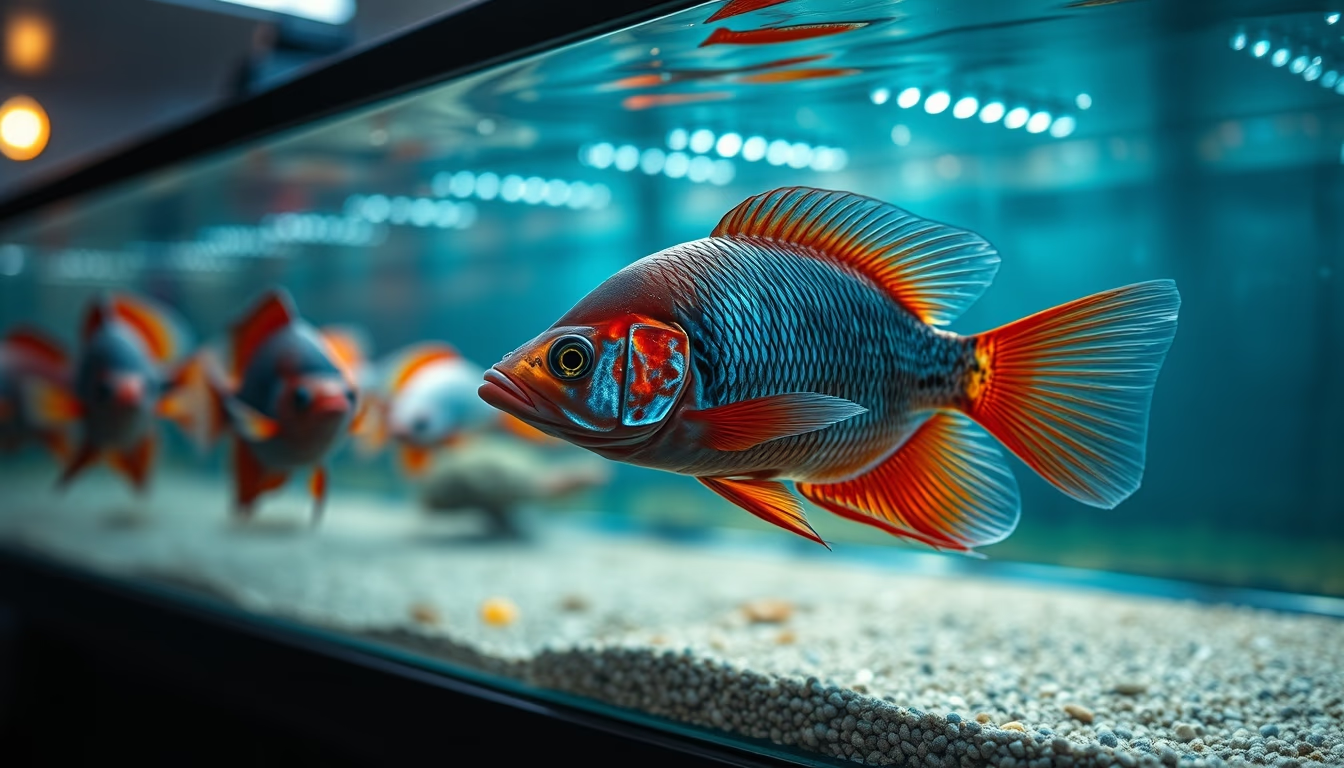
Indoor tilapia tanks are part of modern aquaculture systems that enable controlled and sustainable fish production worldwide.
About this subject
Tilapia is one of the most farmed fish globally, with annual production exceeding 6 million tons, according to the FAO. Indoor tank cultivation, also known as recirculating aquaculture systems (RAS), provides complete control over water quality, temperature, and feeding, resulting in higher efficiency and lower environmental impact. These systems are especially useful in regions with unfavorable climates or water scarcity, as they recycle up to 95% of the water used.
In indoor tanks, tilapia reaches market weight in about 6 to 8 months, depending on stocking density and feed. The most common species is the Nile tilapia (Oreochromis niloticus), originally from Africa but now farmed in over 100 countries. Brazil is one of the largest producers worldwide, with emphasis on the states of Paraná and São Paulo, which invest in indoor tank technology to boost productivity.
Adopting indoor tanks reduces risks from diseases and predators and prevents contamination of natural water bodies. Tilapia is rich in high-quality protein, omega-3, and B vitamins, making it a healthy and affordable option. Demand for this type of production is expected to grow by 50% by 2030, driven by food security and the search for low-carbon protein sources.
Frequently Asked Questions
What are the advantages of indoor tilapia tanks compared to outdoor ponds?
Indoor tanks provide complete control over water quality, temperature, and feeding, reduce risks from diseases and predators, and recycle up to 95% of water, making them more sustainable in water-scarce regions.
How long does it take for tilapia to grow in indoor tanks?
On average, tilapia takes 6 to 8 months to reach market weight (about 500 g to 1 kg), depending on stocking density, feed quality, and management.
Is tilapia farmed in indoor tanks safe to eat?
Yes, tilapia raised in controlled systems follows strict sanitary and quality standards, resulting in a fish free of contaminants and safe for human consumption.
Direct URL
https://pub-c7d6a6ea828543ac903a74a341ccb2e1.r2.dev/imagens/tilapia-tanks-indoor-fine-art-photography-fresh4.avifHow to credit
Include a visible link back to UtilizAí. Copy one of the snippets below:
<a href="https://xn--utiliza-eza.com/en/midia/imagens/tilapia-tanks-indoor-fine-art-photography-fresh4">Tilapia tanks indoor</a> by <a href="https://xn--utiliza-eza.com">UtilizAí</a>, licensed under <a href="https://creativecommons.org/licenses/by/4.0/">CC BY 4.0</a>.
[Tilapia tanks indoor](https://xn--utiliza-eza.com/en/midia/imagens/tilapia-tanks-indoor-fine-art-photography-fresh4) by [UtilizAí](https://xn--utiliza-eza.com), CC BY 4.0
License: CC-BY-4.0