Tilapia tanks indoor
1344×768 · AVIF · CC BY 4.0
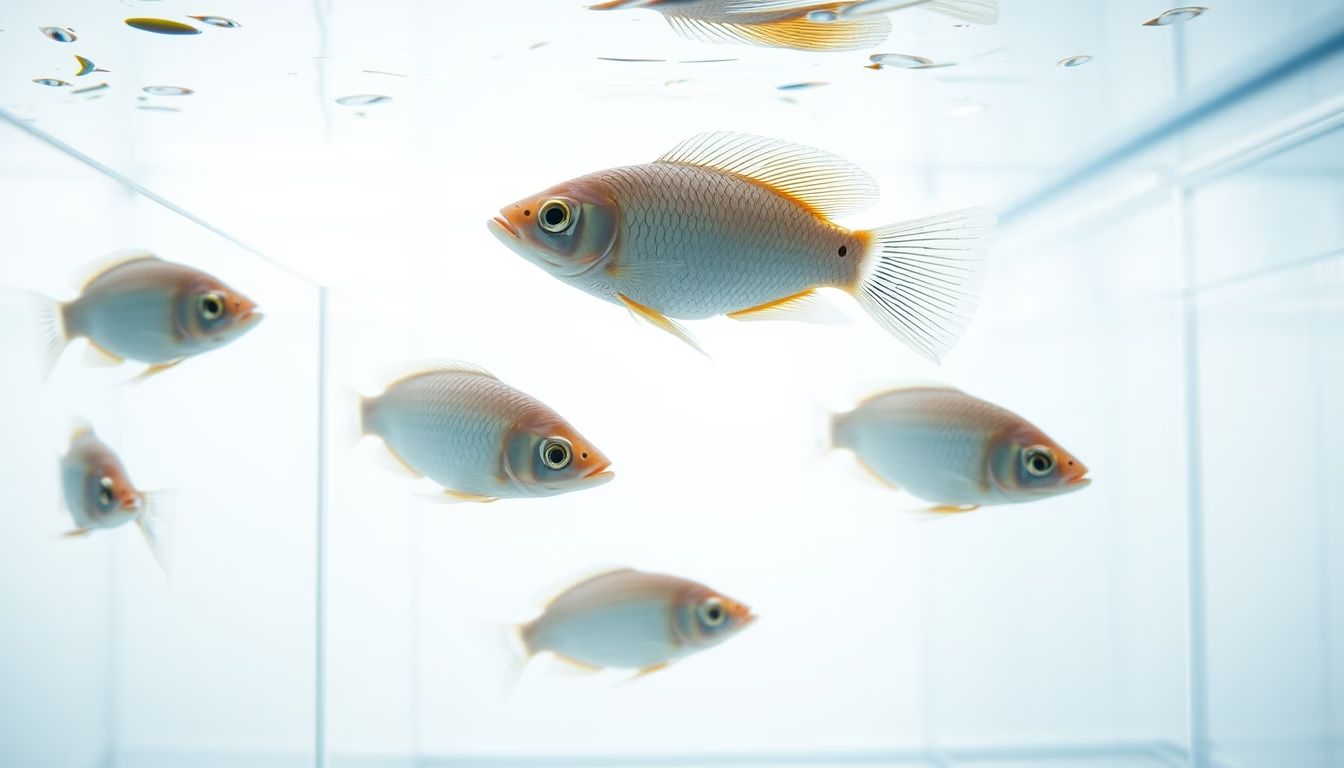
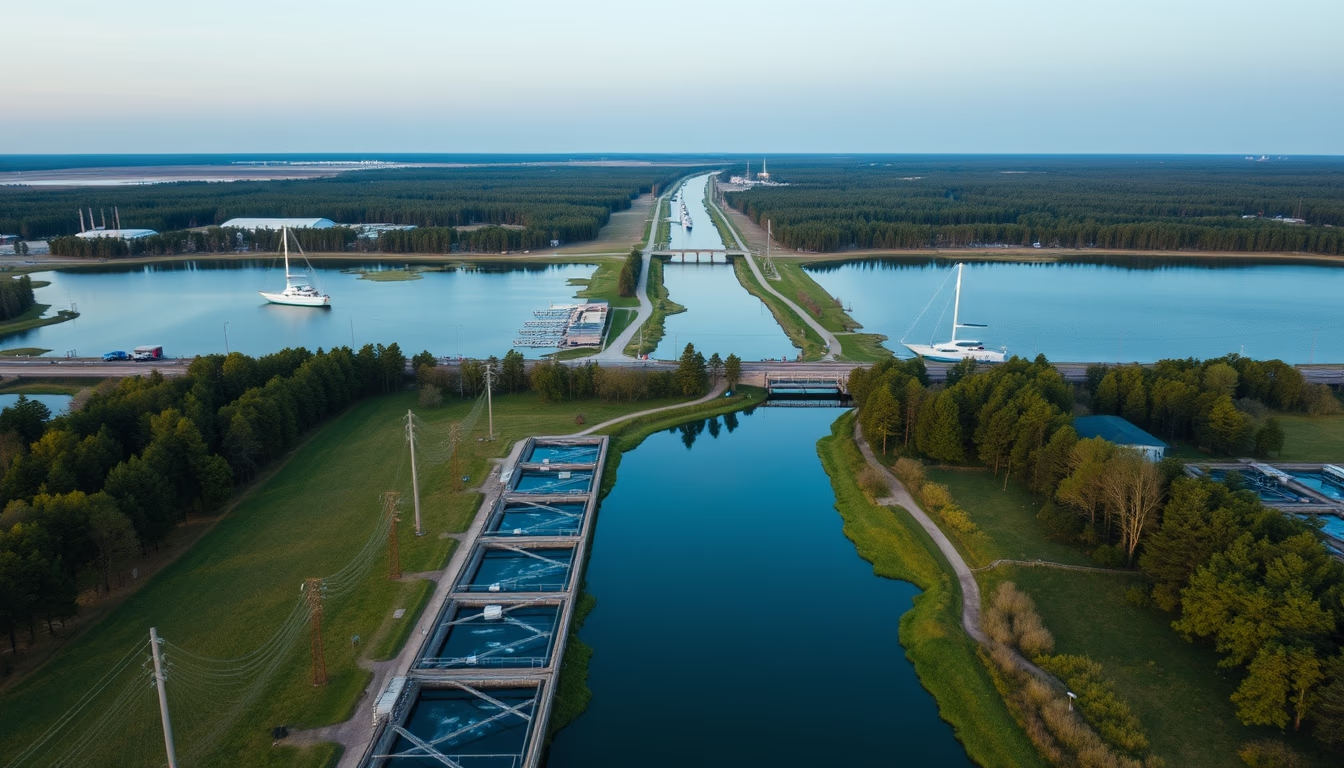
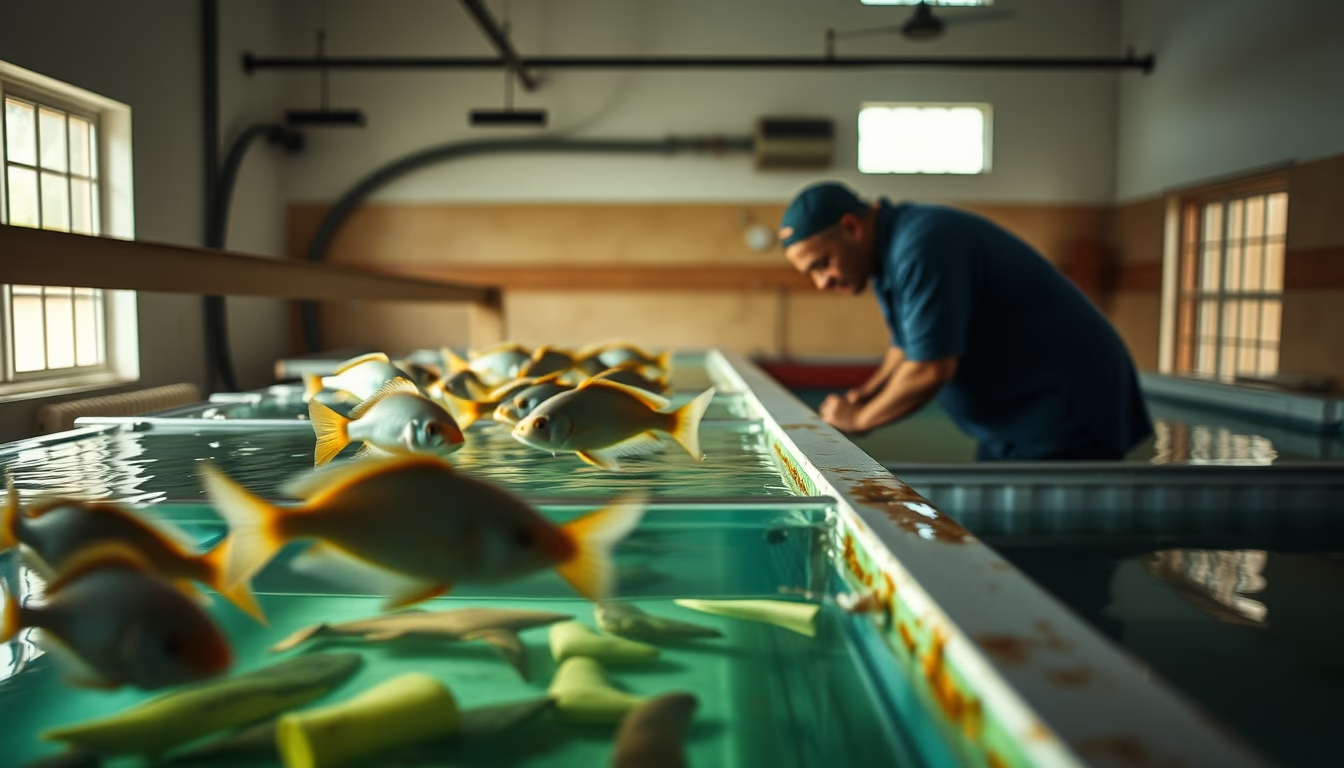
Indoor tilapia tanks represent modern aquaculture, combining environmental control and high productivity for fish production.
About this subject
Tilapia is one of the most farmed fish globally, with the species Oreochromis niloticus, native to Africa, being predominant. Its adaptability and fast growth make it ideal for intensive production systems. In indoor tanks, the environment is fully controlled, with parameters like temperature, dissolved oxygen, and pH continuously monitored. This allows shorter production cycles, typically 6 to 8 months to reach harvest weight between 600 grams and 1 kilogram.
Recirculating aquaculture systems (RAS) are the core of these indoor tanks. Water passes through mechanical and biological filters, removing ammonia and other wastes, and is continuously reused. This reduces water consumption by up to 90% compared to open ponds. Additionally, confinement prevents exposure to predators and external diseases, increasing survival rates. Feeding uses balanced diets high in protein and nutrients, optimizing weight gain.
Despite the benefits, indoor production requires high investment in infrastructure and electricity for pumps and aeration. Diseases such as streptococcosis can spread quickly in crowded tanks, demanding strict sanitary management. A notable fact is that tilapia is a warm-water fish, growing best at temperatures between 27°C and 30°C. In Brazil, tilapia is the most produced species in national aquaculture, especially in the states of Paraná and São Paulo. The domestic market is strong, both for fresh consumption and fillet processing.
Commercially, indoor tanks enable year-round production regardless of season or climate. This ensures constant supply and more stable prices. Large aquaculture companies have adopted this model, investing in automation and remote monitoring. The trend is for indoor tilapia farming to grow further, driven by demand for quality protein and the need for sustainable, low-impact systems.
Frequently Asked Questions
How long does it take for tilapia to grow to harvest size in indoor tanks?
In indoor systems with controlled environment, tilapia reaches harvest weight (600 g to 1 kg) in 6 to 8 months, depending on water temperature and feed quality.
What are the main challenges of indoor tilapia production?
Main challenges include high initial investment, electricity costs for pumps and aeration, and risk of diseases like streptococcosis, requiring strict biosecurity measures.
Is indoor tilapia farming more sustainable than pond farming?
Yes, it reduces water consumption by up to 90% and prevents contamination of natural water bodies, while allowing better effluent control and less medication use.
Direct URL
https://pub-c7d6a6ea828543ac903a74a341ccb2e1.r2.dev/imagens/tilapia-tanks-indoor-commercial-product-photography-fresh6.avifHow to credit
Include a visible link back to UtilizAí. Copy one of the snippets below:
<a href="https://xn--utiliza-eza.com/en/midia/imagens/tilapia-tanks-indoor-commercial-product-photography-fresh6">Tilapia tanks indoor</a> by <a href="https://xn--utiliza-eza.com">UtilizAí</a>, licensed under <a href="https://creativecommons.org/licenses/by/4.0/">CC BY 4.0</a>.
[Tilapia tanks indoor](https://xn--utiliza-eza.com/en/midia/imagens/tilapia-tanks-indoor-commercial-product-photography-fresh6) by [UtilizAí](https://xn--utiliza-eza.com), CC BY 4.0
License: CC-BY-4.0