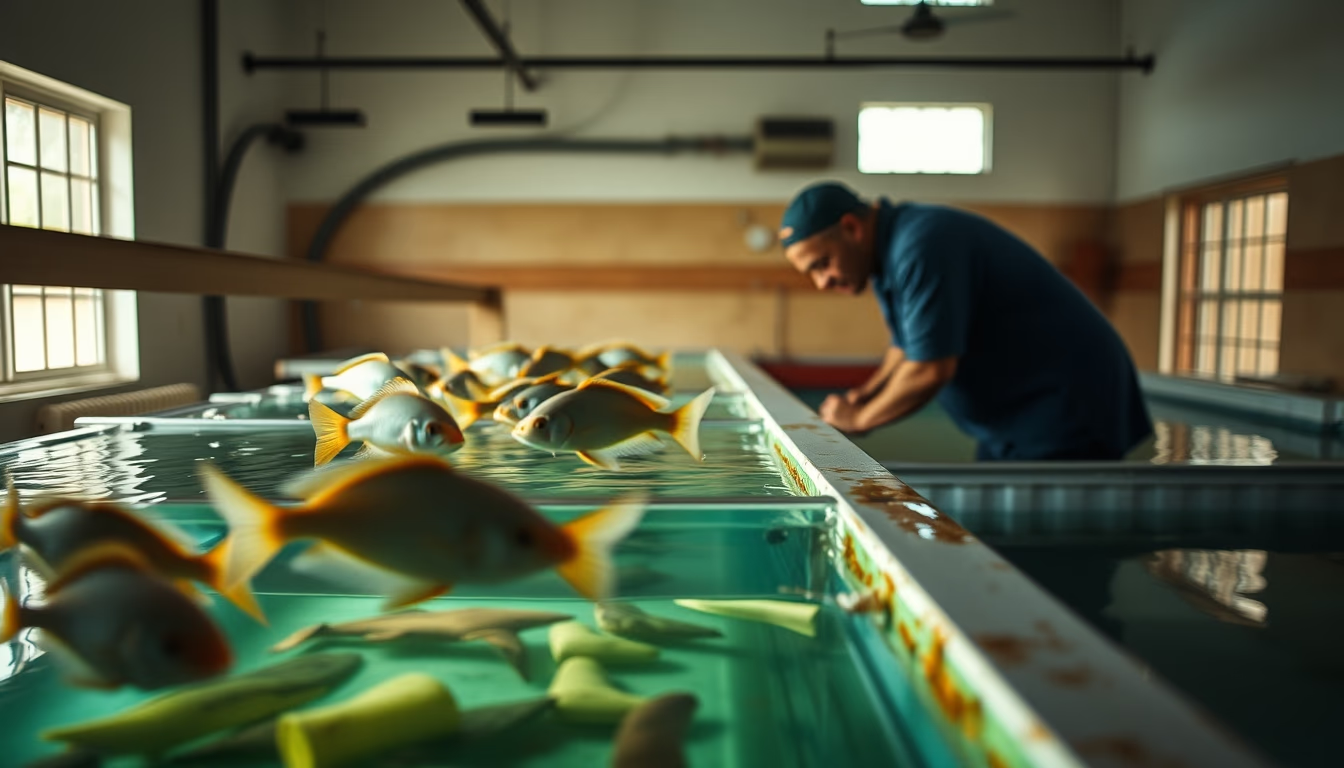
Tilapia tanks indoor
1344×768 · AVIF · CC BY 4.0
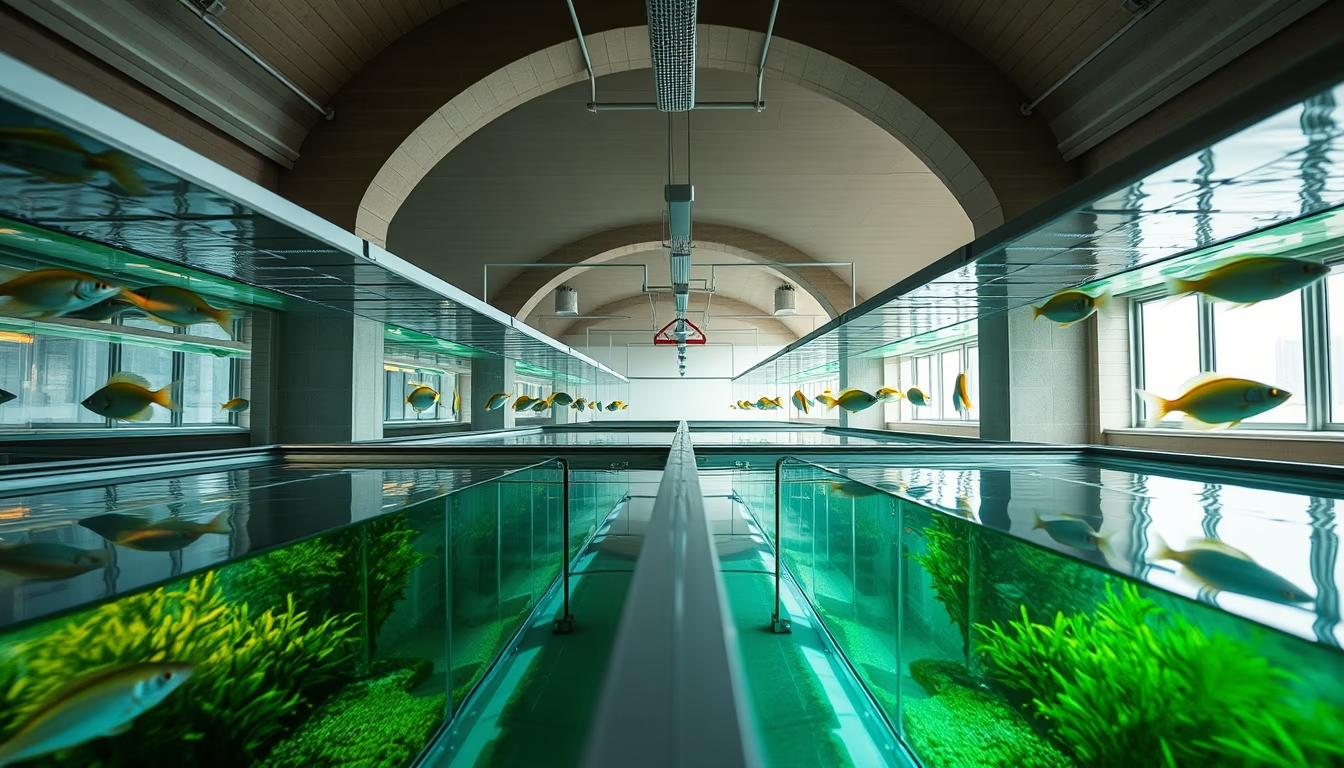
Indoor tilapia farming in closed tanks: recirculating systems, advantages, and impact on global aquaculture.
About this subject
Tilapia is one of the world's most farmed fish, with annual production exceeding 6 million tons. Indoor closed-tank cultivation represents a technological leap in aquaculture, providing total control over parameters such as temperature, oxygen, and water quality. These systems, known as Recirculating Aquaculture Systems (RAS), recycle up to 95% of water, reducing consumption and effluent discharge.
In Brazil, tilapia is the main farmed fish species, especially in the South and Southeast regions. Indoor cultivation gains traction in urban areas or regions with water restrictions, as tanks can be installed in adapted warehouses. The architecture of these facilities is designed to maximize energy efficiency and water flow, with sensors and automation monitoring each tank.
A curiosity: tilapia reaches slaughter weight in about 6 to 8 months, accelerated growth thanks to balanced feed and controlled environment. The indoor system also eliminates predators and parasites common in open ponds, resulting in healthier fish with lower medication use. Moreover, production can be planned to meet seasonal demands, ensuring a constant supply to the market.
Globally, indoor tilapia farming is seen as a sustainable alternative to feed a growing population. Companies in the United States, Europe, and Asia invest in vertical farms and modular tanks. However, energy costs remain a challenge, requiring renewable sources to make the system truly eco-friendly.
Frequently Asked Questions
How does a recirculating system work in indoor tilapia farming?
The RAS (Recirculating Aquaculture System) continuously filters and treats water from the tanks. Water passes through mechanical and biological filters, removing waste and converting ammonia to nitrate, then is oxygenated and reused. This keeps water quality stable and reduces the need for frequent water changes.
What are the advantages of indoor tilapia farming compared to open ponds?
Main advantages include: full environmental control (temperature, pH, oxygen), lower water consumption, elimination of predators and diseases, higher fish density per cubic meter, and the ability to produce in non-traditional areas such as urban centers.
Is indoor tank tilapia considered sustainable?
Yes, when well managed. RAS reduces water use and effluent discharge. However, sustainability depends on the energy source for pumps and aeration. Ideally, it should be combined with renewable energy like solar or wind to minimize the carbon footprint.
Direct URL
https://pub-c7d6a6ea828543ac903a74a341ccb2e1.r2.dev/imagens/tilapia-tanks-indoor-architectural-photography-fresh9.avifHow to credit
Include a visible link back to UtilizAí. Copy one of the snippets below:
<a href="https://xn--utiliza-eza.com/en/midia/imagens/tilapia-tanks-indoor-architectural-photography-fresh9">Tilapia tanks indoor</a> by <a href="https://xn--utiliza-eza.com">UtilizAí</a>, licensed under <a href="https://creativecommons.org/licenses/by/4.0/">CC BY 4.0</a>.
[Tilapia tanks indoor](https://xn--utiliza-eza.com/en/midia/imagens/tilapia-tanks-indoor-architectural-photography-fresh9) by [UtilizAí](https://xn--utiliza-eza.com), CC BY 4.0
License: CC-BY-4.0