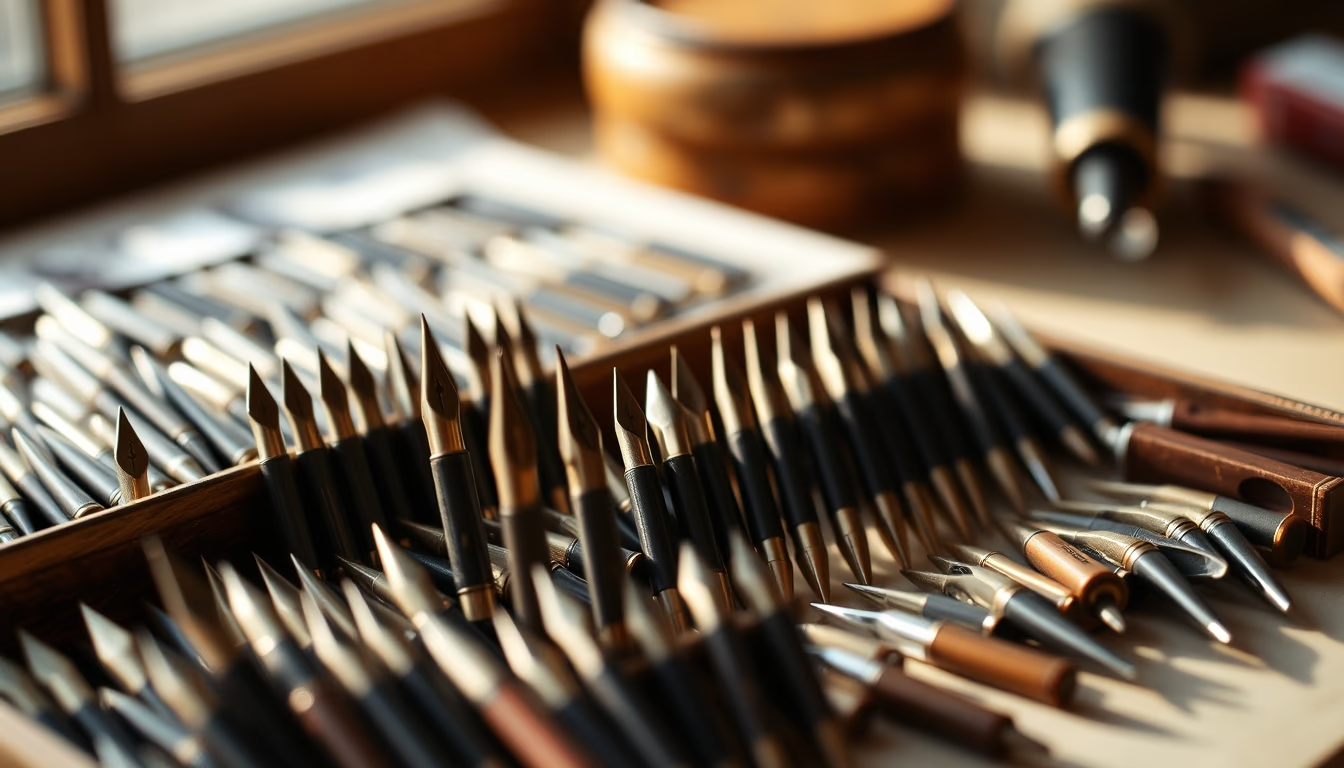
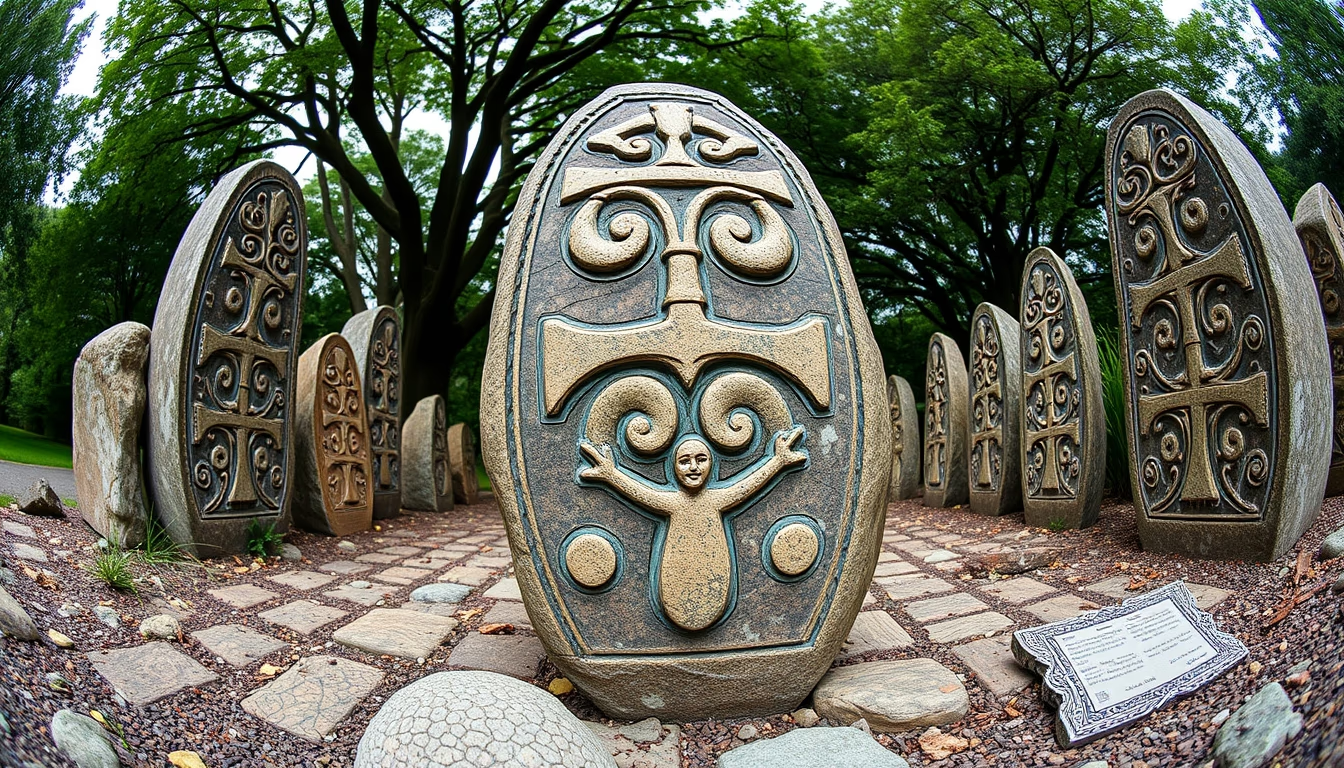
Tibetan calligraphy gold
1344×768 · AVIF · CC BY 4.0
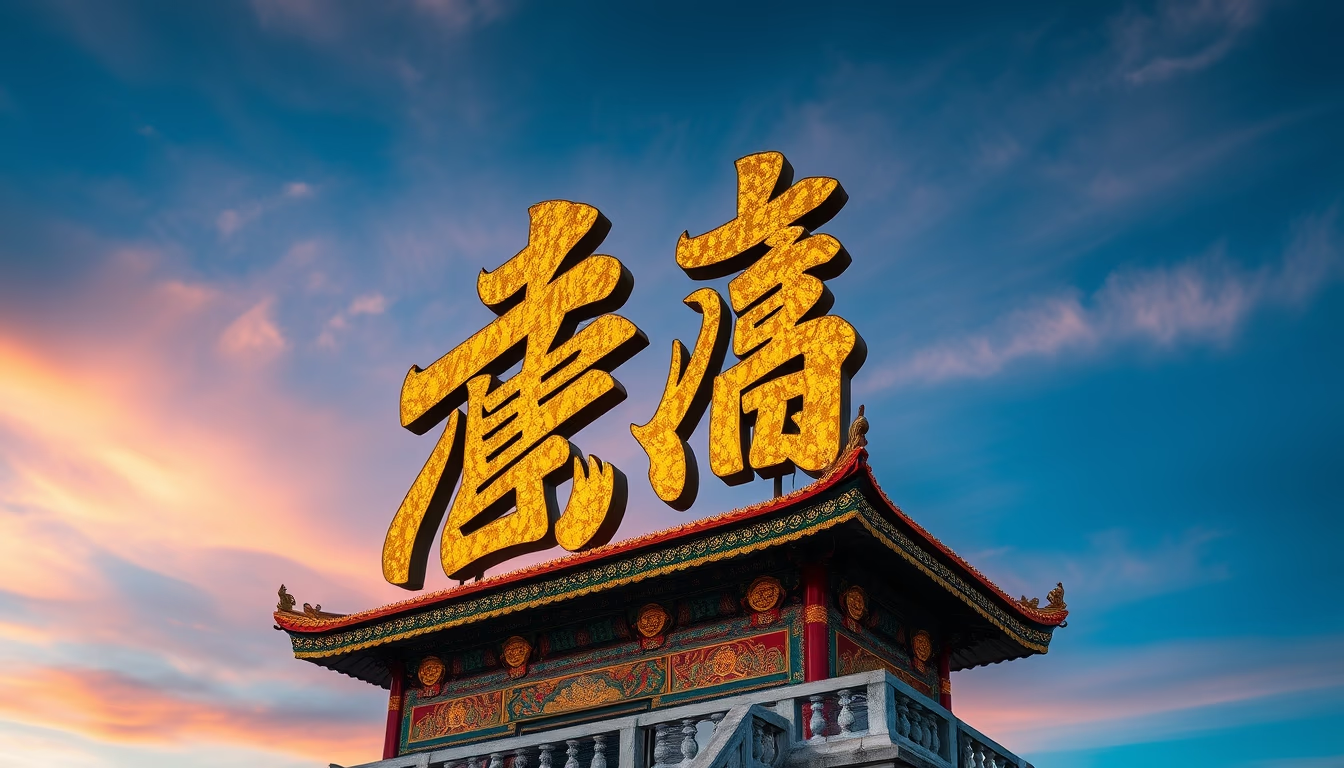
Tibetan calligraphy in gold is a sacred art combining precise stroke with the symbolism of eternal light, present in manuscripts and thangkas for centuries.
About this subject
Tibetan calligraphy dates back to the 7th century, when King Songtsen Gampo sent minister Thonmi Sambhota to India to develop a writing system for Tibetan. The resulting alphabet, based on Brahmi script, consists of 30 consonants and 4 vowels, and is used for transcribing Buddhist texts and literary works. Calligraphic art is highly valued in Tibetan Buddhism, as writing mantras and sutras with devotion is believed to generate spiritual merit.
The use of gold in Tibetan calligraphy is a tradition that dates back to early illuminated manuscripts. The golden pigment, usually made from gold dust mixed with animal glue, was applied with fine brushes to highlight titles, initials, and images of deities. This practice symbolizes enlightenment and purity, and also protects sacred texts from decay. Manuscripts such as the Kanjur (teachings of the Buddha) and Tanjur (commentaries) often feature pages entirely decorated with gold.
Although the technique requires patience and skill, it also possesses a meditative aspect. Each stroke is made with controlled breathing and concentration, akin to a long exposure photograph that captures the mind's movement. Today, monks and artists continue to practice gold calligraphy, keeping alive a tradition that faces challenges from modernization but inspires new generations to preserve this unique art form.
Frequently Asked Questions
What is the origin of Tibetan calligraphy?
Tibetan calligraphy was developed in the 7th century by Thonmi Sambhota, based on the Indian Brahmi script, to translate Buddhist texts into Tibetan.
Why is gold used in Tibetan calligraphy?
Gold symbolizes enlightenment and purity in Tibetan Buddhism. Its application on sacred texts also helps preserve them, as the metal does not tarnish easily.
How is gold pigment made for calligraphy?
Traditionally, gold powder is mixed with animal glue (such as hide glue) and water to form an opaque, shiny ink, applied with fine brushes.
Direct URL
https://pub-c7d6a6ea828543ac903a74a341ccb2e1.r2.dev/imagens/tibetan-calligraphy-gold-long-exposure-fresh12.avifHow to credit
Include a visible link back to UtilizAí. Copy one of the snippets below:
<a href="https://xn--utiliza-eza.com/en/midia/imagens/tibetan-calligraphy-gold-long-exposure-fresh12">Tibetan calligraphy gold</a> by <a href="https://xn--utiliza-eza.com">UtilizAí</a>, licensed under <a href="https://creativecommons.org/licenses/by/4.0/">CC BY 4.0</a>.
[Tibetan calligraphy gold](https://xn--utiliza-eza.com/en/midia/imagens/tibetan-calligraphy-gold-long-exposure-fresh12) by [UtilizAí](https://xn--utiliza-eza.com), CC BY 4.0
License: CC-BY-4.0