Tibetan calligraphy gold
1344×768 · AVIF · CC BY 4.0
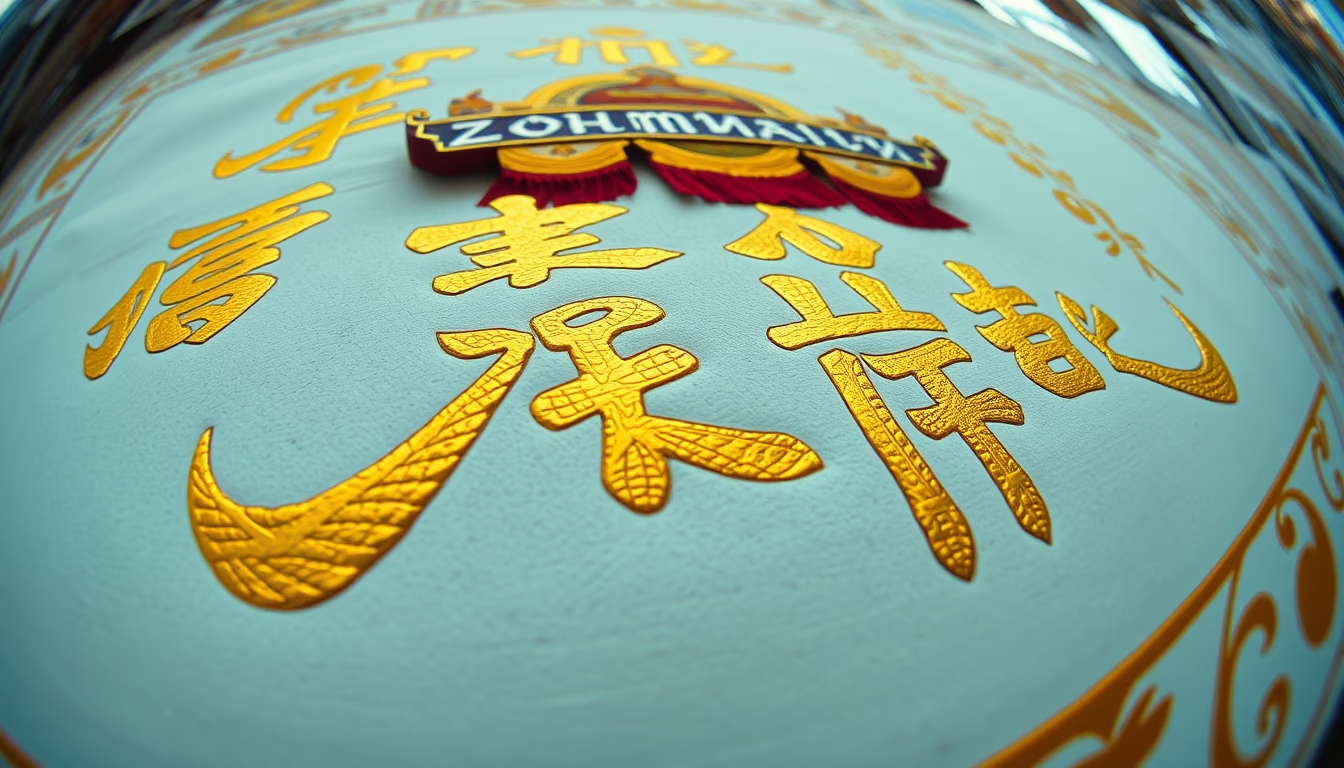
Tibetan calligraphy in gold is a sacred art that combines ancient precision with spiritual symbolism, used in manuscripts and religious paintings.
About this subject
Tibetan calligraphy, known as 'yig' or 'yig-tshang', evolved from the Indian Brahmi script around the 7th century CE, when King Songtsen Gampo sent his minister Thonmi Sambhota to study in India. Upon returning, Sambhota created the Tibetan alphabet with 30 consonants and 4 vowels, based on the Gupta script. The use of gold in calligraphy is reserved for texts of high spiritual value, such as sutras and mantras, as the precious metal symbolizes purity and enlightenment. Monks prepare the ink by grinding gold powder and mixing it with animal glue or gum arabic, applying it with fine brushes made of bamboo or yak hair.
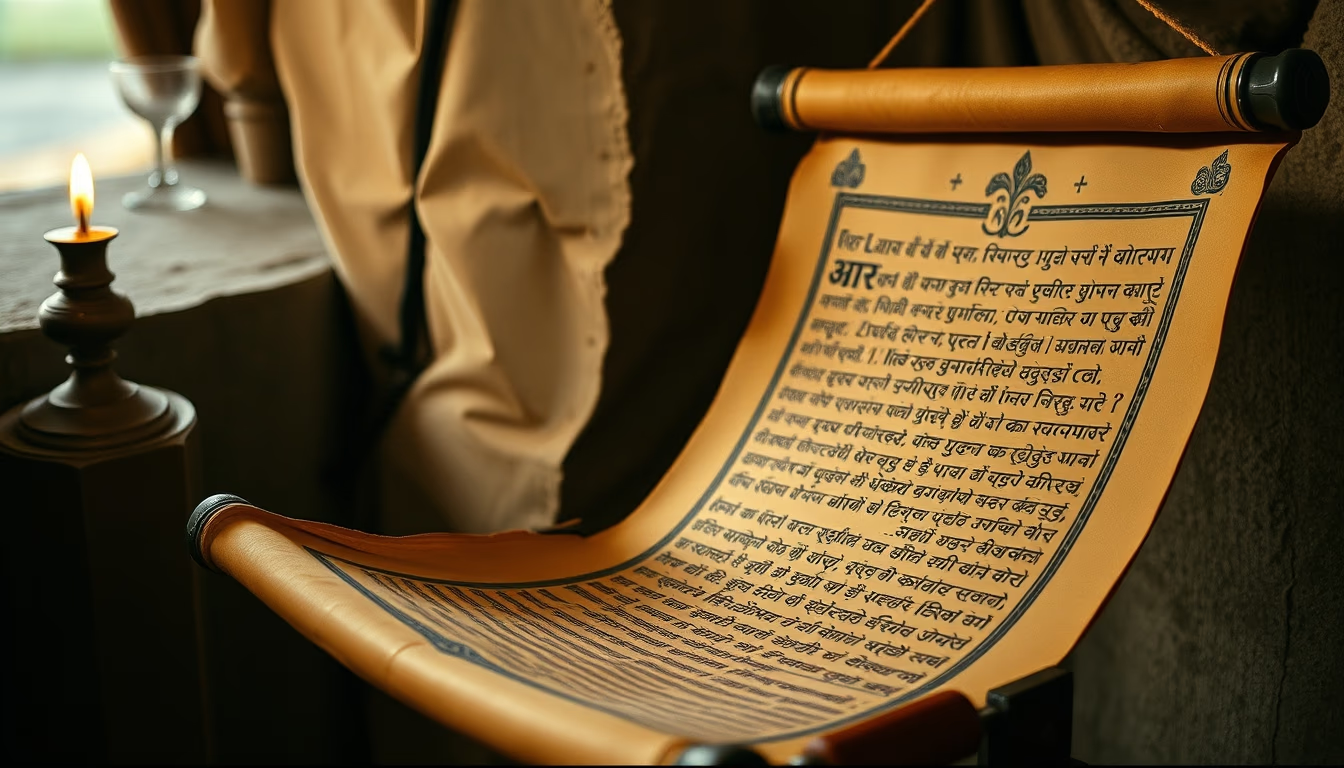
The tradition of writing with gold is particularly associated with the so-called 'golden books' (gser chos) of Tibet, which often contain teachings of the Buddha or texts by great masters. These manuscripts are kept in monasteries and temples as relics, and their production involves rituals of purification and meditation. One of the most famous works is the 'Kanjur', the collection of Buddhist teachings, which in some editions was copied on black parchment with gold and silver ink. Golden calligraphy is not merely decorative; it is believed to possess power of blessing and protection.
In contemporary times, Tibetan calligraphy in gold continues to be practiced by artists and monks, especially during religious festivals such as Losar (Tibetan New Year) or at enthronement ceremonies of lamas. Mastery of this technique requires years of studying the Uchen (formal) and Umed (cursive) scripts, as well as precise hand control to draw the fluid, symmetrical lines. Due to the high cost of gold, many artists today use synthetic gold pigments, but the symbolism remains unchanged. Golden Tibetan calligraphy is also featured in international exhibitions, highlighting the cultural richness of Tibet and its diaspora communities.
Frequently Asked Questions
What is the origin of Tibetan calligraphy?
Tibetan calligraphy was created in the 7th century CE by Thonmi Sambhota, based on the Indian Gupta script. The Tibetan alphabet has 30 consonants and 4 vowels.
Why is gold used in Tibetan calligraphy?
Gold symbolizes purity and enlightenment in Tibetan Buddhism. Sacred texts like sutras are written in gold to honor the teachings and attract blessings.
How is gold ink made for calligraphy?
Gold ink is made by grinding gold powder and mixing it with animal glue or gum arabic. It is applied with fine brushes made of bamboo or yak hair.
Direct URL
https://pub-c7d6a6ea828543ac903a74a341ccb2e1.r2.dev/imagens/tibetan-calligraphy-gold-fish-eye-wide-angle-fresh14.avifHow to credit
Include a visible link back to UtilizAí. Copy one of the snippets below:
<a href="https://xn--utiliza-eza.com/en/midia/imagens/tibetan-calligraphy-gold-fish-eye-wide-angle-fresh14">Tibetan calligraphy gold</a> by <a href="https://xn--utiliza-eza.com">UtilizAí</a>, licensed under <a href="https://creativecommons.org/licenses/by/4.0/">CC BY 4.0</a>.
[Tibetan calligraphy gold](https://xn--utiliza-eza.com/en/midia/imagens/tibetan-calligraphy-gold-fish-eye-wide-angle-fresh14) by [UtilizAí](https://xn--utiliza-eza.com), CC BY 4.0
License: CC-BY-4.0