Tibetan calligraphy gold
1344×768 · AVIF · CC BY 4.0
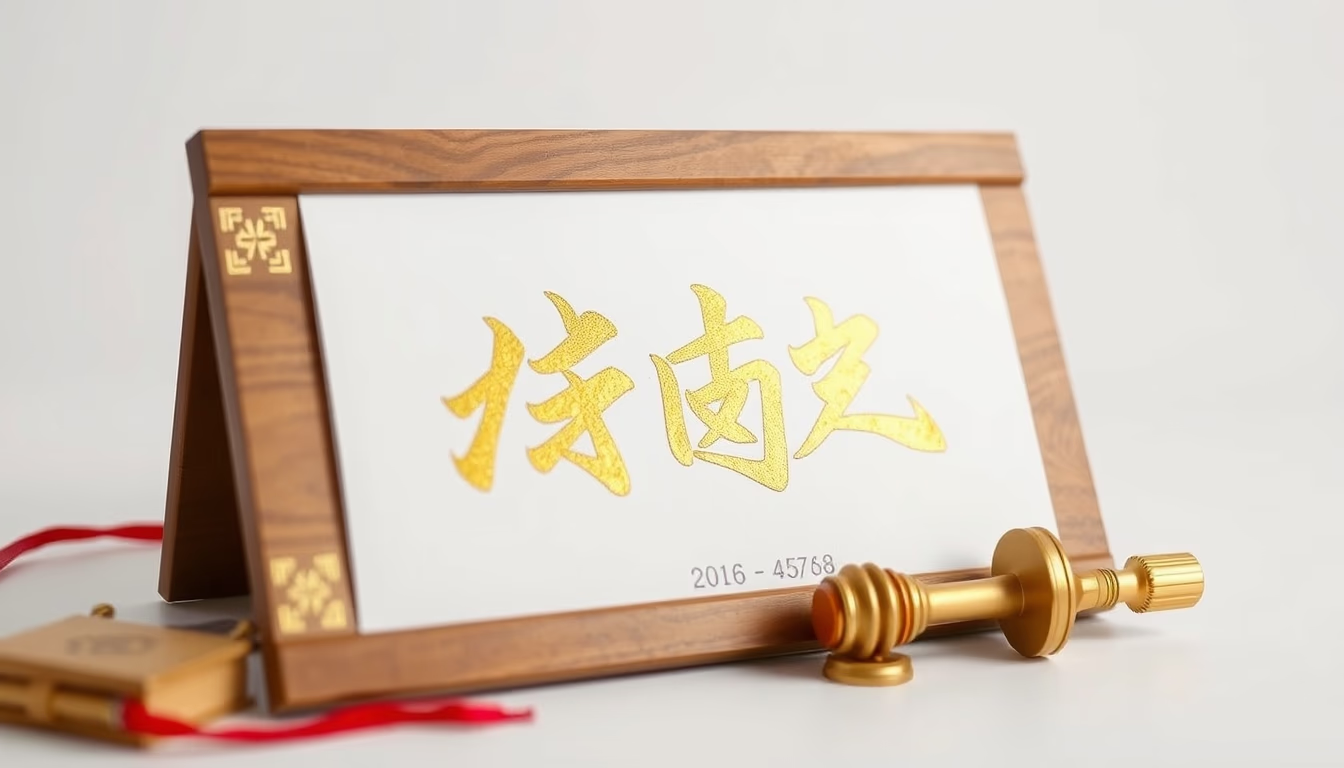
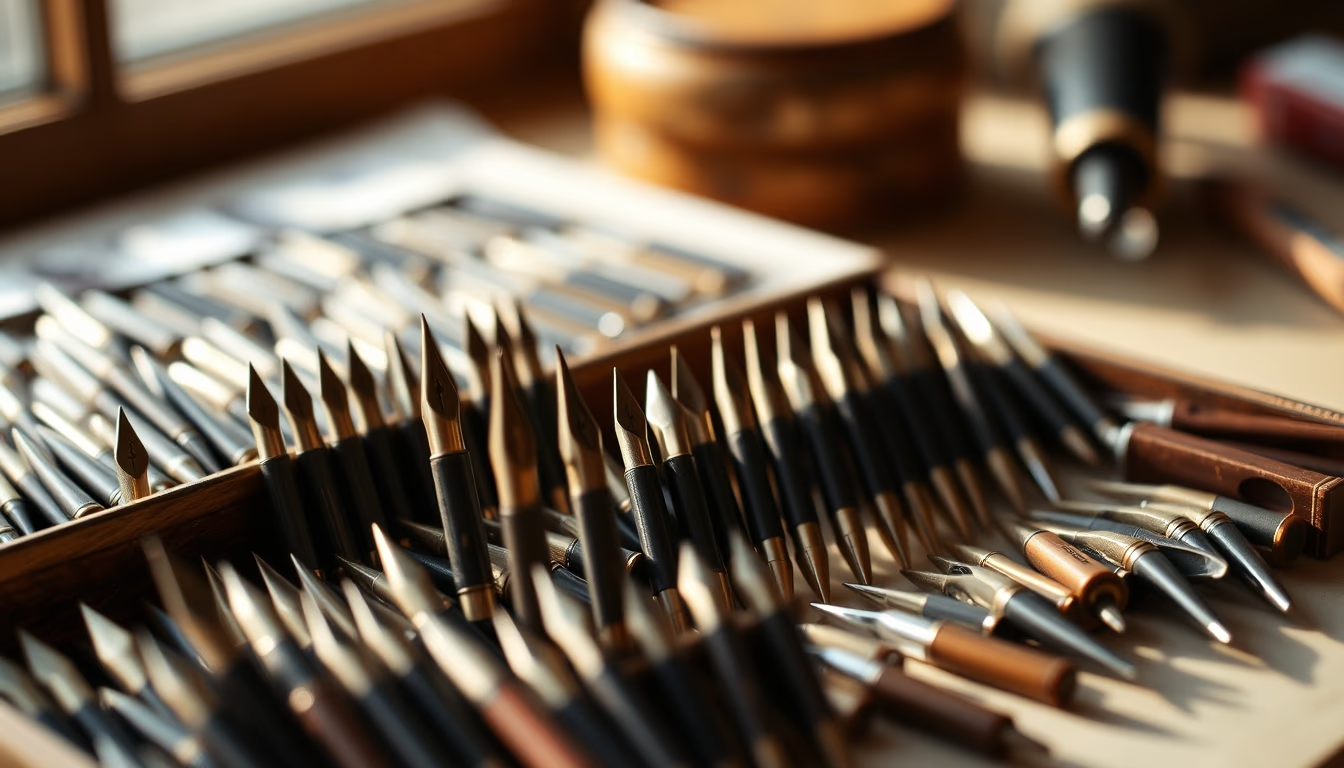
Tibetan calligraphy in gold is an ancient sacred art, used in religious texts and Buddhist rituals.
About this subject
Tibetan calligraphy originated in the 7th century, when King Songtsen Gampo sent his minister Thonmi Sambhota to India, who developed the Tibetan alphabet based on the Gupta script. Since then, writing became the vehicle for transmitting Buddhist teachings, with sutras and mantras hand-copied in monasteries across the Himalayas.
The use of gold in Tibetan calligraphy is not merely aesthetic but carries deep spiritual meaning. Gold symbolizes enlightenment, purity, and the imperishable nature of the Dharma. Traditionally, gold ink is prepared by grinding pure gold or gold leaf and mixing it with natural binders such as gum arabic or bone glue. This meticulous process is considered a meditative practice.
There are two main styles of Tibetan calligraphy: uchen (block head), used for sacred texts and characterized by thick, straight strokes, and umê (headless), more cursive and fluid, employed in secular documents and notes. Gold calligraphy is more common in the uchen style, as its precision enhances the metallic shine.
Today, Tibetan calligraphy faces preservation challenges due to modernization, but Tibetan communities and scholars keep the tradition alive. Gold works are displayed in temples and museums, such as the Potala Palace in Tibet, where illuminated manuscripts with gold ink are protected cultural treasures.
Frequently Asked Questions
What is the origin of Tibetan calligraphy?
Tibetan calligraphy was created in the 7th century by minister Thonmi Sambhota, who developed the alphabet from the Indian Gupta script at the request of King Songtsen Gampo to translate Buddhist texts.
Why is gold used in Tibetan calligraphy?
Gold symbolizes enlightenment, purity, and the eternal nature of Buddhist teachings. Beyond aesthetics, gold ink is considered a sacred offering and is used in important texts and rituals.
What are the main styles of Tibetan calligraphy?
The two main styles are uchen (block), with straight thick strokes used for sacred texts, and umê (cursive), more fluid for secular documents. Gold is more commonly used in uchen.
Direct URL
https://pub-c7d6a6ea828543ac903a74a341ccb2e1.r2.dev/imagens/tibetan-calligraphy-gold-commercial-product-photography-fresh5.avifHow to credit
Include a visible link back to UtilizAí. Copy one of the snippets below:
<a href="https://xn--utiliza-eza.com/en/midia/imagens/tibetan-calligraphy-gold-commercial-product-photography-fresh5">Tibetan calligraphy gold</a> by <a href="https://xn--utiliza-eza.com">UtilizAí</a>, licensed under <a href="https://creativecommons.org/licenses/by/4.0/">CC BY 4.0</a>.
[Tibetan calligraphy gold](https://xn--utiliza-eza.com/en/midia/imagens/tibetan-calligraphy-gold-commercial-product-photography-fresh5) by [UtilizAí](https://xn--utiliza-eza.com), CC BY 4.0
License: CC-BY-4.0