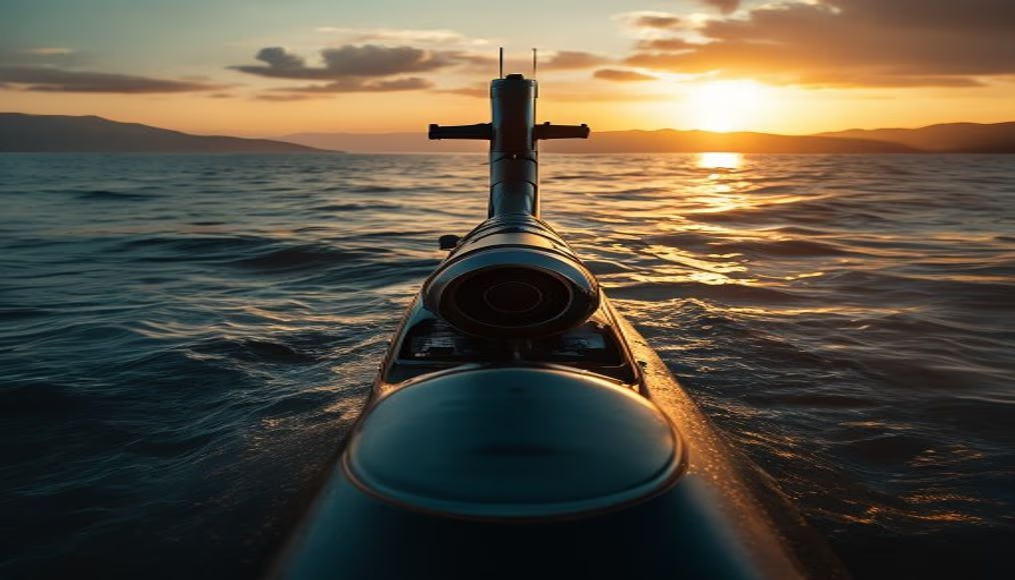
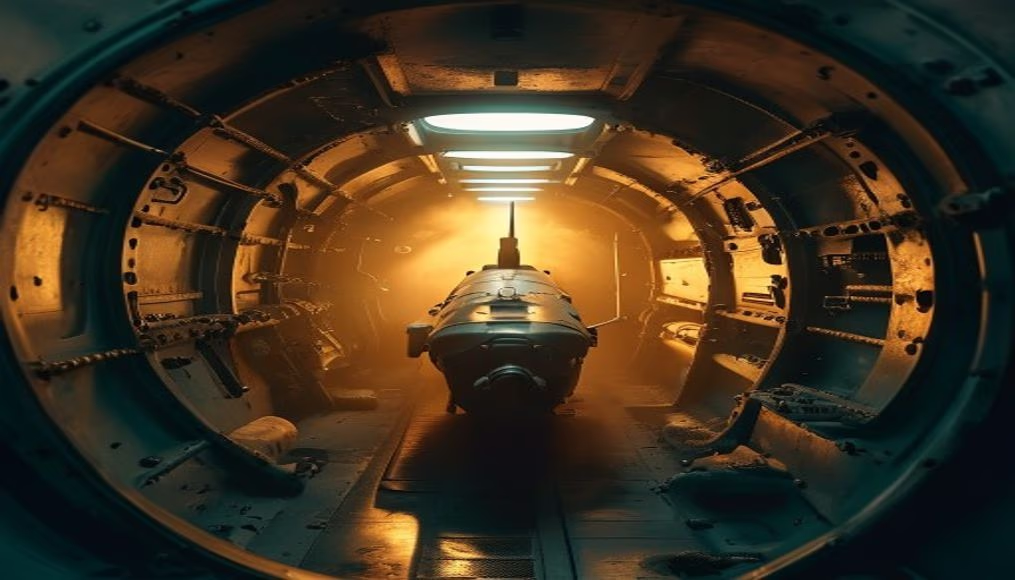
Submarine surfacing ocean
1344×768 · AVIF · CC BY 4.0
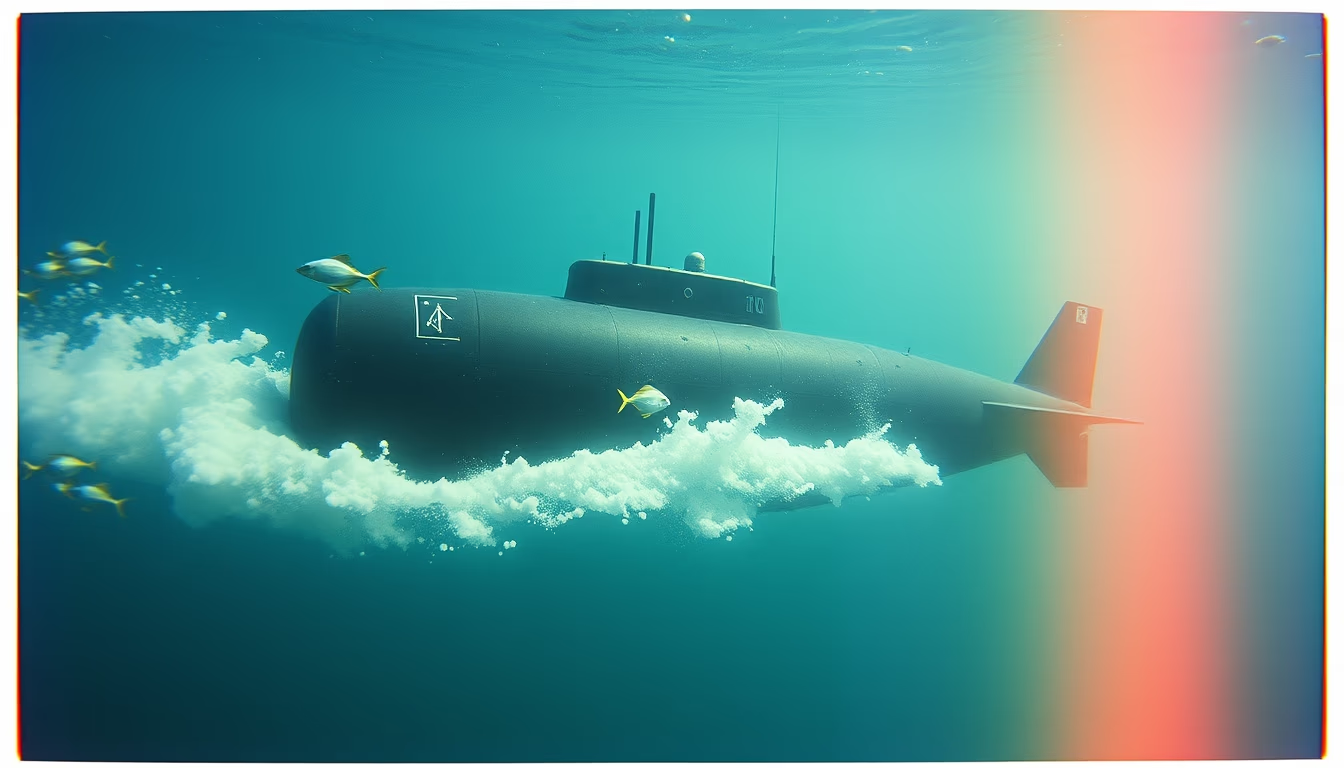
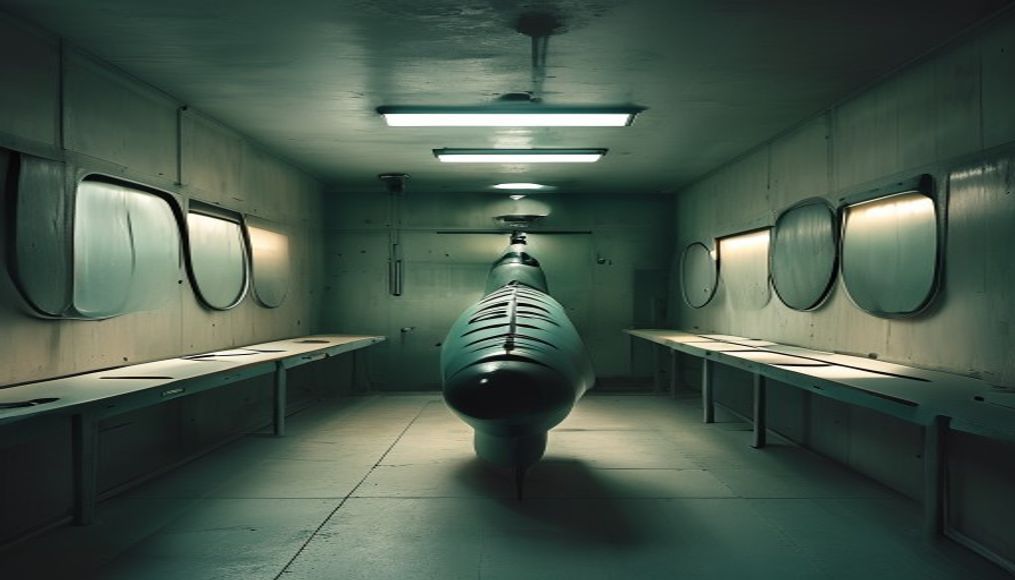
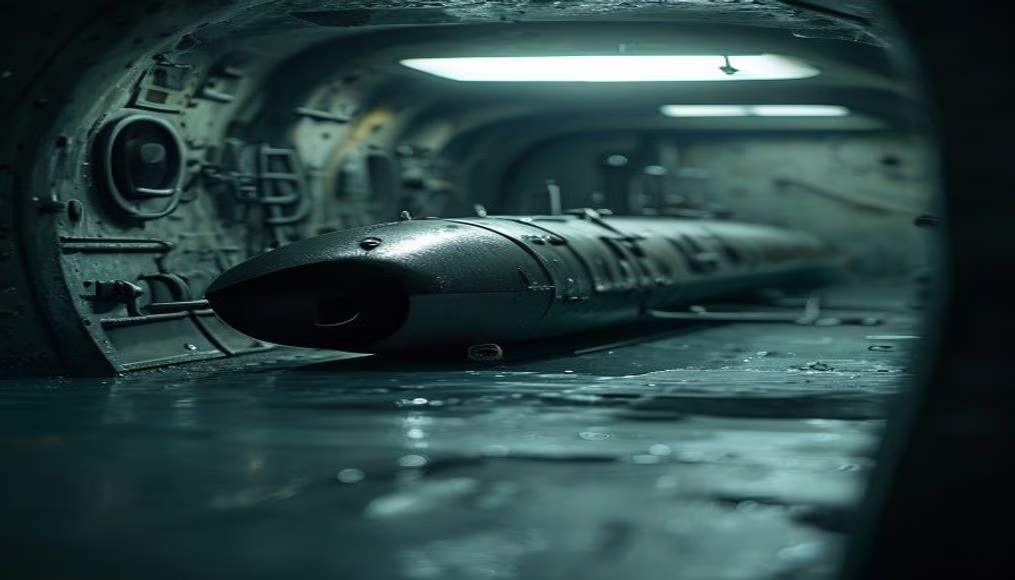
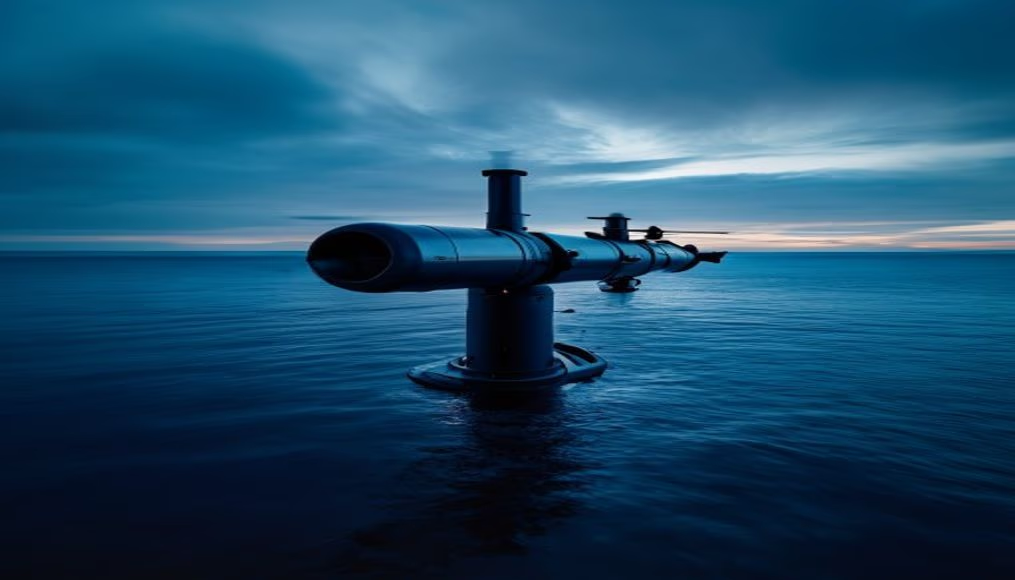
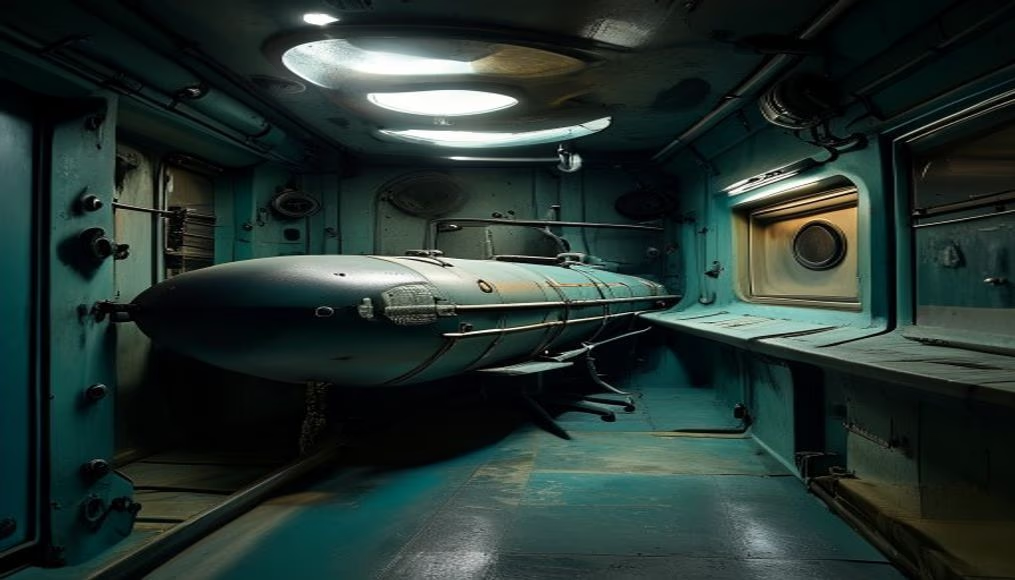
Submarine surfacing in the ocean: a navigation maneuver that reveals submersible vessels operating in the deep sea.
About this subject
Submarines are vessels designed to operate submerged, surfacing when necessary. The surfacing maneuver is a controlled procedure involving ballast adjustment and propulsion to bring the submarine from depth to the surface. This occurs in military contexts, such as missile launches or communication, as well as scientific and commercial missions like oceanographic data collection.
Historically, the first operational submarines emerged in the 19th century, but they became crucial during the World Wars. Surfacing is a vulnerable moment, exposing the vessel to visual and radar detection. Thus, it is performed quickly and preferably in remote areas or with minimized satellite coverage. In Brazilian waters, the Brazilian Navy operates submarines like the Tikuna class and the future Riachuelo class, which conduct surfacing training off the coast of Rio de Janeiro and other strategic regions.
Culturally, submarine surfacing is an icon in cinema and literature, representing the transition from hidden to revealed. Films like "The Hunt for Red October" and "U-571" explore the suspense of these moments. In naval engineering, the ability to surface rapidly is extensively tested, involving air compression systems and ballast valves. A curiosity: nuclear submarines can surface even under Arctic ice, breaking the frozen layer with their reinforced hull.
Today, surfacing technology includes automated systems ensuring stability even in rough seas. The process takes minutes to hours, depending on depth. For research submarines like NOAA's Alvin, surfacing marks the end of exploratory dives to hydrothermal vents or shipwrecks. The image of a submarine breaking the surface, with water streaming from its hull, symbolizes engineering and underwater adventure.
Frequently Asked Questions
How long does it take for a submarine to surface?
The surfacing time ranges from a few minutes to hours, depending on depth, submarine type, and sea conditions. Military submarines can surface rapidly in tactical situations.
Are submarines detected when surfacing?
Yes, the surfacing moment is one of the most vulnerable for a submarine, as it can be detected visually, by radar, or by surface sonar. Therefore, the maneuver is performed quickly and discreetly.
What is the importance of surfacing for nuclear submarines?
For nuclear submarines, surfacing is essential for satellite communications, missile launches, and crew changes. Additionally, they can surface in polar regions, breaking ice to access the surface.
Direct URL
https://pub-c7d6a6ea828543ac903a74a341ccb2e1.r2.dev/imagens/submarine-surfacing-ocean-lo-fi-disposable-camera-p8.avifHow to credit
Include a visible link back to UtilizAí. Copy one of the snippets below:
<a href="https://xn--utiliza-eza.com/en/midia/imagens/submarine-surfacing-ocean-lo-fi-disposable-camera-p8">Submarine surfacing ocean</a> by <a href="https://xn--utiliza-eza.com">UtilizAí</a>, licensed under <a href="https://creativecommons.org/licenses/by/4.0/">CC BY 4.0</a>.
[Submarine surfacing ocean](https://xn--utiliza-eza.com/en/midia/imagens/submarine-surfacing-ocean-lo-fi-disposable-camera-p8) by [UtilizAí](https://xn--utiliza-eza.com), CC BY 4.0
License: CC-BY-4.0