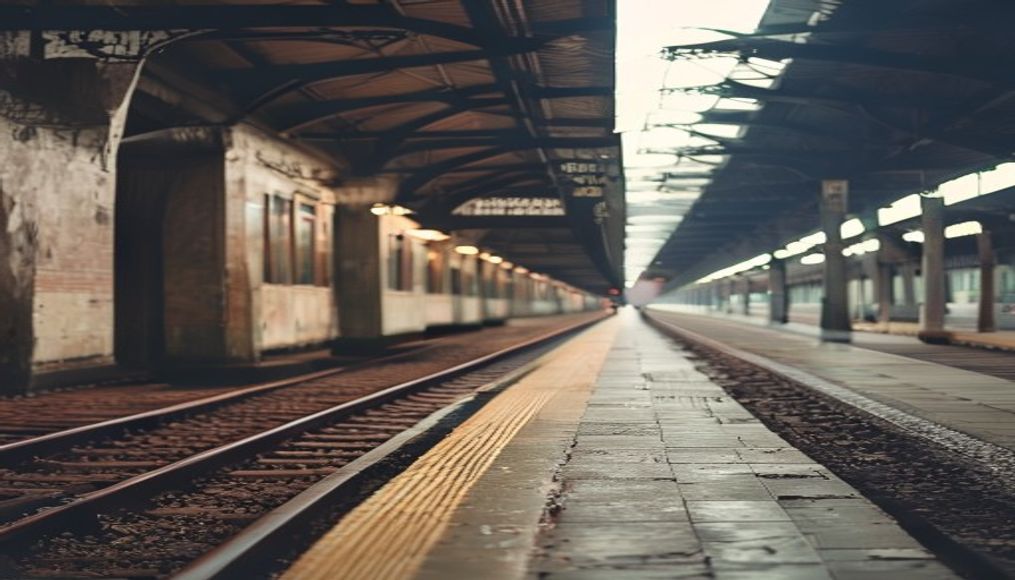
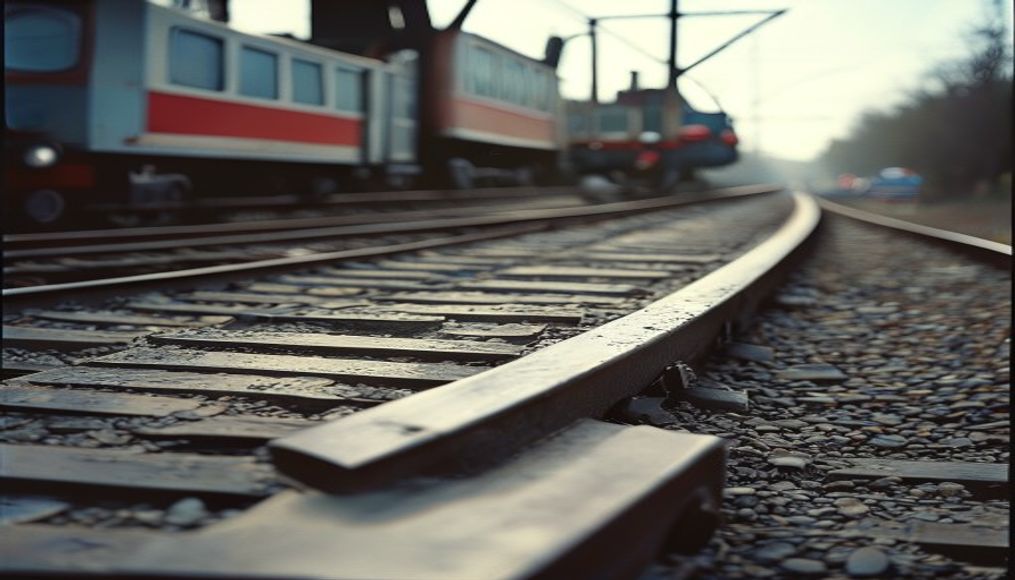
Steam locomotive vintage
1344×768 · AVIF · CC BY 4.0
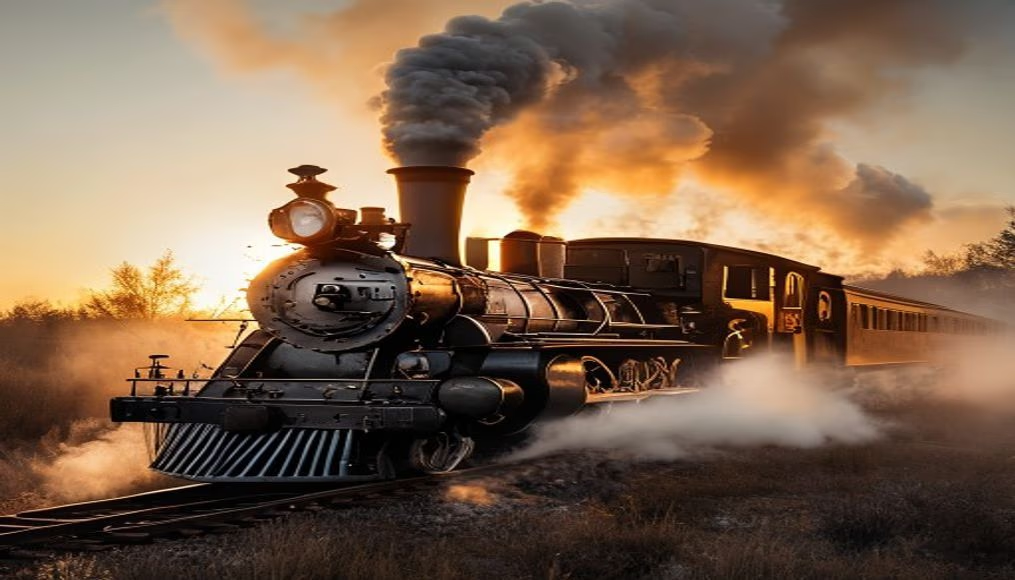
Steam locomotives revolutionized rail transport in the 19th century, driving the Industrial Revolution and connecting remote regions.
About this subject
A steam locomotive is a machine that uses water vapor to generate motion. Its operating principle dates back to James Watt's steam engine, but it was refined by engineers like George Stephenson, who built the 'Rocket' in 1829. These locomotives burn coal or wood to heat water in a boiler, producing steam that drives pistons connected to the wheels. This simple yet ingenious mechanism allowed long-distance freight and passenger trains, replacing animal traction and drastically reducing travel time.
In Brazil, the first railways were built starting in 1854, with the Mauá Railway in Rio de Janeiro. British and Brazilian companies expanded the rail network, and steam locomotives were key in transporting coffee, ore, and people. Brands like Baldwin, ALCO, and Beyer-Peacock supplied the Brazilian market, and some locomotives operated until the mid-20th century when they were gradually replaced by diesel-electric ones. Today, preserved steam locomotives are displayed in museums and tourist railways, such as the Maria Fumaça in São Paulo and Minas Gerais.
The decline of steam locomotives began after World War II, with the adoption of diesel and electric engines, which were more efficient and less polluting. However, the charm and nostalgia of these machines still captivate enthusiasts. Maintenance required specialized and constant labor, but their reliability on long routes was remarkable. Currently, some tourist routes keep steam locomotives operational, offering an immersive experience into railway history.
Frequently Asked Questions
How does a steam locomotive work?
A steam locomotive burns fuel (coal or wood) to boil water in a boiler. The pressurized steam is directed to cylinders, where it pushes pistons that move the wheels.
What was the first railway in Brazil?
Brazil's first railway was the Estrada de Ferro Mauá, inaugurated in 1854, connecting the Mauá Port to the Raiz da Serra in Rio de Janeiro.
Why were steam locomotives replaced?
Steam locomotives were replaced by diesel and electric engines due to greater energy efficiency, lower pollution, less maintenance, and higher power.
Direct URL
https://pub-c7d6a6ea828543ac903a74a341ccb2e1.r2.dev/imagens/steam-locomotive-vintage-cinematic-wide-shot-p3.avifHow to credit
Include a visible link back to UtilizAí. Copy one of the snippets below:
<a href="https://xn--utiliza-eza.com/en/midia/imagens/steam-locomotive-vintage-cinematic-wide-shot-p3">Steam locomotive vintage</a> by <a href="https://xn--utiliza-eza.com">UtilizAí</a>, licensed under <a href="https://creativecommons.org/licenses/by/4.0/">CC BY 4.0</a>.
[Steam locomotive vintage](https://xn--utiliza-eza.com/en/midia/imagens/steam-locomotive-vintage-cinematic-wide-shot-p3) by [UtilizAí](https://xn--utiliza-eza.com), CC BY 4.0
License: CC-BY-4.0