Spectrophotometer cuvettes
1344×768 · AVIF · CC BY 4.0
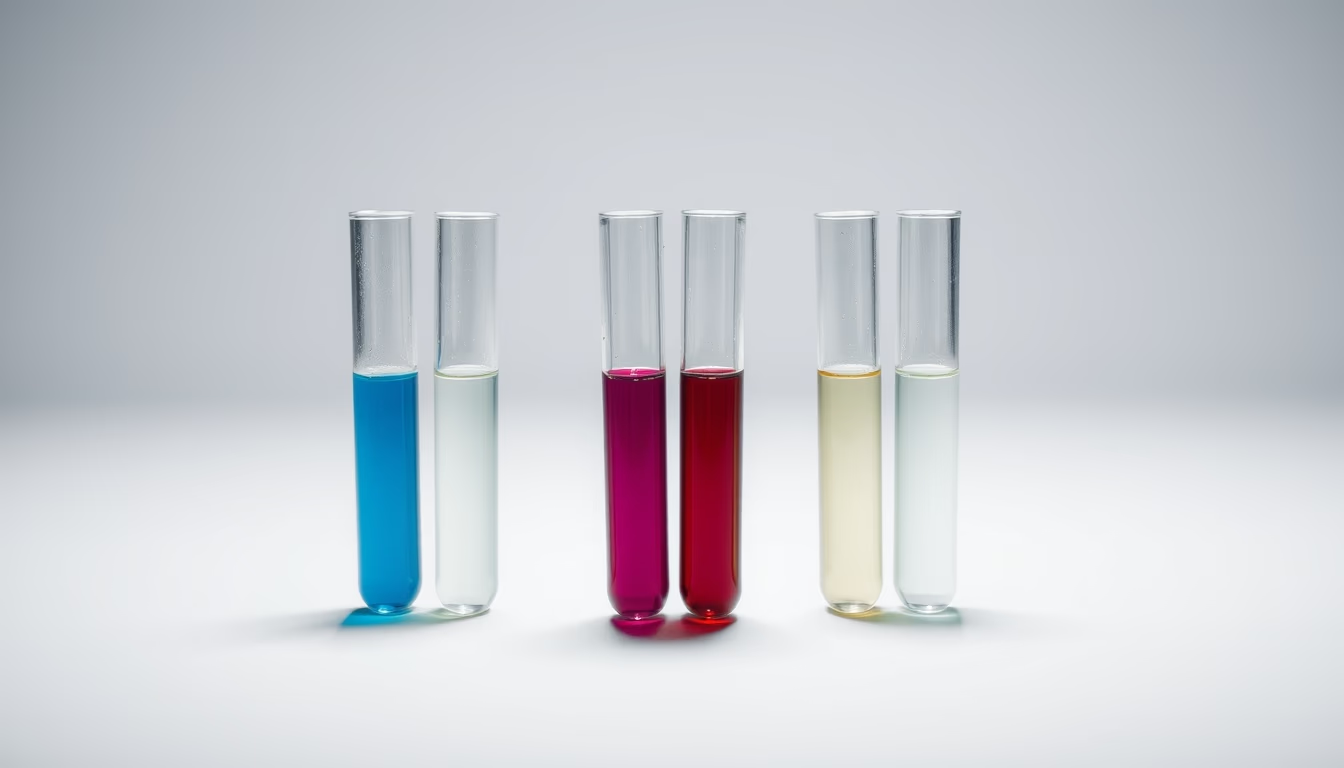
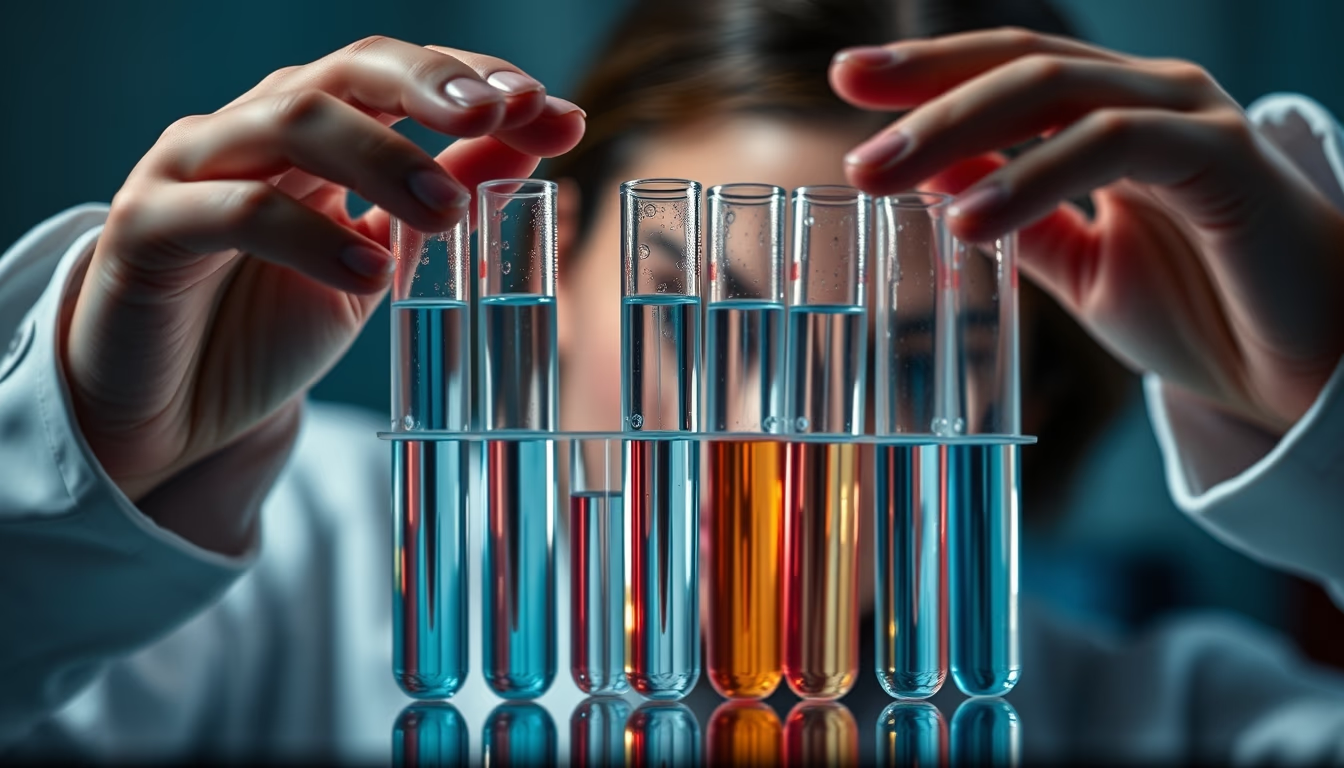
Spectrophotometer cuvettes are precise containers used to measure the absorbance of liquid samples in laboratory analyses.
About this subject
Spectrophotometer cuvettes, also called cells, are essential components in spectrophotometry. They are manufactured from materials such as glass, quartz, or plastic, each serving specific applications. Glass is suitable for visible light (range 340-900 nm), while quartz is necessary for ultraviolet measurements (down to 190 nm). Disposable cuvettes made of polystyrene or PMMA are popular for routine assays, eliminating cross-contamination risks and the need for cleaning.
The standard optical path length is 1 cm, but cuvettes with shorter paths (e.g., 2 mm, 5 mm) exist for concentrated samples or reduced volumes. Measurement accuracy depends on the optical purity of the cuvette faces: any scratch or dirt can scatter or absorb light, compromising results. Therefore, it is recommended to handle cuvettes by the opaque sides or the top edge.
In practice, cuvettes are used for protein quantification (Bradford method), nucleic acids (absorbance at 260/280 nm), enzyme activity, and metabolite concentration. In clinical laboratories, they are employed in blood and urine tests. The versatility of cuvettes allows their application in environmental analyses, such as pollutant detection, and in the pharmaceutical industry for quality control.
Care for reusable cuvettes includes washing with neutral detergent and rinsing with distilled water, followed by air drying. Avoid using abrasive objects that could scratch the optical windows. Disposable cuvettes should be disposed of in appropriate containers for sharps or plastic waste, depending on type.
Frequently Asked Questions
Which material is best for spectrophotometer cuvettes?
It depends on the wavelength range. For UV below 340 nm, use quartz. For visible light, glass or plastic works. Disposable plastic prevents cross-contamination.
How to clean reusable cuvettes?
Wash with distilled water and neutral detergent, rinse thoroughly with distilled water. Air dry or use compressed air. Avoid scrubbing the optical faces to prevent scratches.
What is the typical volume of a cuvette?
Usually 1 to 3 mL, but microcuvettes exist for smaller volumes, such as 50 µL, for precious or concentrated samples.
Direct URL
https://pub-c7d6a6ea828543ac903a74a341ccb2e1.r2.dev/imagens/spectrophotometer-cuvettes-studio-still-life-fresh2.avifHow to credit
Include a visible link back to UtilizAí. Copy one of the snippets below:
<a href="https://xn--utiliza-eza.com/en/midia/imagens/spectrophotometer-cuvettes-studio-still-life-fresh2">Spectrophotometer cuvettes</a> by <a href="https://xn--utiliza-eza.com">UtilizAí</a>, licensed under <a href="https://creativecommons.org/licenses/by/4.0/">CC BY 4.0</a>.
[Spectrophotometer cuvettes](https://xn--utiliza-eza.com/en/midia/imagens/spectrophotometer-cuvettes-studio-still-life-fresh2) by [UtilizAí](https://xn--utiliza-eza.com), CC BY 4.0
License: CC-BY-4.0