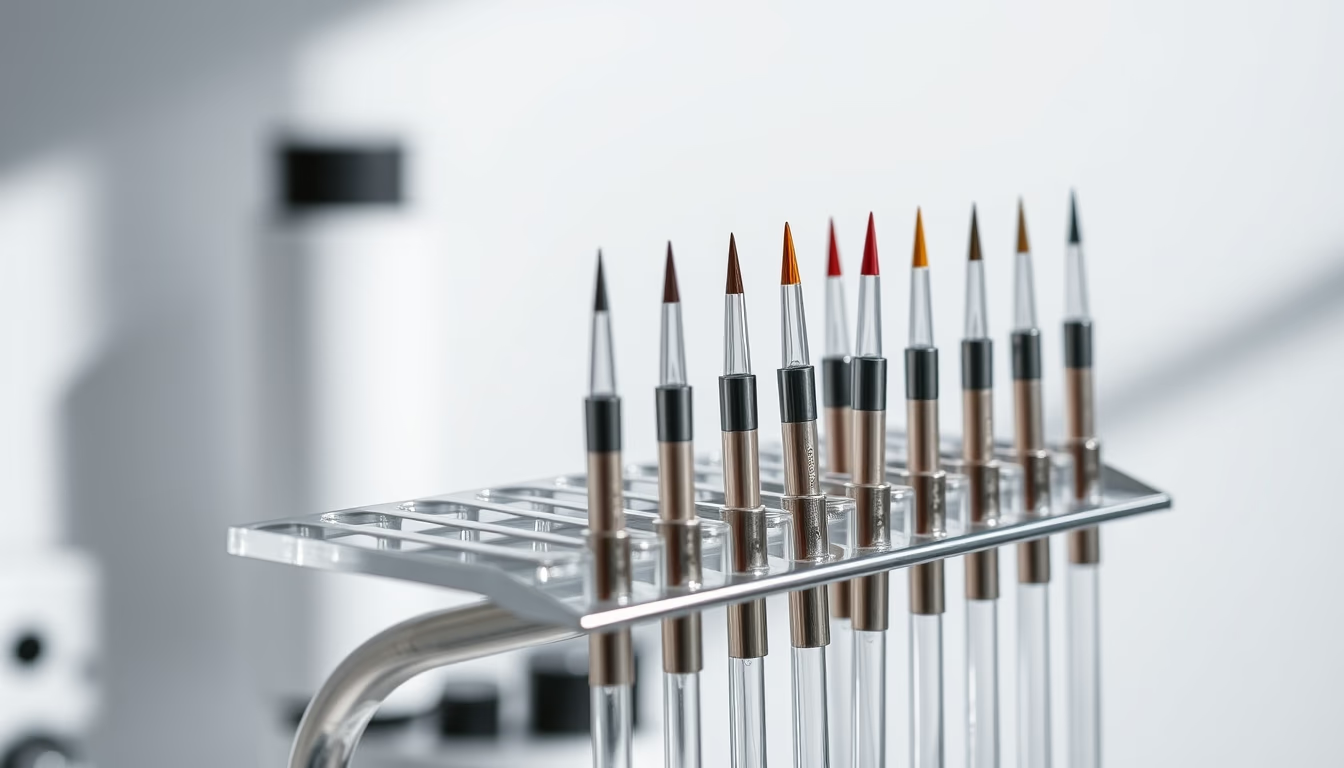
Spectrophotometer cuvettes
1344×768 · AVIF · CC BY 4.0
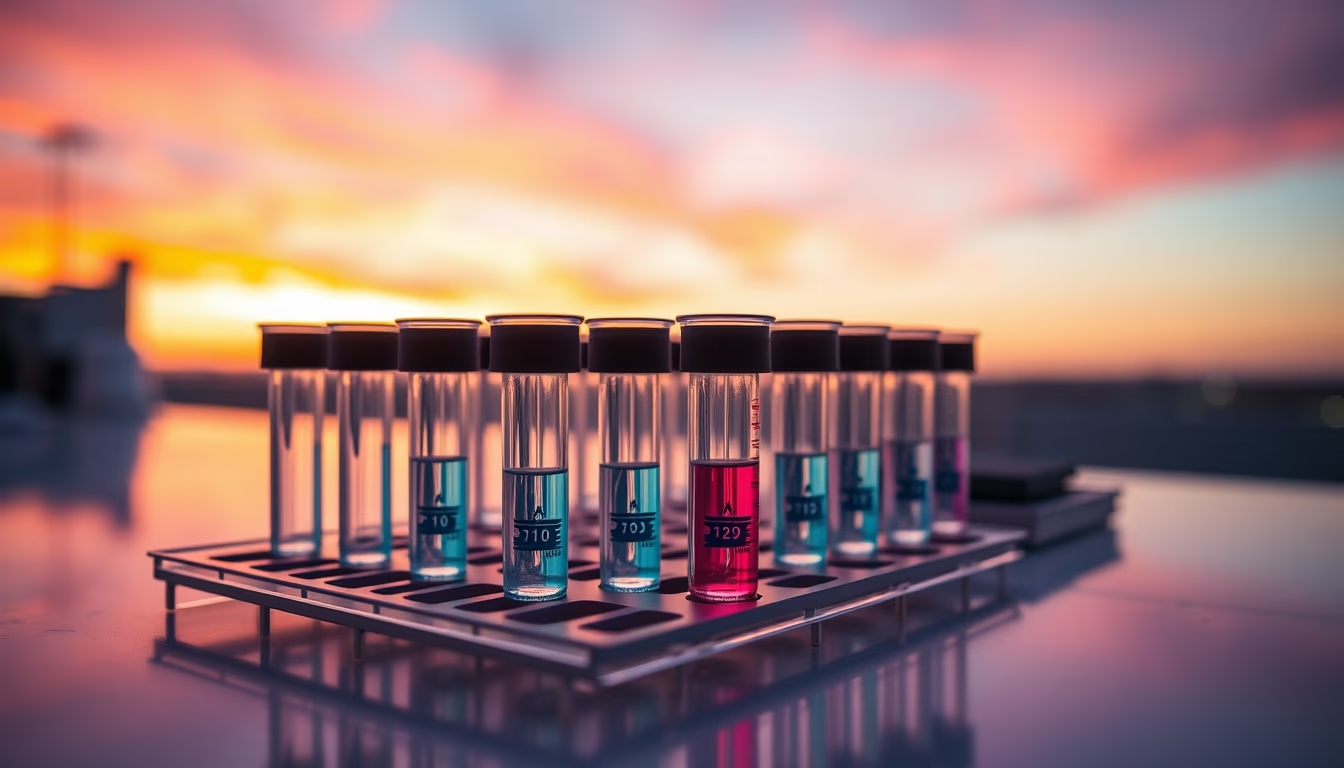
Spectrophotometer cuvettes are transparent containers used to hold liquid samples during measurements of light absorbance and transmittance.
About this subject
Spectrophotometer cuvettes, also called cells or cuvets, are essential components in spectrophotometric analysis. They are made from materials such as glass, quartz, or optical polymers (polystyrene, PMMA), with selection depending on the wavelength of light used. Quartz is preferred for ultraviolet (UV) below 350 nm, while glass is suitable for visible light (350-800 nm). Disposable plastic cuvettes are common in biochemistry due to low cost and prevention of cross-contamination.
The standard optical path length is 10 mm, but versions of 1, 2, 5, 20, 50, and 100 mm exist for different sensitivities. Microvolume cuvettes allow analysis of samples as small as 0.5 μL, reducing reagent consumption. Transparency on the optical faces (windows) is critical; scratches or dirt compromise measurement accuracy. Hence, gloves and proper cleaning with appropriate solvents are recommended.
Beyond UV-Vis spectrophotometry, cuvettes are used in fluorimetry (quartz cuvettes with four polished faces) and enzyme kinetics assays. International standardization follows norms such as ISO 15586 for glass and quartz cuvettes. In Brazil, clinical analysis and quality control laboratories use cuvettes adapted to equipment from brands like Thermo Scientific, Shimadzu, and Agilent.
Frequently Asked Questions
What is the difference between glass and quartz cuvettes?
Glass cuvettes are suitable for visible light (350-800 nm), while quartz cuvettes allow measurements in the ultraviolet range (down to 190 nm) due to higher transparency in that region.
How to properly clean spectrophotometer cuvettes?
Wash with distilled water and mild detergent, rinse thoroughly, and dry with compressed air. Avoid steel wool or abrasives. For organic residues, use ethanol or acetone.
Can disposable cuvettes be reused?
It is not recommended, as the material may degrade and scratch, affecting accuracy. Additionally, there is a risk of cross-contamination between samples.
Direct URL
https://pub-c7d6a6ea828543ac903a74a341ccb2e1.r2.dev/imagens/spectrophotometer-cuvettes-long-exposure-fresh3.avifHow to credit
Include a visible link back to UtilizAí. Copy one of the snippets below:
<a href="https://xn--utiliza-eza.com/en/midia/imagens/spectrophotometer-cuvettes-long-exposure-fresh3">Spectrophotometer cuvettes</a> by <a href="https://xn--utiliza-eza.com">UtilizAí</a>, licensed under <a href="https://creativecommons.org/licenses/by/4.0/">CC BY 4.0</a>.
[Spectrophotometer cuvettes](https://xn--utiliza-eza.com/en/midia/imagens/spectrophotometer-cuvettes-long-exposure-fresh3) by [UtilizAí](https://xn--utiliza-eza.com), CC BY 4.0
License: CC-BY-4.0