Space station futuristic
1344×768 · AVIF · CC BY 4.0
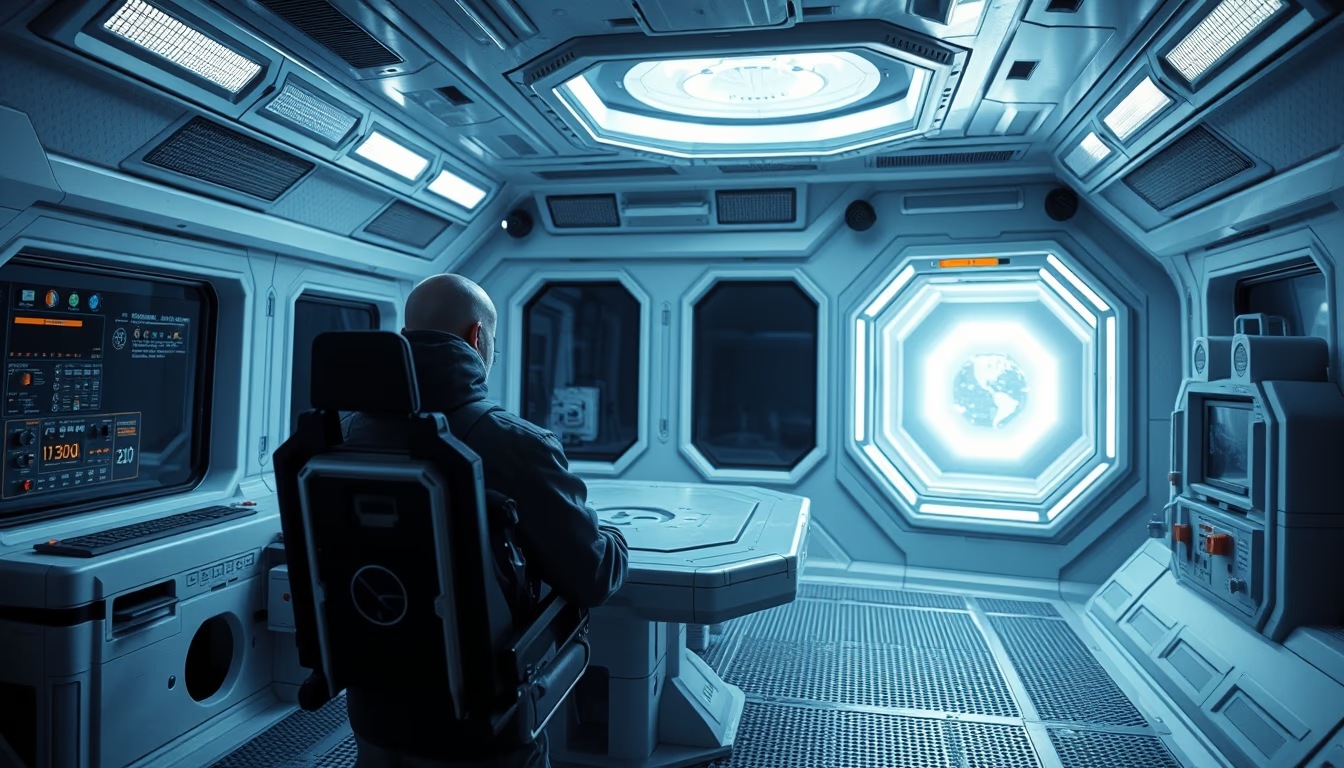
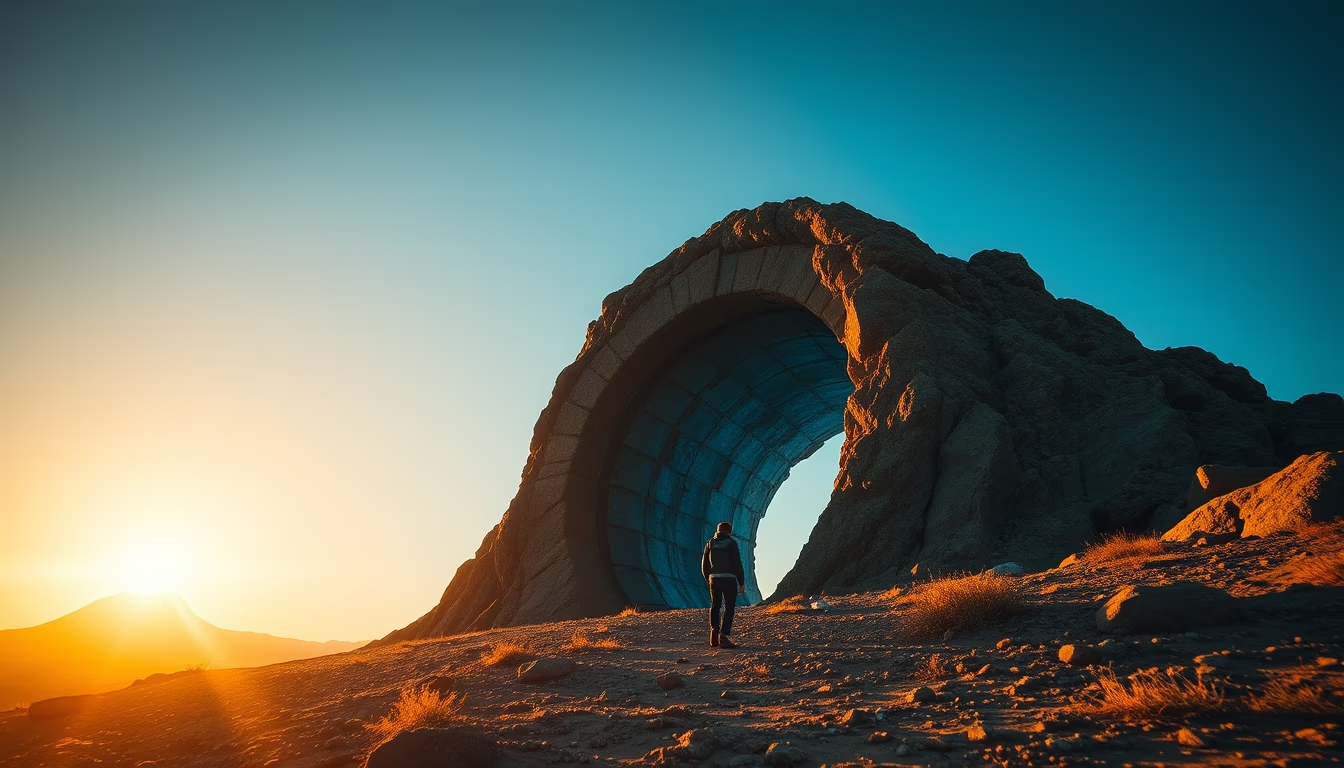
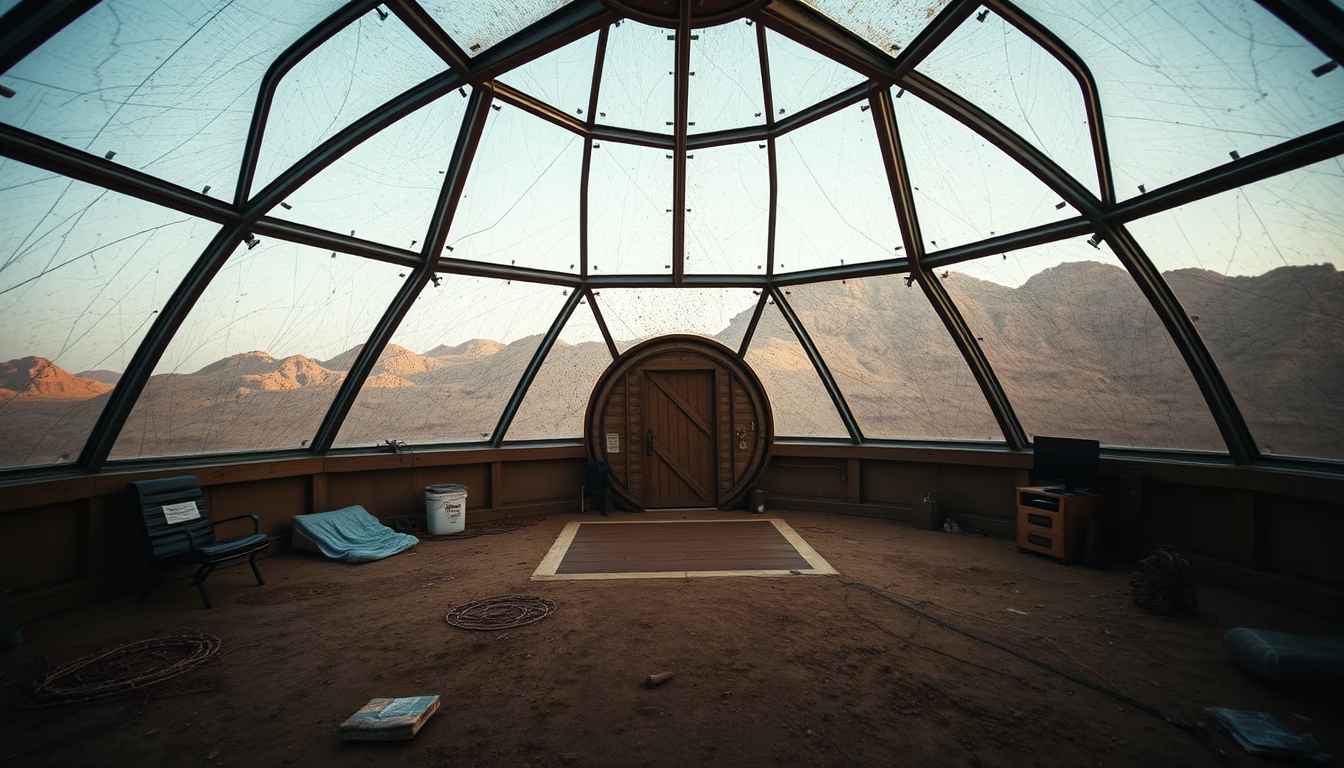
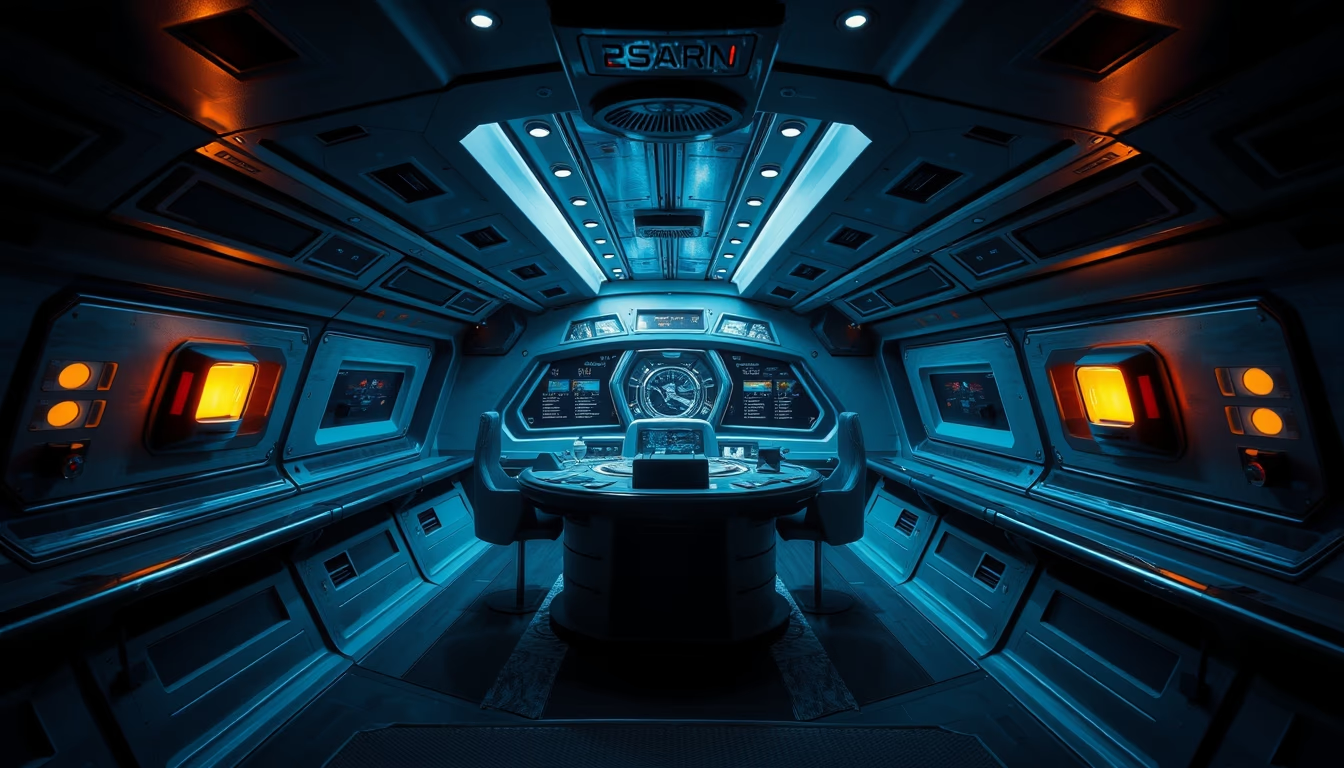
Futuristic space stations represent the next step in human exploration, combining modular technology, artificial habitats, and orbital sustainability.
About this subject
Space stations are structures designed to host humans in space for extended periods, serving as laboratories, launch platforms, and outposts. The International Space Station (ISS), operational since 1998, is the largest current example, orbiting at about 400 km altitude and hosting microgravity experiments. However, futuristic concepts go far beyond: lunar orbit stations (like NASA's Gateway), rotating habitats that create artificial gravity via centrifugal force, and 3D-printed structures from lunar regolith or asteroids are proposals studied by space agencies and private companies.
Companies like SpaceX, Blue Origin, and China's CNSA have announced plans for commercial and governmental stations in the coming decade. The Starlab project (Axiom Space) and China's Tiangong space station (completed in 2022) illustrate the diversification of space programs. Future stations could include total water and air recycling systems, hydroponic food cultivation, and radiation protection using magnetic fields or composite materials. Power would come from high-efficiency solar panels or compact nuclear reactors.
A recurring concept in science fiction, such as the Space Station V from 2001: A Space Odyssey or Deep Space Nine from Star Trek, influences engineers and architects to think about modular and expandable designs. In real life, NASA and ESA study inflatable habitats (like the BEAM module) and self-sustaining structures. The biggest challenge is maintaining human health in confined environments: exercise against bone loss, isolation psychology, and fresh food generation. Future stations could serve as waypoints for Mars missions or bases for asteroid mining.
Frequently Asked Questions
How do futuristic space stations with artificial gravity work?
Typically through rotating ring or cylinder structures. The rotation creates centrifugal force that pushes occupants against the outer wall, simulating gravity. Diameter and speed determine the strength.
What are the main challenges for building a space station beyond Earth orbit?
Cosmic radiation protection, constant solar (or nuclear) power supply, closed-loop life support with total recycling, and modular construction logistics via staged launches or 3D printing in situ.
Are there real projects for more advanced space stations than the ISS?
Yes. NASA is developing the Gateway for lunar orbit, and companies like Axiom Space plan commercial modules that will dock to the ISS before forming their own station. China already operates Tiangong, which is more modern than the ISS in some aspects.
Direct URL
https://pub-c7d6a6ea828543ac903a74a341ccb2e1.r2.dev/imagens/space-station-futuristic-studio-still-life-fresh16.avifHow to credit
Include a visible link back to UtilizAí. Copy one of the snippets below:
<a href="https://xn--utiliza-eza.com/en/midia/imagens/space-station-futuristic-studio-still-life-fresh16">Space station futuristic</a> by <a href="https://xn--utiliza-eza.com">UtilizAí</a>, licensed under <a href="https://creativecommons.org/licenses/by/4.0/">CC BY 4.0</a>.
[Space station futuristic](https://xn--utiliza-eza.com/en/midia/imagens/space-station-futuristic-studio-still-life-fresh16) by [UtilizAí](https://xn--utiliza-eza.com), CC BY 4.0
License: CC-BY-4.0