Space station futuristic
1344×768 · AVIF · CC BY 4.0

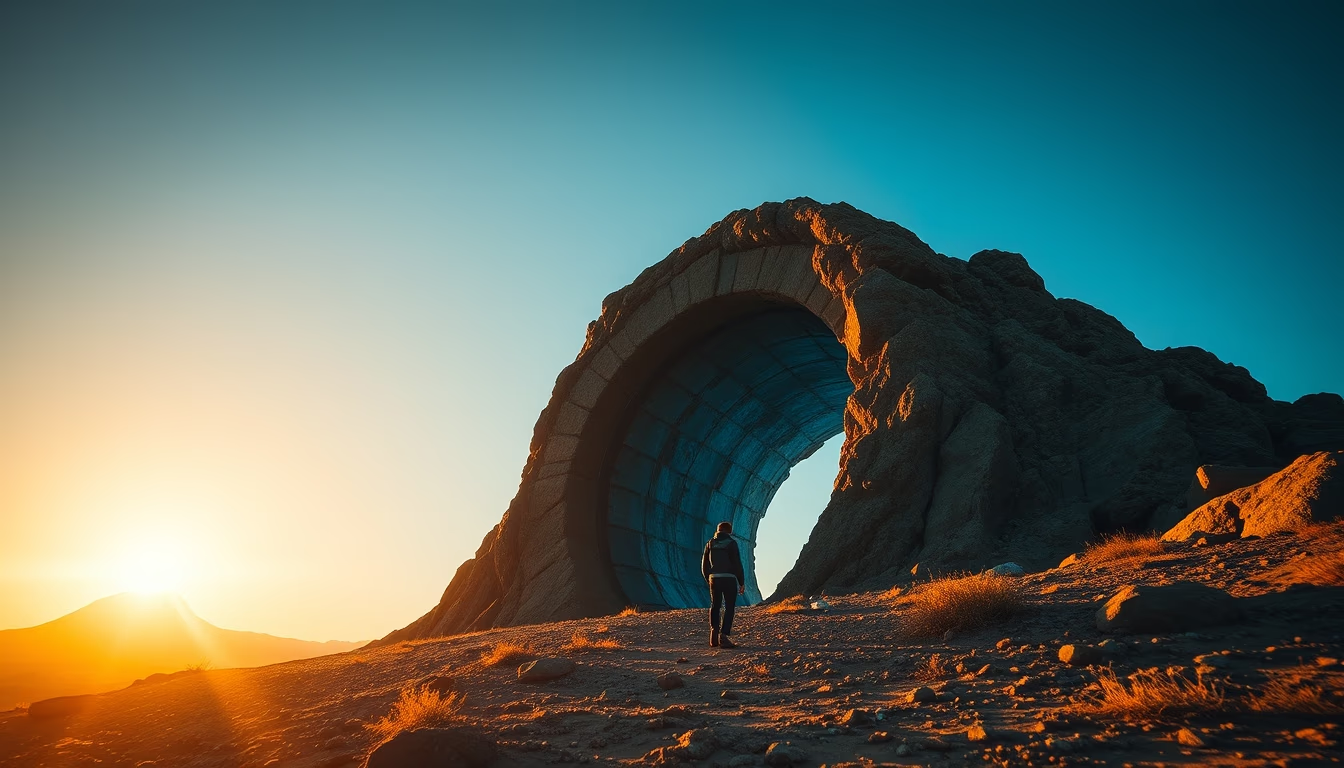
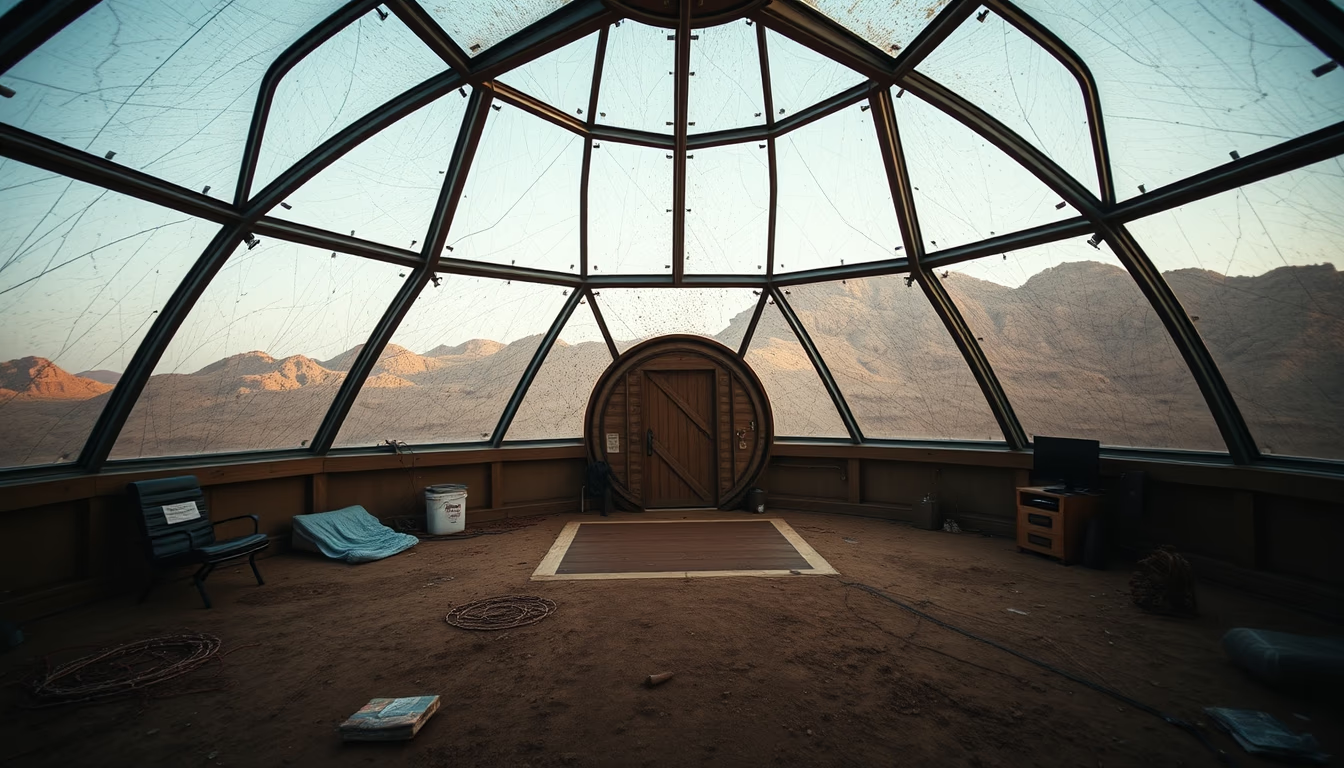
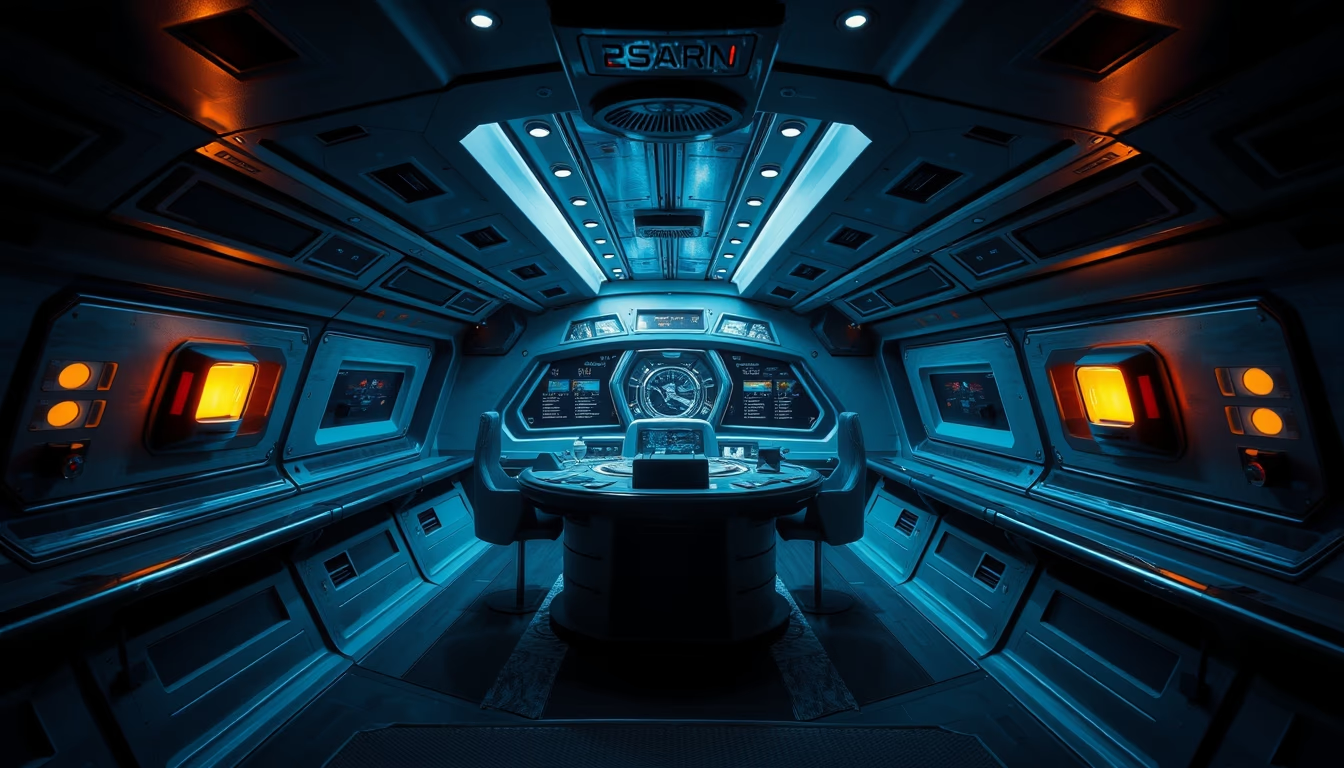
Futuristic space stations blend avant-garde design with cutting-edge technology for human habitation in deep space.
About this subject
Futuristic space stations represent the next step in space exploration, going beyond the International Space Station (ISS) toward self-sustaining habitats on the Moon, Mars, and beyond. Projects like NASA's Lunar Gateway, in partnership with international agencies, envision inflatable modules and closed-loop recycling systems. SpaceX, with its Starship, plans to build permanent bases on Mars, while China already operates the Tiangong station, which could inspire more advanced versions.
Station design focuses on maximum efficiency and crew comfort for long-duration missions. Concepts such as artificial gravity via rotation, hydroponic gardens for food production, and radiation shields are common. Bigelow Aerospace (now inactive) tested inflatable modules in space, which could be cheaper and more spacious. Modular architecture allows continuous expansion, with new modules docking as needed.
Life aboard a futuristic station would require radical adaptations: from zero gravity to psychological isolation. Virtual reality systems and green areas are proposed to mitigate stress. Water and air recycling is essential, using technologies like bioreactors and advanced filters. Manned missions to Mars, planned for the 2030s, will depend on stations like Starship or underground habitats for radiation protection.
Culturally, futuristic space stations populate the popular imagination in films like '2001: A Space Odyssey' and 'Interstellar', as well as series like 'The Expanse'. These depictions influence engineers and architects, who strive to turn fiction into reality. The space station is not merely a laboratory but a home for humanity in the cosmos.
Frequently Asked Questions
What are the main technical challenges in building a futuristic space station?
Key challenges include protection from cosmic radiation, closed-loop food production, highly efficient water and air recycling systems, and creating artificial gravity to prevent health issues in microgravity.
Are there real-world projects that approach the futuristic space station concept?
Yes, NASA and partners are developing the Lunar Gateway, an orbital lunar station with inflatable modules. SpaceX also plans to use the Starship as a base on Mars, and China is expanding its Tiangong station with scientific modules.
What would daily life for astronauts be like on a futuristic space station?
The routine would include physical exercise to counter bone and muscle loss, plant cultivation in greenhouses, virtual reality for recreation, and communication with Earth with delays of minutes to hours, depending on distance.
Direct URL
https://pub-c7d6a6ea828543ac903a74a341ccb2e1.r2.dev/imagens/space-station-futuristic-high-fashion-editorial-fresh12.avifHow to credit
Include a visible link back to UtilizAí. Copy one of the snippets below:
<a href="https://xn--utiliza-eza.com/en/midia/imagens/space-station-futuristic-high-fashion-editorial-fresh12">Space station futuristic</a> by <a href="https://xn--utiliza-eza.com">UtilizAí</a>, licensed under <a href="https://creativecommons.org/licenses/by/4.0/">CC BY 4.0</a>.
[Space station futuristic](https://xn--utiliza-eza.com/en/midia/imagens/space-station-futuristic-high-fashion-editorial-fresh12) by [UtilizAí](https://xn--utiliza-eza.com), CC BY 4.0
License: CC-BY-4.0