Solar farm aerial vast
1344×768 · AVIF · CC BY 4.0
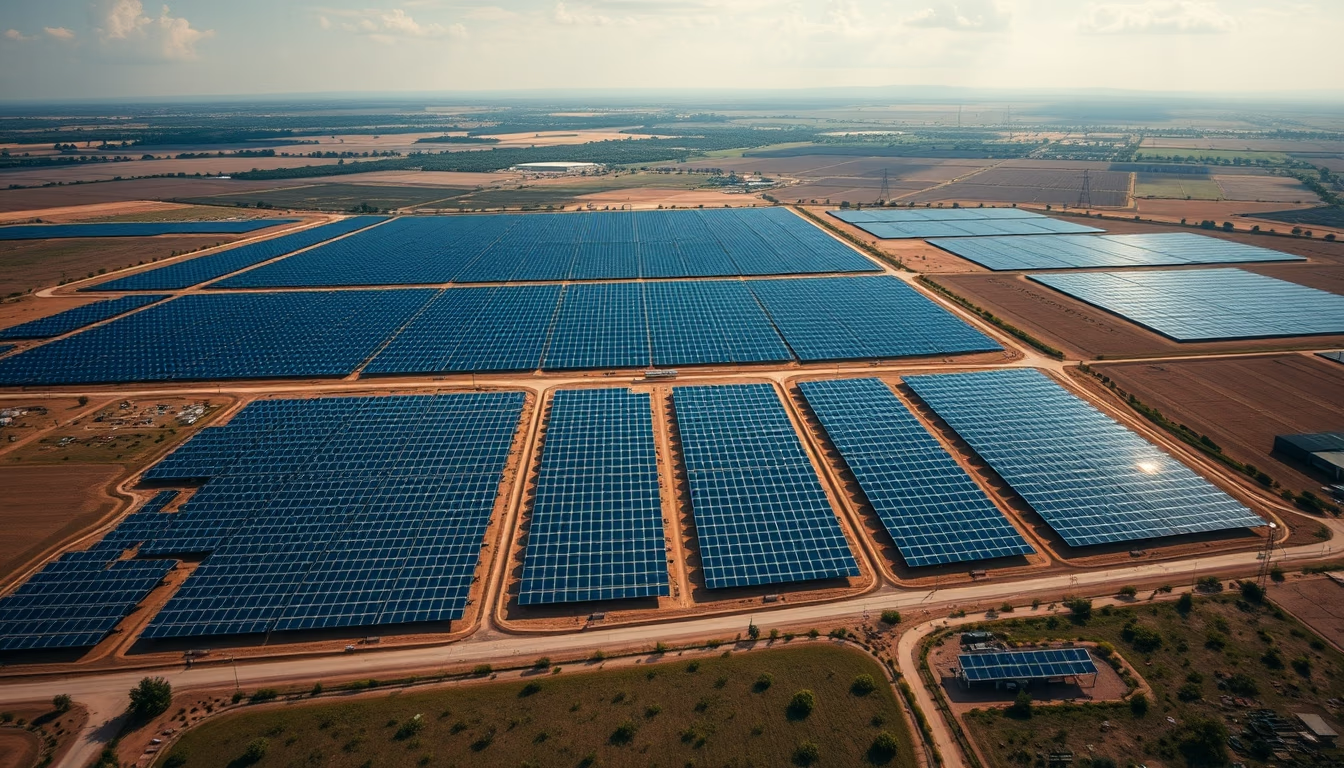
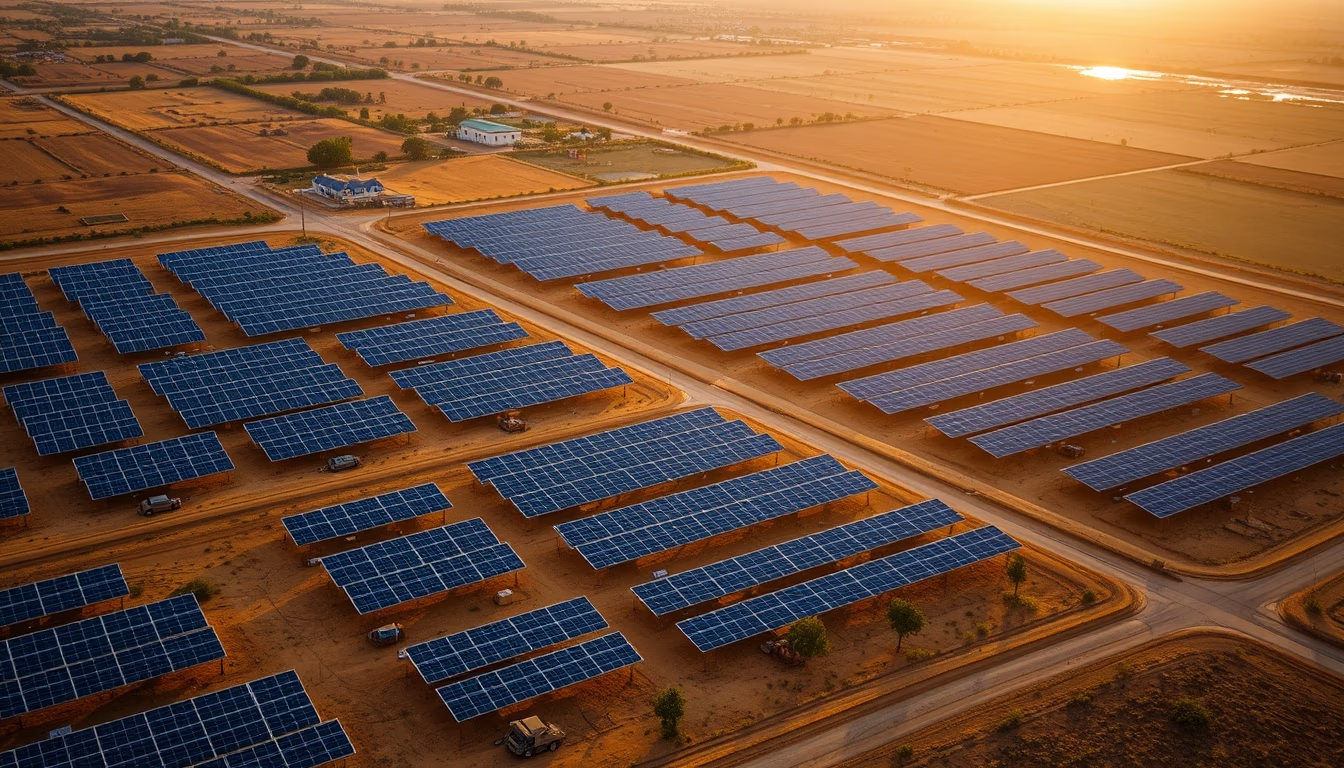
Aerial view of a vast solar farm highlights the scale of photovoltaic energy in combating climate change.
About this subject
Solar farms are large installations of photovoltaic panels that convert sunlight into electricity. Global solar capacity surpassed 1 terawatt in 2022, with countries like China, the United States, and India leading the expansion. These parks can cover hundreds of hectares, generating enough power to supply thousands of homes.
Technically, panels use silicon cells that produce direct current, converted to alternating current by inverters. Many farms adopt solar tracking systems that follow the sun, boosting efficiency by up to 25%. The average panel lifespan is 25 to 30 years, with gradual degradation.
Environmental impact is positive in reducing CO2 emissions, but requires large land areas. Solutions like agrivoltaics integrate panels with crops, optimizing land use. The fine art photography image reveals geometric patterns that transform the landscape into an expression of the global energy transition.
With the trending 2026 trend, solar energy is expected to double capacity, driven by innovations in storage and more efficient panels. This aerial photographic record documents that change, highlighting the aesthetics of sustainable infrastructure.
Frequently Asked Questions
How does a solar farm work?
A solar farm uses photovoltaic panels to capture sunlight and convert it into electricity. Panels are connected to inverters that convert direct current to alternating current, which is fed into the grid or stored in batteries.
What is the largest solar farm in the world?
Currently, the largest operational solar farm is Bhadla Solar Park in India, with a capacity of 2,245 MW. Other giants include the Mohammed bin Rashid Al Maktoum Solar Park in Dubai and the Tengger Desert Solar Park in China.
Are solar farms harmful to the environment?
While they occupy large areas, solar farms have low environmental impact compared to fossil fuels. They may affect local habitats, but practices like agrivoltaics and use of degraded land minimize harm. Energy generation is clean and renewable.
Direct URL
https://pub-c7d6a6ea828543ac903a74a341ccb2e1.r2.dev/imagens/solar-farm-aerial-vast-fine-art-photography-p3.avifHow to credit
Include a visible link back to UtilizAí. Copy one of the snippets below:
<a href="https://xn--utiliza-eza.com/en/midia/imagens/solar-farm-aerial-vast-fine-art-photography-p3">Solar farm aerial vast</a> by <a href="https://xn--utiliza-eza.com">UtilizAí</a>, licensed under <a href="https://creativecommons.org/licenses/by/4.0/">CC BY 4.0</a>.
[Solar farm aerial vast](https://xn--utiliza-eza.com/en/midia/imagens/solar-farm-aerial-vast-fine-art-photography-p3) by [UtilizAí](https://xn--utiliza-eza.com), CC BY 4.0
License: CC-BY-4.0