Ski poles modern
1344×768 · AVIF · CC BY 4.0
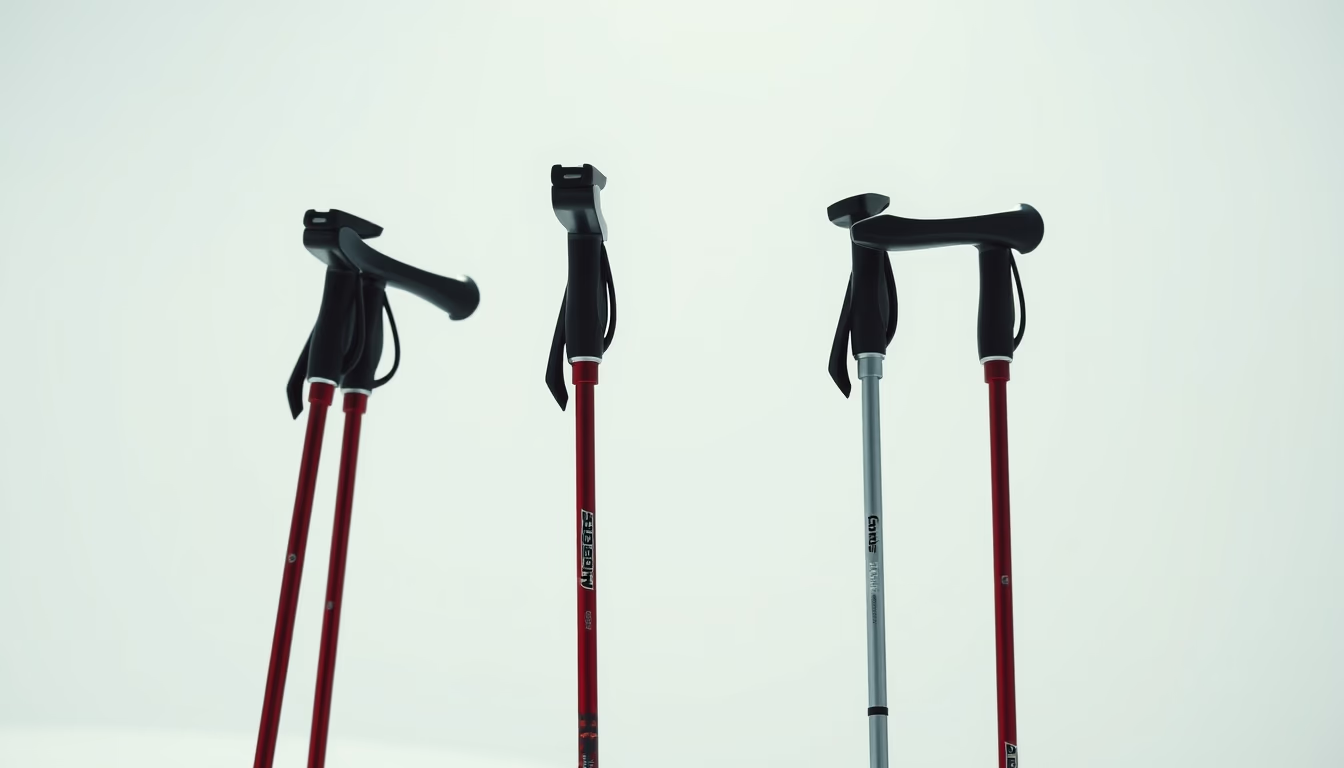
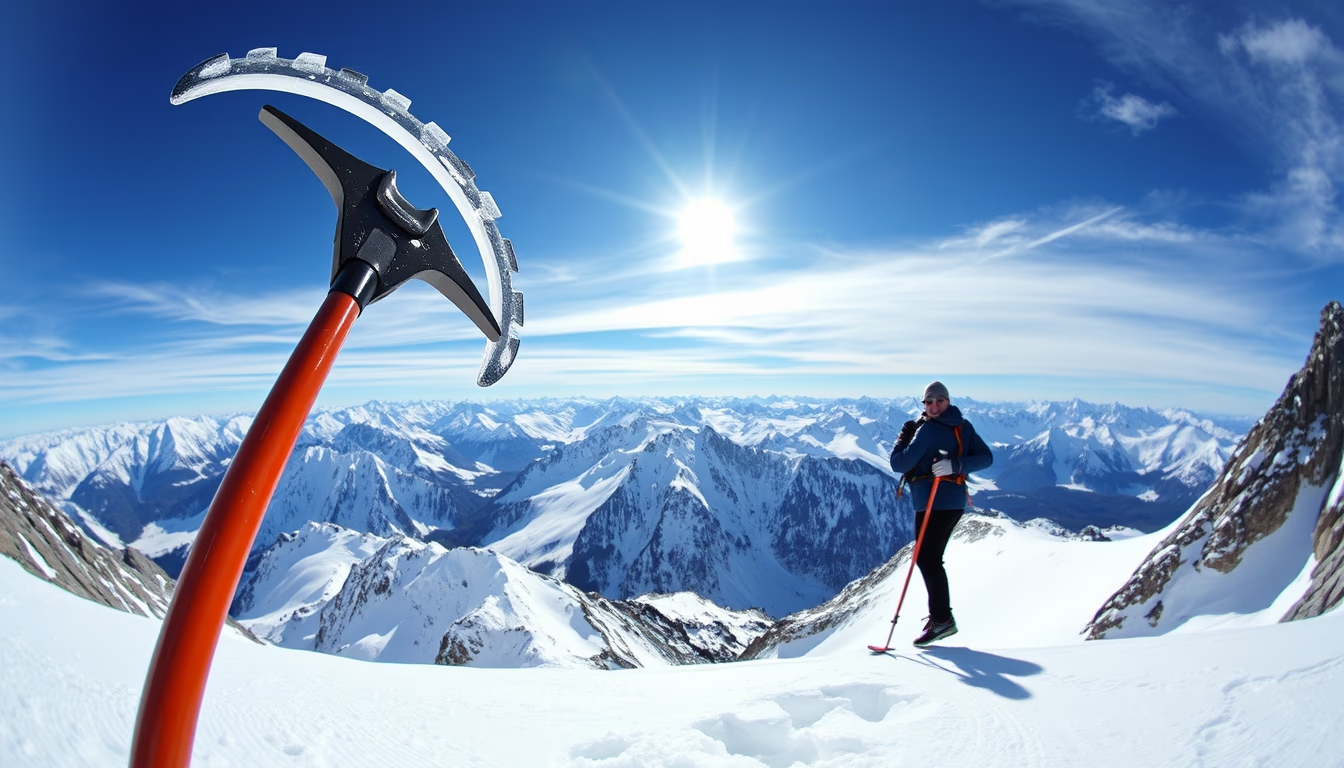
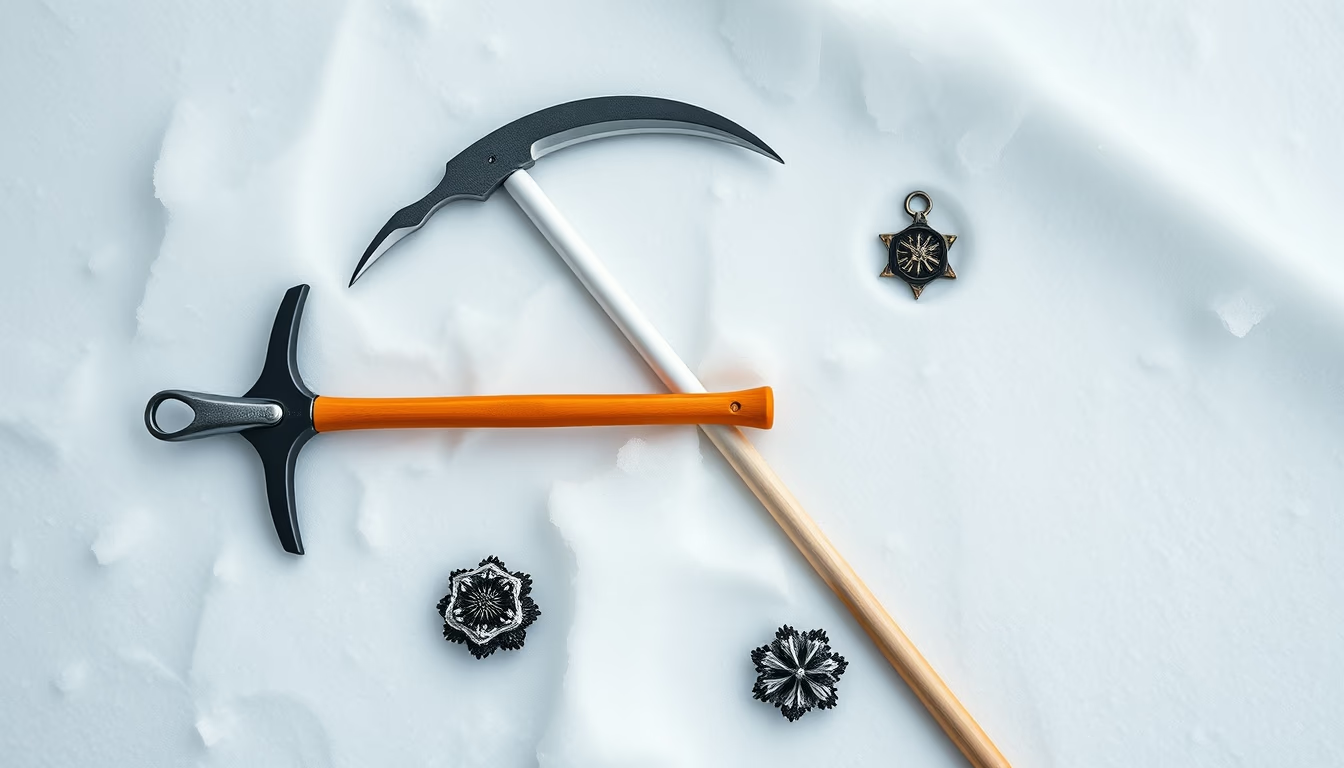
Modern ski poles combine lightweight materials and ergonomic design to enhance performance and safety on the slopes.
About this subject
Ski poles have evolved significantly since the early days of the sport. Today, they are predominantly made from carbon fiber or high-strength aluminum, offering lightness and durability. Carbon fiber, for instance, is used in competition models for its stiffness and low weight, while aluminum provides greater impact resistance at a lower cost. Modern grips feature ergonomic shapes and materials like rubber or cork, which absorb sweat and vibrations, ensuring comfort on long descents.
The geometry of poles has also changed: current models have specific angles in the grip and tip to optimize force transfer and snow penetration. Baskets are interchangeable, with varying diameters for powder or hardpack. Additionally, tool-free height adjustment systems, such as click or twist-lock, have become common, allowing skiers to quickly adapt the pole to terrain or technique.
In competitive skiing, poles are essential for propulsion and balance. In slalom and giant slalom events, athletes use shorter, stiffer poles to facilitate torso rotation. In cross-country and telemark skiing, poles are longer and lighter, often with specific shapes for deep snow. Length selection is crucial: generally calculated by subtracting 20 to 30 cm from the skier's height, adjusted according to the discipline.
Interestingly, modern design also incorporates impact-absorbing technologies, such as internal vibration-dampening systems, which reduce muscle fatigue. Brands like Leki and Swix invest in biomechanical research to create grips that align perfectly with the skier's hand. The trend is toward even lighter and more customizable poles, with integrated sensors for real-time performance analysis.
Frequently Asked Questions
What is the best material for beginner ski poles?
For beginners, aluminum is the best choice due to its impact resistance and lower cost. Although heavier than carbon fiber, it offers sufficient durability for learning and recreational use.
How do I choose the correct ski pole length?
The traditional length is calculated by subtracting 20 to 30 cm from your height. A practical method is to hold the pole upside down: gripping just below the basket, your elbow should form a 90-degree angle.
Are carbon fiber poles really better than aluminum?
Carbon fiber is lighter and stiffer, transferring force better and reducing fatigue. However, it is more expensive and prone to lateral impact damage. For competition or experienced skiers, carbon is advantageous; for general use, aluminum suffices.
Direct URL
https://pub-c7d6a6ea828543ac903a74a341ccb2e1.r2.dev/imagens/ski-poles-modern-minimalist-composition-fresh8.avifHow to credit
Include a visible link back to UtilizAí. Copy one of the snippets below:
<a href="https://xn--utiliza-eza.com/en/midia/imagens/ski-poles-modern-minimalist-composition-fresh8">Ski poles modern</a> by <a href="https://xn--utiliza-eza.com">UtilizAí</a>, licensed under <a href="https://creativecommons.org/licenses/by/4.0/">CC BY 4.0</a>.
[Ski poles modern](https://xn--utiliza-eza.com/en/midia/imagens/ski-poles-modern-minimalist-composition-fresh8) by [UtilizAí](https://xn--utiliza-eza.com), CC BY 4.0
License: CC-BY-4.0