Ski poles modern
1344×768 · AVIF · CC BY 4.0
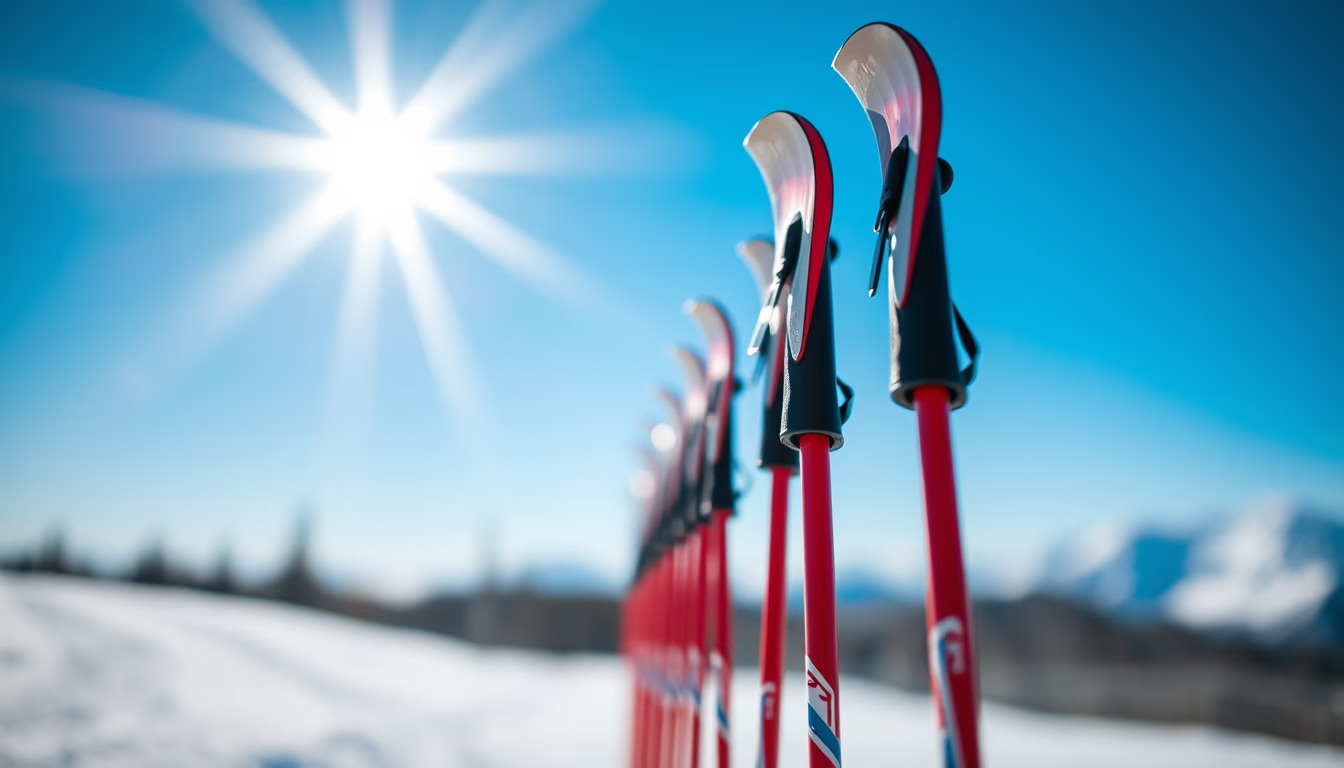
Modern ski poles combine lightweight materials, ergonomic designs, and customizable adjustments to enhance balance and propulsion on snow.
About this subject
Ski poles are essential equipment for skiing, used to maintain balance, assist in turns, and propel movement. Modern models, such as those shown in close-up, are mainly made of high-strength aluminum or carbon fiber, materials that offer lightness and durability. Aluminum is more affordable and impact-resistant, while carbon fiber provides greater lightness and vibration absorption, preferred by advanced skiers.
The design of poles has evolved significantly over the decades. Grips now feature ergonomic rubber or cork handles adapted to the hand's anatomy, with adjustable straps for security without overtightening. The tips are made of hardened steel with a conical shape to penetrate compact snow, and baskets prevent the pole from sinking too deep. Modern models also include shock-absorbing systems in the shaft to reduce joint impact.
In practice, the ideal pole length is based on the skier's height: for alpine skiing, the pole should touch the ground when the elbow forms a 90-degree angle with the folded arm. In cross-country skiing, poles are longer, reaching up to chin height. Proper technique involves keeping elbows close to the body and planting the pole near the corresponding foot, synchronizing arm and leg movements.
Interestingly, the first ski poles were made of bamboo or wood, used by Scandinavian peoples thousands of years ago. Modernization occurred in the 20th century with the introduction of aluminum and later composite materials. Today, innovations such as telescopic adjustable poles and designs specific to disciplines like telemark or freeride skiing cater to specialized needs, highlighting the importance of this accessory often underestimated by beginners.
Frequently Asked Questions
What is the best material for ski poles: aluminum or carbon fiber?
Aluminum is more impact-resistant and cheaper, ideal for beginners. Carbon fiber is lighter and absorbs vibrations, recommended for advanced skiers seeking performance.
How to choose the correct ski pole length?
In alpine skiing, the pole should touch the ground with the elbow bent at 90 degrees. In cross-country, the pole should reach chin height. Measure with ski boots on.
Do modern ski poles have safety features?
Yes, adjustable straps allow quick release in a fall to prevent thumb injuries. Proper basket size prevents the pole from sinking too deep into soft snow.
Direct URL
https://pub-c7d6a6ea828543ac903a74a341ccb2e1.r2.dev/imagens/ski-poles-modern-macro-closeup-fresh7.avifHow to credit
Include a visible link back to UtilizAí. Copy one of the snippets below:
<a href="https://xn--utiliza-eza.com/en/midia/imagens/ski-poles-modern-macro-closeup-fresh7">Ski poles modern</a> by <a href="https://xn--utiliza-eza.com">UtilizAí</a>, licensed under <a href="https://creativecommons.org/licenses/by/4.0/">CC BY 4.0</a>.
[Ski poles modern](https://xn--utiliza-eza.com/en/midia/imagens/ski-poles-modern-macro-closeup-fresh7) by [UtilizAí](https://xn--utiliza-eza.com), CC BY 4.0
License: CC-BY-4.0