Shrimp farm aerial
1344×768 · AVIF · CC BY 4.0
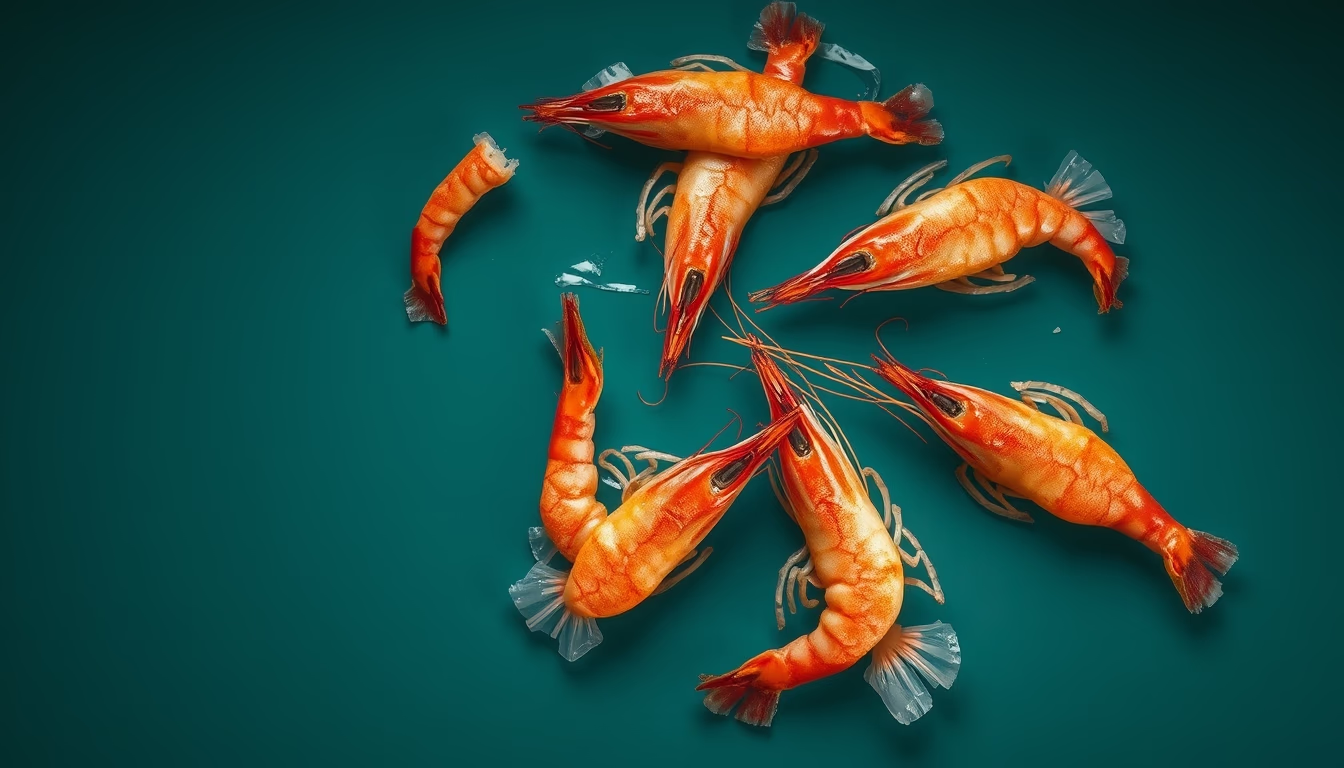
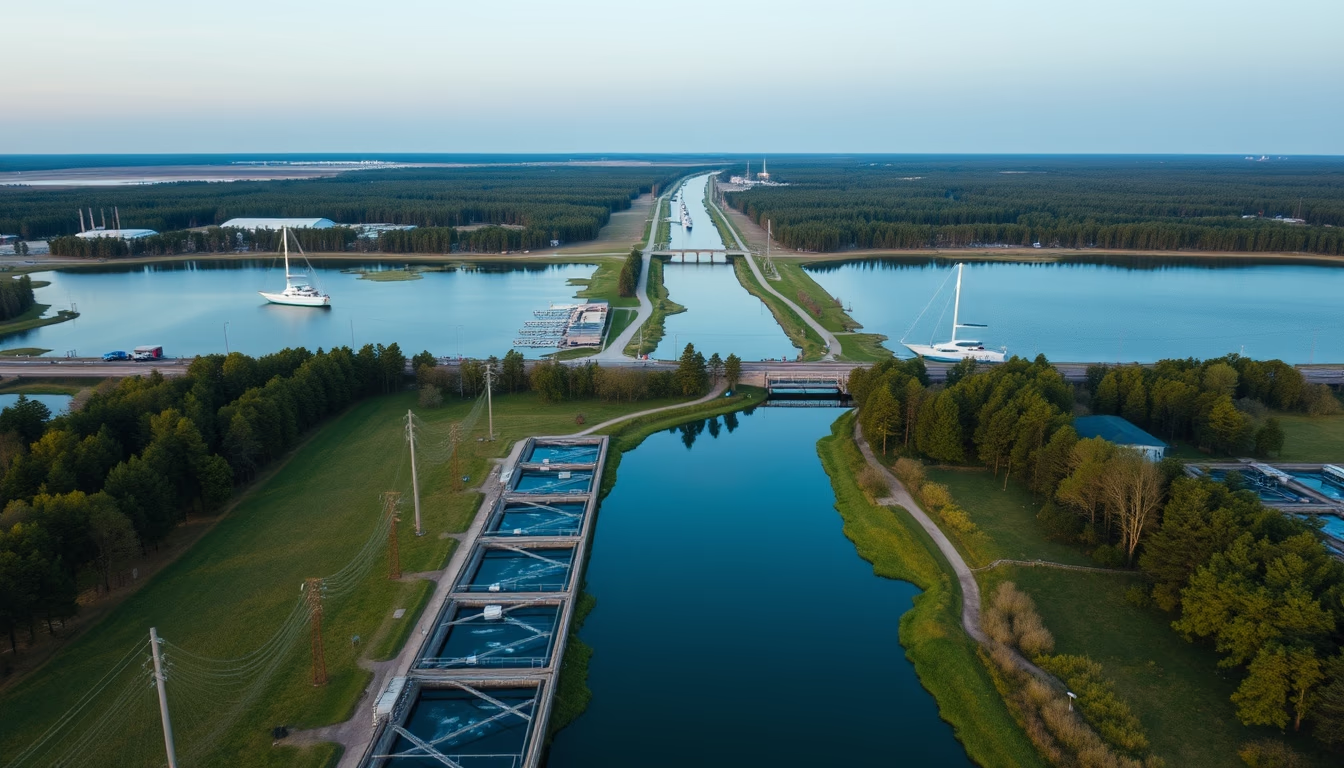
Large-scale shrimp farming seen from above: rectangular ponds for shrimp cultivation, a technique predominant in Northeast Brazil.
About this subject
Shrimp farming, or aquaculture of shrimp, has grown rapidly in Brazil since the 1990s, especially in the Northeast region. Farms are typically built in coastal areas with excavated ponds that mimic estuarine conditions. The most cultivated species is Litopenaeus vannamei, native to the Pacific, which adapts well to tropical climates.
Brazilian shrimp production exceeded 80 thousand tons in 2023, led by states like Rio Grande do Norte, Ceará, and Pernambuco. This industry creates thousands of jobs but faces environmental challenges such as soil salinization and aquifer contamination. Many farms now use recirculation systems and effluent treatment to reduce impacts.
Economically, Brazilian farmed shrimp is exported mainly to Europe, the United States, and Japan. Global demand for shrimp protein continues to rise, driving research into sustainable practices. An interesting fact is that shrimp can be raised in integrated systems with rice or tilapia, optimizing resource use.
The rectangular layout of ponds seen in aerial images is intentional: it facilitates water flow, automated feeding, and harvesting. Pond bottoms are sloped to concentrate animals during catch. The green water color indicates phytoplankton, which serves as natural feed and oxygenates the water.
Frequently Asked Questions
What is the difference between farmed and wild shrimp?
Farmed shrimp are raised in aquaculture ponds with controlled feed and management, while wild shrimp are caught in nature. Farmed shrimp are usually cheaper and more available, but may pose higher disease risks and local environmental impacts.
What are the main environmental impacts of shrimp farming?
Impacts include soil salinization, groundwater contamination from nutrient-rich effluents, mangrove deforestation for pond construction, and introduction of exotic species. Best management practices like water treatment and zoning can reduce these effects.
Which countries import Brazilian farmed shrimp?
Main destinations are Europe (Netherlands, Spain), the United States, and Japan. Brazil also exports to Middle Eastern and Asian countries, competing with Ecuador, India, and Vietnam.
Direct URL
https://pub-c7d6a6ea828543ac903a74a341ccb2e1.r2.dev/imagens/shrimp-farm-aerial-studio-still-life-fresh13.avifHow to credit
Include a visible link back to UtilizAí. Copy one of the snippets below:
<a href="https://xn--utiliza-eza.com/en/midia/imagens/shrimp-farm-aerial-studio-still-life-fresh13">Shrimp farm aerial</a> by <a href="https://xn--utiliza-eza.com">UtilizAí</a>, licensed under <a href="https://creativecommons.org/licenses/by/4.0/">CC BY 4.0</a>.
[Shrimp farm aerial](https://xn--utiliza-eza.com/en/midia/imagens/shrimp-farm-aerial-studio-still-life-fresh13) by [UtilizAí](https://xn--utiliza-eza.com), CC BY 4.0
License: CC-BY-4.0