Shrimp farm aerial
1344×768 · AVIF · CC BY 4.0
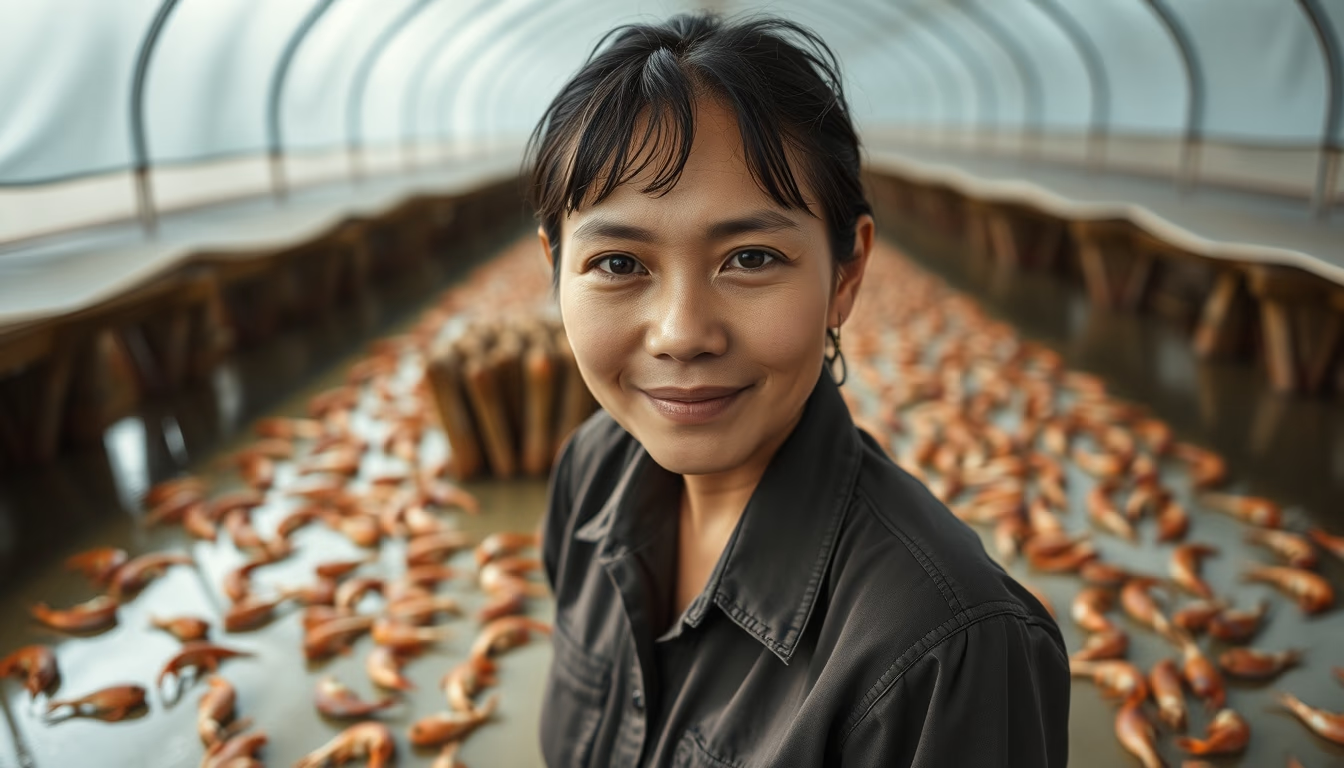
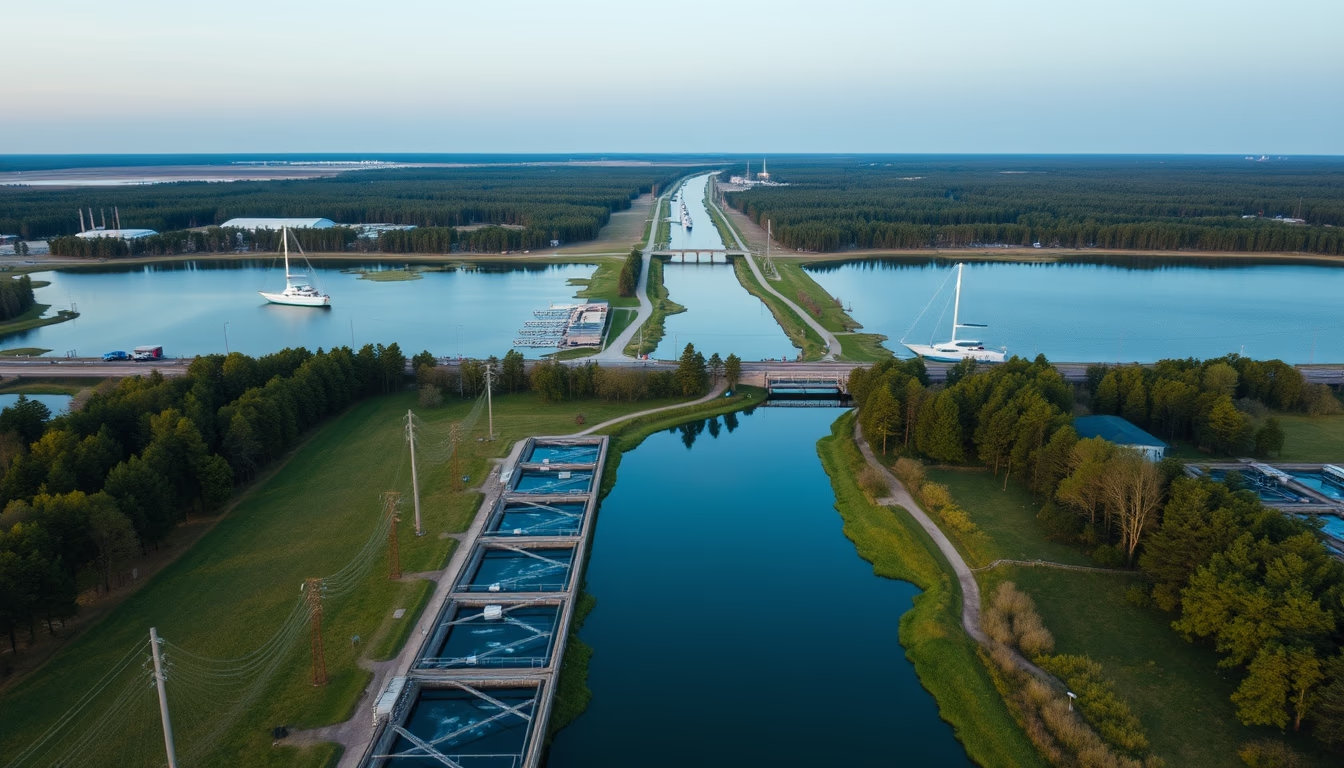
Aerial view of a shrimp farm: rectangular ponds in a tropical coastal zone reveal the scale of modern aquaculture.
About this subject
Shrimp farming, the cultivation of shrimp in captivity, is one of the fastest-growing aquaculture sectors worldwide. The shrimp farm seen in this aerial view is typically located in tropical or subtropical coastal zones, where warm temperatures allow year-round production. Brazil is a major producer in Latin America, with the northeastern states of Rio Grande do Norte, Ceará, and Pernambuco leading the sector. In these areas, large tracts of land are converted into excavated ponds, supplied with seawater or brackish water.
Farming systems range from extensive, with low stocking densities and minimal environmental control, to intensive, which use high densities, mechanical aerators, and formulated feed. The most commonly farmed species globally is the Pacific white shrimp (Litopenaeus vannamei), known for its tolerance to varying salinities. Global farmed shrimp production exceeds 5 million metric tons annually, with China, Indonesia, Vietnam, and Ecuador as top producers.
Despite its economic importance and job creation, shrimp farming faces significant environmental challenges. Mangrove deforestation to build ponds, antibiotic use, and effluent pollution are common criticisms. In response, certifications like the Aquaculture Stewardship Council (ASC) have been developed to promote sustainable practices, such as preserving mangrove buffers and treating wastewater before discharge.
Interestingly, shrimp is the most traded seafood commodity by value, and demand continues to rise. Innovations like biofloc technology (closed recirculating systems) and inland low-salinity farming are reducing environmental impacts and expanding production to areas previously considered unsuitable.
Frequently Asked Questions
What is a shrimp farm?
It is an aquaculture facility where shrimp are raised in controlled ponds or tanks, typically in coastal areas, for commercial food production.
What are the main environmental impacts of shrimp farming?
The main impacts include mangrove deforestation, water pollution from nutrient-rich effluents, and antibiotic use that can affect surrounding ecosystems.
Is shrimp farming sustainable?
It can be, if best management practices are adopted, such as recirculating systems, mangrove preservation, and certifications like ASC. Sustainability depends on the method and location of the farm.
Direct URL
https://pub-c7d6a6ea828543ac903a74a341ccb2e1.r2.dev/imagens/shrimp-farm-aerial-studio-editorial-portrait-fresh1.avifHow to credit
Include a visible link back to UtilizAí. Copy one of the snippets below:
<a href="https://xn--utiliza-eza.com/en/midia/imagens/shrimp-farm-aerial-studio-editorial-portrait-fresh1">Shrimp farm aerial</a> by <a href="https://xn--utiliza-eza.com">UtilizAí</a>, licensed under <a href="https://creativecommons.org/licenses/by/4.0/">CC BY 4.0</a>.
[Shrimp farm aerial](https://xn--utiliza-eza.com/en/midia/imagens/shrimp-farm-aerial-studio-editorial-portrait-fresh1) by [UtilizAí](https://xn--utiliza-eza.com), CC BY 4.0
License: CC-BY-4.0