Shrimp farm aerial
1344×768 · AVIF · CC BY 4.0
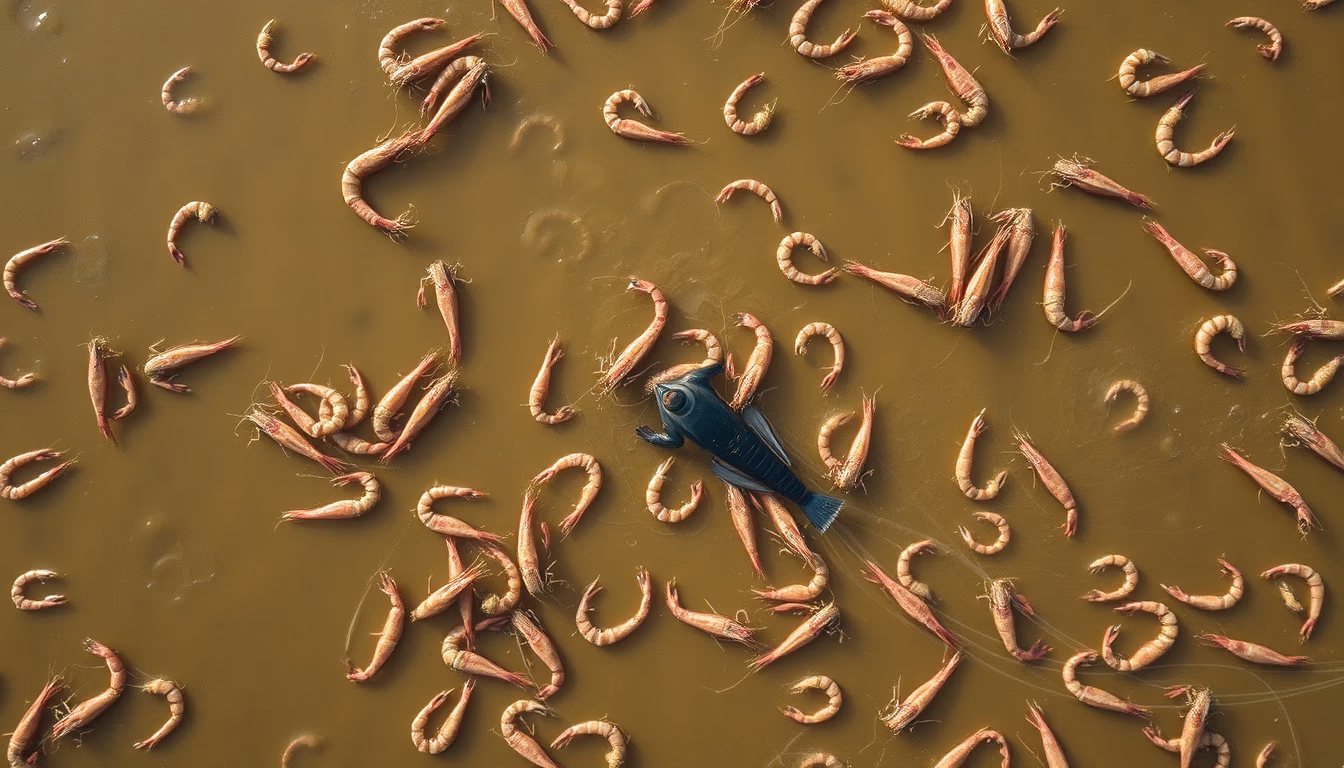
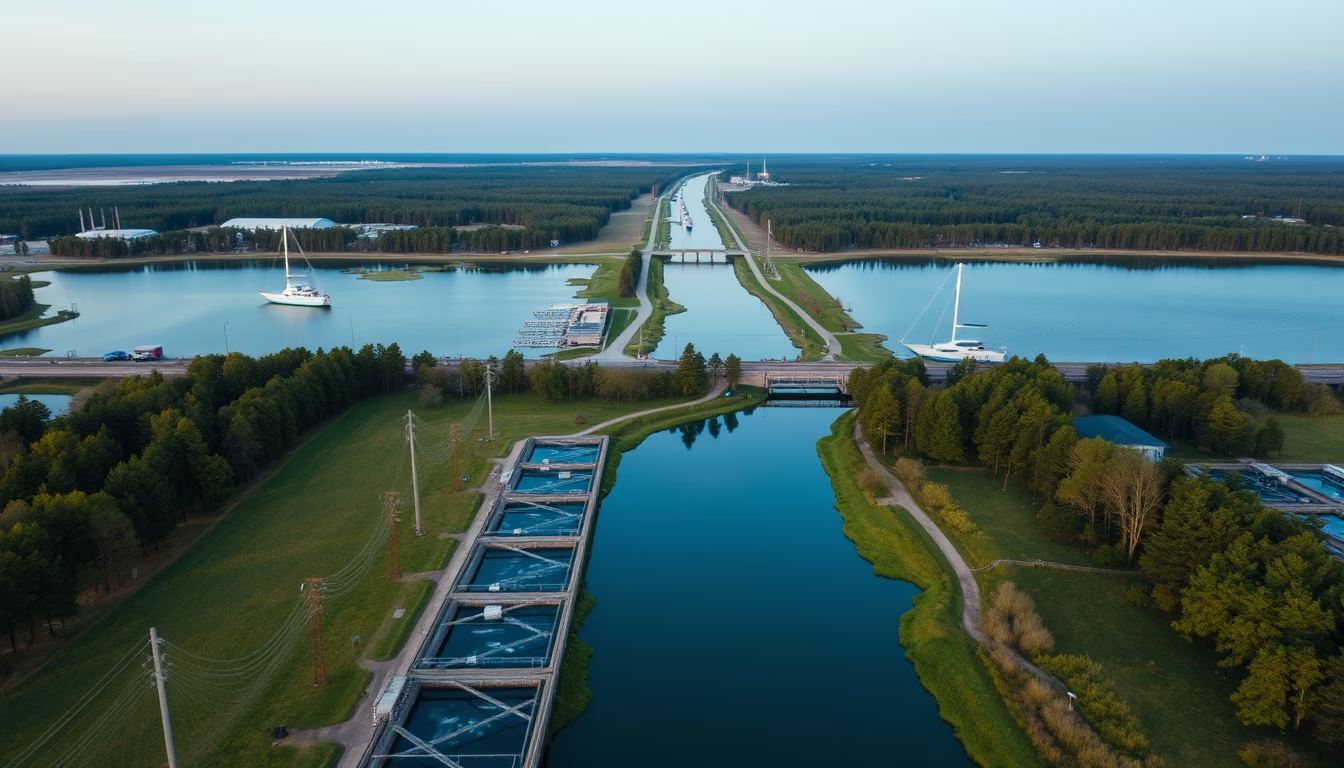
Aerial view of a shrimp farm, showing rectangular cultivation ponds. Shrimp aquaculture is a multi-billion dollar global industry.
About this subject
Shrimp farming, or aquaculture of shrimp, is one of the fastest-growing food production sectors worldwide. The rectangular ponds seen in the image are typical of semi-intensive or intensive systems, common in countries such as Brazil, Ecuador, Thailand, Vietnam, and Indonesia. Brazil's Northeast region (Rio Grande do Norte, Ceará, Pernambuco) is a major producer, primarily raising Litopenaeus vannamei (Pacific white shrimp).
Global farmed shrimp production exceeds 5 million metric tons annually, generating significant economic value and employment. However, environmental concerns include mangrove deforestation for pond construction, antibiotic use, and nutrient-rich effluent discharge. Certification programs like the Aquaculture Stewardship Council (ASC) promote best practices such as water treatment and closed-loop systems like biofloc technology.
The industry expanded rapidly in the 1980s and 1990s, driven by high international demand. Asian countries dominate production, with China accounting for about one-third of the total. In Brazil, challenges include diseases like white spot syndrome and competition with wild-caught shrimp. Despite these issues, shrimp aquaculture is considered a means to alleviate pressure on wild stocks, provided it is managed sustainably.
Frequently Asked Questions
What is the difference between extensive, semi-intensive, and intensive shrimp farming?
Extensive farming uses low stocking densities and natural feed. Semi-intensive adds artificial feed and higher densities. Intensive systems involve full water quality control, aeration, and high densities, requiring more investment and management.
What are the main environmental impacts of shrimp farming?
Key impacts include mangrove deforestation for pond construction, water pollution from nutrient-rich effluents, antibiotic use, and the risk of non-native species escaping into local ecosystems.
Is Brazil a major producer of farmed shrimp?
Yes, Brazil is one of the top Western producers, especially in the states of Rio Grande do Norte, Ceará, and Pernambuco. Annual production is about 90,000 tons, mainly for domestic consumption and export to Europe and the United States.
Direct URL
https://pub-c7d6a6ea828543ac903a74a341ccb2e1.r2.dev/imagens/shrimp-farm-aerial-minimalist-composition-fresh4.avifHow to credit
Include a visible link back to UtilizAí. Copy one of the snippets below:
<a href="https://xn--utiliza-eza.com/en/midia/imagens/shrimp-farm-aerial-minimalist-composition-fresh4">Shrimp farm aerial</a> by <a href="https://xn--utiliza-eza.com">UtilizAí</a>, licensed under <a href="https://creativecommons.org/licenses/by/4.0/">CC BY 4.0</a>.
[Shrimp farm aerial](https://xn--utiliza-eza.com/en/midia/imagens/shrimp-farm-aerial-minimalist-composition-fresh4) by [UtilizAí](https://xn--utiliza-eza.com), CC BY 4.0
License: CC-BY-4.0