Shrimp farm aerial
1344×768 · AVIF · CC BY 4.0
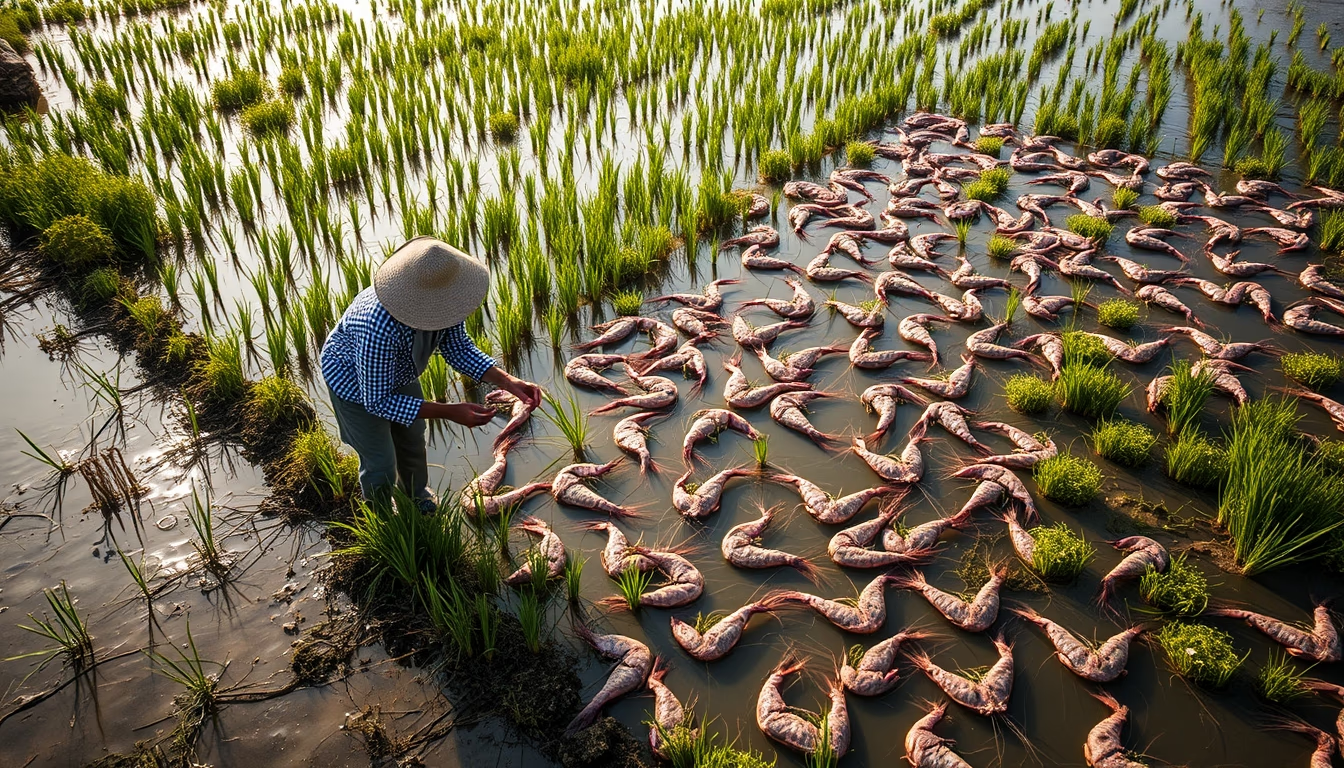
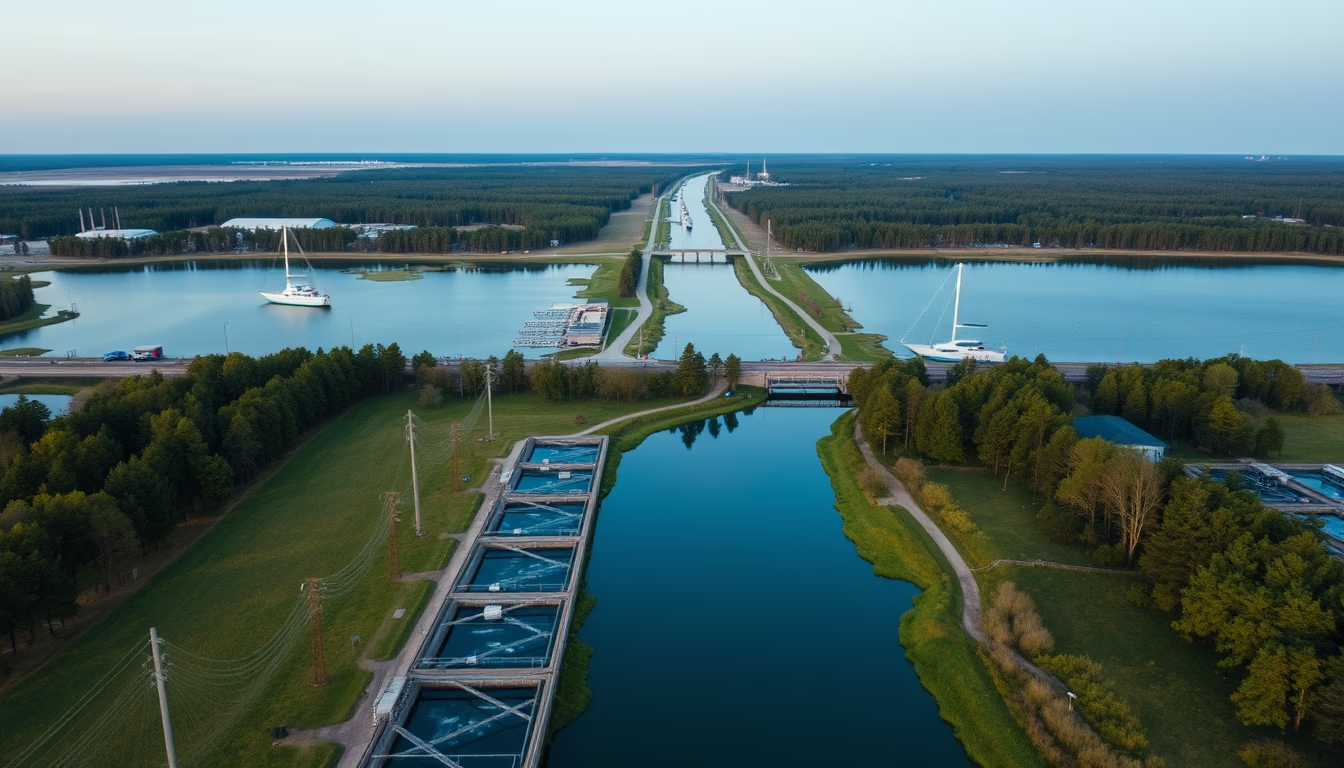
Shrimp farms seen from above reveal the scale of global aquaculture, a multibillion-dollar industry feeding millions of people.
About this subject
Shrimp farming, also known as penaeid aquaculture, is one of the fastest-growing food production sectors worldwide. The farms, typically situated in tropical and subtropical coastal zones, are easily spotted in aerial photographs due to their rectangular ponds and intricate networks of supply and drainage canals. Brazil, particularly the Northeast region (states like Rio Grande do Norte, Ceará, and Paraíba), is a major Western producer, largely cultivating the Pacific white shrimp (Litopenaeus vannamei).
Asia dominates global production, accounting for over 80% of the total, led by China, Thailand, Vietnam, and Indonesia. Ponds range from small family-run operations to massive industrial complexes covering hundreds of hectares. Intensive systems may stock more than 100 shrimp per square meter, requiring mechanical aeration and strict water quality management. The typical grow-out cycle lasts 90 to 120 days, after which ponds are drained for harvest.
Environmental concerns surround shrimp farming, chiefly mangrove deforestation for pond construction, notably in Indonesia and Ecuador. Sustainable practices are emerging, including biofloc technology (BFT) systems and integrated mangrove-shrimp farming. Certification schemes like the Aquaculture Stewardship Council (ASC) aim to promote ecological responsibility and social welfare.
Aesthetically, aerial views of shrimp farms create striking geometric patterns, grids of ponds and canals that, under certain lighting, resemble abstract paintings or pixel art. This visual appeal has made aquaculture farm imagery a niche in fine art photography and digital galleries, blending industrial documentation with creative expression.
Frequently Asked Questions
What are the main environmental impacts of shrimp farming?
Key impacts include mangrove deforestation for pond construction, nutrient pollution from effluents causing eutrophication, and salinization of soil and groundwater. Sustainable systems like biofloc and ASC certification aim to reduce these effects.
Where is the largest shrimp production area in Brazil?
The Northeast region of Brazil, particularly the states of Rio Grande do Norte, Ceará, and Paraíba, holds the largest concentration of shrimp farms. The tropical climate, calm waters, and port infrastructure support the industry.
How long does it take for farmed shrimp to reach market size?
In intensive systems, the Pacific white shrimp (Litopenaeus vannamei) reaches market size (around 12, 15 grams) in 90 to 120 days, depending on water temperature and management practices.
Direct URL
https://pub-c7d6a6ea828543ac903a74a341ccb2e1.r2.dev/imagens/shrimp-farm-aerial-fine-art-photography-fresh5.avifHow to credit
Include a visible link back to UtilizAí. Copy one of the snippets below:
<a href="https://xn--utiliza-eza.com/en/midia/imagens/shrimp-farm-aerial-fine-art-photography-fresh5">Shrimp farm aerial</a> by <a href="https://xn--utiliza-eza.com">UtilizAí</a>, licensed under <a href="https://creativecommons.org/licenses/by/4.0/">CC BY 4.0</a>.
[Shrimp farm aerial](https://xn--utiliza-eza.com/en/midia/imagens/shrimp-farm-aerial-fine-art-photography-fresh5) by [UtilizAí](https://xn--utiliza-eza.com), CC BY 4.0
License: CC-BY-4.0