Shrimp farm aerial
1344×768 · AVIF · CC BY 4.0
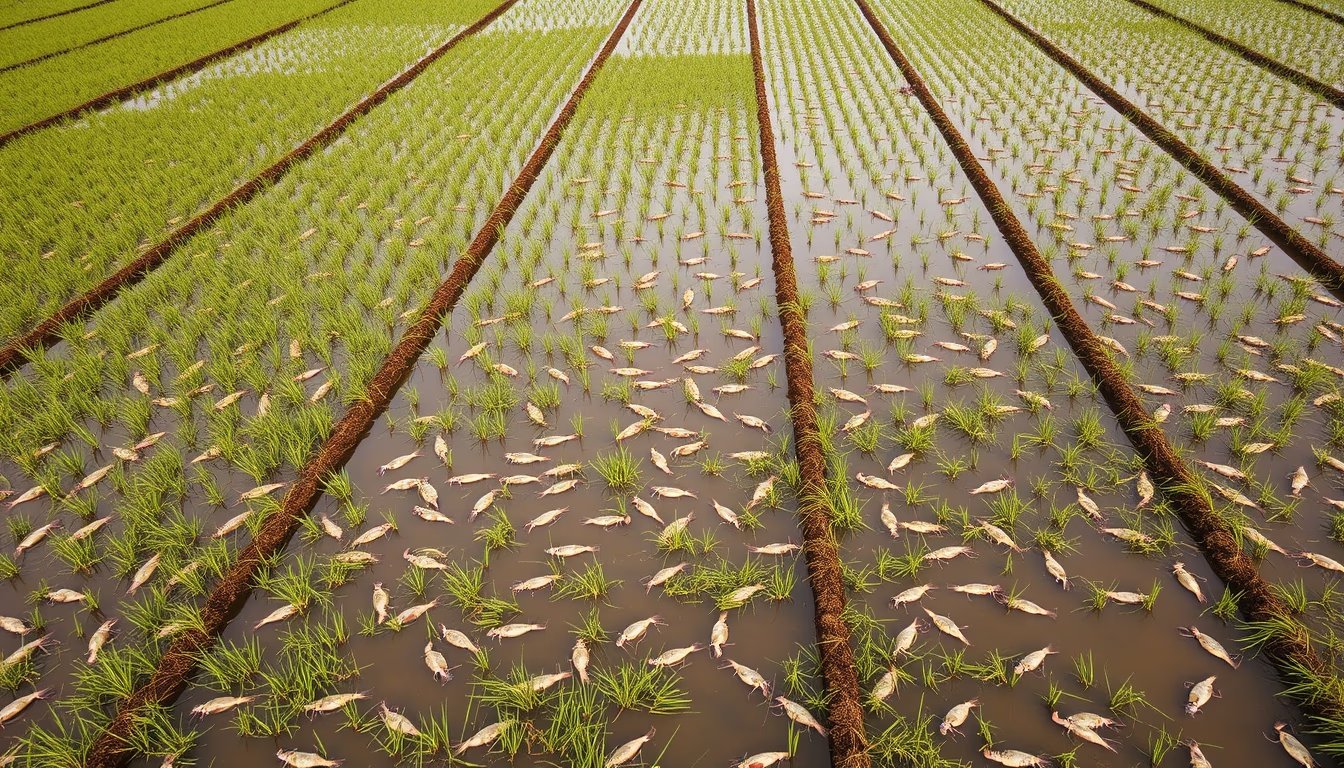
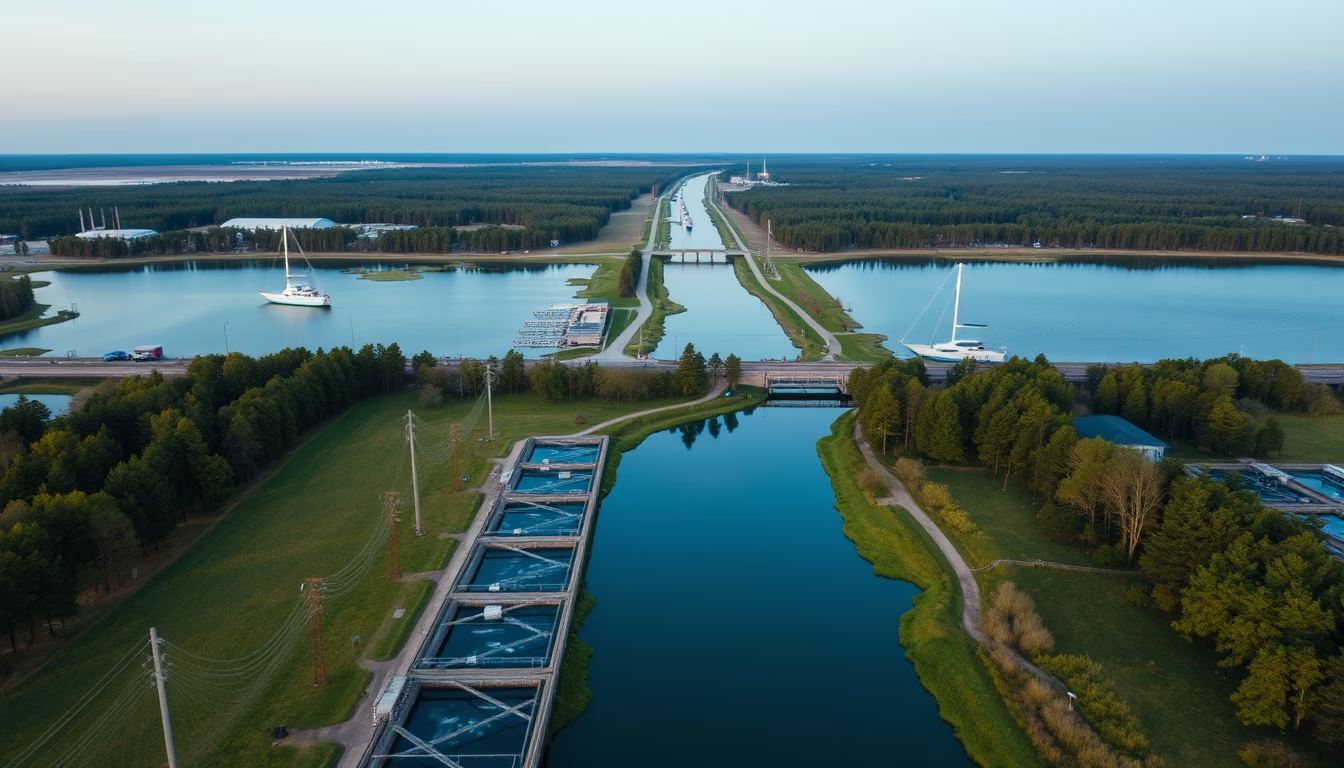
Aerial view of a shrimp farm reveals the scale of shrimp aquaculture, a global billion-dollar industry facing environmental and health challenges.
About this subject
Shrimp farming, or shrimp aquaculture, is one of the fastest-growing animal food production sectors, with annual global output exceeding 5 million metric tons. The leading producers are in Asia, with Thailand, Vietnam, China, India, and Indonesia accounting for over 80% of total production. In Latin America, Ecuador and Brazil have significant industries, with farms often spanning hundreds of hectares and located in coastal zones and mangrove areas.
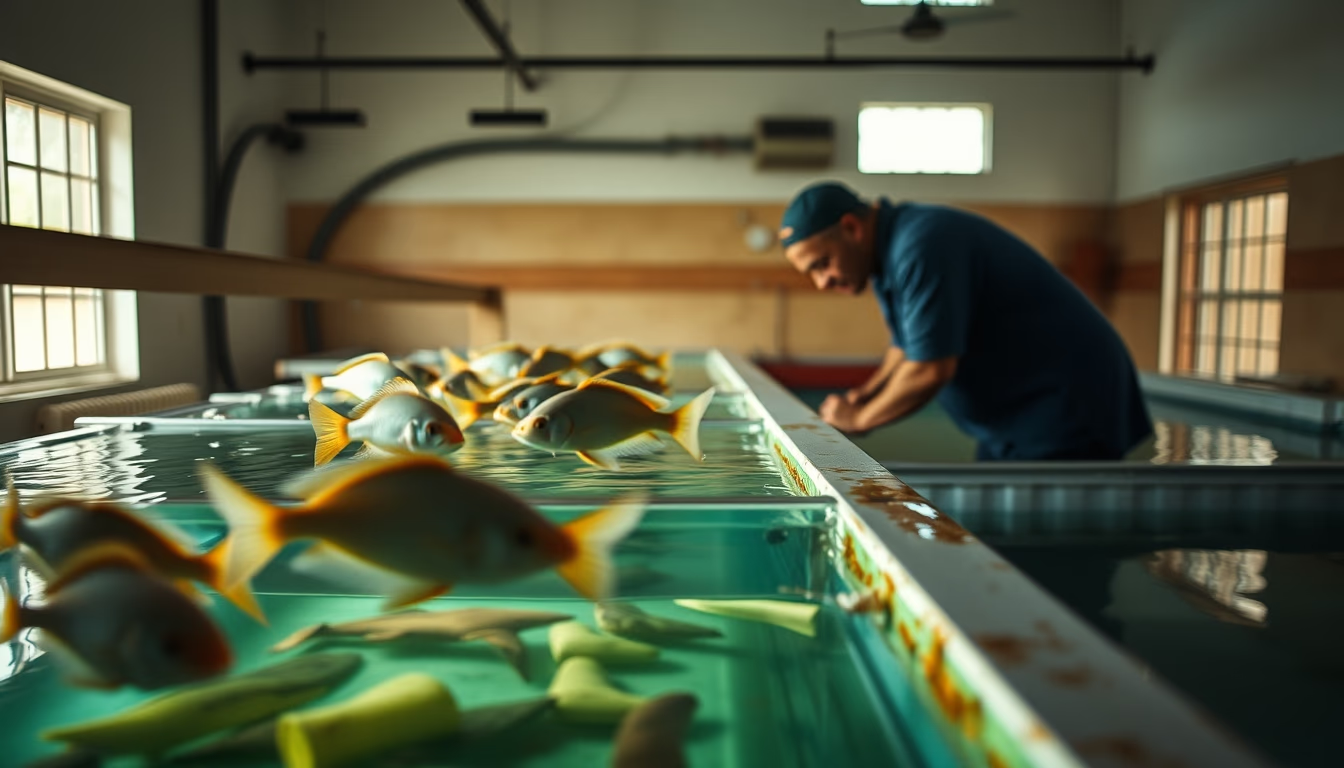
Cultivation systems range from extensive (low density, minimal inputs) to intensive and super-intensive methods using lined ponds, aeration, and strict water quality control. The Pacific white shrimp (Litopenaeus vannamei) is the dominant species due to its resilience and fast growth. The production cycle lasts roughly 90 to 120 days, and harvest is typically done by draining ponds or using nets.
The rapid expansion of shrimp farming has raised environmental concerns. Conversion of mangroves into ponds has destroyed critical habitats and reduced ecosystem services. Heavy use of feed and fertilizers can cause eutrophication in nearby water bodies. Disease outbreaks, such as white spot syndrome virus (WSSV) and infectious hypodermal and hematopoietic necrosis (IHHNV), have caused billion-dollar losses and spurred adoption of better management practices and certifications like ASC and BAP.
Economically, shrimp is one of the most valuable aquaculture commodities, generating billions in international trade. The United States, European Union, and Japan are the largest importers. Brazil produces around 60,000 tons per year, mostly in the Northeast. The supply chain provides jobs in low-HDI regions, but long-term sustainability hinges on technological innovation, environmental stewardship, and traceability.
Frequently Asked Questions
Which country is the largest shrimp producer in the world?
China is the largest producer, followed by India, Vietnam, Indonesia, and Thailand. These five countries account for the majority of global farmed shrimp output.
What are the main environmental impacts of shrimp farms?
Key impacts include mangrove deforestation, water pollution from nutrient-rich effluents, antibiotic use, and introduction of non-native species. Disease outbreaks can also affect wild populations.
How can I tell farmed shrimp from wild shrimp?
Farmed shrimp often have a milder flavor and firmer texture, and are usually cheaper. Look for certifications like ASC (Aquaculture Stewardship Council) on packaging for responsible farming, or labels indicating wild-caught origin.
Direct URL
https://pub-c7d6a6ea828543ac903a74a341ccb2e1.r2.dev/imagens/shrimp-farm-aerial-documentary-nature-style-fresh8.avifHow to credit
Include a visible link back to UtilizAí. Copy one of the snippets below:
<a href="https://xn--utiliza-eza.com/en/midia/imagens/shrimp-farm-aerial-documentary-nature-style-fresh8">Shrimp farm aerial</a> by <a href="https://xn--utiliza-eza.com">UtilizAí</a>, licensed under <a href="https://creativecommons.org/licenses/by/4.0/">CC BY 4.0</a>.
[Shrimp farm aerial](https://xn--utiliza-eza.com/en/midia/imagens/shrimp-farm-aerial-documentary-nature-style-fresh8) by [UtilizAí](https://xn--utiliza-eza.com), CC BY 4.0
License: CC-BY-4.0