Shrimp farm aerial
1344×768 · AVIF · CC BY 4.0
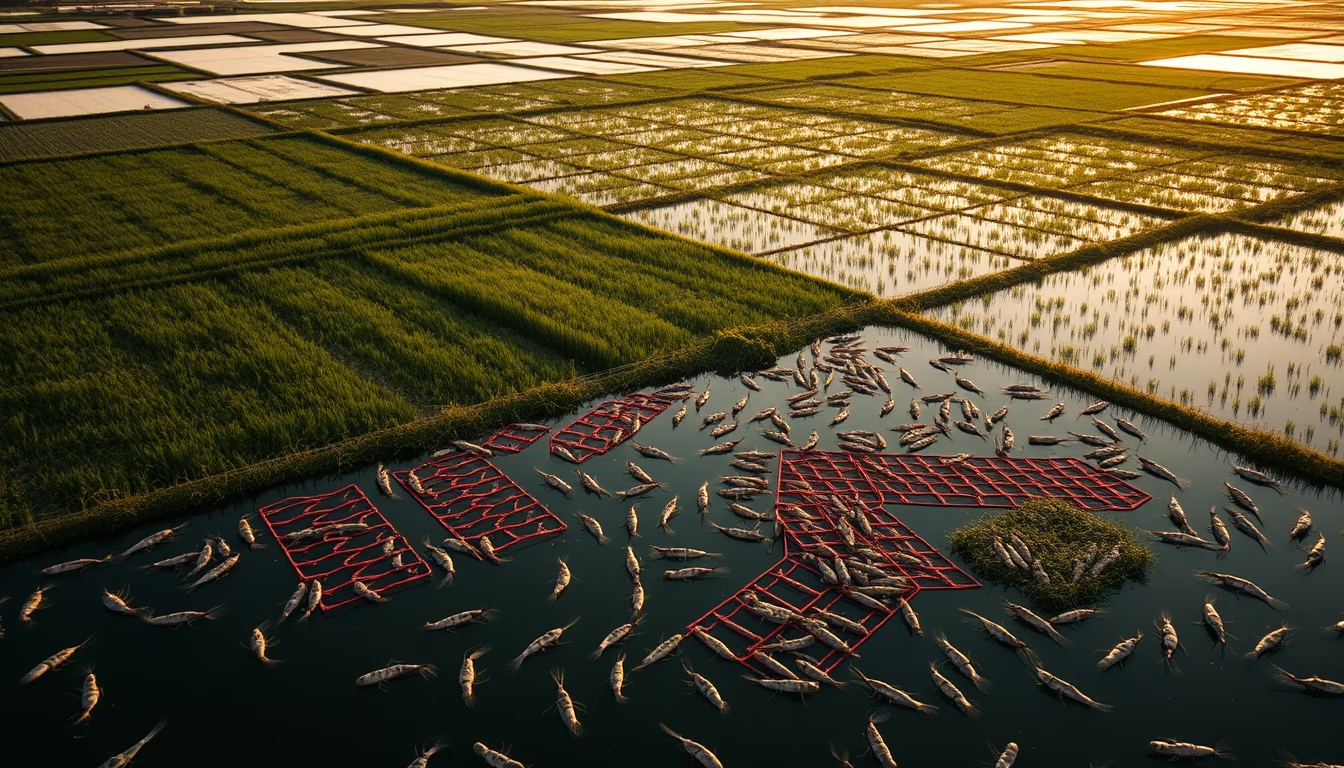
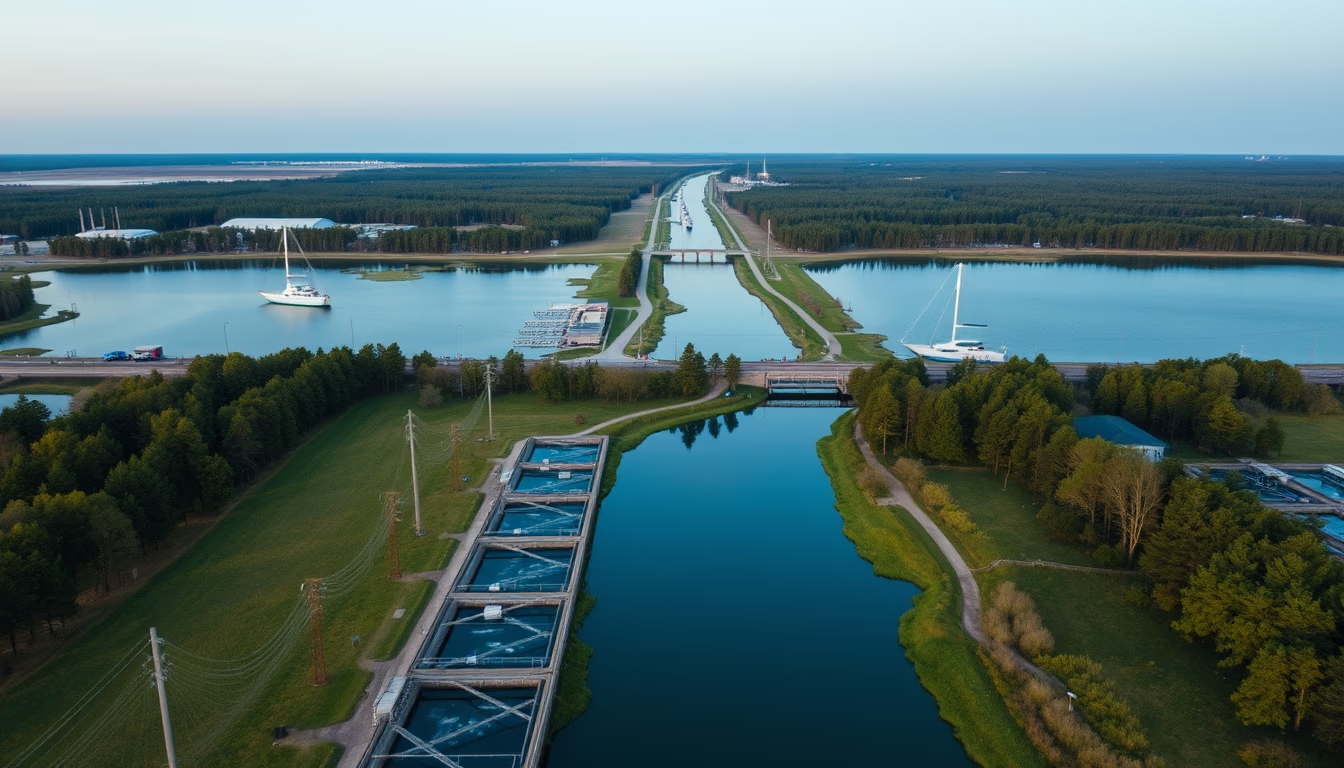
Aerial view of a shrimp farm, featuring the rectangular ponds typical of large-scale commercial aquaculture.
About this subject
Shrimp aquaculture is one of the fastest-growing farming sectors worldwide, with annual production exceeding 5 million tons, according to the FAO. Leading producers include China, Indonesia, Vietnam, India, and Ecuador, which together account for over 70% of the total. The farm in the image shows the typical geometric pattern of excavated ponds, usually located near estuaries or tropical coastlines, where brackish water is pumped and periodically renewed.
The rectangular ponds are designed to optimize water circulation and shrimp feeding. Mechanical aerators, visible as small dots or ripples, maintain adequate oxygen levels. Farming can be semi-intensive, with moderate stocking densities, or intensive, with high stocking rates and formulated feed. Water color ranges from green to brown, indicating phytoplankton and organic matter.
Expansion of these farms, however, brings significant environmental impacts. Conversion of mangroves into shrimp ponds is a major cause of ecosystem loss, especially in Southeast Asia and Latin America. Nutrient-rich effluents, feed residues, and chemicals can pollute nearby water bodies. Diseases like white spot syndrome virus (WSSV) lead to antibiotic use, fostering bacterial resistance.
To mitigate these issues, certifications such as ASC (Aquaculture Stewardship Council) and BAP (Best Aquaculture Practices) promote social and environmental standards. Recirculating aquaculture systems (RAS) and biofloc technology emerge as more sustainable alternatives, reducing water exchange and waste discharge. Economically, shrimp farming creates direct and indirect jobs in coastal rural areas but faces market challenges and price volatility.
Frequently Asked Questions
What is the difference between farmed and wild shrimp?
Farmed shrimp are raised in controlled ponds with feed and management, while wild shrimp are caught from nature. Farmed shrimp typically have a milder taste and firmer texture, with more stable prices. Wild shrimp may have a stronger flavor and are considered by some to be more sustainable, depending on the fishery.
Which countries are the top producers of farmed shrimp?
The top producers are China, Indonesia, Vietnam, India, and Ecuador. Together, they account for over 70% of global farmed shrimp production.
How does a shrimp farm impact the environment?
Main impacts include mangrove deforestation, nutrient-rich effluent pollution, antibiotic use leading to bacterial resistance, and introduction of non-native species. Sustainable practices and certifications help mitigate these issues.
Direct URL
https://pub-c7d6a6ea828543ac903a74a341ccb2e1.r2.dev/imagens/shrimp-farm-aerial-cinematic-wide-shot-fresh0.avifHow to credit
Include a visible link back to UtilizAí. Copy one of the snippets below:
<a href="https://xn--utiliza-eza.com/en/midia/imagens/shrimp-farm-aerial-cinematic-wide-shot-fresh0">Shrimp farm aerial</a> by <a href="https://xn--utiliza-eza.com">UtilizAí</a>, licensed under <a href="https://creativecommons.org/licenses/by/4.0/">CC BY 4.0</a>.
[Shrimp farm aerial](https://xn--utiliza-eza.com/en/midia/imagens/shrimp-farm-aerial-cinematic-wide-shot-fresh0) by [UtilizAí](https://xn--utiliza-eza.com), CC BY 4.0
License: CC-BY-4.0