Seaweed farm asian
1344×768 · AVIF · CC BY 4.0
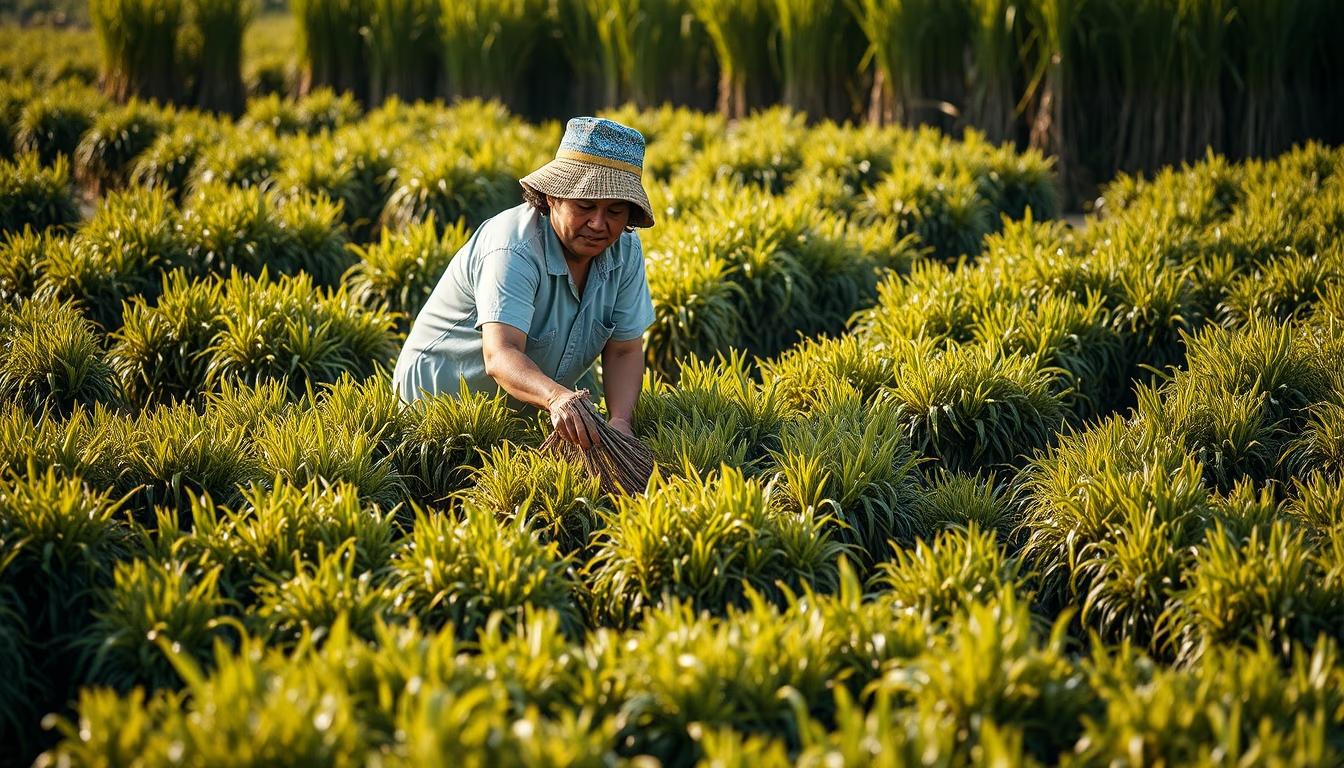
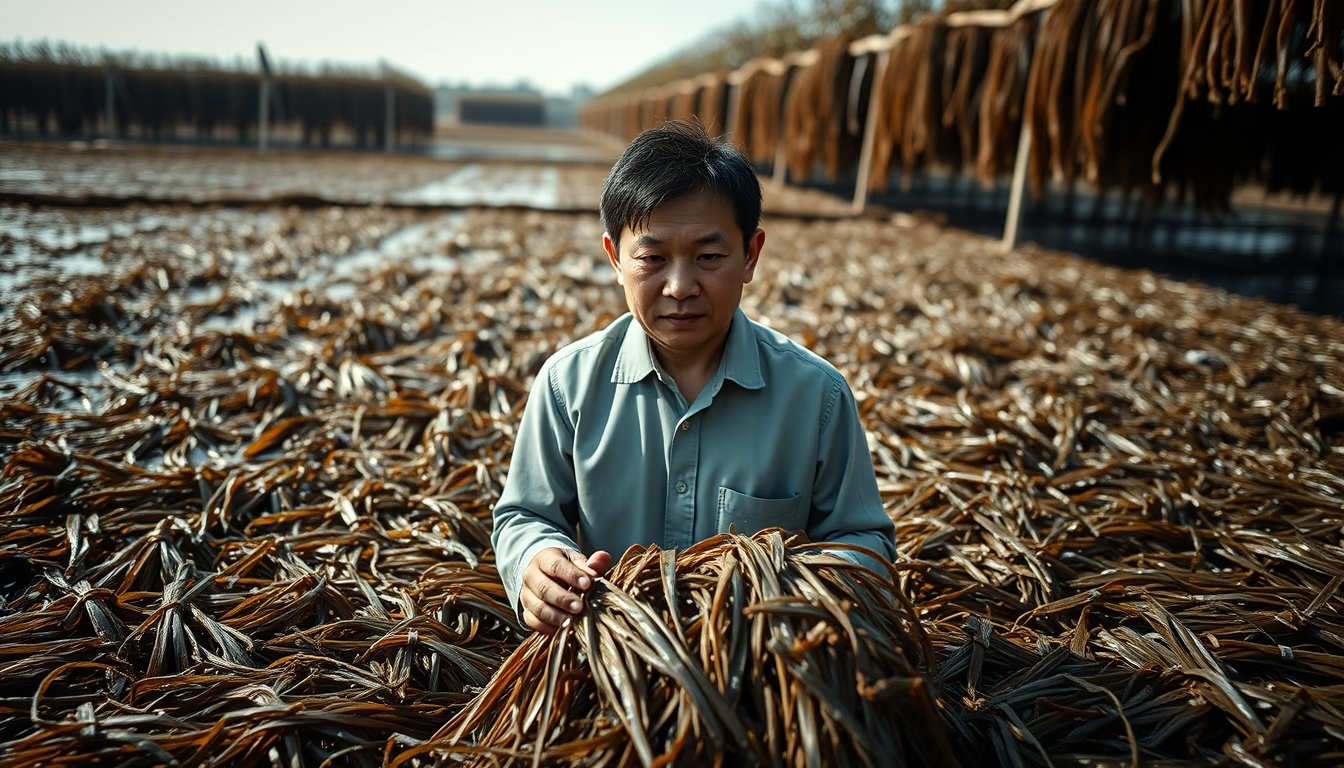
Seaweed farming in Asia is an ancient practice that now supplies the global food, cosmetic, and pharmaceutical industries, with leading producers including China, Indonesia, and the Philippines.
About this subject
Seaweed farming in Asia dates back centuries, especially along the coasts of China, Indonesia, the Philippines, and South Korea. Common species include Kappaphycus alvarezii and Gracilaria, used for carrageenan and agar production, respectively. China leads global production with over 50% of the total, followed by Indonesia. The cultivation method involves long floating lines in the ocean, a low-cost, low-environmental-impact technique.
The Asian seaweed industry employs millions of people, many from low-income coastal communities. Harvest cycles range from 45 to 60 days, depending on species and local conditions. Beyond food uses (nori, kombu, wakame), seaweeds are sources of biofuels, fertilizers, and nutritional supplements. Global demand grows at about 10% per year, driven by vegan and sustainable food trends.
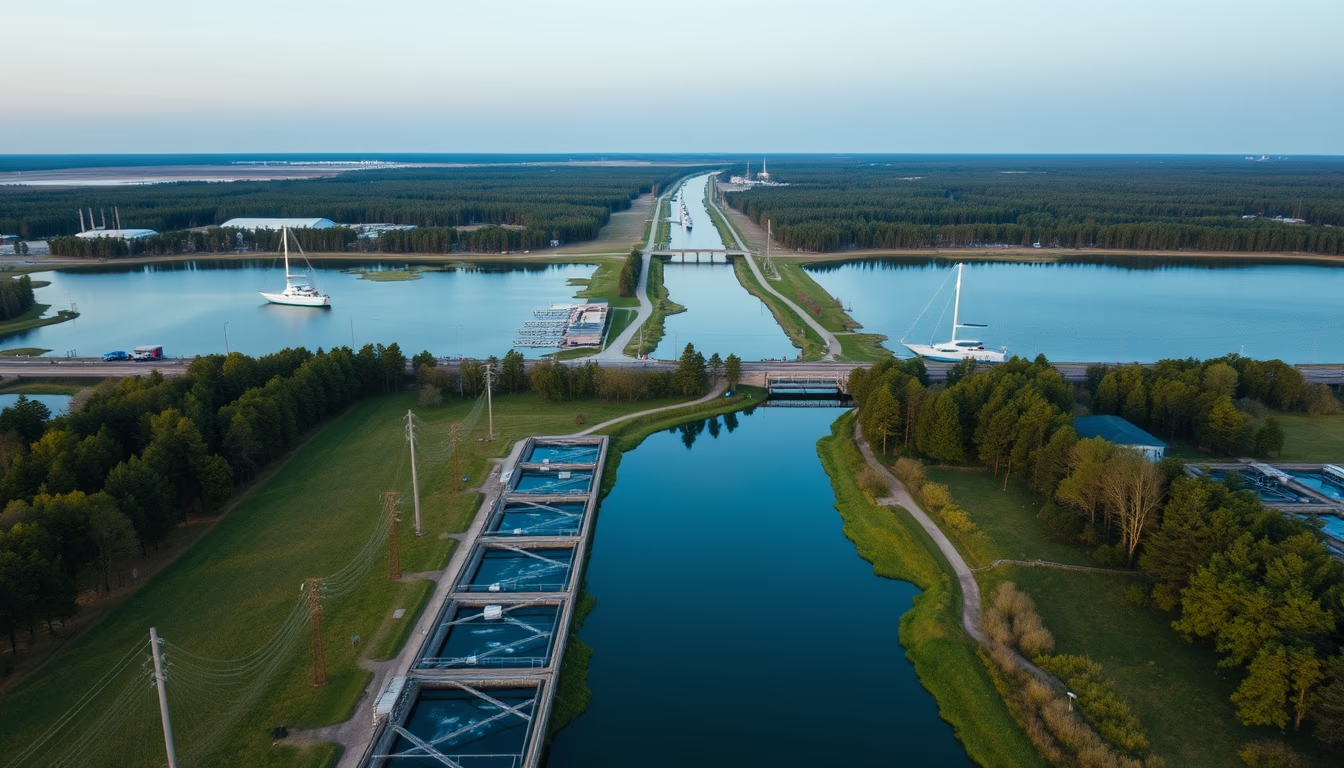
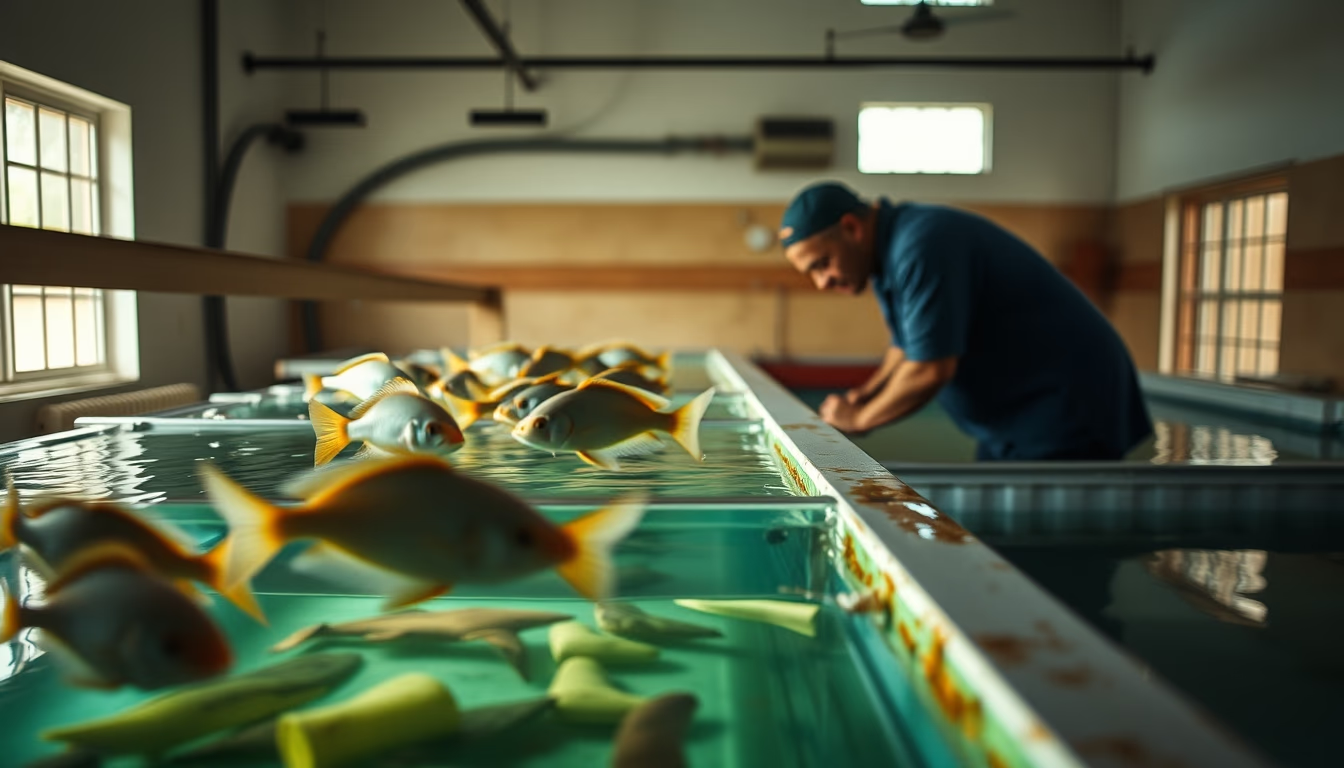
Environmental factors such as water temperature, salinity, and pollution affect productivity. In 2023, Indonesia experienced significant losses due to warming waters. Conversely, seaweed aquaculture sequesters carbon and reduces ocean acidification, considered a nature-based solution for climate change mitigation. Recent research explores integrated multitrophic aquaculture with fish and shellfish, enhancing ecological efficiency.
A curiosity: in South Korea, seaweed farming is so traditional that an annual festival celebrates gim (nori). The country invests in technology to automate harvesting and processing, remaining competitive in the export market for dried and seasoned seaweed.
Frequently Asked Questions
Which are the main seaweed-producing countries in Asia?
China, Indonesia, the Philippines, and South Korea are the top producers. China accounts for over half of global output, cultivating species like Laminaria japonica and Gracilaria.
How is large-scale seaweed farming conducted?
Typically, seaweeds are grown on long floating lines or nets anchored in the sea. Seedlings are tied to the ropes and grow in a natural environment, requiring no fertilizers or feed.
What are the environmental benefits of seaweed aquaculture?
Seaweeds absorb CO2 and nutrients like nitrogen and phosphorus, helping to combat eutrophication. They also reduce ocean acidification and provide habitat for marine life, promoting biodiversity.
Direct URL
https://pub-c7d6a6ea828543ac903a74a341ccb2e1.r2.dev/imagens/seaweed-farm-asian-magazine-editorial-fresh0.avifHow to credit
Include a visible link back to UtilizAí. Copy one of the snippets below:
<a href="https://xn--utiliza-eza.com/en/midia/imagens/seaweed-farm-asian-magazine-editorial-fresh0">Seaweed farm asian</a> by <a href="https://xn--utiliza-eza.com">UtilizAí</a>, licensed under <a href="https://creativecommons.org/licenses/by/4.0/">CC BY 4.0</a>.
[Seaweed farm asian](https://xn--utiliza-eza.com/en/midia/imagens/seaweed-farm-asian-magazine-editorial-fresh0) by [UtilizAí](https://xn--utiliza-eza.com), CC BY 4.0
License: CC-BY-4.0