Seaweed farm asian
1344×768 · AVIF · CC BY 4.0
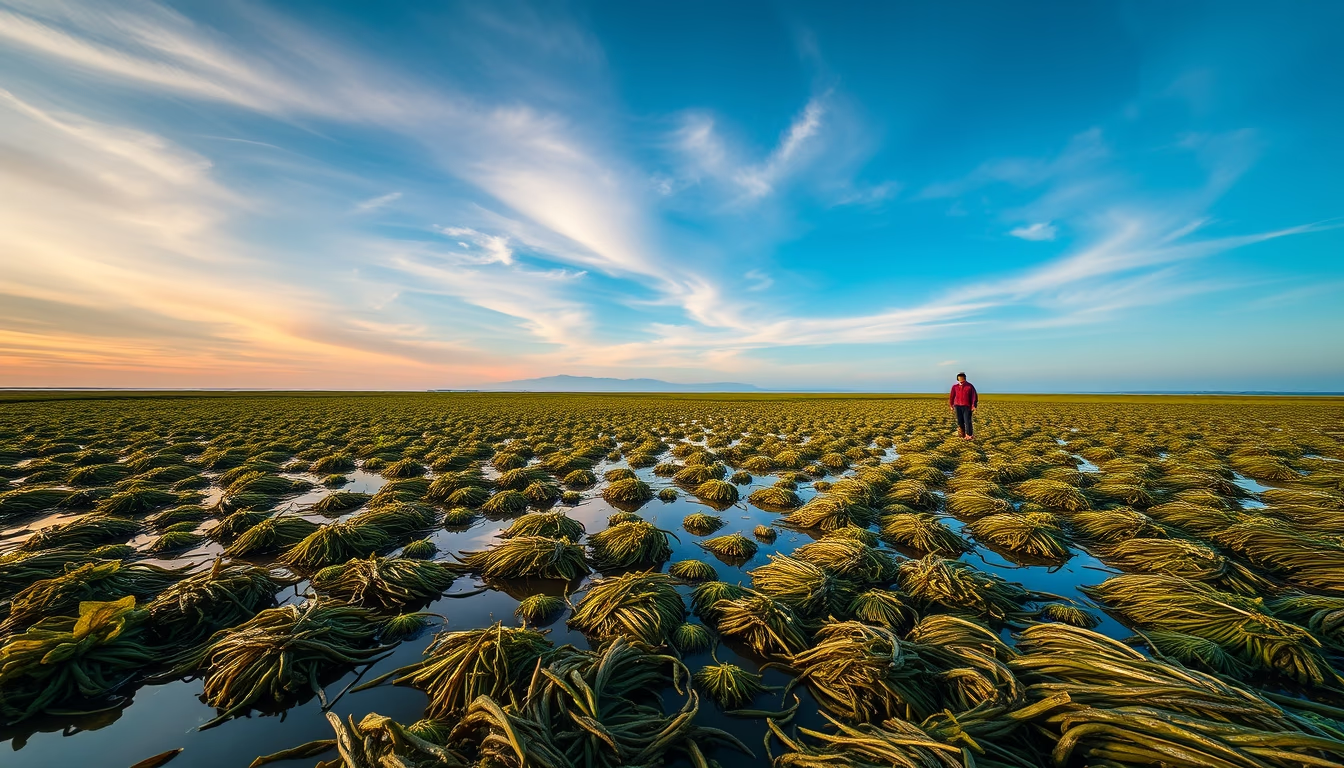
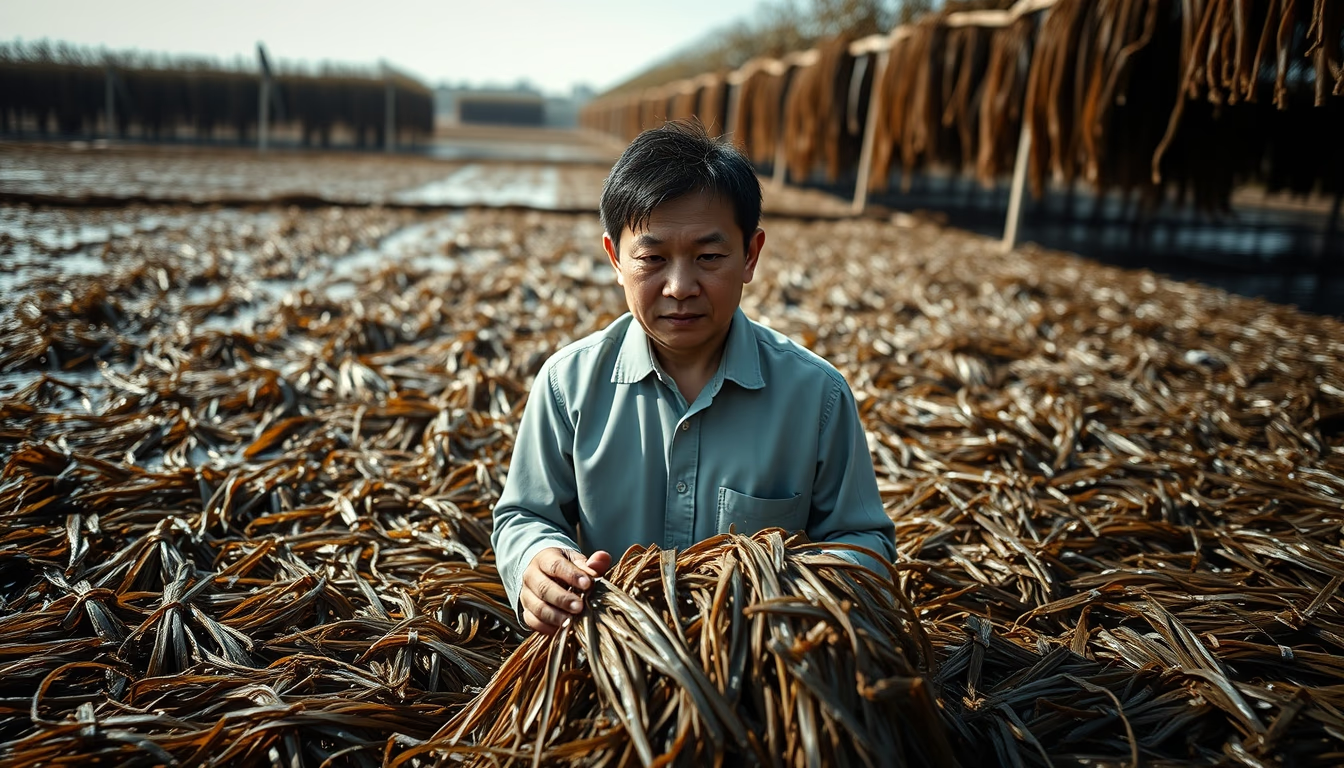
Seaweed farms in Asia account for over 90% of global production, supporting coastal economies and promoting ocean sustainability.
About this subject
Seaweed aquaculture is an age-old practice in Asia, particularly in China, Indonesia, South Korea, and the Philippines. Global seaweed production exceeded 34 million tonnes in 2021, with Asia accounting for about 97% of that total. Species such as kombu (Saccharina japonica) and nori (Porphyra spp.) are cultivated on a large scale for human consumption, while others are used in the hydrocolloid industry (agar and carrageenan).
Cultivation typically involves long lines or floating nets set in shallow coastal waters. In Japan, nori farming uses submerged nets in sheltered bays with seasonal harvesting. Indonesia is the largest producer of red seaweeds from the Gracilaria and Eucheuma genera, mainly for export to the thickener industry. These farms also provide ecological benefits: seaweeds absorb nitrogen and phosphorus, helping mitigate eutrophication, and serve as nursery habitats for juvenile fish.
Despite economic success, the sector faces challenges such as diseases, climate change, and price fluctuations. In 2020, Indonesia's seaweed output dropped due to bacterial disease outbreaks. Sustainable certification initiatives, like the ASC-MSC label, are being implemented to ensure responsible practices. Furthermore, seaweeds are seen as a promising source of biofuels and bioplastics, expanding their industrial potential.
Frequently Asked Questions
Which are the main seaweed-producing countries in Asia?
The main producers are China, Indonesia, South Korea, and the Philippines. China leads with over 20 million tonnes annually, followed by Indonesia with about 10 million tonnes.
How are seaweeds cultivated on farms?
Cultivation typically uses long lines or floating nets anchored in the sea. The seaweeds are attached to ropes or placed on artificial substrates, growing in shallow, nutrient-rich waters.
What are the environmental benefits of seaweed farms?
Seaweeds absorb nutrients like nitrogen and phosphorus, reducing eutrophication. They also provide habitat for marine organisms and aid in carbon capture, helping mitigate climate change.
Direct URL
https://pub-c7d6a6ea828543ac903a74a341ccb2e1.r2.dev/imagens/seaweed-farm-asian-long-exposure-fresh8.avifHow to credit
Include a visible link back to UtilizAí. Copy one of the snippets below:
<a href="https://xn--utiliza-eza.com/en/midia/imagens/seaweed-farm-asian-long-exposure-fresh8">Seaweed farm asian</a> by <a href="https://xn--utiliza-eza.com">UtilizAí</a>, licensed under <a href="https://creativecommons.org/licenses/by/4.0/">CC BY 4.0</a>.
[Seaweed farm asian](https://xn--utiliza-eza.com/en/midia/imagens/seaweed-farm-asian-long-exposure-fresh8) by [UtilizAí](https://xn--utiliza-eza.com), CC BY 4.0
License: CC-BY-4.0