Seaweed farm asian
1344×768 · AVIF · CC BY 4.0
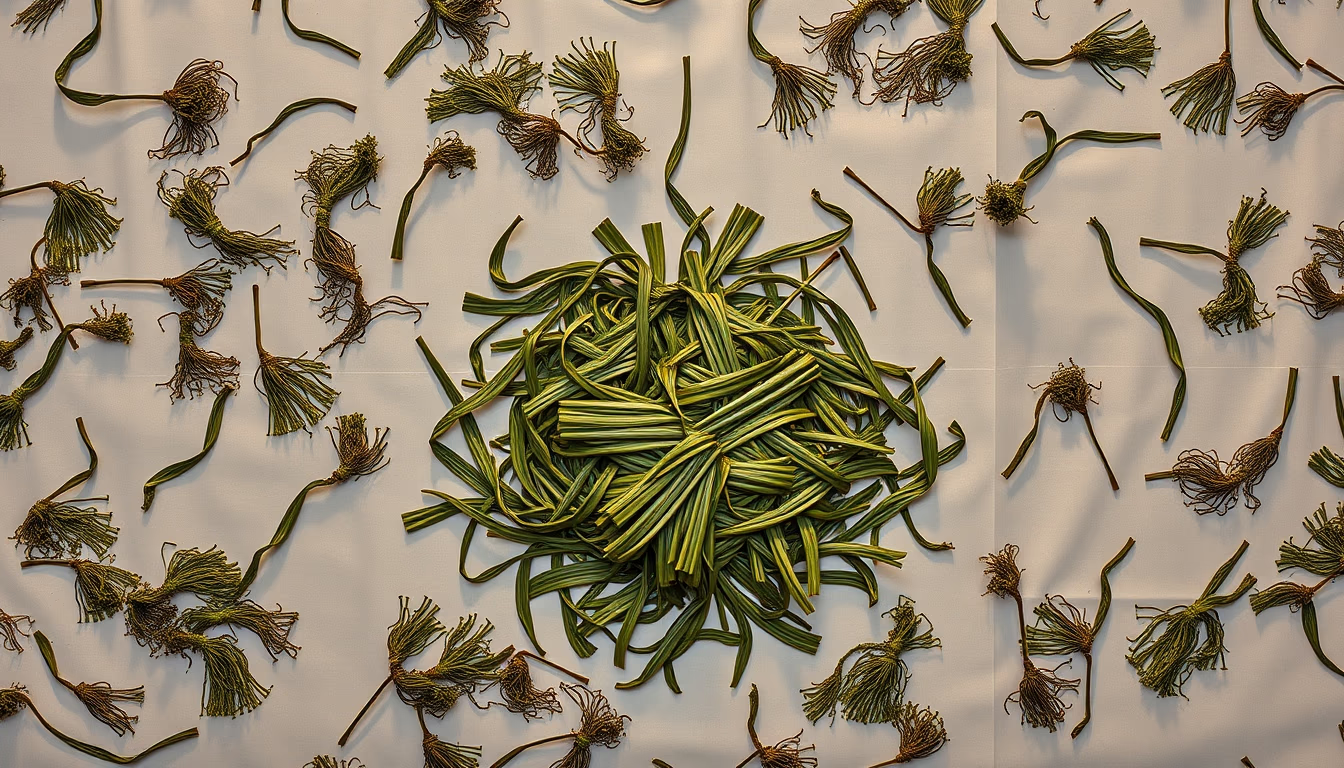
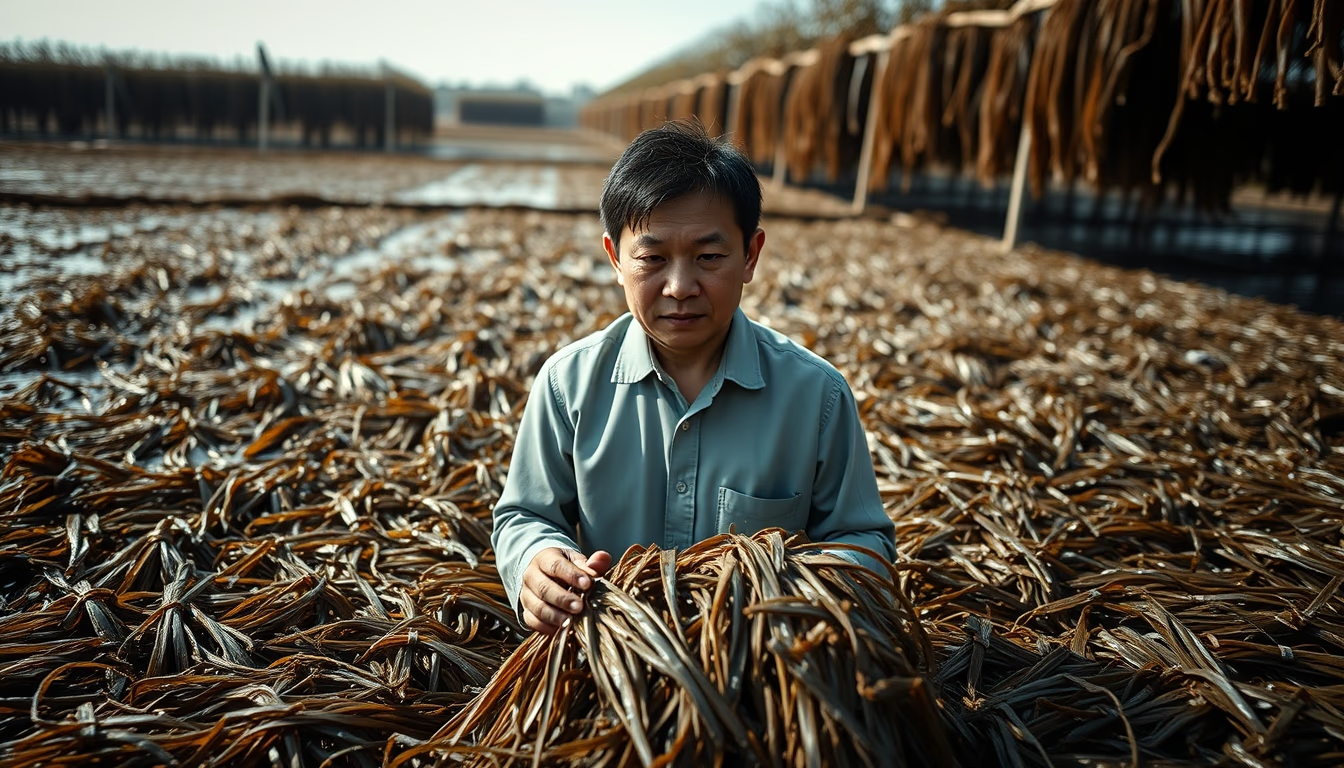
Seaweed farming in Asia is an ancient practice that sustains the economy and cuisine of countries like China, Indonesia, and Japan.
About this subject
Asia accounts for over 95% of global seaweed production, with China as the largest producer, followed by Indonesia and South Korea. This aquaculture practice dates back centuries, with Japanese records from the 7th century describing nori (Porphyra) cultivation. Today, seaweeds are farmed in shallow coastal waters using methods such as floating nets and bamboo poles anchored to the seafloor. Species like kombu (Saccharina japonica) and wakame (Undaria pinnatifida) are widely grown, not only for direct consumption but also for extracting hydrocolloids like alginate, agar, and carrageenan, used in food, cosmetics, and pharmaceuticals.
Seaweed farming offers significant environmental benefits. Seaweeds absorb carbon dioxide and nutrients such as nitrogen and phosphorus, helping to mitigate coastal eutrophication. They also provide habitat for marine life, enhancing local biodiversity. In countries like Indonesia and the Philippines, seaweed is a critical income source for coastal communities, often replacing destructive fishing practices. The low-cost, low-input nature of seaweed cultivation makes it a model of sustainable aquaculture.
Despite its advantages, the sector faces challenges: diseases, competition with coastal tourism, and climate change impacts like rising water temperatures and acidification. Research initiatives focus on developing resilient strains and integrating seaweed with other marine cultures in multitrophic systems. Global demand for seaweed continues to rise, driven by healthy diets and vegan products, solidifying Asia's role as the hub of this industry.
Frequently Asked Questions
Which Asian countries are the largest seaweed producers?
China, Indonesia, South Korea, the Philippines, and Japan lead global production. China alone accounts for over half of the world's output, mainly of kombu and nori.
What are the main uses of farmed seaweed in Asia?
They are consumed as food in dishes like sushi and soups (nori, kombu, wakame) and used to extract thickeners such as agar and carrageenan, found in ice cream, cosmetics, and medicines.
How does seaweed farming benefit the environment?
Seaweeds absorb CO2 and excess nutrients, reducing coastal pollution, while also providing habitat for fish and invertebrates, thus enhancing biodiversity.
Direct URL
https://pub-c7d6a6ea828543ac903a74a341ccb2e1.r2.dev/imagens/seaweed-farm-asian-isometric-flat-lay-fresh9.avifHow to credit
Include a visible link back to UtilizAí. Copy one of the snippets below:
<a href="https://xn--utiliza-eza.com/en/midia/imagens/seaweed-farm-asian-isometric-flat-lay-fresh9">Seaweed farm asian</a> by <a href="https://xn--utiliza-eza.com">UtilizAí</a>, licensed under <a href="https://creativecommons.org/licenses/by/4.0/">CC BY 4.0</a>.
[Seaweed farm asian](https://xn--utiliza-eza.com/en/midia/imagens/seaweed-farm-asian-isometric-flat-lay-fresh9) by [UtilizAí](https://xn--utiliza-eza.com), CC BY 4.0
License: CC-BY-4.0