Seaweed farm asian
1344×768 · AVIF · CC BY 4.0
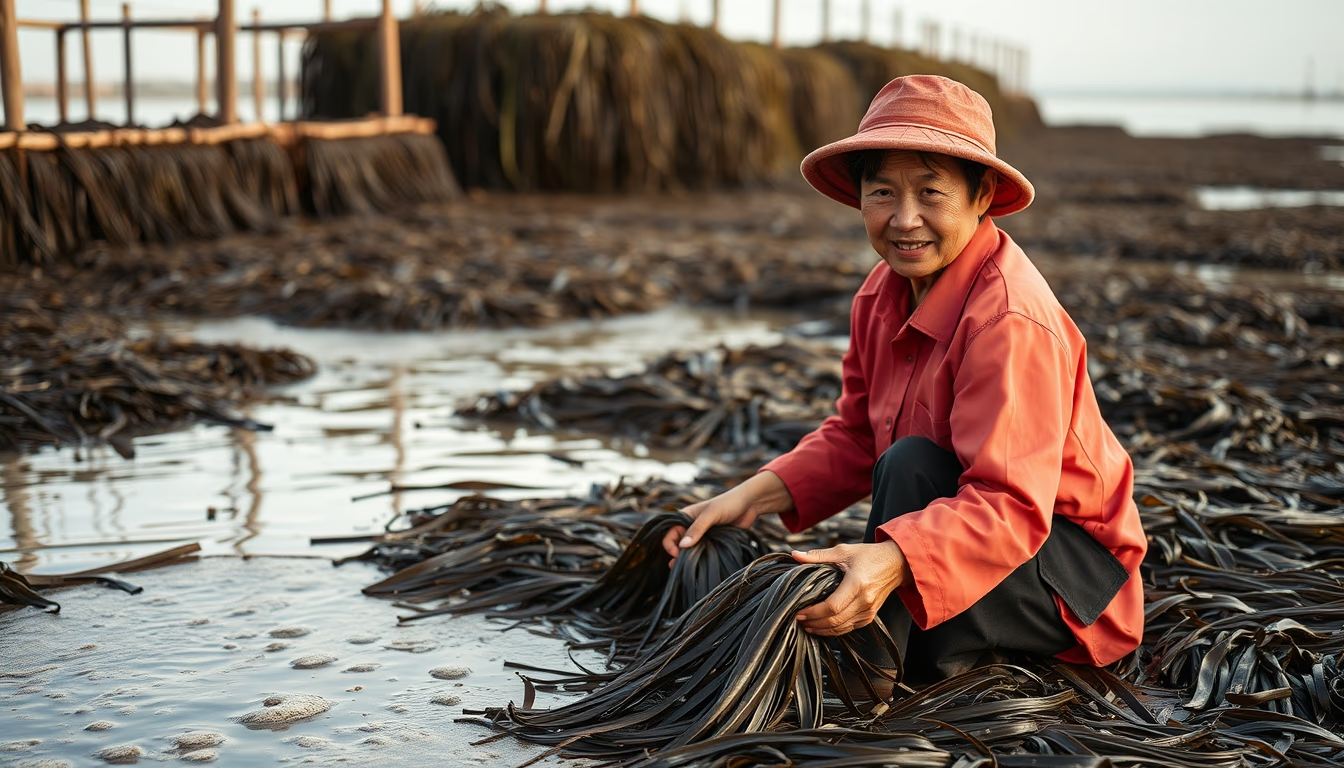
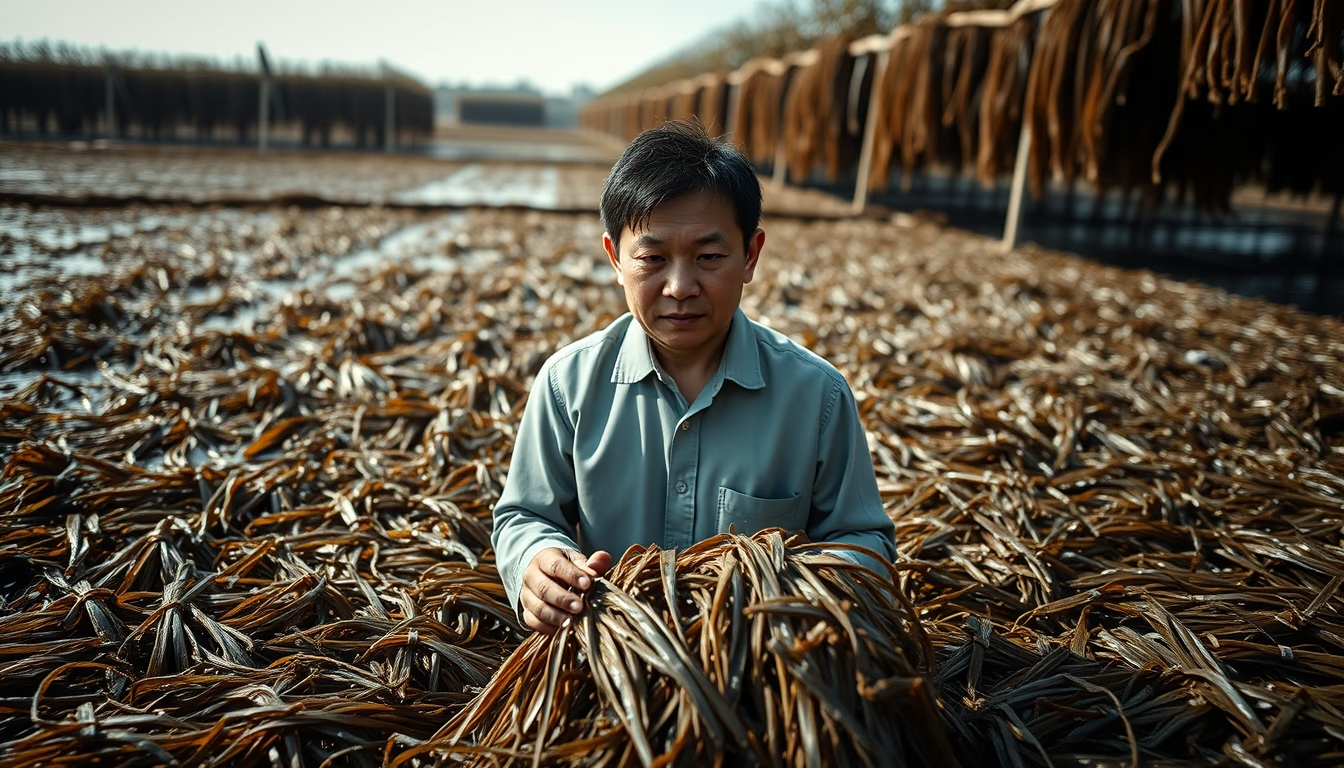
Seaweed farming in Asia: an ancient practice sustaining the economy and cuisine of countries like Japan, Korea and China.
About this subject
Seaweed farming in Asia dates back over a thousand years, with historical records indicating its practice in Japan since the 7th century. Today, the region accounts for more than 90% of global seaweed production, with prominent species such as Nori (Porphyra), Kombu (Saccharina japonica), and Wakame (Undaria pinnatifida). These seaweeds are cultivated mainly in coastal areas of Japan, South Korea, China, Indonesia, and the Philippines, using techniques ranging from floating bamboo rafts to submerged nets.
The economic significance of seaweed aquaculture is immense. China alone produces about 50% of the global volume, generating billions of dollars annually. Beyond food, seaweeds are used to produce hydrocolloids (agar, carrageenan) for pharmaceutical and cosmetic industries. Environmentally, seaweed farms act as carbon sinks, absorbing CO2 and helping mitigate ocean acidification. They also provide habitat for marine life and reduce coastal erosion.
Interestingly, Nori cultivation in Japan is so prized that there is a specific certification for leaf quality, mainly used in sushi. In Korea, Kim (dried seaweed) is a staple food. Modernization has introduced open-water cultivation techniques and genetic improvement, enhancing disease resistance and climate resilience. However, rising water temperatures and pollution pose growing challenges to the sector.
Frequently Asked Questions
Which Asian countries are the largest seaweed producers?
China, Japan, South Korea, Indonesia, and the Philippines lead global production. China alone accounts for about 50% of the total volume.
What seaweed species are most commonly farmed in Asia?
The main species are Nori (Porphyra), Kombu (Saccharina japonica), and Wakame (Undaria pinnatifida), used in cuisine and hydrocolloid industries.
What are the environmental benefits of seaweed farming?
Seaweed farms absorb CO2, reduce ocean acidification, provide habitat for marine life, and help prevent coastal erosion.
Direct URL
https://pub-c7d6a6ea828543ac903a74a341ccb2e1.r2.dev/imagens/seaweed-farm-asian-documentary-photography-fresh13.avifHow to credit
Include a visible link back to UtilizAí. Copy one of the snippets below:
<a href="https://xn--utiliza-eza.com/en/midia/imagens/seaweed-farm-asian-documentary-photography-fresh13">Seaweed farm asian</a> by <a href="https://xn--utiliza-eza.com">UtilizAí</a>, licensed under <a href="https://creativecommons.org/licenses/by/4.0/">CC BY 4.0</a>.
[Seaweed farm asian](https://xn--utiliza-eza.com/en/midia/imagens/seaweed-farm-asian-documentary-photography-fresh13) by [UtilizAí](https://xn--utiliza-eza.com), CC BY 4.0
License: CC-BY-4.0