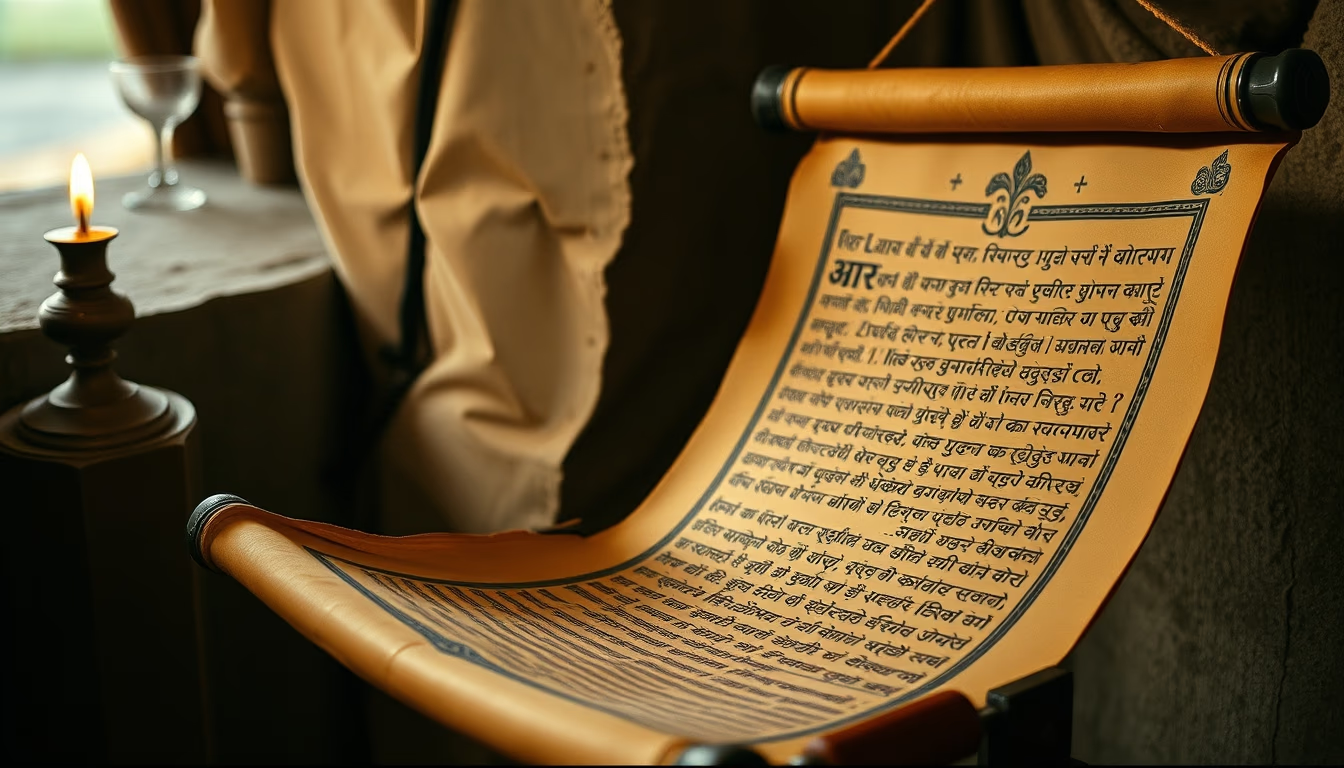
Sanskrit ancient scroll
1344×768 · AVIF · CC BY 4.0
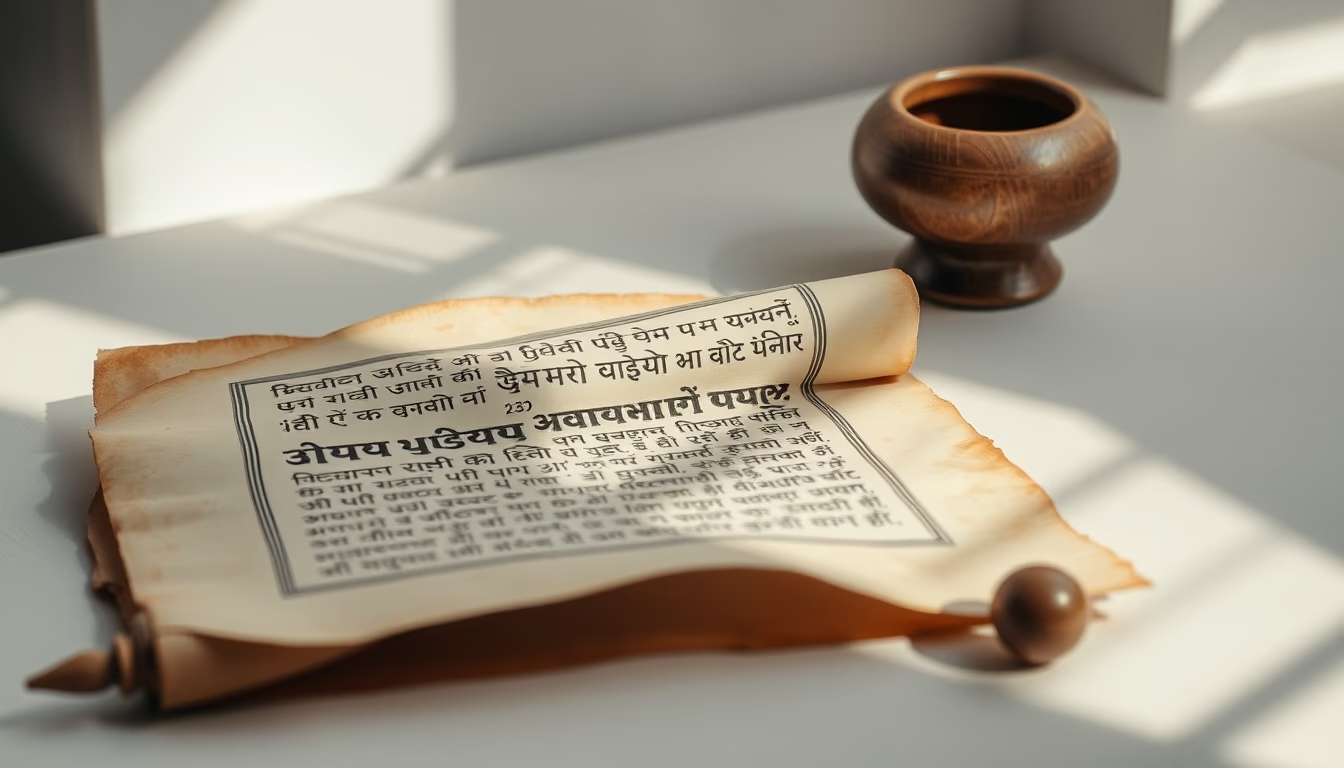
Sanskrit manuscripts on scrolls or palm leaves are testimonies of ancient Indian civilization, containing religious, philosophical, and scientific texts dating back millennia.
About this subject
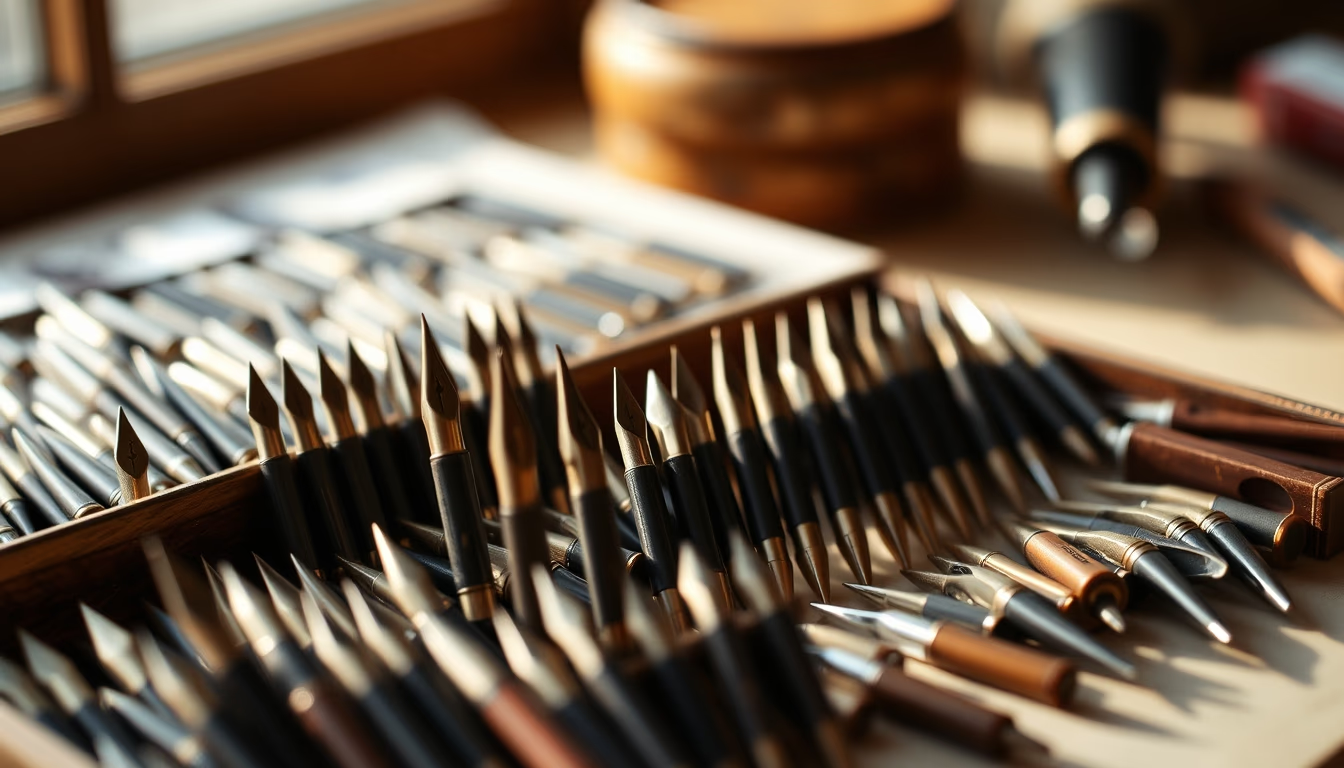
Sanskrit is one of the oldest Indo-European languages, used for centuries to transmit knowledge in India and beyond. Sanskrit manuscripts, often written on palm leaves (talapatra) or birch bark (bhurjapatra), were initially inscribed with a stylus and then coated with soot to highlight the letters. These scrolls or loose leaves were tied with strings, forming volumes known as pothi. The copying of texts was a sacred practice, and many copies date from the 5th century BCE to the 19th century. Topics range from the Vedas, Upanishads, and epics like the Mahabharata and Ramayana, to treatises on astronomy, medicine (Ayurveda), mathematics, and philosophy. Preservation of these manuscripts is challenging due to tropical climate, fungi, and insects. Institutions like the National Library of India and the Oriental Research Institute in Mysore hold valuable collections. UNESCO has included several Sanskrit manuscripts in its Memory of the World program, recognizing their universal value. Sanskrit calligraphy is distinctive, using Devanagari script or regional scripts like Grantha. Each region developed its own styles, and scribes followed strict rules of proportion and legibility. Digitization projects, such as the "Manuscripts of India" (NMI), have made these texts globally accessible, ensuring their digital survival. Despite challenges, thousands of manuscripts remain uncatalogued in temples and private libraries, representing a vast intellectual heritage yet to be explored.
Frequently Asked Questions
What is the most common material used in ancient Sanskrit manuscripts?
The most common materials are palm leaves (talapatra) and birch bark (bhurjapatra). Palm leaves were preferred in South India, while birch bark was common in the North and Himalayas.
How were Sanskrit manuscripts preserved before the digital era?
They were stored in temple libraries, palaces, and universities, often wrapped in cloth and kept in wooden boxes. Natural oils, such as neem oil, were applied to repel insects. Oral tradition also complemented preservation.
How many Sanskrit manuscripts exist today and where are they?
It is estimated that there are about 30 million manuscripts in India, many in Sanskrit, but only a fraction has been cataloged. Major collections are at the National Library of India (Kolkata), the Oriental Research Institute (Mysore), and the University of Madras.
Direct URL
https://pub-c7d6a6ea828543ac903a74a341ccb2e1.r2.dev/imagens/sanskrit-ancient-scroll-minimalist-composition-fresh11.avifHow to credit
Include a visible link back to UtilizAí. Copy one of the snippets below:
<a href="https://xn--utiliza-eza.com/en/midia/imagens/sanskrit-ancient-scroll-minimalist-composition-fresh11">Sanskrit ancient scroll</a> by <a href="https://xn--utiliza-eza.com">UtilizAí</a>, licensed under <a href="https://creativecommons.org/licenses/by/4.0/">CC BY 4.0</a>.
[Sanskrit ancient scroll](https://xn--utiliza-eza.com/en/midia/imagens/sanskrit-ancient-scroll-minimalist-composition-fresh11) by [UtilizAí](https://xn--utiliza-eza.com), CC BY 4.0
License: CC-BY-4.0