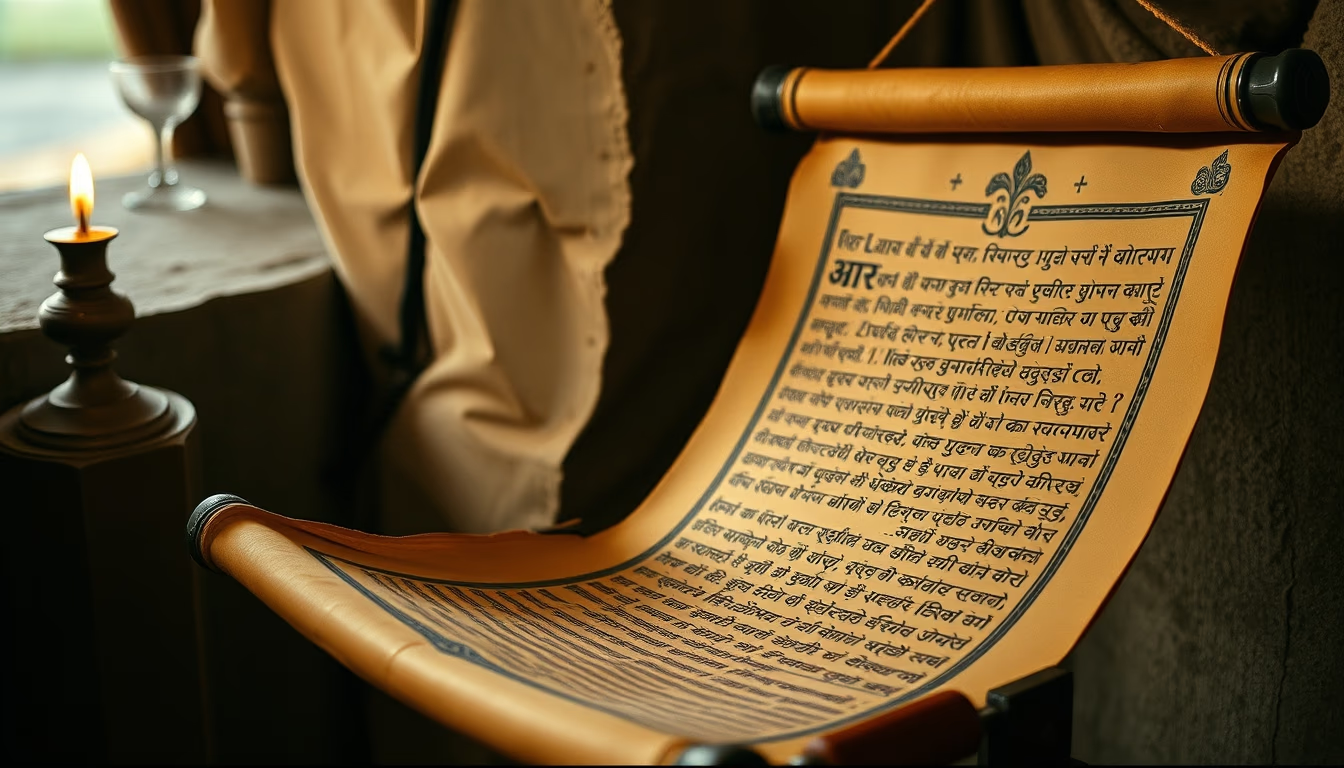
Sanskrit ancient scroll
1344×768 · AVIF · CC BY 4.0
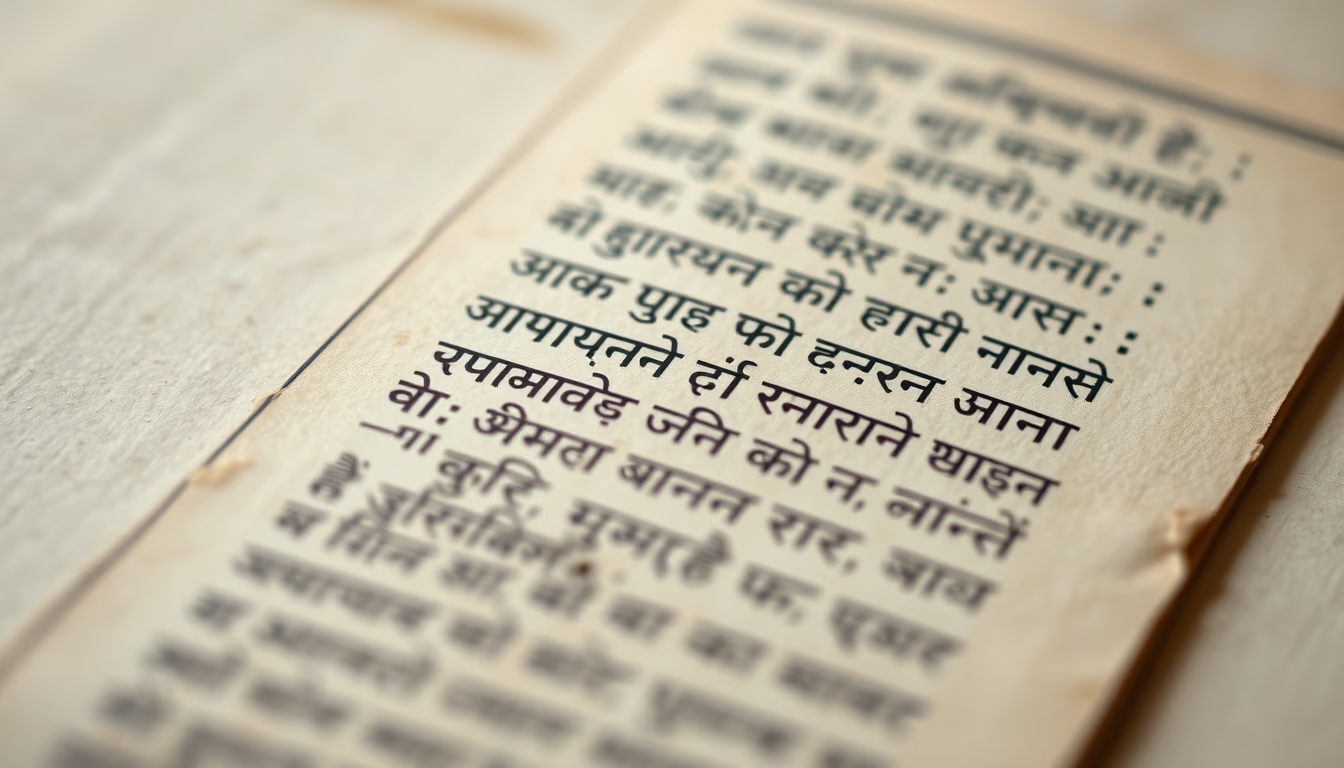
Ancient scroll inscribed in Sanskrit, one of the oldest Indo-European languages, revealing centuries of philosophical and religious knowledge from India.
About this subject
Sanskrit is a classical language of India, considered the oldest recorded Indo-European language, with origins dating back to around 1500 BCE. Sanskrit texts include the Vedas, Upanishads, epics like the Mahabharata and Ramayana, as well as treatises on grammar, medicine, and astronomy. The use of scrolls to preserve these writings was common in monastic and temple libraries, especially during the Gupta period (4th to 6th centuries CE), when Sanskrit flourished as a scholarly language.
The script used on these scrolls varies by region and era, including Brahmi, Devanagari, and other regional scripts. The scrolls, made from treated animal skin, were durable supports for manuscripts, allowing complex texts to be copied and transmitted over generations. Many such documents were preserved in regions like Tibet, Nepal, and the Ganges plains, where dry climates or storage in stupas aided their conservation.
The importance of Sanskrit in the history of human thought is immense. It served as the vehicle for Hindu, Buddhist, and Jain philosophy, and influenced modern languages of the Indian subcontinent, such as Hindi, Bengali, and Marathi. The study of Sanskrit in the West, initiated by scholars like Sir William Jones in the 18th century, contributed to the development of comparative linguistics. Today, digitization of Sanskrit manuscripts is a global effort to preserve this heritage, with institutions like the Indian Manuscripts Digital Library cataloging thousands of texts.
Frequently Asked Questions
How old is Sanskrit and why is it important?
Sanskrit is about 3,500 years old, making it the oldest documented Indo-European language. It is crucial for understanding ancient Indian philosophy, religion, and literature, and has influenced modern linguistics.
What kind of content was written on these scrolls?
They contained religious texts like the Vedas and Upanishads, epics such as the Mahabharata and Ramayana, and treatises on grammar, medicine, astronomy, and philosophy.
How were these ancient scrolls preserved to the present day?
Many scrolls were preserved in monasteries, temples, and libraries in dry climates like Tibet and Nepal, or stored in stupas. Today, digitization projects are helping to conserve and share this heritage.
Direct URL
https://pub-c7d6a6ea828543ac903a74a341ccb2e1.r2.dev/imagens/sanskrit-ancient-scroll-macro-closeup-fresh10.avifHow to credit
Include a visible link back to UtilizAí. Copy one of the snippets below:
<a href="https://xn--utiliza-eza.com/en/midia/imagens/sanskrit-ancient-scroll-macro-closeup-fresh10">Sanskrit ancient scroll</a> by <a href="https://xn--utiliza-eza.com">UtilizAí</a>, licensed under <a href="https://creativecommons.org/licenses/by/4.0/">CC BY 4.0</a>.
[Sanskrit ancient scroll](https://xn--utiliza-eza.com/en/midia/imagens/sanskrit-ancient-scroll-macro-closeup-fresh10) by [UtilizAí](https://xn--utiliza-eza.com), CC BY 4.0
License: CC-BY-4.0