Sanskrit ancient scroll
1344×768 · AVIF · CC BY 4.0
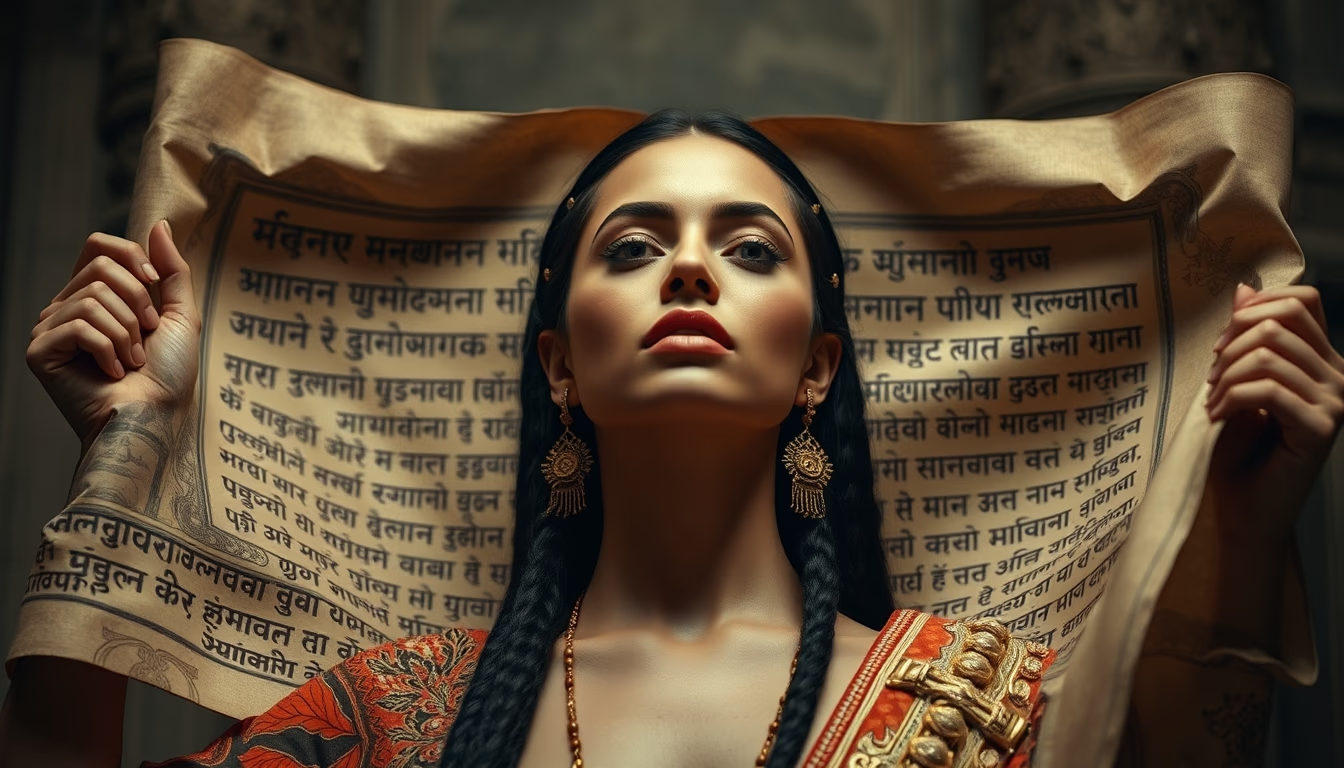
Sanskrit scrolls are ancient records that preserve Vedic and philosophical texts, blending calligraphy and spirituality.
About this subject
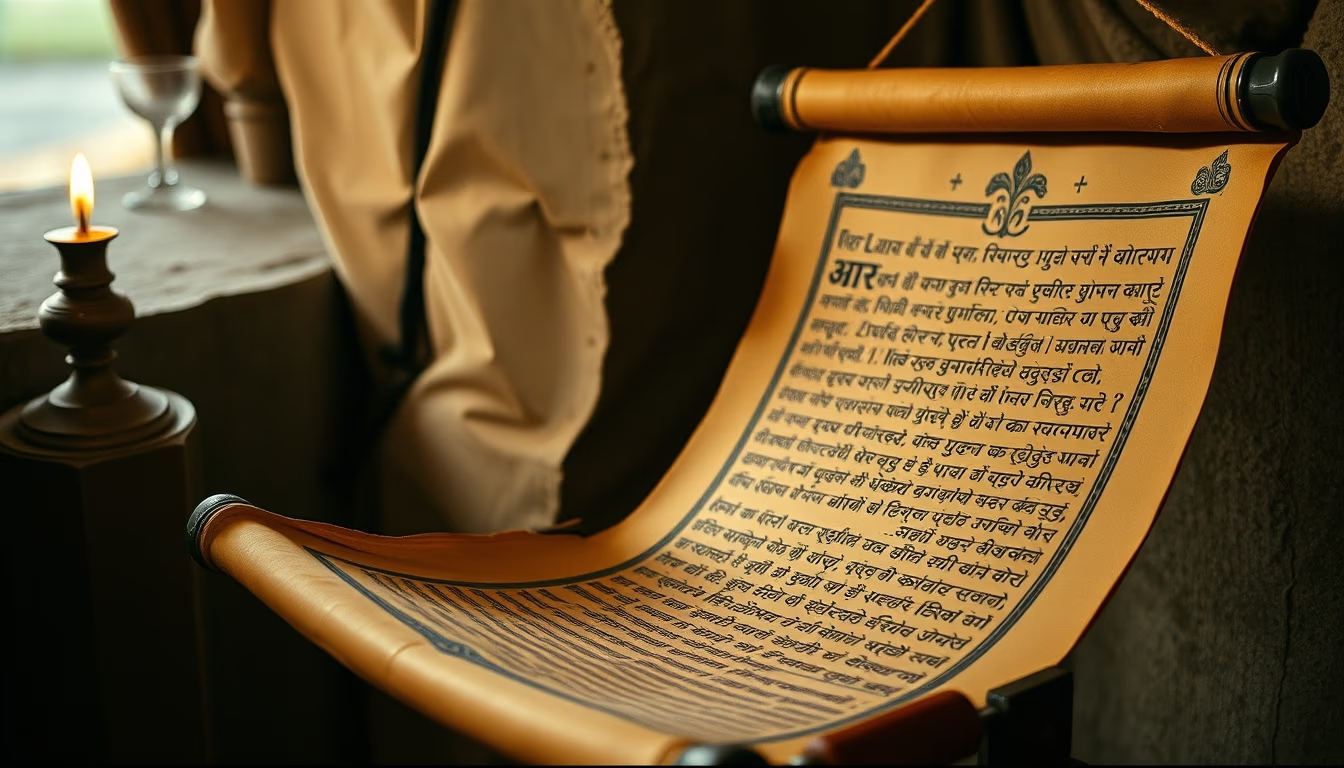
Sanskrit scrolls represent one of the oldest writing mediums in India, used to preserve sacred scriptures of Hinduism, Buddhism, and Jainism. Made primarily from palm leaves (talapatra) or birch bark (bhurjapatra), these manuscripts were written with vegetable or mineral ink using bamboo or metal styluses. Sanskrit calligraphy varies across scripts such as Brahmi, Devanagari, and Grantha, each with distinct regional and stylistic features.
Dating back to at least the 5th century BCE, Sanskrit manuscripts survived tropical climates thanks to material treatment techniques like soaking in mustard oil and applying soot to prevent fungal growth. Famous examples include the Gilgit Manuscripts (5th, 6th century CE), discovered in the Gilgit-Baltistan region, and the collection at the National Library of Kathmandu, which houses Mahayana Buddhist texts. Creating a scroll involved multiple stages: preparing the leaves, smoothing, polishing, and then meticulous line-by-line writing.
Culturally, Sanskrit scrolls are not merely documents but objects of veneration and study. They transmitted works such as the Vedas, Upanishads, Mahabharata, and Ayurvedic medical treatises. The art of Sanskrit calligraphy is considered a meditative practice, where the precision of strokes reflects cosmic harmony. Today, institutions like the Asiatic Society of Mumbai and Google Arts & Culture work on digitizing these scrolls to ensure their preservation and global access.
Frequently Asked Questions
What is a Sanskrit scroll?
It is an ancient manuscript, usually made of palm leaves or birch bark, containing texts written in Sanskrit. They were used to record religious, philosophical, and scientific scriptures in ancient India.
How were ancient Sanskrit scrolls produced?
The leaves or bark were treated with oil and soot to resist insects and moisture. After smoothing and polishing, writing was done by hand with ink and a stylus, typically in horizontal lines.
Why are Sanskrit scrolls important for the study of Hinduism and Buddhism?
They preserve original versions of sacred texts like the Vedas and Buddhist sutras, allowing scholars to understand the doctrinal and literary evolution of these religions. Many manuscripts contain unique commentaries not found in later copies.
Direct URL
https://pub-c7d6a6ea828543ac903a74a341ccb2e1.r2.dev/imagens/sanskrit-ancient-scroll-high-fashion-editorial-fresh16.avifHow to credit
Include a visible link back to UtilizAí. Copy one of the snippets below:
<a href="https://xn--utiliza-eza.com/en/midia/imagens/sanskrit-ancient-scroll-high-fashion-editorial-fresh16">Sanskrit ancient scroll</a> by <a href="https://xn--utiliza-eza.com">UtilizAí</a>, licensed under <a href="https://creativecommons.org/licenses/by/4.0/">CC BY 4.0</a>.
[Sanskrit ancient scroll](https://xn--utiliza-eza.com/en/midia/imagens/sanskrit-ancient-scroll-high-fashion-editorial-fresh16) by [UtilizAí](https://xn--utiliza-eza.com), CC BY 4.0
License: CC-BY-4.0