Sandstone red layered
1344×768 · AVIF · CC BY 4.0
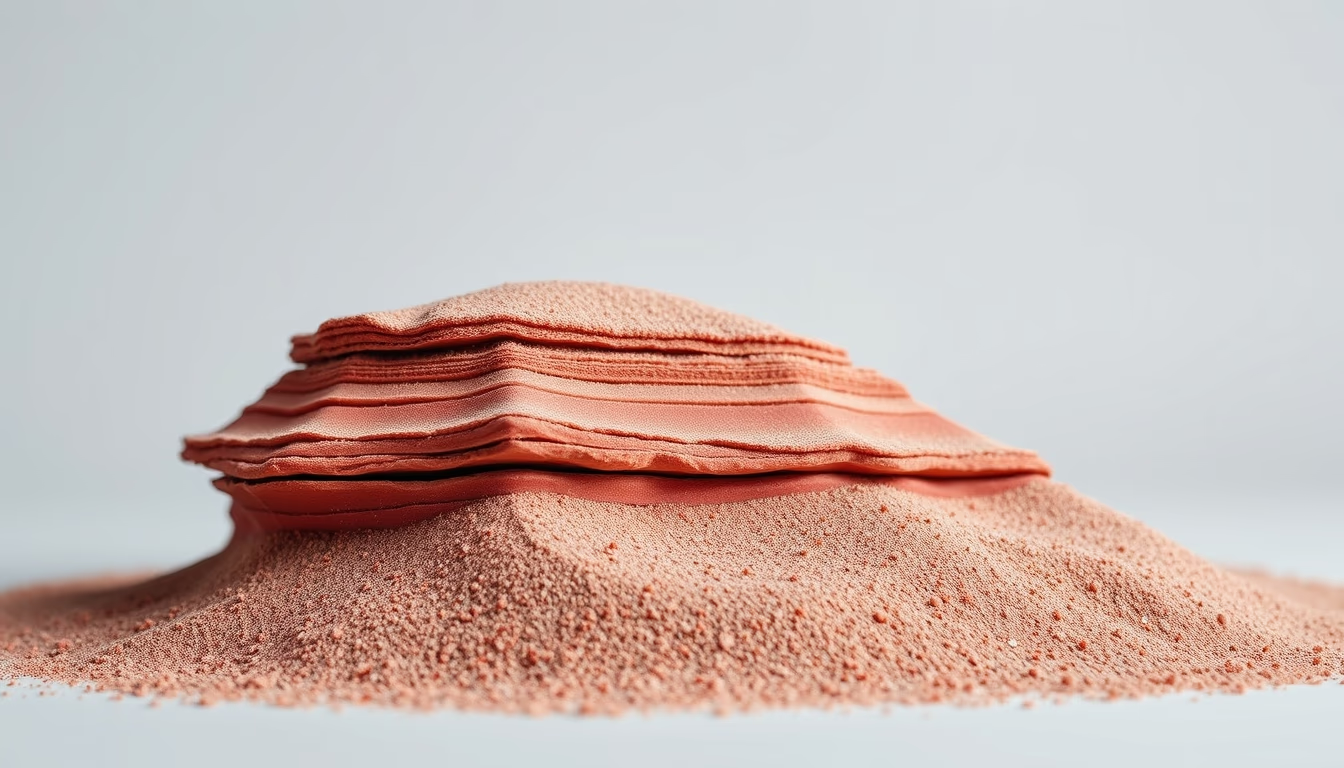
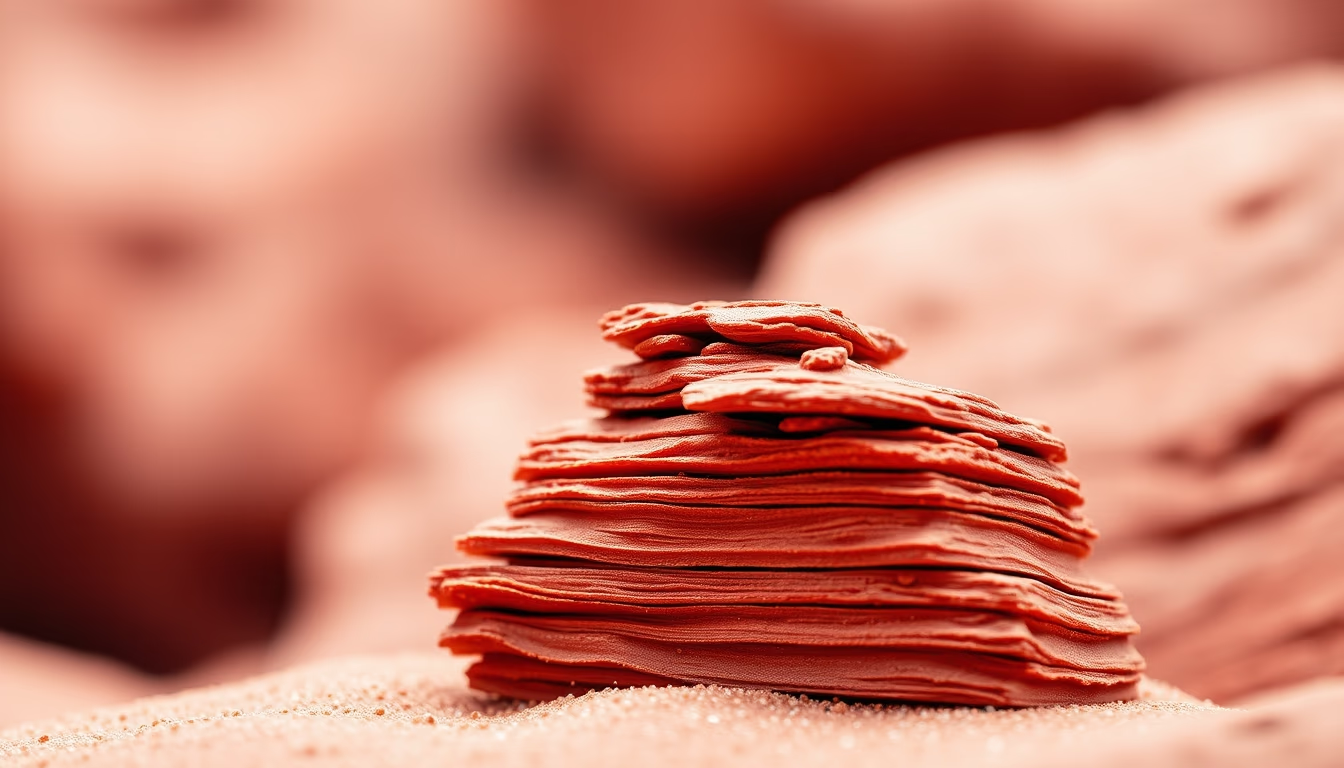
Red layered sandstone is a sedimentary rock characterized by reddish hues and horizontal bedding, formed by compaction of sand grains over millions of years.
About this subject
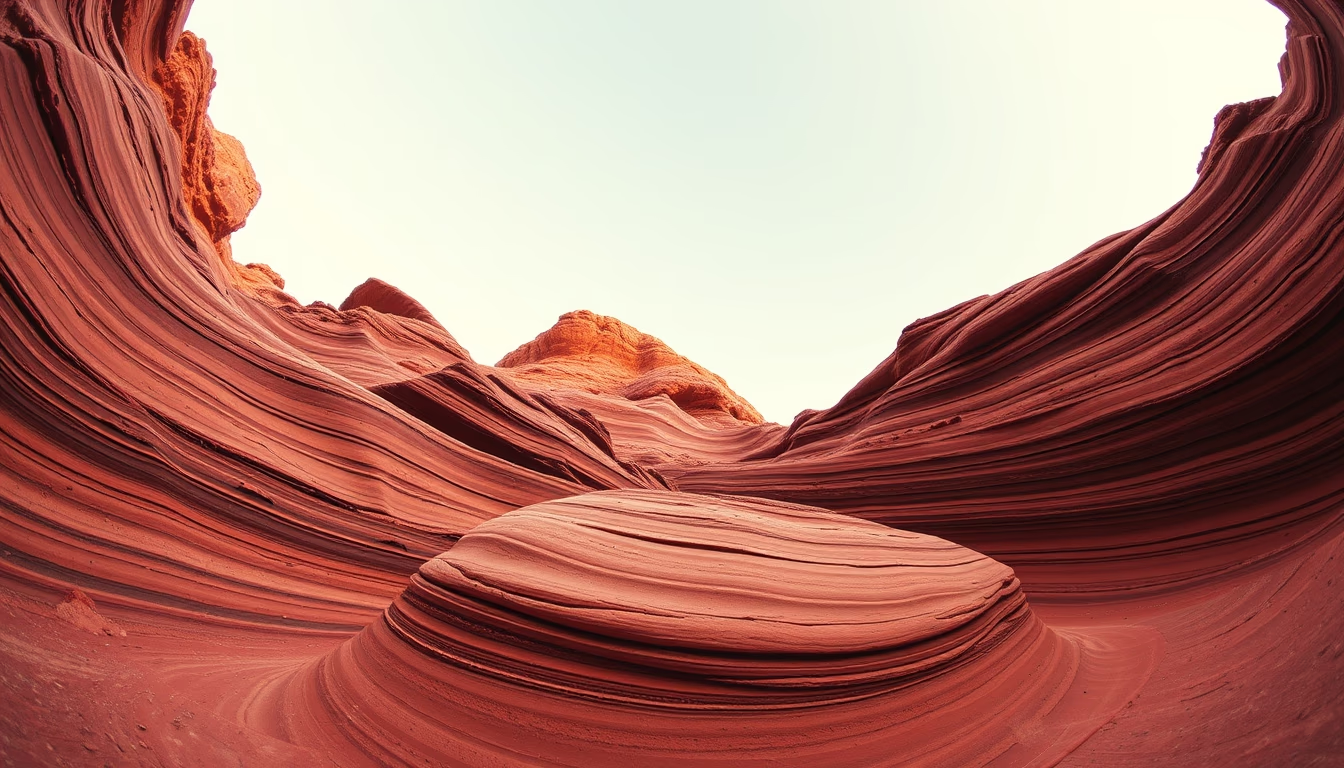
Red layered sandstone is a classic sedimentary rock composed mainly of sand-sized grains of quartz or feldspar, bound together by a cement of silica, calcite, or iron oxides. Its distinctive reddish color comes from the presence of hematite (iron oxide), which coats the grains and fills pore spaces. The layered structure, or bedding, forms as successive layers of sediment accumulate in environments such as deserts, rivers, or coastal zones, with changes in current speed and sediment supply creating distinct horizontal bands over geological time.
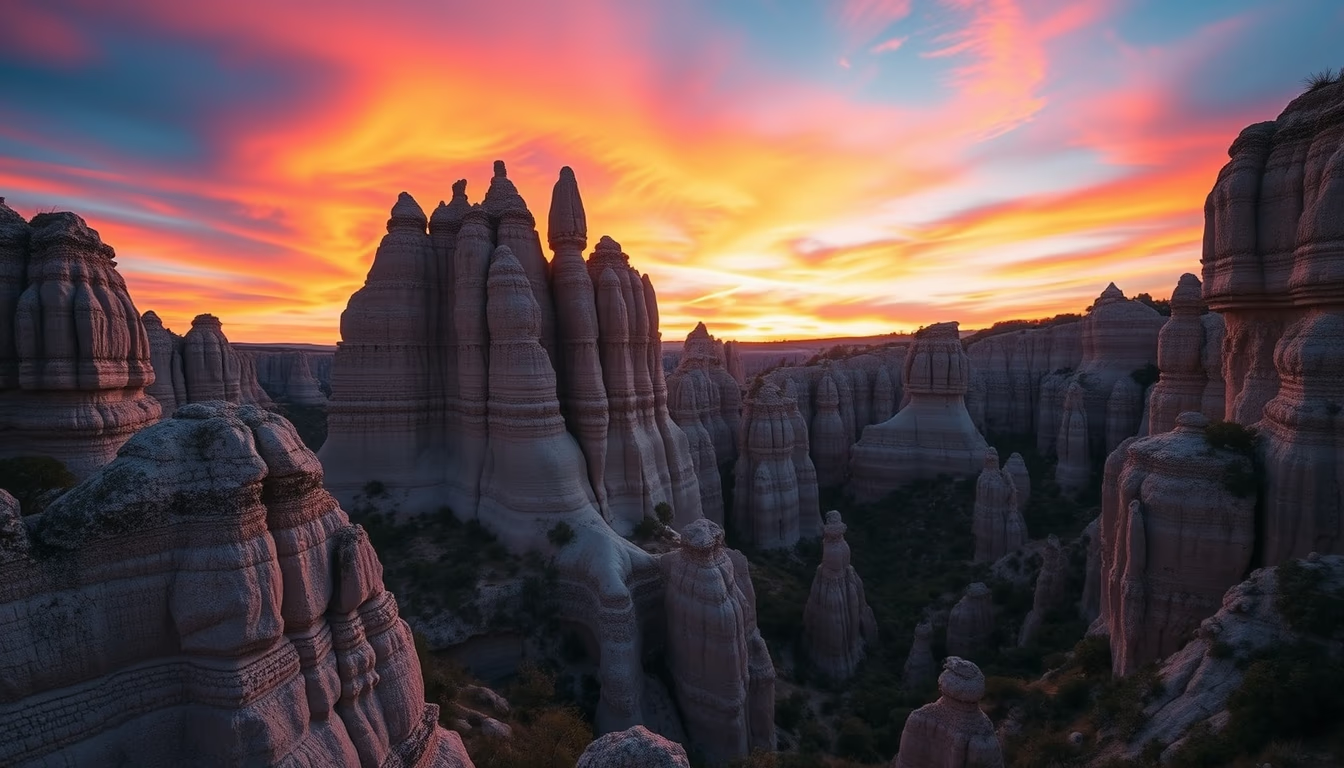
This rock occurs in many parts of Brazil, notably in the Botucatu Formation (stretching across Rio Grande do Sul, Santa Catarina, São Paulo, and Mato Grosso do Sul), where it forms towering sandstone cliffs that host canyons and waterfalls. Internationally, iconic exposures include Monument Valley in Arizona (USA) and Timna Park in Israel. Due to its aesthetic appeal and durability, red laminated sandstone is widely used as dimension stone for cladding, flooring, and decorative elements.
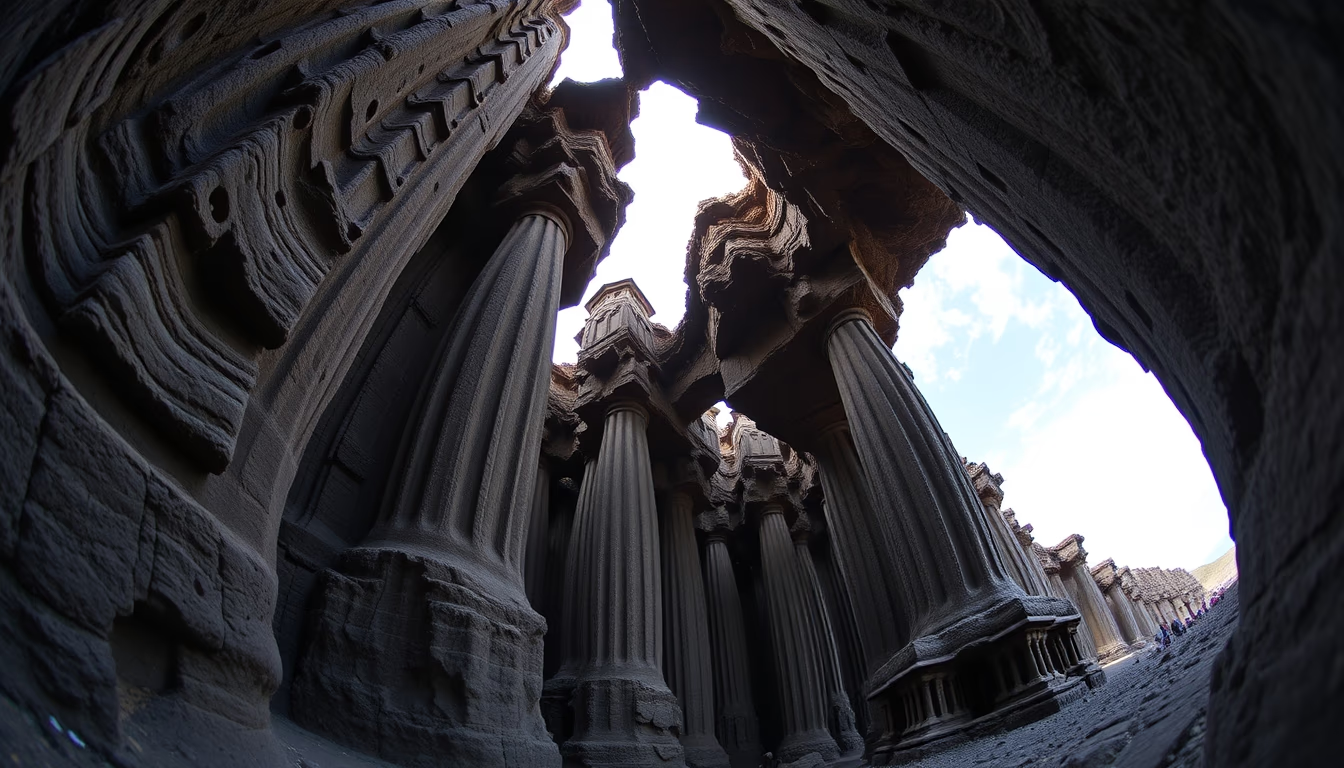
A fascinating detail is that the shade of red can vary depending on the oxidation state of iron: darker layers indicate higher hematite content, while orangey hues suggest limonite. Some surfaces preserve ripple marks, evidence of ancient waves or wind, providing valuable data for paleoclimatology. Sandstone also serves as a crucial aquifer, storing groundwater in its interconnected pores, and was used by ancient civilizations in iconic structures such as the rock-cut architecture of Petra, Jordan.
In still life and studio photography, red layered sandstone is prized for its tactile texture and stark color contrasts, where the bedding accentuates depth and visual interest. For mineral collectors, well-stratified specimens are sought after for displaying unique natural patterns, telling a story of millions of years of Earth history.
Frequently Asked Questions
How does red sandstone get its color?
The red color comes from hematite (iron oxide), which coats the sand grains. During formation, iron in the sediment oxidizes upon contact with oxygen, creating a reddish film that persists after compaction.
Where can red layered sandstone be found in Brazil?
In Brazil, it is abundant in the Botucatu Formation, outcropping in Rio Grande do Sul, Santa Catarina, São Paulo, and Mato Grosso do Sul. It also occurs in Chapada Diamantina (BA) and Jalapão (TO), though with different color variations.
What are the main uses of this rock?
It is used as dimension stone for flooring and facades, in sculptures, and for landscaping. Its porosity also makes it useful as a natural filter in water treatment systems and as a reservoir for aquifers.
Direct URL
https://pub-c7d6a6ea828543ac903a74a341ccb2e1.r2.dev/imagens/sandstone-red-layered-studio-still-life-fresh14.avifHow to credit
Include a visible link back to UtilizAí. Copy one of the snippets below:
<a href="https://xn--utiliza-eza.com/en/midia/imagens/sandstone-red-layered-studio-still-life-fresh14">Sandstone red layered</a> by <a href="https://xn--utiliza-eza.com">UtilizAí</a>, licensed under <a href="https://creativecommons.org/licenses/by/4.0/">CC BY 4.0</a>.
[Sandstone red layered](https://xn--utiliza-eza.com/en/midia/imagens/sandstone-red-layered-studio-still-life-fresh14) by [UtilizAí](https://xn--utiliza-eza.com), CC BY 4.0
License: CC-BY-4.0