Sandstone red layered
1344×768 · AVIF · CC BY 4.0
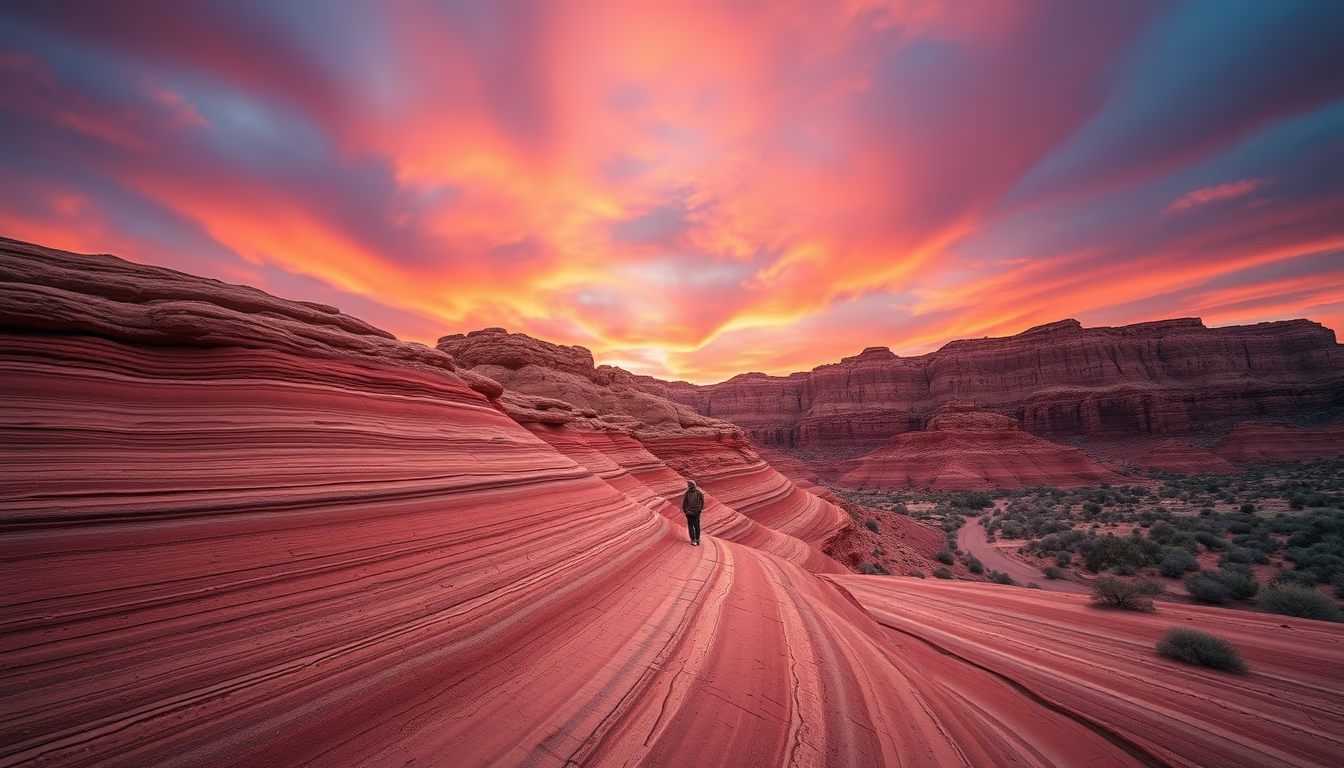
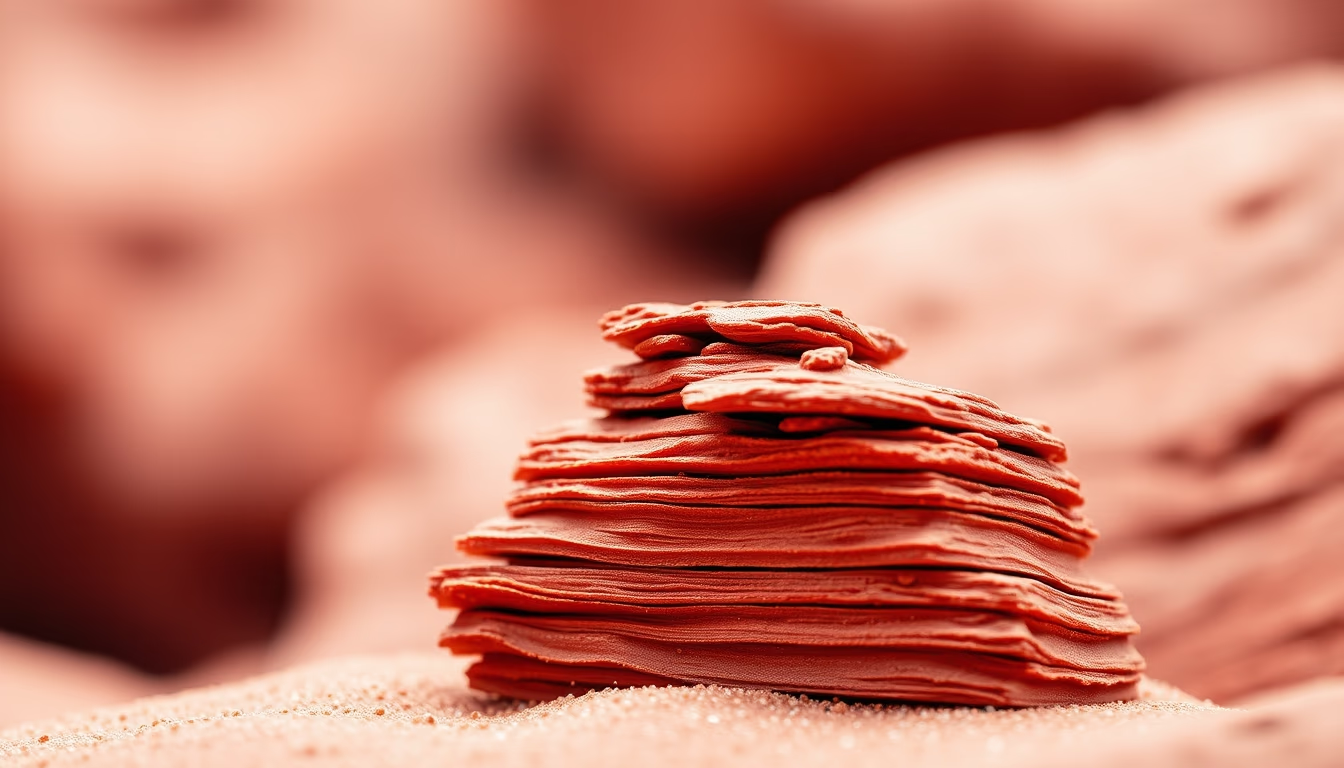
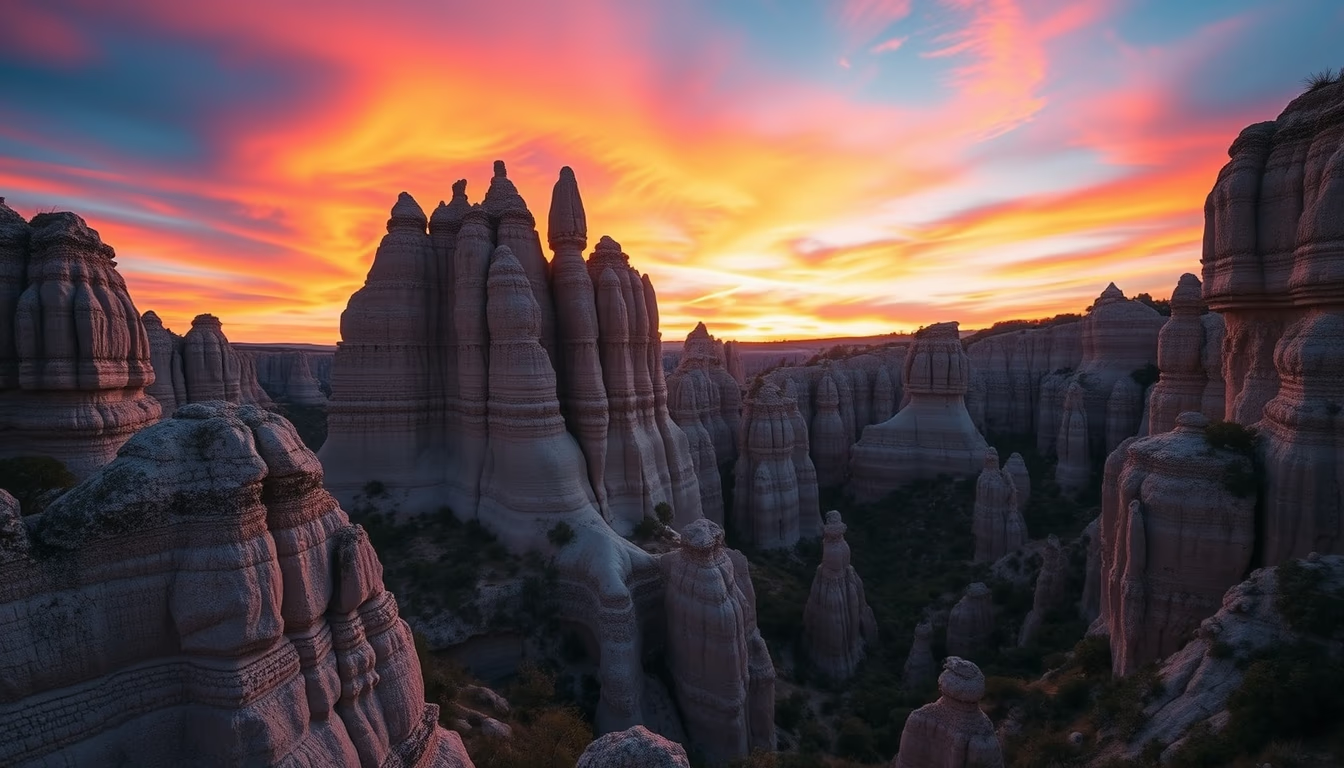
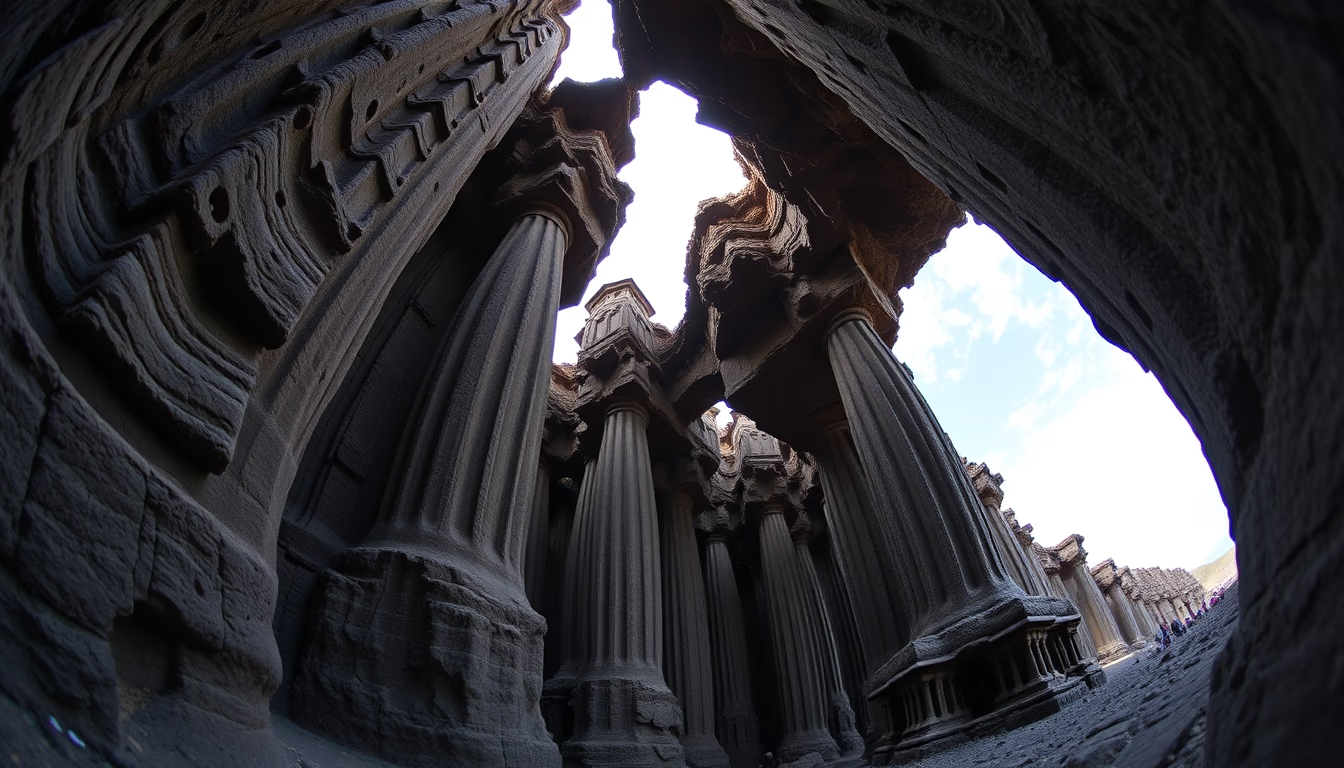
Red layered sandstone, formed millions of years ago through deposition and oxidation, reveals geological history in landscapes like the Atacama Desert or Monument Valley.
About this subject
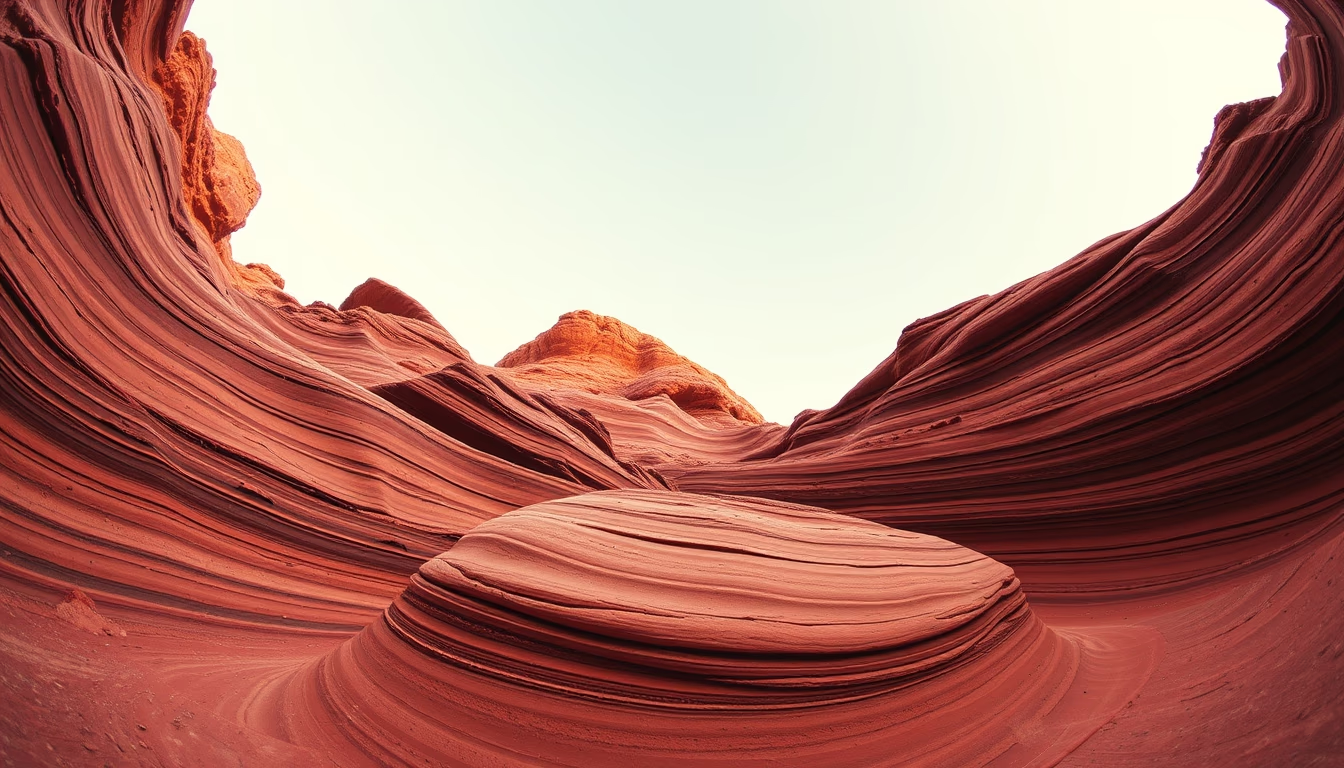
Red layered sandstone is a sedimentary rock composed of sand grains cemented by natural binders such as quartz or calcite. Its characteristic reddish color comes from iron oxides, mainly hematite, which form in oxidizing environments during or after deposition. These layers result from sediment accumulation in ancient deserts, riverbeds, or shallow seas over millions of years. Each stratum represents a specific deposition period, recording climate changes, sea level variations, or tectonic movements.
In Brazil, red sandstone is found in several sedimentary basins, such as the Paraná Basin, where the Botucatu Formation exhibits fossilized dunes from the Jurassic-Cretaceous period. Other notable examples include the sandstones of the Serra Geral Formation in Santa Catarina and outcrops in Chapada Diamantina, Bahia. Worldwide, iconic formations like Monument Valley (USA), the rocks of Wadi Rum (Jordan), and the Bungle Bungles (Australia) are composed of stratified red sandstone.
The scientific importance of these layers is immense: they preserve fossils of ancient organisms, clues about paleoclimates, and records of geological events. For long-exposure photography, the textures and vibrant colors of red sandstone create dramatic compositions, highlighting the regularity and undulation of the layers. Such images help disseminate the beauty of geology and raise awareness about the conservation of natural sites.
Frequently Asked Questions
How is red sandstone formed?
Red sandstone forms from the compaction and cementation of iron-rich sand in oxidizing environments, such as deserts or sea margins. Hematite, an iron oxide, gives the red color. The process takes millions of years.
Where can red sandstone formations be found in Brazil?
Notable Brazilian examples include the Botucatu Formation in the Paraná Basin with fossilized dunes, and outcrops in Chapada Diamantina (BA) and Serra Geral Formation (SC).
What is the scientific importance of sandstone layers?
They record climate changes, tectonic events, and contain fossils. They are key to understanding Earth's geological and biological history.
Direct URL
https://pub-c7d6a6ea828543ac903a74a341ccb2e1.r2.dev/imagens/sandstone-red-layered-long-exposure-fresh15.avifHow to credit
Include a visible link back to UtilizAí. Copy one of the snippets below:
<a href="https://xn--utiliza-eza.com/en/midia/imagens/sandstone-red-layered-long-exposure-fresh15">Sandstone red layered</a> by <a href="https://xn--utiliza-eza.com">UtilizAí</a>, licensed under <a href="https://creativecommons.org/licenses/by/4.0/">CC BY 4.0</a>.
[Sandstone red layered](https://xn--utiliza-eza.com/en/midia/imagens/sandstone-red-layered-long-exposure-fresh15) by [UtilizAí](https://xn--utiliza-eza.com), CC BY 4.0
License: CC-BY-4.0