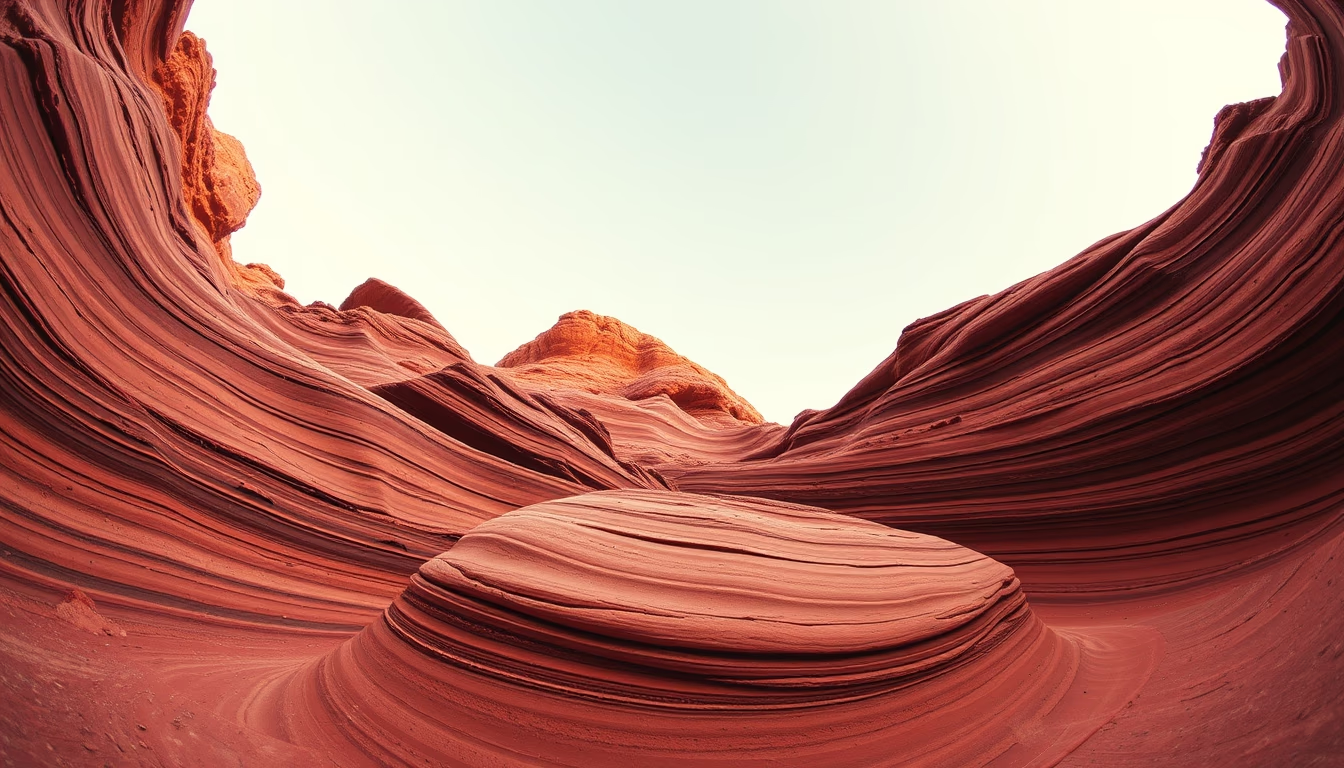
Sandstone red layered
1344×768 · AVIF · CC BY 4.0
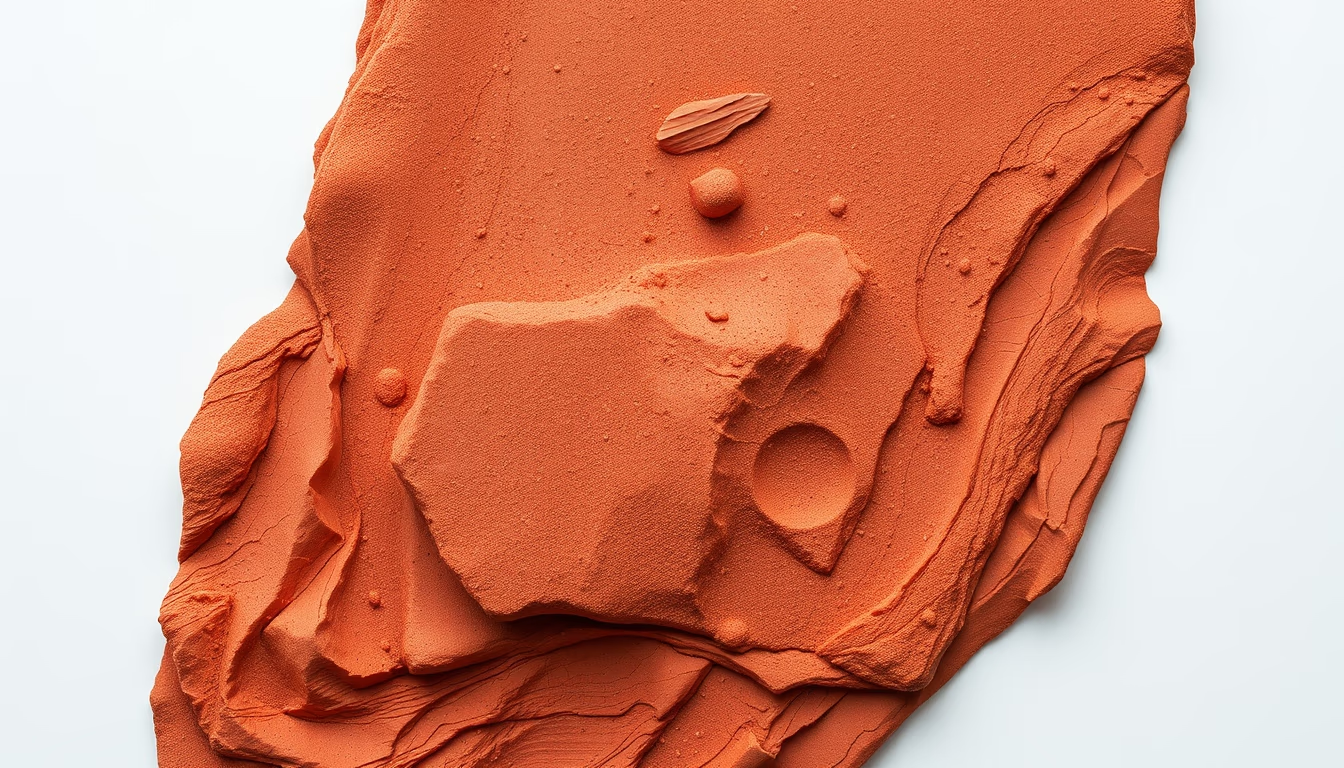
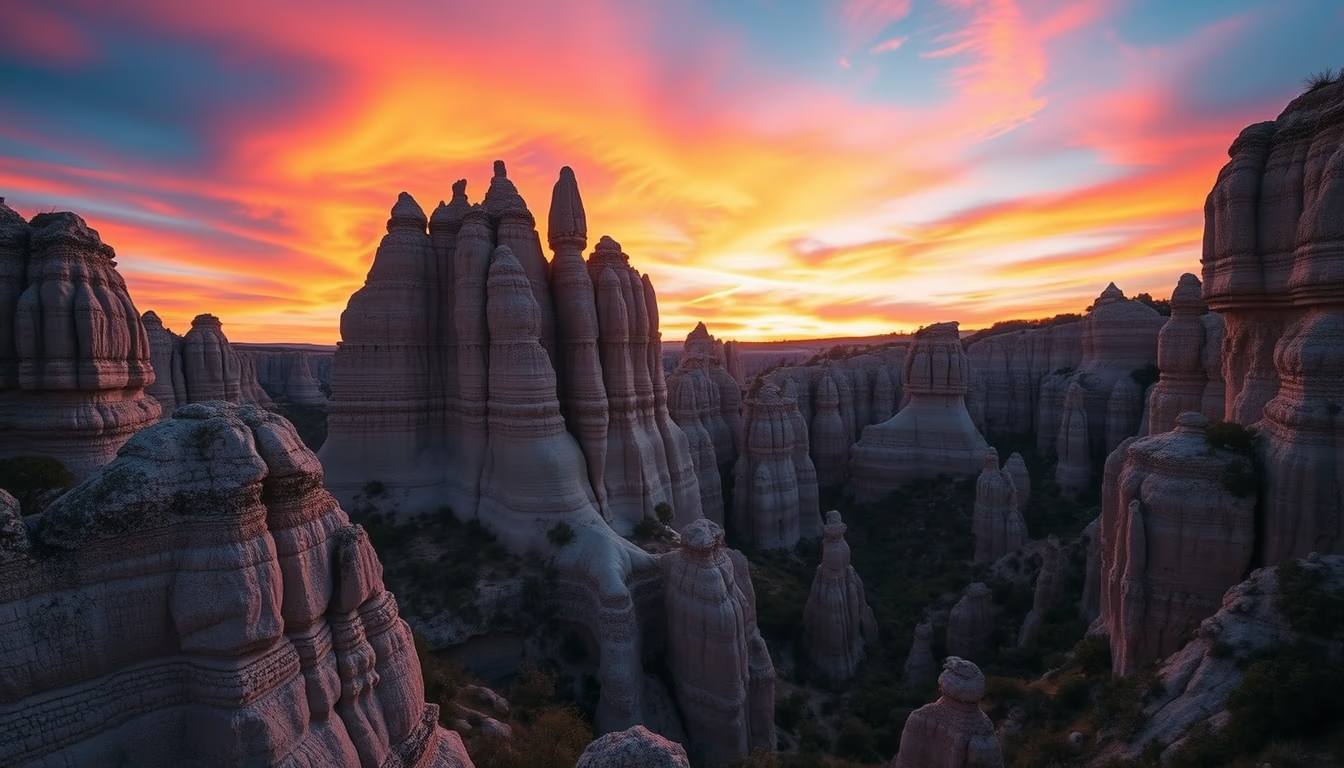
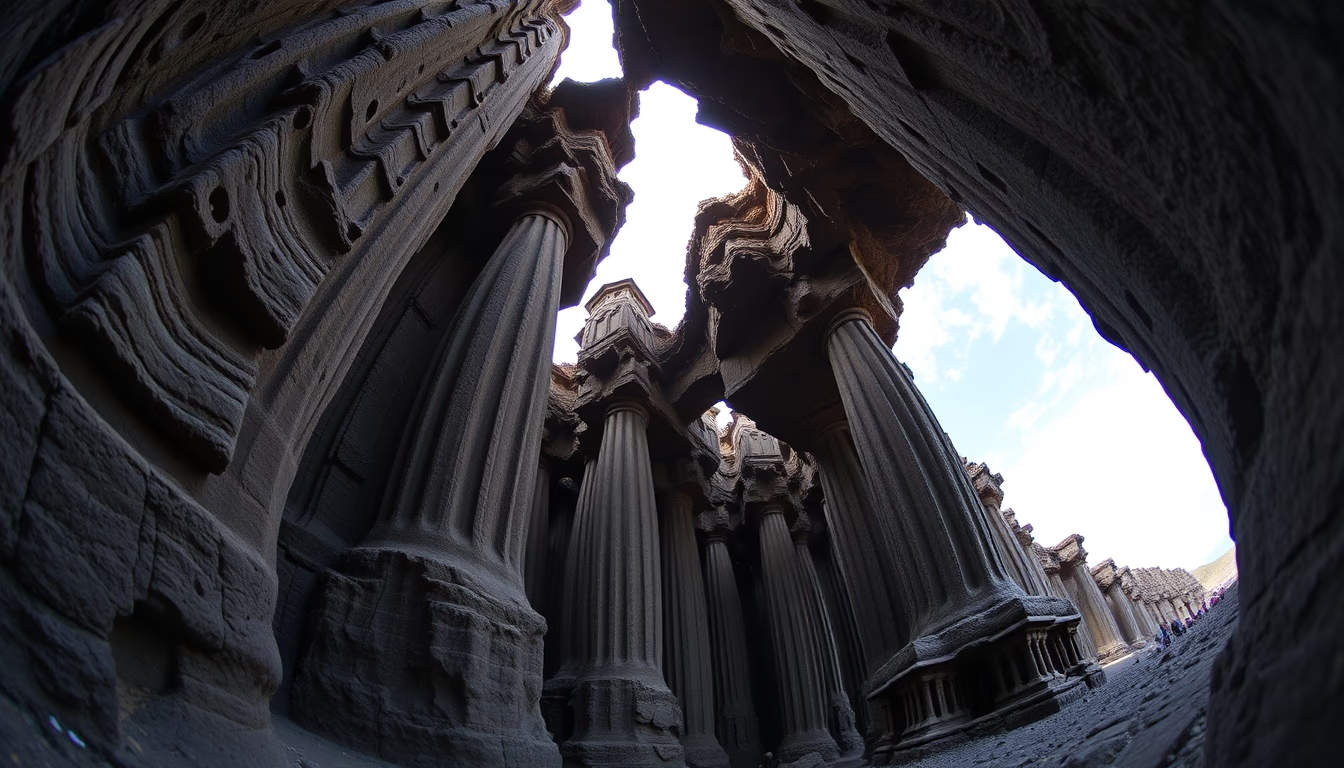
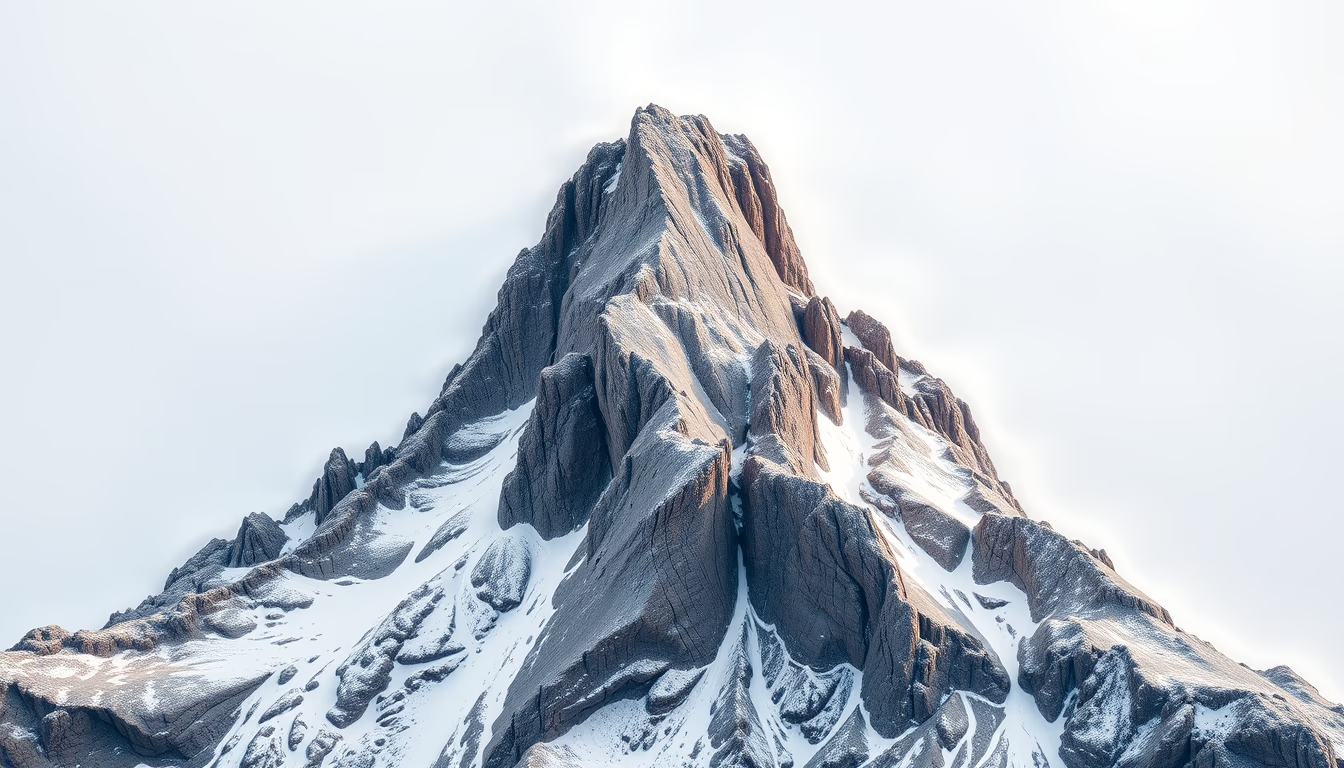
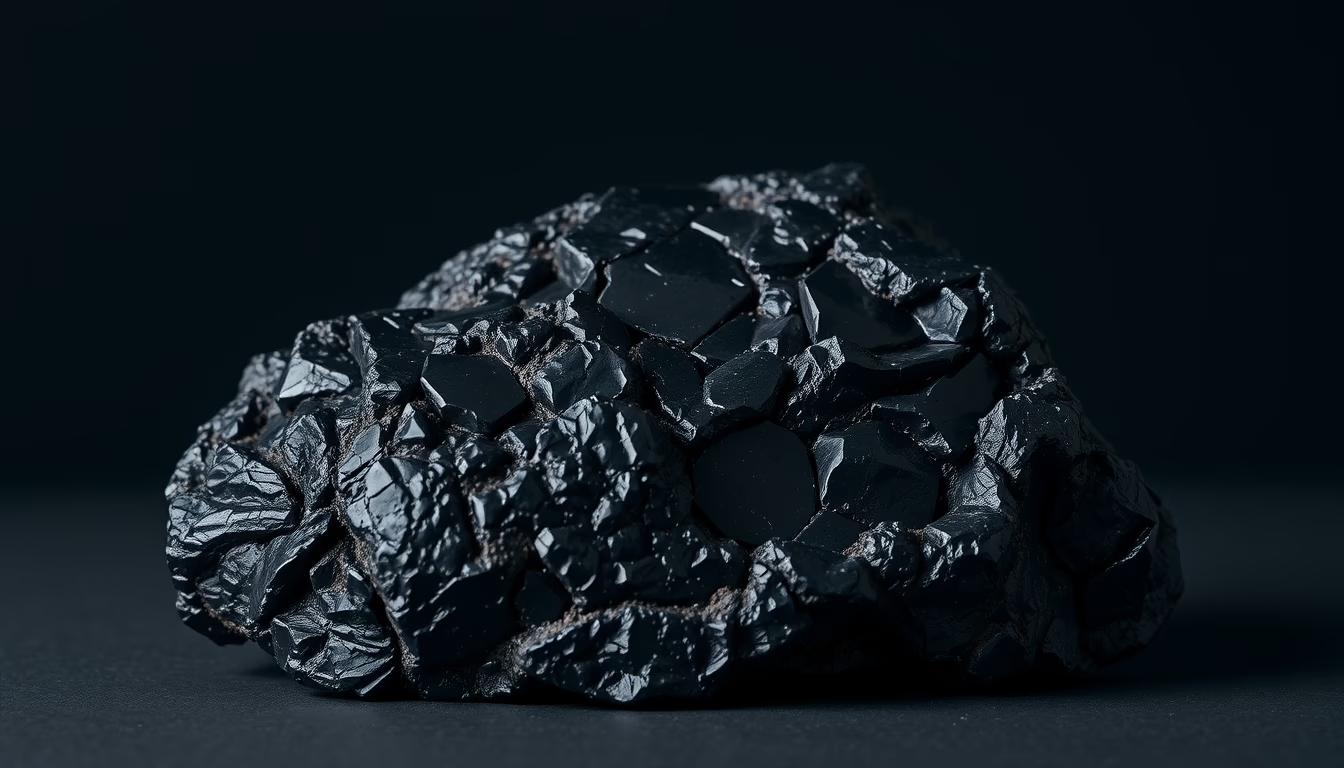
Red sandstone layers reveal millions of years of sedimentation and iron oxidation, forming iconic landscapes worldwide.
About this subject
Red sandstone is a sedimentary rock composed mainly of quartz and feldspar grains, cemented by silica or calcium carbonate. Its characteristic reddish hue comes from the presence of iron oxide (hematite), which forms in oxidizing environments during diagenesis. This rock type is common in ancient deserts and fluvial settings, where sediment deposition occurred over thousands to millions of years. Notable examples include Zion National Park in Utah (USA) and the Bandiagara Escarpment in Mali, both renowned for their stunning red sandstone cliffs.
In Brazil, red sandstone formations are found in the Parnaíba Basin in Maranhão and Piauí, and in the Sete Cidades region of Piauí. These rocks often harbor fossils of dinosaurs and other prehistoric organisms, providing valuable clues about the evolution of life and climate in the past. Geological studies indicate that red sandstone formed mainly during the Permian-Triassic period, about 250 million years ago, when the supercontinent Pangea still existed.
Red sandstone also has economic importance, being used as building stone, in sculptures, and for paving. Its durability and natural beauty make it popular in architectural and landscaping projects. Moreover, the rock is an important reservoir for groundwater and petroleum in some sedimentary basins. Interestingly, the red color can vary in intensity depending on hematite concentration and grain size, creating striking visual patterns that fascinate geologists and tourists alike.
Frequently Asked Questions
Why is red sandstone red?
The red coloration is due to the presence of iron oxide, mainly hematite, which forms when iron-rich sediments are exposed to oxidizing environments during compaction and cementation.
Where are red sandstone formations found in Brazil?
In Brazil, notable red sandstone formations are found in the Parnaíba Basin (Maranhão and Piauí) and at Sete Cidades National Park in Piauí. These sites feature layers up to hundreds of meters thick.
How old are red sandstone layers?
Most red sandstone dates from the Permian-Triassic period, roughly 250 million years ago, though regional variations exist. Fossils found in these rocks help accurately determine their age.
Direct URL
https://pub-c7d6a6ea828543ac903a74a341ccb2e1.r2.dev/imagens/sandstone-red-layered-isometric-flat-lay-fresh16.avifHow to credit
Include a visible link back to UtilizAí. Copy one of the snippets below:
<a href="https://xn--utiliza-eza.com/en/midia/imagens/sandstone-red-layered-isometric-flat-lay-fresh16">Sandstone red layered</a> by <a href="https://xn--utiliza-eza.com">UtilizAí</a>, licensed under <a href="https://creativecommons.org/licenses/by/4.0/">CC BY 4.0</a>.
[Sandstone red layered](https://xn--utiliza-eza.com/en/midia/imagens/sandstone-red-layered-isometric-flat-lay-fresh16) by [UtilizAí](https://xn--utiliza-eza.com), CC BY 4.0
License: CC-BY-4.0