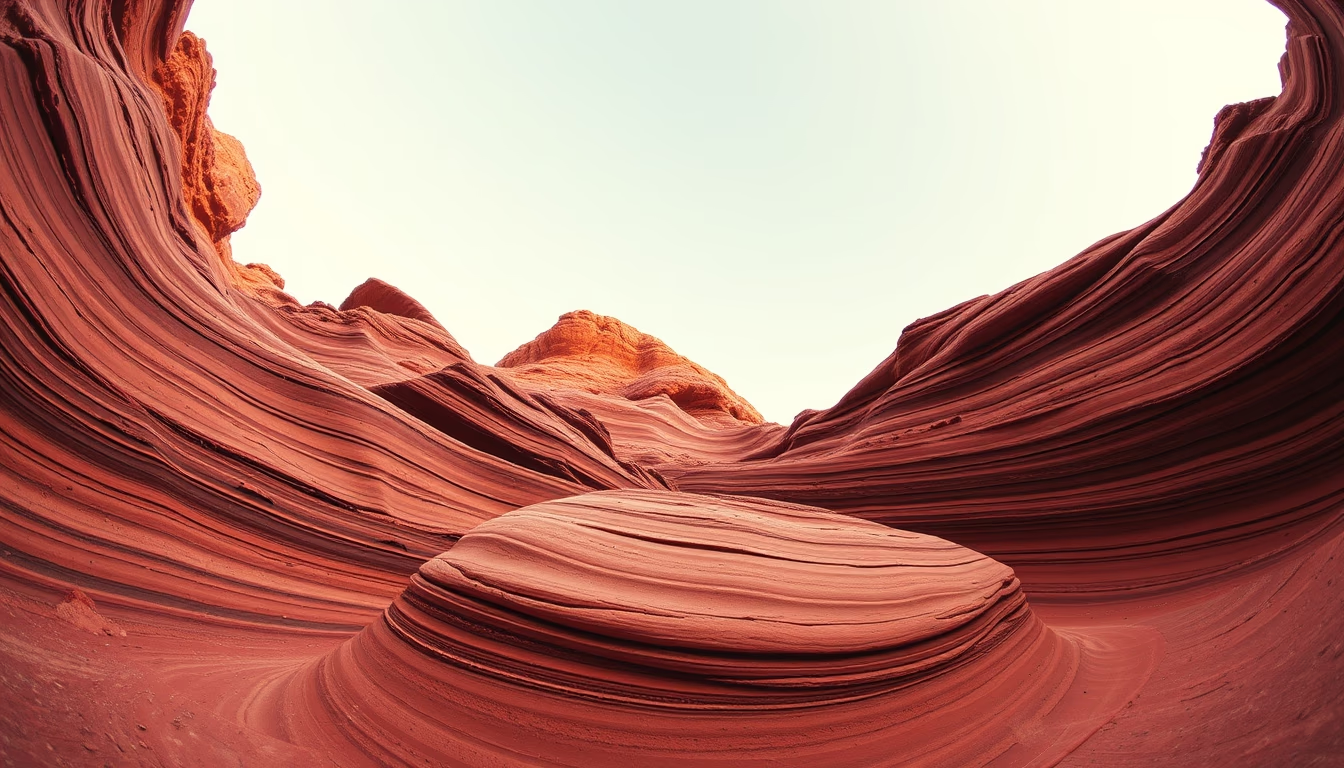
Sandstone red layered
1344×768 · AVIF · CC BY 4.0
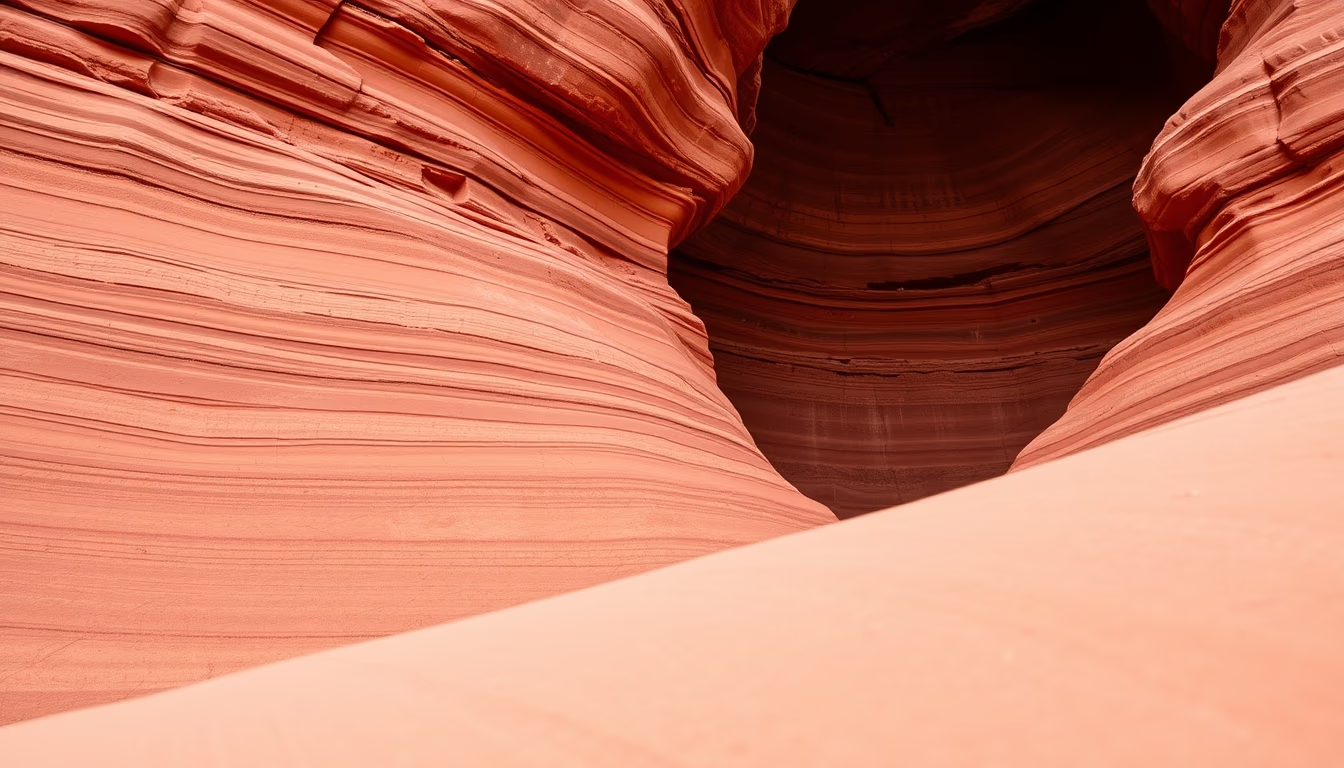
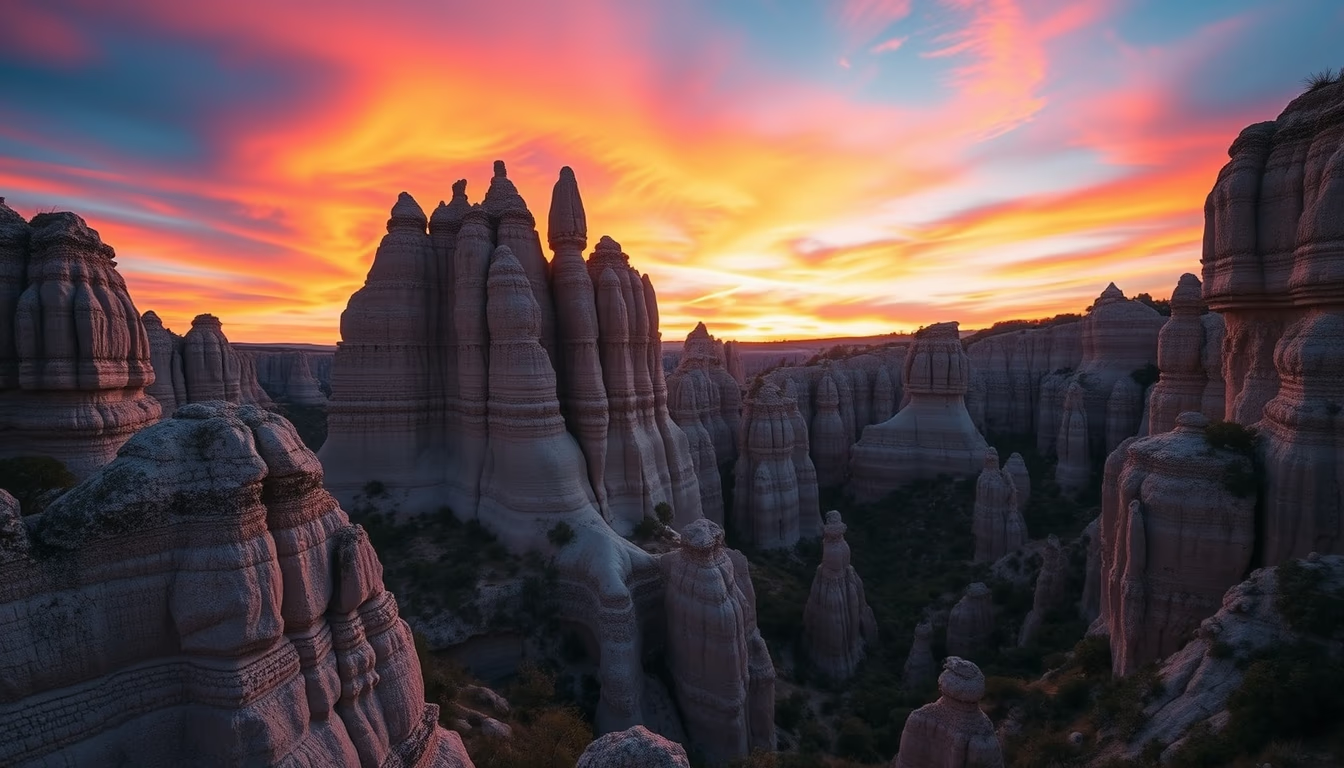
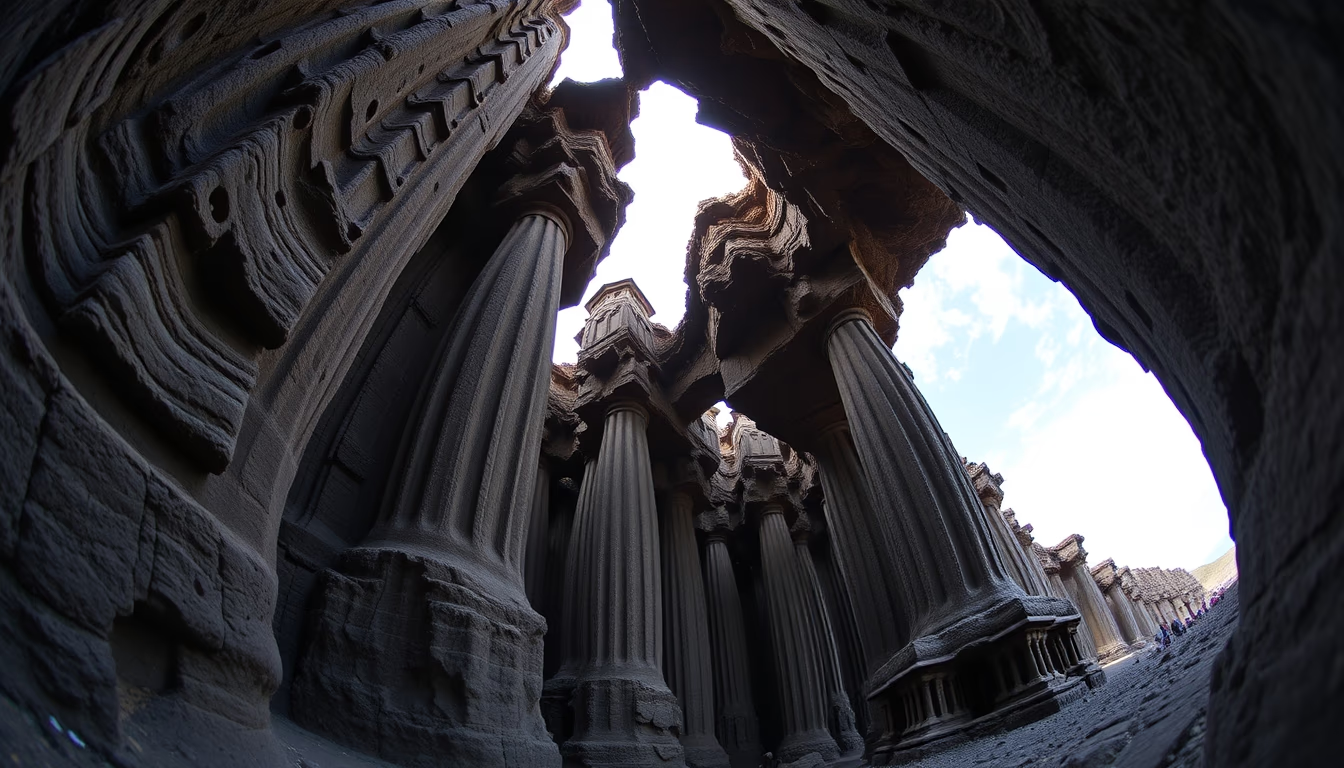
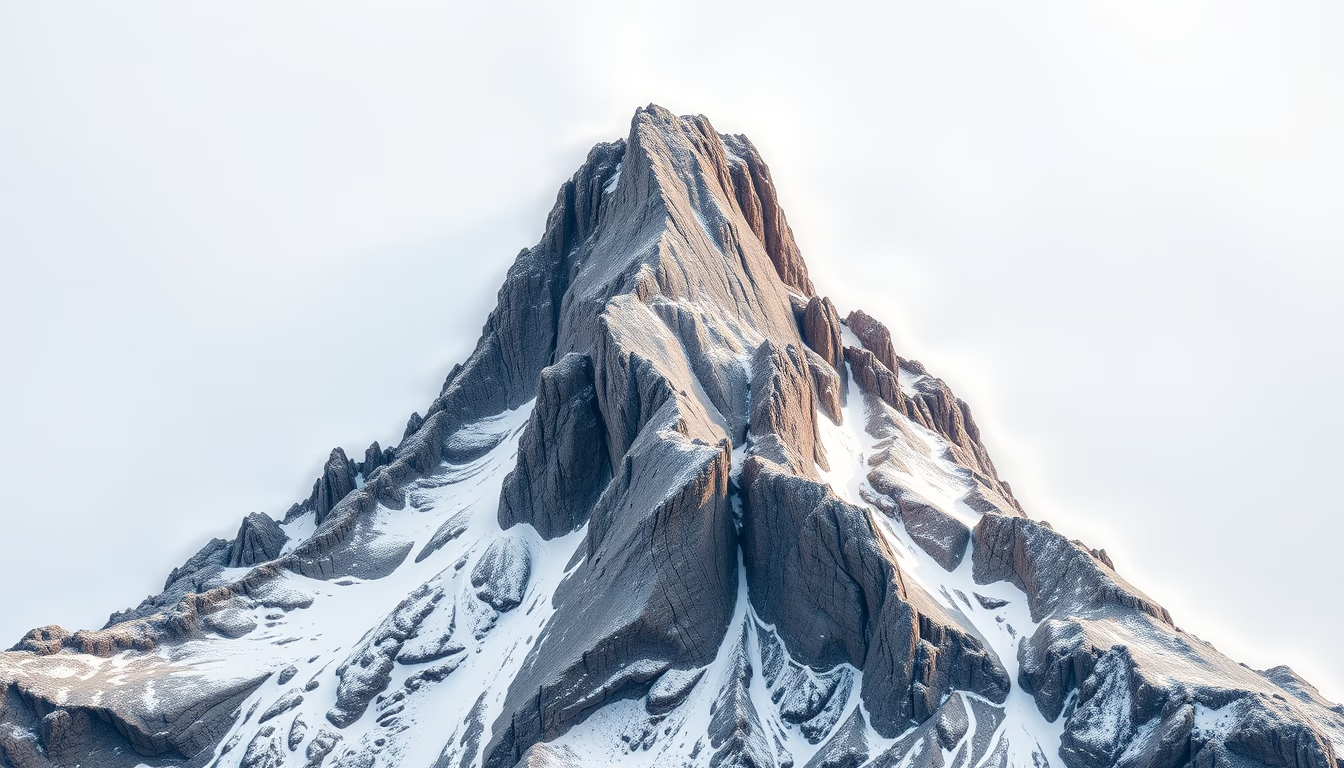
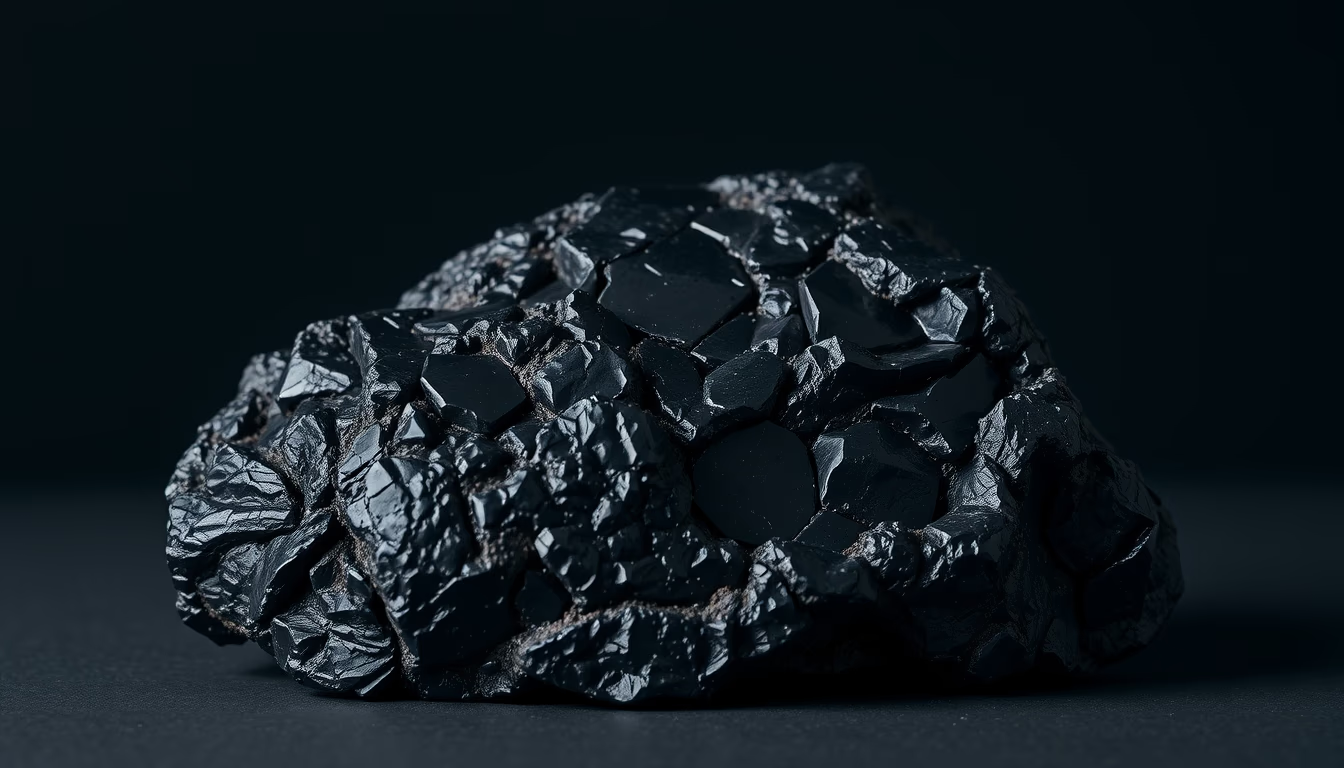
Layers of red sandstone reveal millions of years of geological history, with intense colors and shapes sculpted by wind and water.
About this subject
Red sandstone is a sedimentary rock formed by the compaction of sand grains over geological eras. Its characteristic reddish color is due to the presence of iron oxide, especially hematite, which acts as a natural pigment. The visible layers in sandstone represent different deposition periods, each preserving records of ancient environments such as deserts, riverbeds, or coastal regions.
In Brazil, red sandstone formations are found in various national parks and natural monuments. A notable example is Pedra do Baú in São Paulo, with its imposing reddish sandstone walls. Another famous occurrence is in Lençóis Maranhenses National Park, where white sand dunes contrast with red sandstone outcrops. Globally, places like Zion National Park in the United States and the Gobi Desert in Asia display spectacular red sandstone cliffs.
The durability of sandstone varies depending on the cement that binds the grains. When the cement is rich in silica or calcite, the rock becomes more resistant, making it useful in construction and historical monuments. Red sandstone is also appreciated in art and photography, as the textures and patterns of the layers create visually fascinating compositions. Differential erosion along fractures and bedding planes produces unique shapes such as arches and pinnacles.
Interestingly, sandstone layers can contain fossils of organisms that lived millions of years ago, from dinosaur footprints to plant remains. Geological studies of these layers help reconstruct paleoenvironments and understand past climate changes. Preserving these formations is important for both science and tourism, attracting visitors who seek to admire natural beauty and learn about Earth's history.
Frequently Asked Questions
What causes the red color in sandstone?
The red color is caused by the presence of iron oxide, mainly hematite, which coats the sand grains and acts as a natural pigment.
Where can I find red sandstone formations in Brazil?
In Brazil, outcrops occur in places such as Pedra do Baú (SP), Lençóis Maranhenses National Park (MA), and Chapada Diamantina (BA).
How do sandstone layers form?
Layers form by successive deposition of sediments over time. Each layer corresponds to a period of accumulation, varying in thickness and composition.
Direct URL
https://pub-c7d6a6ea828543ac903a74a341ccb2e1.r2.dev/imagens/sandstone-red-layered-fine-art-photography-fresh6.avifHow to credit
Include a visible link back to UtilizAí. Copy one of the snippets below:
<a href="https://xn--utiliza-eza.com/en/midia/imagens/sandstone-red-layered-fine-art-photography-fresh6">Sandstone red layered</a> by <a href="https://xn--utiliza-eza.com">UtilizAí</a>, licensed under <a href="https://creativecommons.org/licenses/by/4.0/">CC BY 4.0</a>.
[Sandstone red layered](https://xn--utiliza-eza.com/en/midia/imagens/sandstone-red-layered-fine-art-photography-fresh6) by [UtilizAí](https://xn--utiliza-eza.com), CC BY 4.0
License: CC-BY-4.0