Sandstone red layered
1344×768 · AVIF · CC BY 4.0
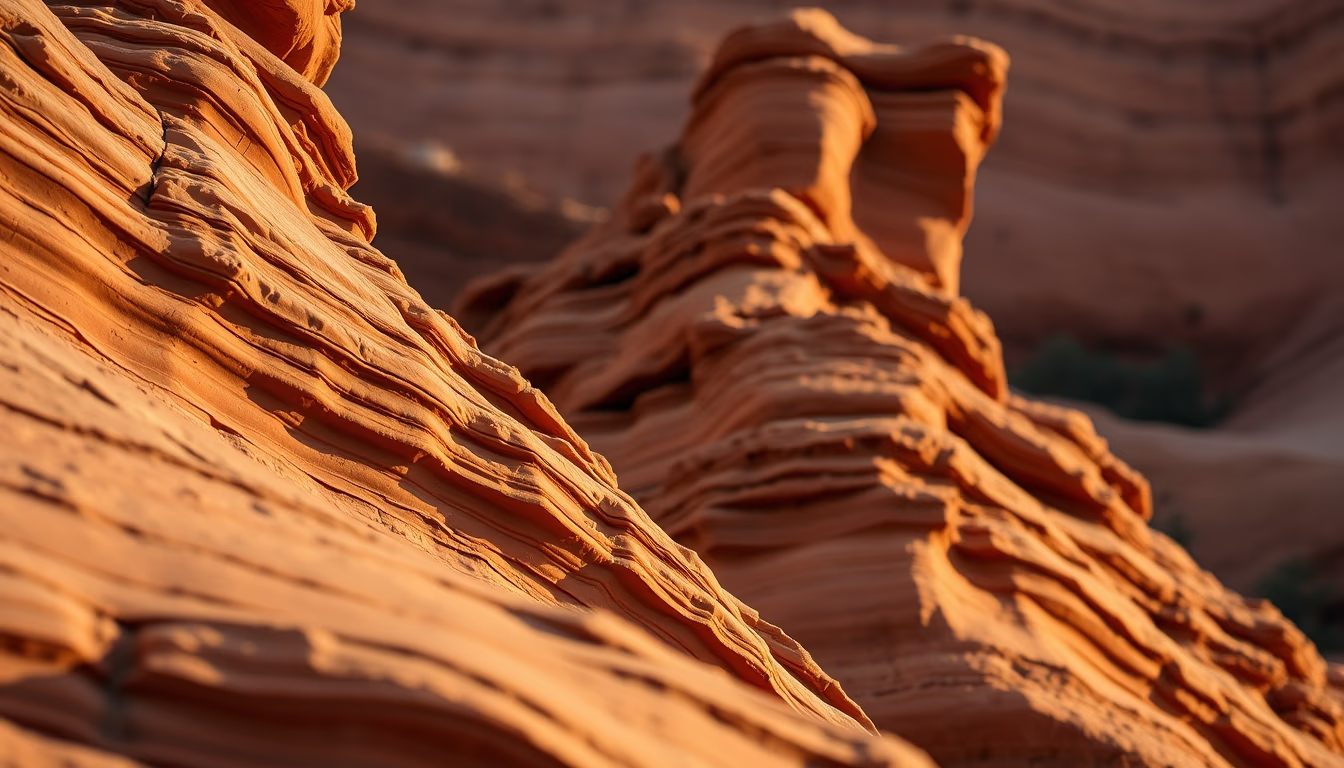
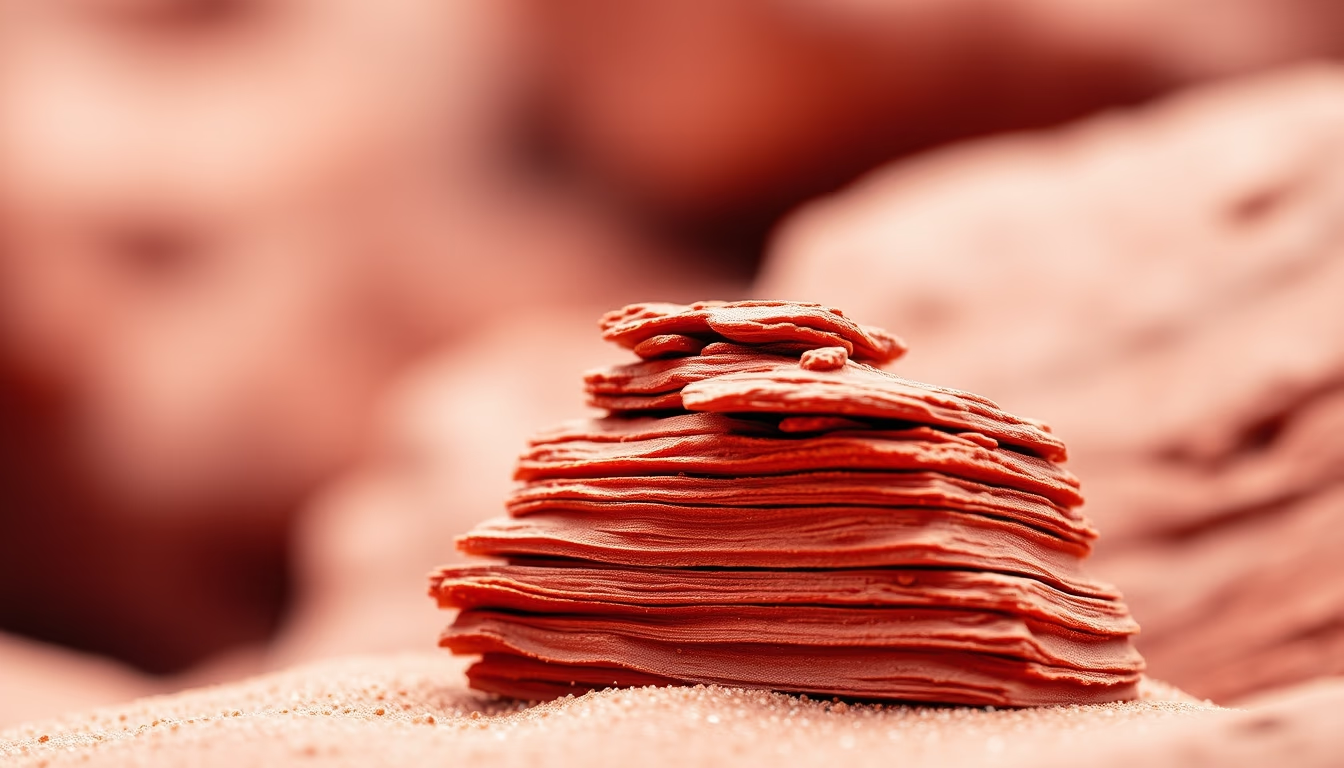
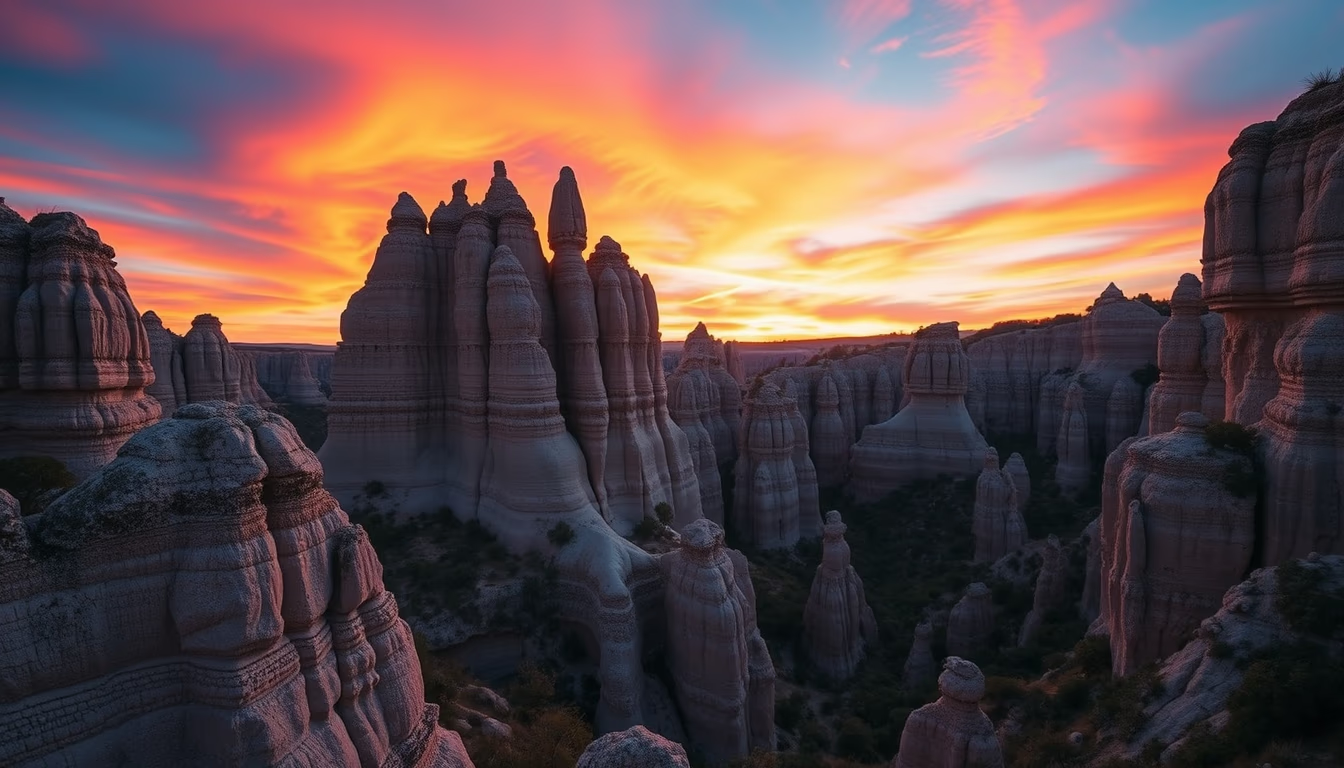
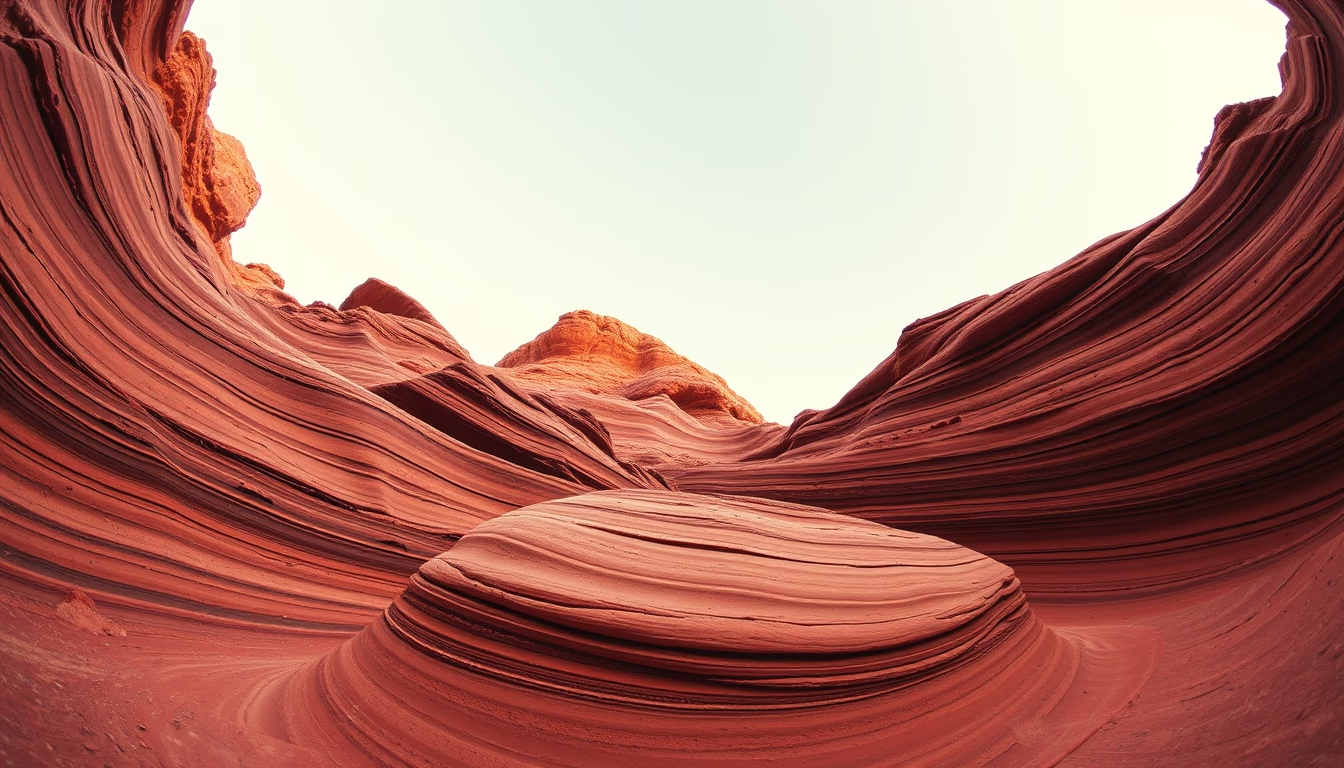
Layers of red sandstone reveal millions of years of geological history, sculpted by wind and water into stunning formations worldwide.
About this subject
Red sandstone is a clastic sedimentary rock composed mainly of quartz grains and cemented by iron oxide, which gives it its characteristic color. Its formation takes place over millions of years when sands deposited in deserts, riverbeds, or coastal environments are compacted and lithified. The iron oxide, such as hematite, acts as a natural pigment, creating tones from orange to deep red.
These rocks are found in many parts of the world, notably in U.S. national parks like Zion and Bryce Canyon, where exposed layers tell the story of past geological eras. In Brazil, red sandstone formations appear in places like Chapada dos Veadeiros in Goiás and Catimbau National Park in Pernambuco. Horizontal or tilted layers result from tectonic and erosive processes that have shaped unique landscapes.
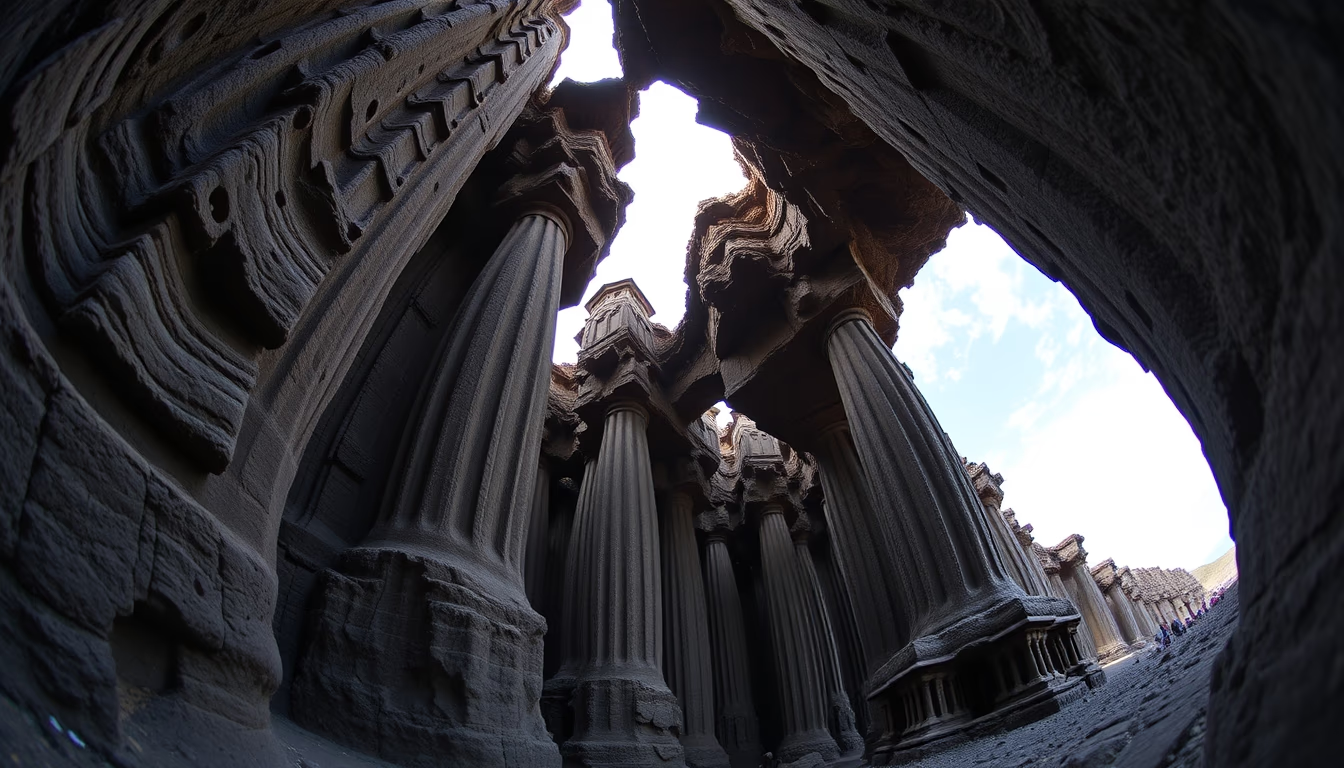
Culturally, red sandstone has been used as a building material since ancient times. Petra in Jordan is carved directly into red sandstone cliffs, demonstrating the material's durability and beauty. In arid regions, differential erosion between harder and softer layers creates escarpments, arches, and maze-like structures that attract geologists and tourists. The presence of fossils within the layers also provides clues about life in the distant past.
Frequently Asked Questions
Why is sandstone red?
The red color of sandstone is caused by the presence of iron oxide, mainly hematite, which acts as a pigment between quartz grains. This mineral forms in oxidizing environments common in deserts and arid regions.
Where can I find red sandstone formations in Brazil?
In Brazil, red sandstone formations are found in Chapada dos Veadeiros (GO), Catimbau National Park (PE), and the Vila Velha region (PR), among other locations with sedimentary rock landscapes.
What is the geological importance of red sandstone?
Red sandstone records ancient environmental conditions, such as deserts and riverbeds. Its layers preserve sedimentary structures and fossils, helping scientists reconstruct paleoclimates and Earth's history.
Direct URL
https://pub-c7d6a6ea828543ac903a74a341ccb2e1.r2.dev/imagens/sandstone-red-layered-documentary-photography-fresh0.avifHow to credit
Include a visible link back to UtilizAí. Copy one of the snippets below:
<a href="https://xn--utiliza-eza.com/en/midia/imagens/sandstone-red-layered-documentary-photography-fresh0">Sandstone red layered</a> by <a href="https://xn--utiliza-eza.com">UtilizAí</a>, licensed under <a href="https://creativecommons.org/licenses/by/4.0/">CC BY 4.0</a>.
[Sandstone red layered](https://xn--utiliza-eza.com/en/midia/imagens/sandstone-red-layered-documentary-photography-fresh0) by [UtilizAí](https://xn--utiliza-eza.com), CC BY 4.0
License: CC-BY-4.0