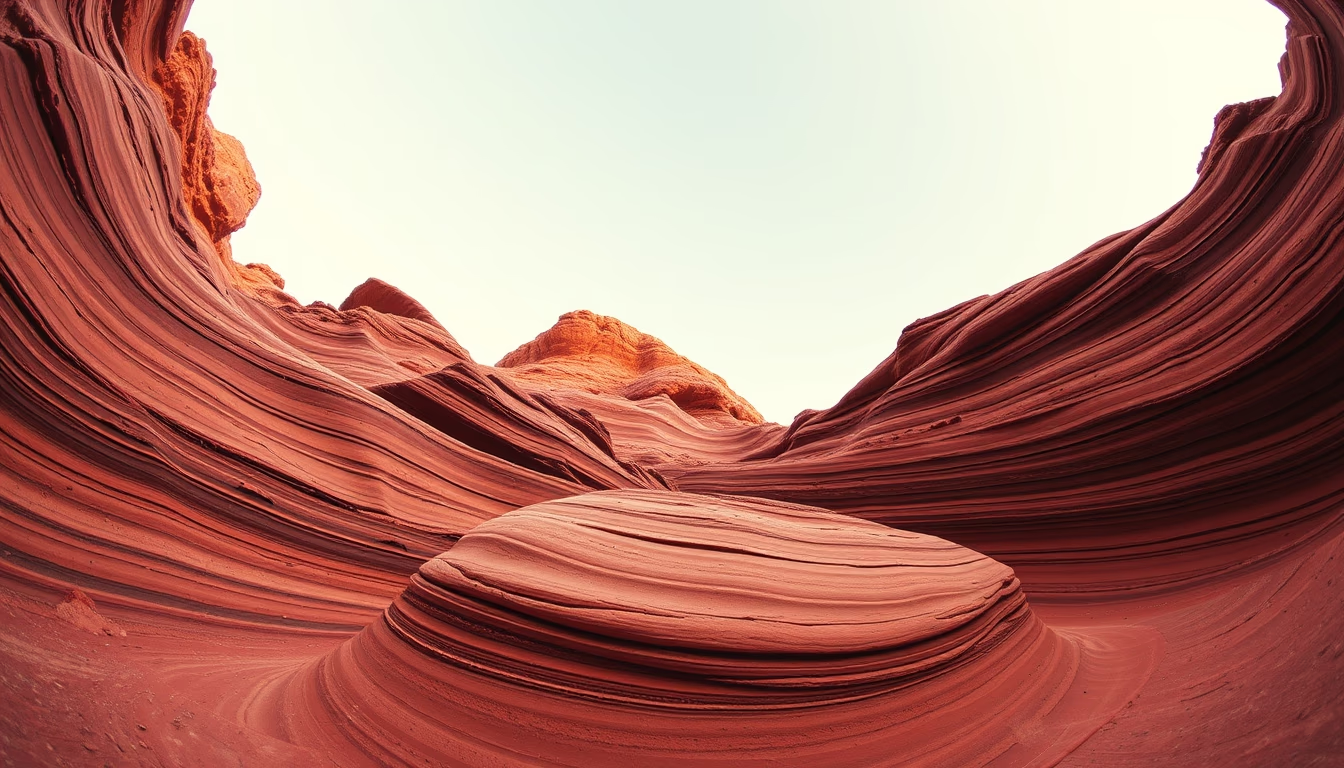
Sandstone red layered
1344×768 · AVIF · CC BY 4.0
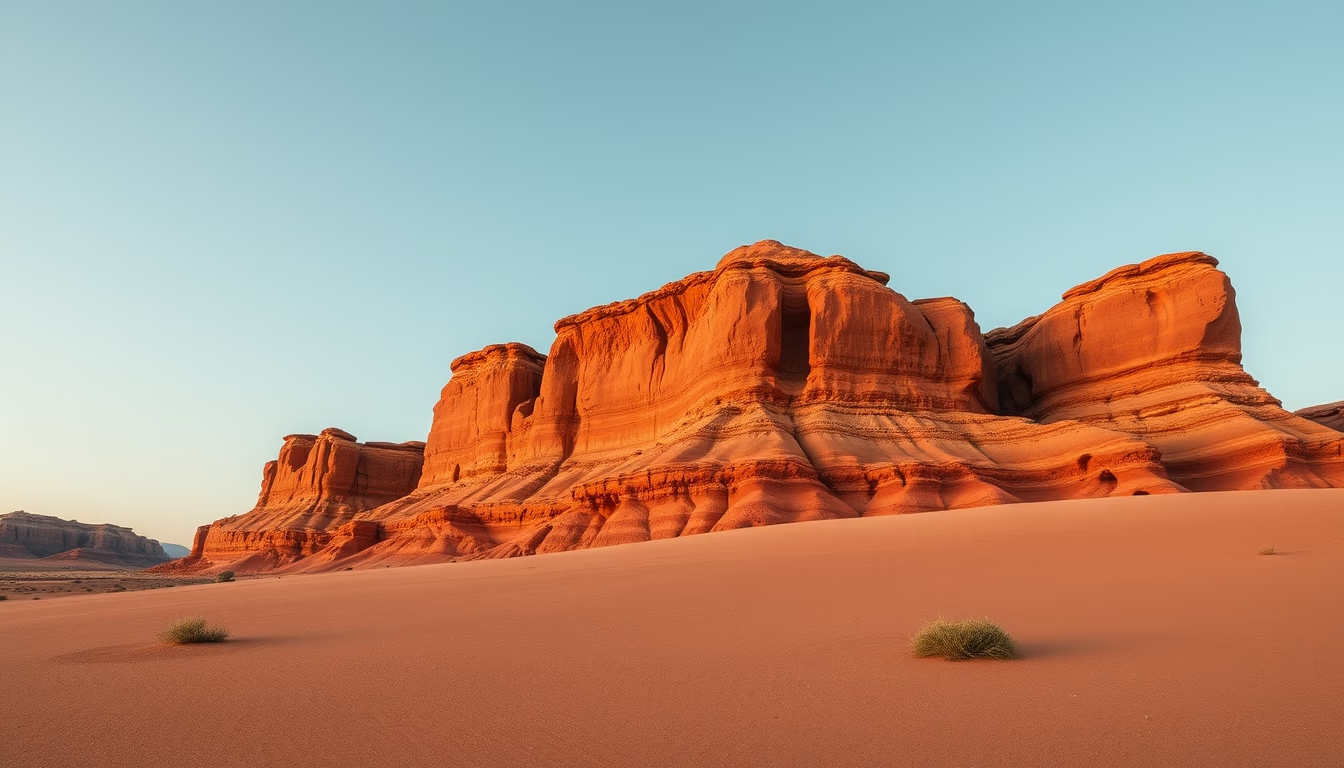
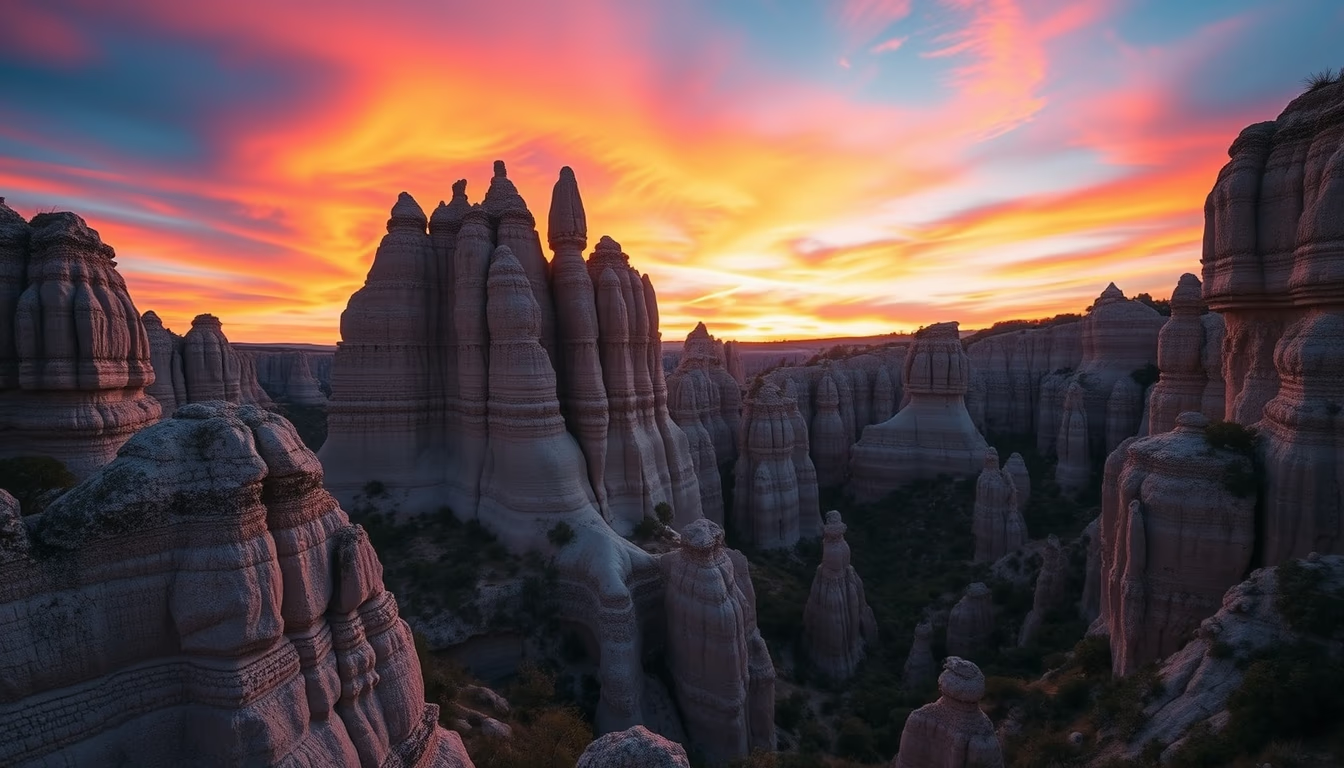
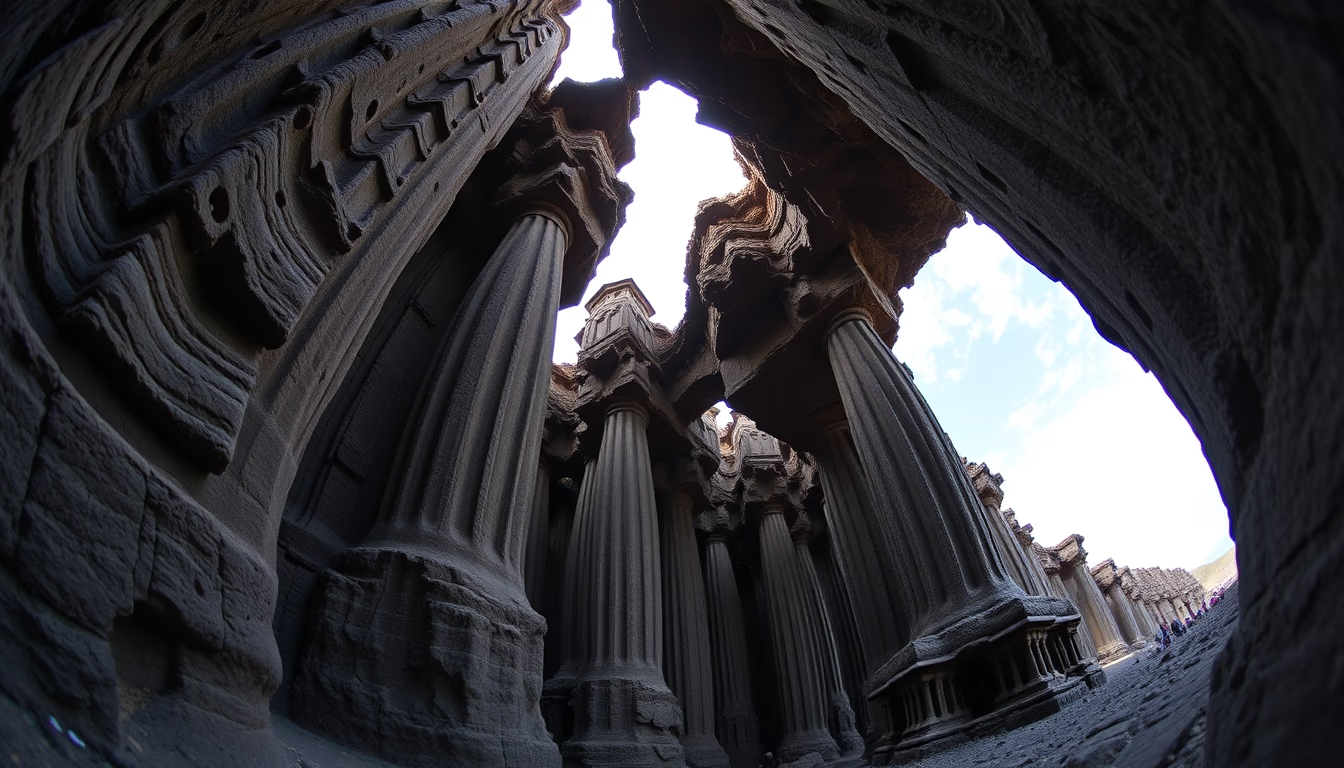
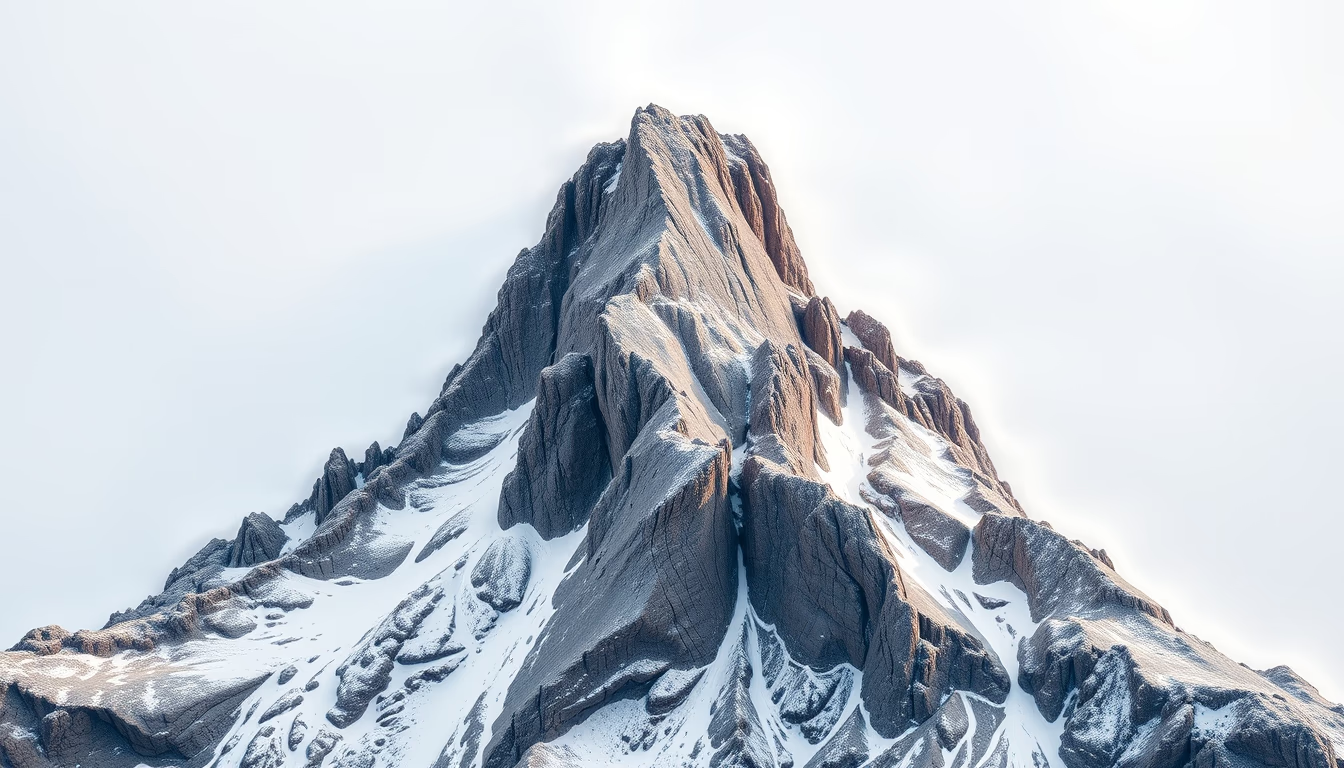
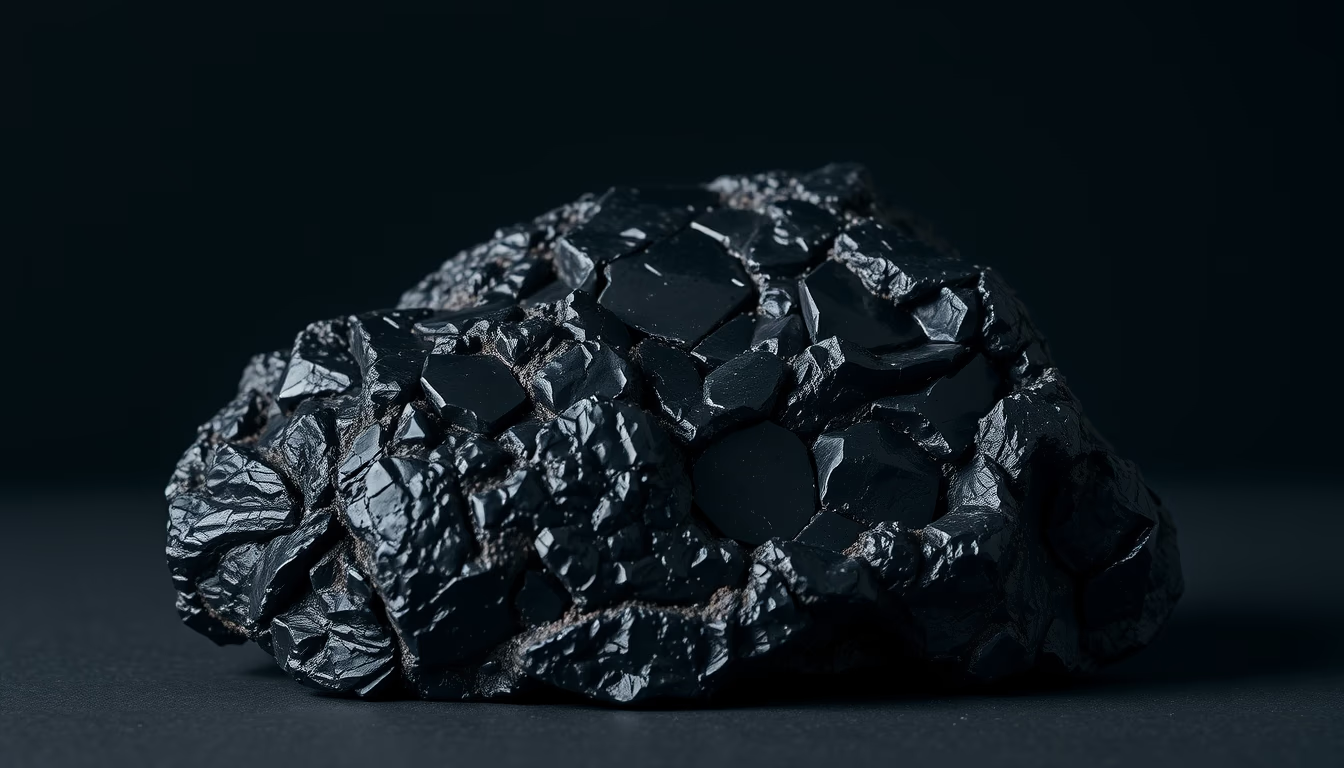
Red sandstone layers reveal millions of years of geological history, common in formations like Monument Valley in the USA and Chapada Diamantina in Brazil.
About this subject
Red sandstone is a sedimentary rock formed by the compaction of sand grains over millions of years. Its characteristic red color comes from iron oxide, primarily hematite, which acts as a natural pigment. These layers, or strata, were deposited in ancient environments such as deserts, rivers, or shallow seas, each band representing a different sedimentation period.
In Brazil, red sandstone appears in iconic landscapes like Chapada Diamantina in Bahia and Lençóis Maranhenses National Park, forming cliffs and canyons. In the United States, Monument Valley is a classic example, with red sandstone monuments sculpted by erosion. Other famous sites include Zion National Park and the Grand Canyon, where exposed layers tell the continent's geological history.
Variations in color and layer thickness can indicate climate changes or shifts in sediment sources. Darker layers may contain more organic matter or minerals like manganese. Fossils are often found in these rocks, providing clues about past ecosystems. Sandstone is also widely used in construction as an ornamental stone and in sculpture due to its workability.
Interestingly, red sandstone formation is linked to periods of intense oxidation on Earth, such as the Precambrian and Permian. In some regions, layers reach hundreds of meters thick, as in the Colorado Plateau. Differential erosion creates unique landforms like arches, bridges, and towers, attracting geologists and tourists worldwide.
Frequently Asked Questions
What causes the red color in sandstone?
The red color comes from iron oxide, especially hematite, which coats sand grains during sedimentation and diagenesis.
Where can I find red sandstone formations in Brazil?
In Brazil, notable sites include Chapada Diamantina (Bahia) and Lençóis Maranhenses National Park (Maranhão), as well as outcrops in Minas Gerais and Rio Grande do Sul.
Why are red sandstone layers geologically important?
The layers record ancient environments and climate changes, and often contain fossils. They help understand Earth's history and serve as groundwater reservoirs.
Direct URL
https://pub-c7d6a6ea828543ac903a74a341ccb2e1.r2.dev/imagens/sandstone-red-layered-documentary-nature-style-fresh9.avifHow to credit
Include a visible link back to UtilizAí. Copy one of the snippets below:
<a href="https://xn--utiliza-eza.com/en/midia/imagens/sandstone-red-layered-documentary-nature-style-fresh9">Sandstone red layered</a> by <a href="https://xn--utiliza-eza.com">UtilizAí</a>, licensed under <a href="https://creativecommons.org/licenses/by/4.0/">CC BY 4.0</a>.
[Sandstone red layered](https://xn--utiliza-eza.com/en/midia/imagens/sandstone-red-layered-documentary-nature-style-fresh9) by [UtilizAí](https://xn--utiliza-eza.com), CC BY 4.0
License: CC-BY-4.0