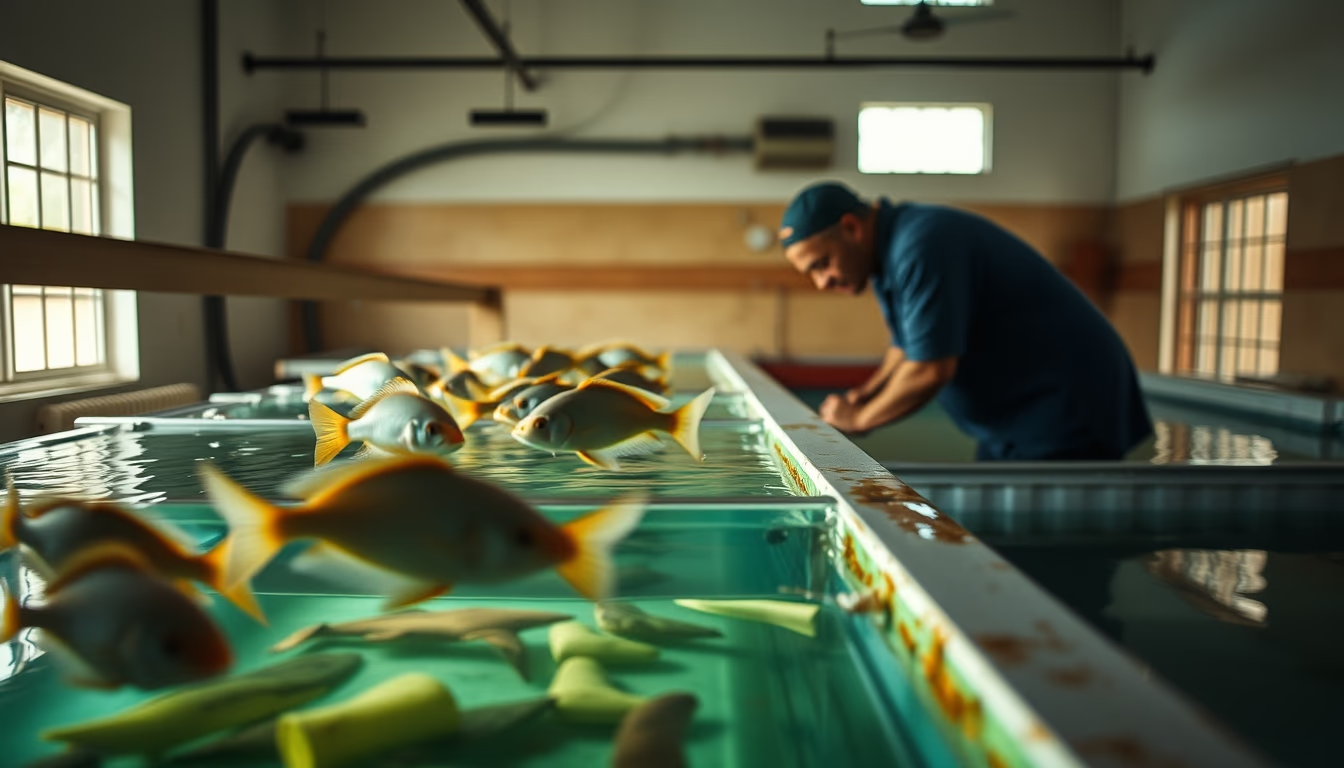
Salmon farm offshore
1344×768 · AVIF · CC BY 4.0
Offshore salmon farming uses submerged cages in open ocean to produce salmon at scale, led by Norway, Chile and Canada.
About this subject
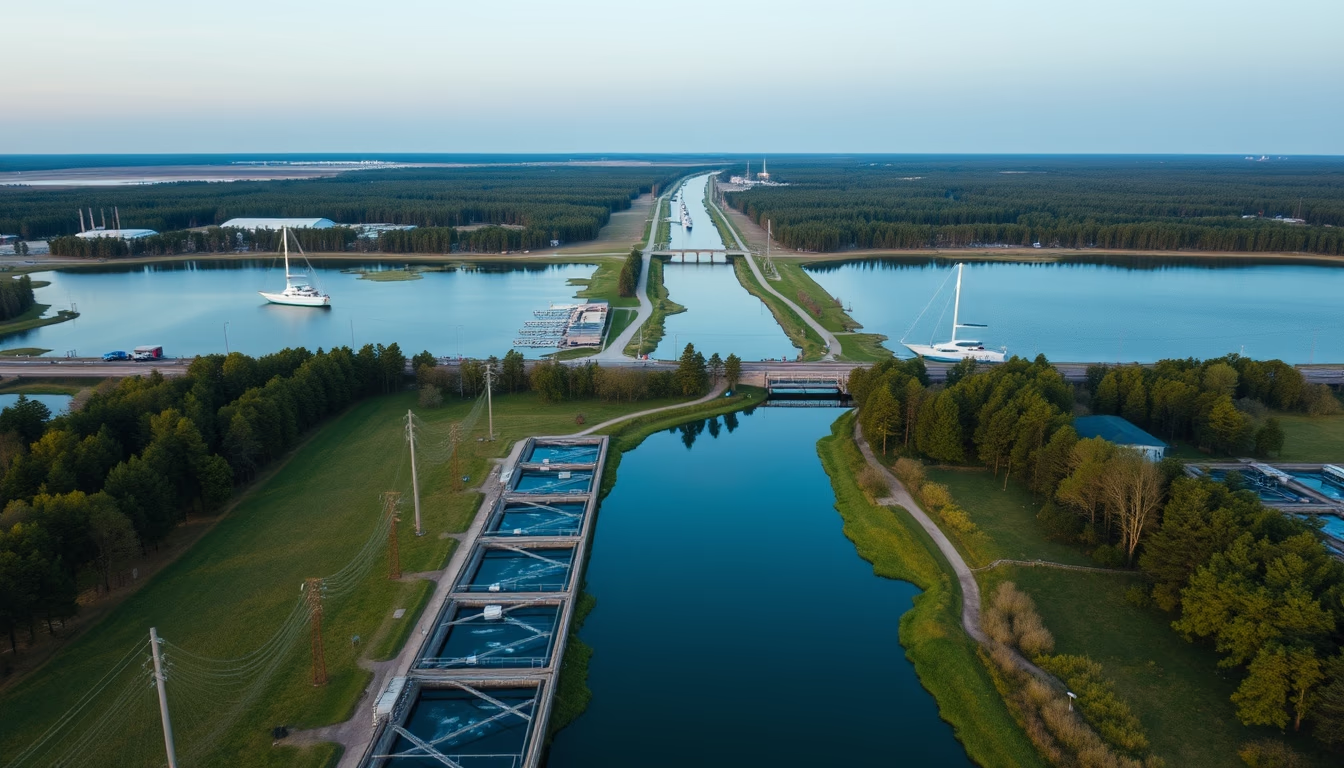
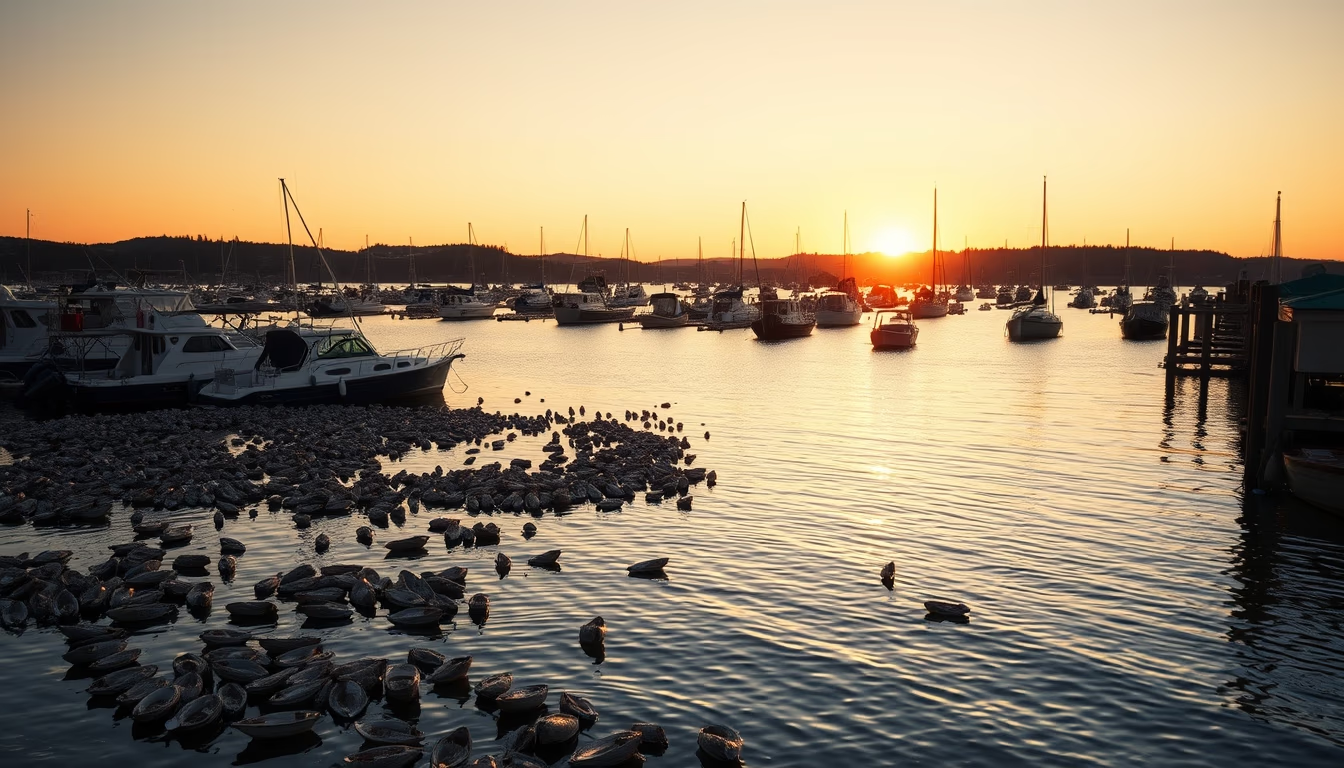
Offshore salmon farming is a type of aquaculture that places submerged cages in open ocean, typically 10 to 30 kilometers from the coast. This method aims to overcome limitations of coastal areas such as pollution and space conflicts, and has grown especially in countries like Norway, Chile and Canada. Cages are anchored to the seabed or held by mooring systems, allowing better water exchange and waste dilution. Atlantic salmon (Salmo salar) is the main species farmed, representing about 70% of global farmed salmon production.
Norway is the world leader, with an annual output of over 1.3 million tons in 2023. The country employs technologies such as submersible spherical cages and automated feeding systems. Chile ranks second with around 700,000 tons, concentrated in the Los Lagos and Aysén regions. Expansion faces environmental challenges: escaped salmon that can compete with native species, sea lice infestations, and organic waste accumulation on the seabed. Stricter regulations, such as minimum distance between farms and controlled antibiotic use, aim to mitigate these impacts.
A notable innovation is the development of cages capable of withstanding harsh ocean conditions, equipped with sensors to monitor oxygen, temperature and currents. In 2022, the first fully submersible offshore farm was deployed in the North Sea, with a capacity of 10,000 tons. Offshore salmon farming accounts for about 20% of global salmon production, expected to reach 35% by 2030, driven by demand for animal protein and coastal space limitations. Despite its potential, installation and operating costs are 30% to 50% higher than coastal farms, requiring significant engineering and logistics investments.
Frequently Asked Questions
What is offshore salmon farming?
It is the cultivation of salmon in submerged cages located in open ocean, far from the coast, using technologies to withstand strong waves and currents.
What are the main environmental challenges?
The main ones are fish escapes, sea lice infestations, and accumulation of feces and uneaten feed on the seabed, which can impact local ecosystems.
Why is Norway the leading producer?
Norway combines protected fjords and cold waters ideal for salmon, plus decades of research and strict regulations that balance productivity and sustainability.
Direct URL
https://pub-c7d6a6ea828543ac903a74a341ccb2e1.r2.dev/imagens/salmon-farm-offshore-commercial-product-photography-fresh8.avifHow to credit
Include a visible link back to UtilizAí. Copy one of the snippets below:
<a href="https://xn--utiliza-eza.com/en/midia/imagens/salmon-farm-offshore-commercial-product-photography-fresh8">Salmon farm offshore</a> by <a href="https://xn--utiliza-eza.com">UtilizAí</a>, licensed under <a href="https://creativecommons.org/licenses/by/4.0/">CC BY 4.0</a>.
[Salmon farm offshore](https://xn--utiliza-eza.com/en/midia/imagens/salmon-farm-offshore-commercial-product-photography-fresh8) by [UtilizAí](https://xn--utiliza-eza.com), CC BY 4.0
License: CC-BY-4.0