Runes viking stone
1344×768 · AVIF · CC BY 4.0
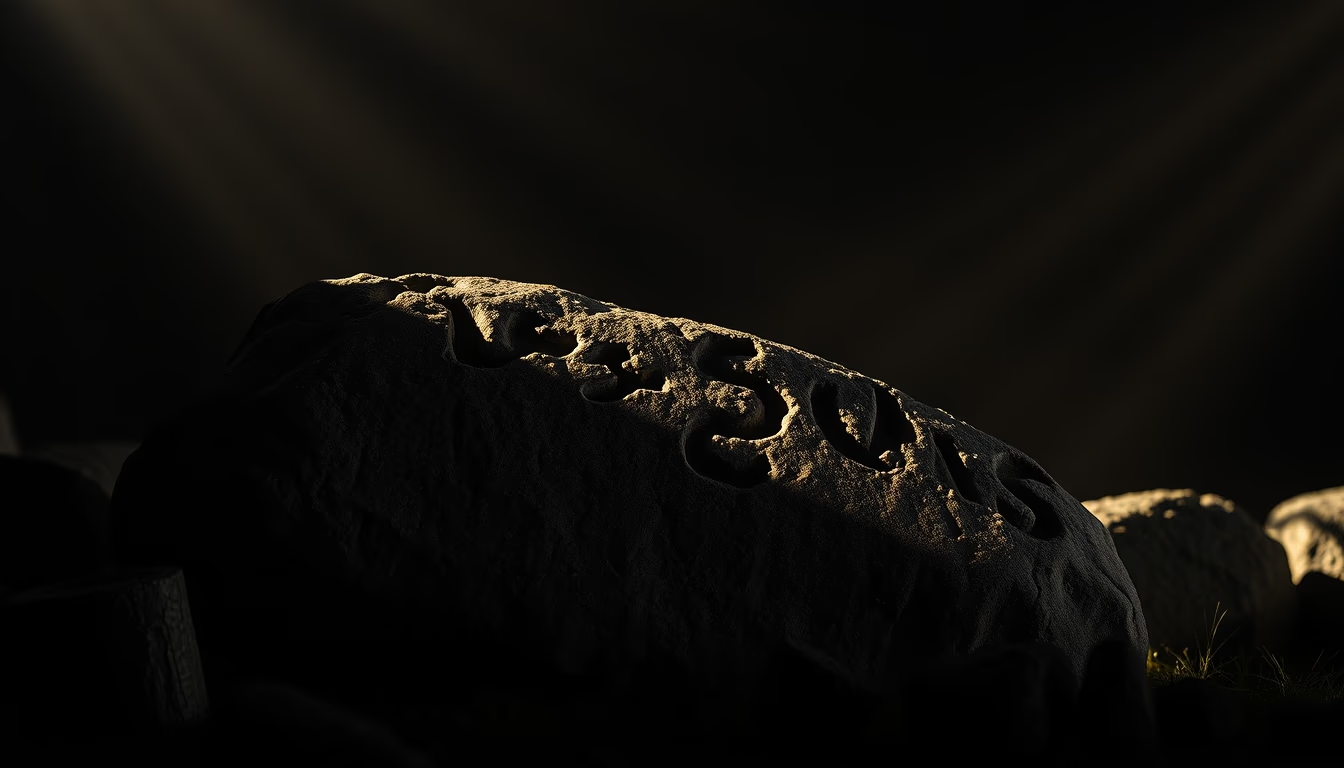
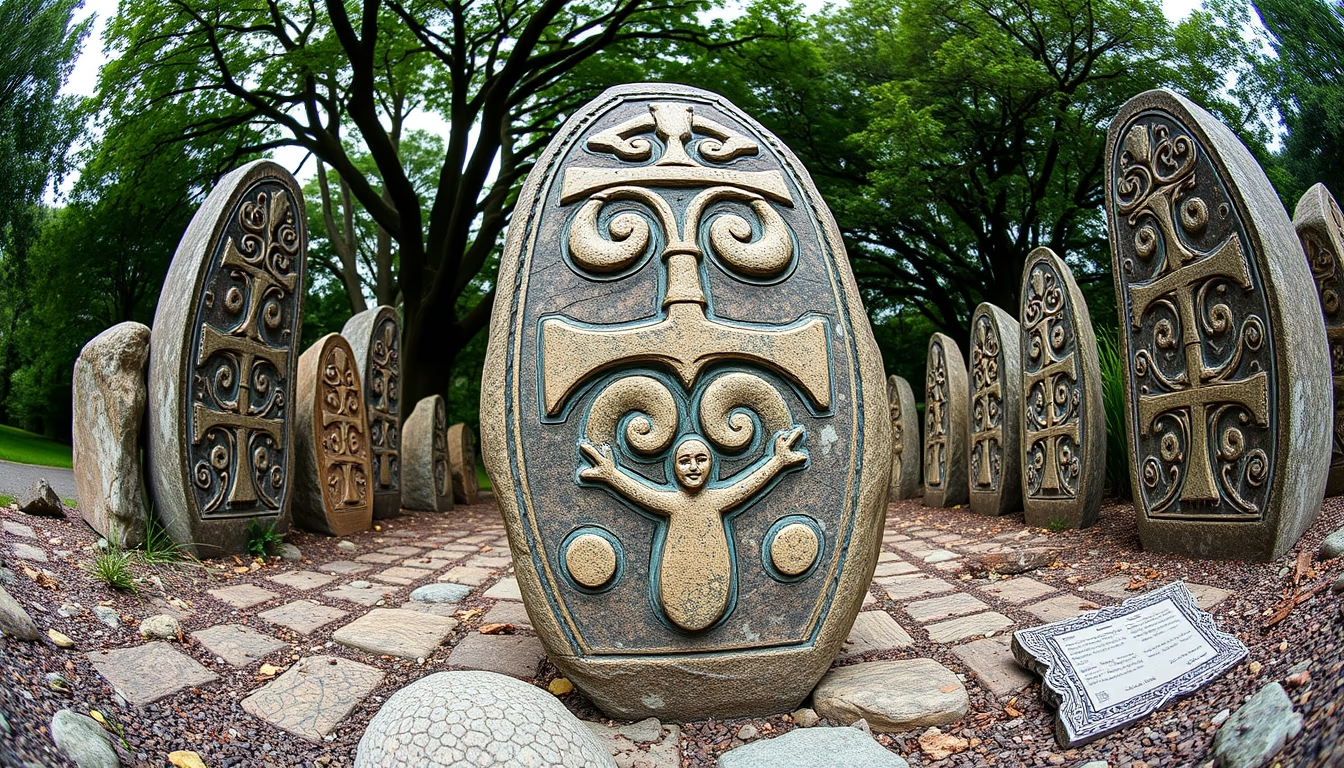
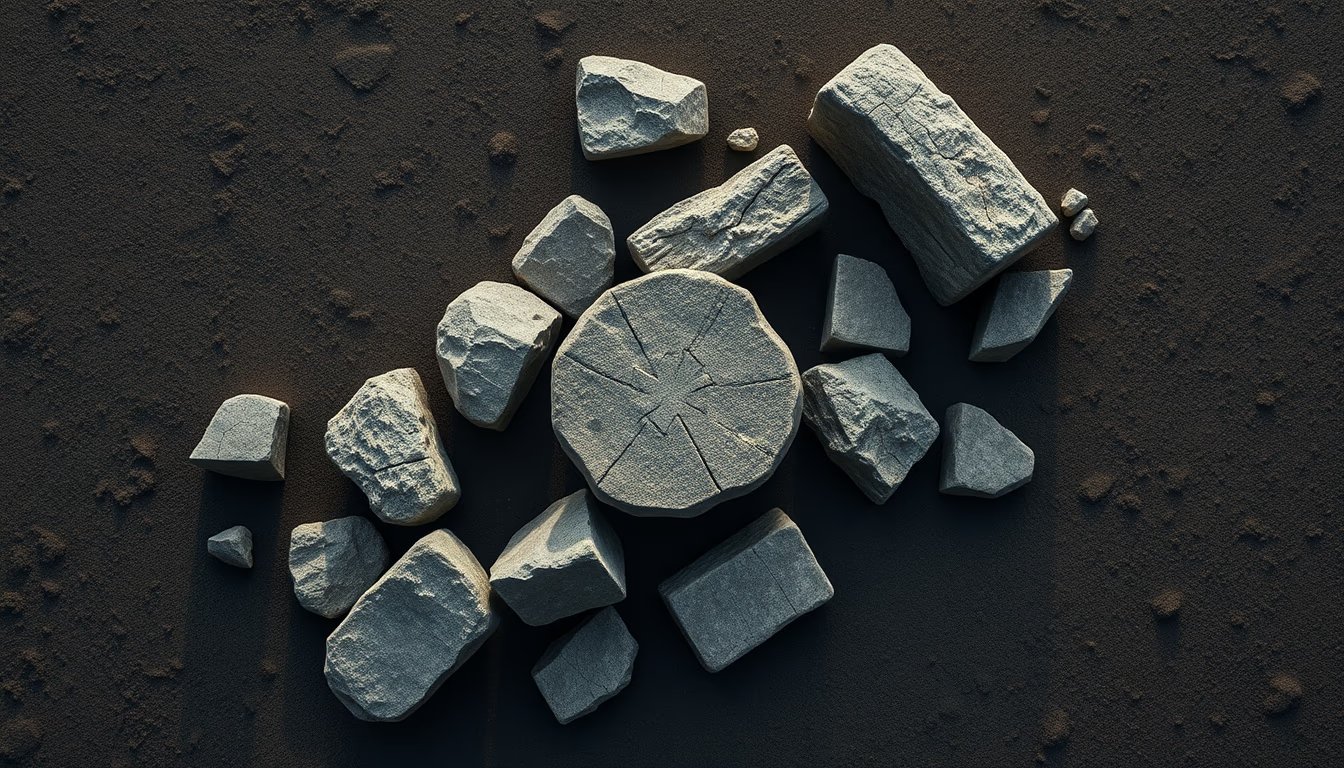
Viking runestones are stone monuments inscribed with runes, recording historical events and honoring the dead during the Viking Age.
About this subject
Runes are a writing system used by Germanic peoples, especially during the Viking Age (roughly 800 to 1100 AD). The best-known runic alphabet is the Elder Futhark, consisting of 24 characters, which evolved into the Younger Futhark with 16 runes in Scandinavia. Runestones are stone monuments erected with runic inscriptions, often in honor of fallen warriors, celebrating achievements, or marking boundaries.
The tradition of erecting runestones was most intense in Sweden, Norway, and Denmark, with the Jelling stones in Denmark being among the most important historical records. The larger Jelling stone was raised by King Harald Bluetooth in memory of his parents and to celebrate the Christianization of Denmark. The inscriptions provide valuable information on genealogy, political events, and religious beliefs.
Beyond their historical value, runes were associated with magical and spiritual meanings. The word 'rune' means 'secret' or 'mystery' in Old Norse. Many stones feature symbols such as Thor's hammer or Christian crosses, reflecting the religious transition from paganism to Christianity. Linguistic studies of the inscriptions help understand the evolution of Germanic languages and Norse culture.
Today, over 6,000 runestones have been cataloged, most in Sweden. They are preserved as cultural heritage and studied by archaeologists and historians. The Rök runestone in Sweden, with its long inscription, is considered one of the most complex and enigmatic texts from the Viking period.
Frequently Asked Questions
What do Viking runes mean?
Viking runes are letters of an ancient alphabet used by Germanic peoples, called the Futhark. Each rune had a name and symbolic meaning, representing sounds and sometimes concepts such as wealth, strength, or protection.
Where are the main runestones found?
Most runestones are located in Scandinavia, especially Sweden with over 2,500 examples. Other important locations include Denmark (like the Jelling stones) and Norway. There are also occurrences in Greenland, Iceland, and areas of the Viking diaspora.
How do runestones help understand Viking history?
They provide direct evidence of historical events, genealogy, social and religious relations. For instance, the Jelling stone records the Christianization of Denmark, while others mention expeditions and trade routes.
Direct URL
https://pub-c7d6a6ea828543ac903a74a341ccb2e1.r2.dev/imagens/runes-viking-stone-rembrandt-lighting-dramatic-shadows-fresh1.avifHow to credit
Include a visible link back to UtilizAí. Copy one of the snippets below:
<a href="https://xn--utiliza-eza.com/en/midia/imagens/runes-viking-stone-rembrandt-lighting-dramatic-shadows-fresh1">Runes viking stone</a> by <a href="https://xn--utiliza-eza.com">UtilizAí</a>, licensed under <a href="https://creativecommons.org/licenses/by/4.0/">CC BY 4.0</a>.
[Runes viking stone](https://xn--utiliza-eza.com/en/midia/imagens/runes-viking-stone-rembrandt-lighting-dramatic-shadows-fresh1) by [UtilizAí](https://xn--utiliza-eza.com), CC BY 4.0
License: CC-BY-4.0