Runes viking stone
1344×768 · AVIF · CC BY 4.0
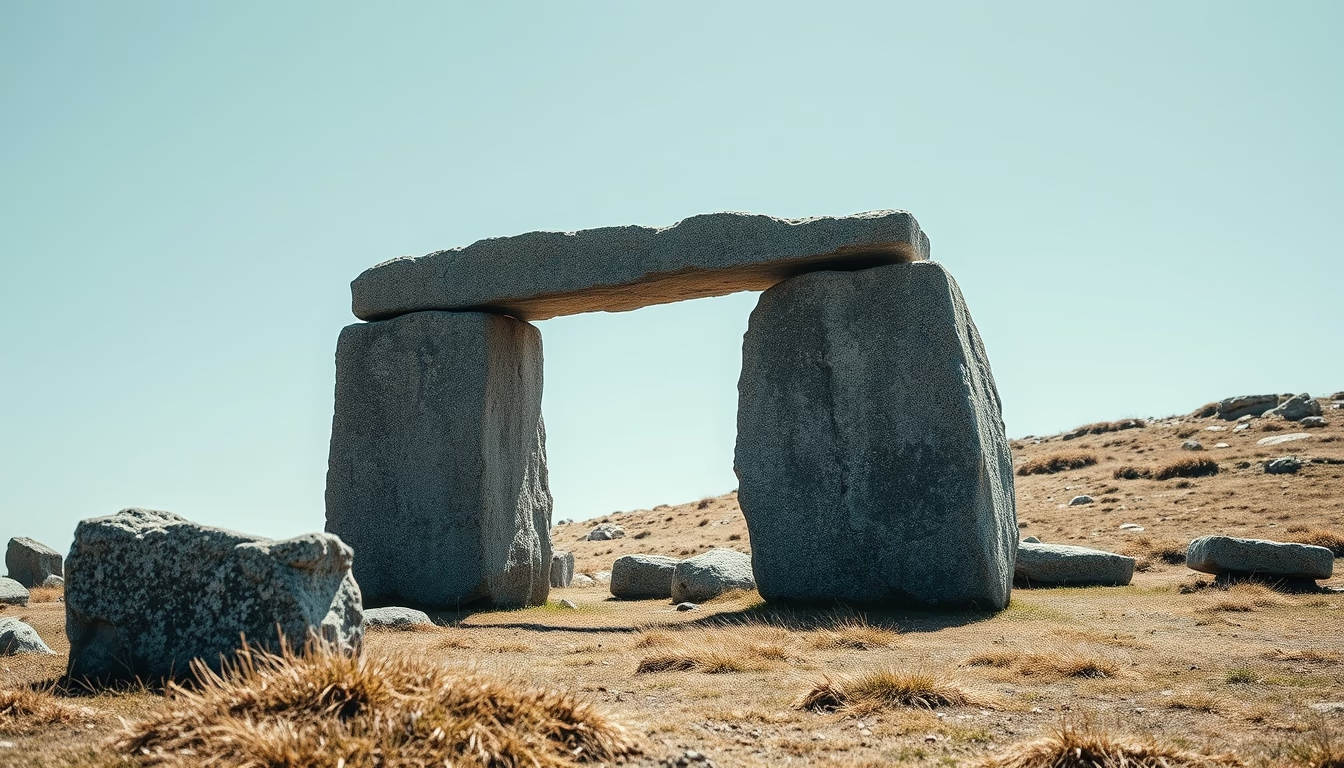
A Viking runestone displays inscriptions in Elder Futhark, revealing aspects of medieval Norse culture.
About this subject
Viking runestones are stone monuments erected primarily in Scandinavia during the Viking Age, roughly between the 8th and 12th centuries. They served as memorials for the deceased, property markers, or records of important events. Most known runestones are concentrated in Sweden, but examples also exist in Denmark, Norway, and areas of Viking influence such as Iceland and the British Isles. The inscriptions were carved using the runic alphabet, known as the Futhark, named after the first six letters: Fehu, Uruz, Thurisaz, Ansuz, Raidho, and Kaunan. The older Elder Futhark had 24 runes and was used for inscriptions on portable objects. The Younger Futhark, with 16 runes, dominated during the Viking Age and is the most common on runestones.
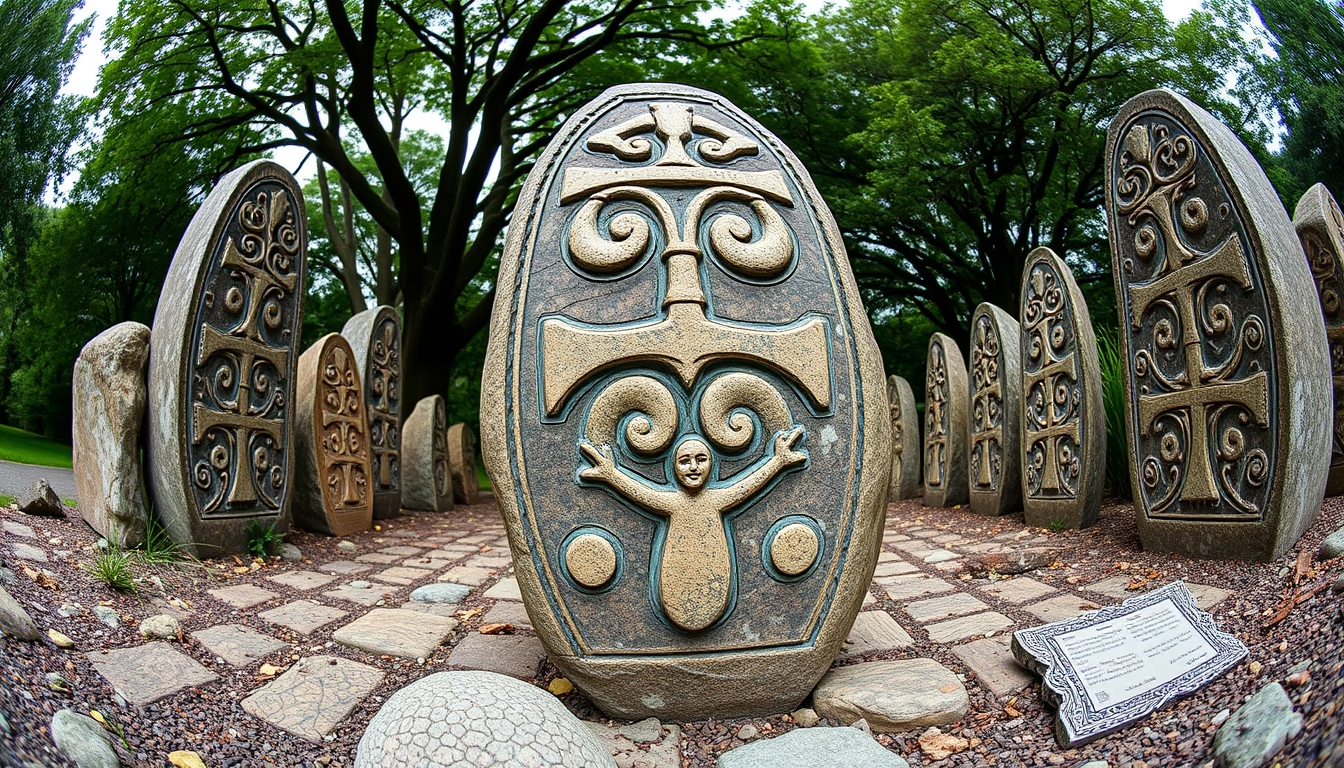
Runestones were not only historical documents but also expressions of art and cultural identity. Many feature intricate interlacing patterns and mythological figures, such as dragons and serpents. The Rök runestone in Sweden is one of the most famous examples, with the longest known inscription, dating from the 9th century. It references heroes and battles, possibly with Christian influence. As Scandinavia converted to Christianity, runestones gradually incorporated crosses and Christian prayers, reflecting religious transition.
The study of runes, called runology, combines linguistics, archaeology, and history. Many runestones have been deciphered, but some remain enigmatic due to fragmentation or archaic language. Despite popular association with magic and mysticism, most inscriptions were pragmatic: names of people, clans, and deeds. Today, runestones are protected as cultural heritage and attract tourists and researchers interested in Viking legacy.
Frequently Asked Questions
What are Viking runes?
Viking runes are characters of the runic alphabet, used by Germanic and Norse peoples since at least the 2nd century AD. They were used for writing messages, carving inscriptions on stones and objects, and were also associated with magical beliefs. The most common alphabet during the Viking Age was the Younger Futhark, with 16 letters.
Why are runestones important?
Runestones are important historical sources that provide information about Viking society, such as names, lineages, events, and beliefs. They also show the evolution of the Old Norse language and the transition from paganism to Christianity. Many are considered works of art.
How are runic inscriptions deciphered?
Deciphering runic inscriptions requires knowledge of the runic alphabet and Old Norse grammar. Runologists analyze the archaeological context, compare with known texts, and use historical linguistics techniques. Reading can be hindered by weathering, fragmentation, or abbreviations.
Direct URL
https://pub-c7d6a6ea828543ac903a74a341ccb2e1.r2.dev/imagens/runes-viking-stone-minimalist-composition-fresh7.avifHow to credit
Include a visible link back to UtilizAí. Copy one of the snippets below:
<a href="https://xn--utiliza-eza.com/en/midia/imagens/runes-viking-stone-minimalist-composition-fresh7">Runes viking stone</a> by <a href="https://xn--utiliza-eza.com">UtilizAí</a>, licensed under <a href="https://creativecommons.org/licenses/by/4.0/">CC BY 4.0</a>.
[Runes viking stone](https://xn--utiliza-eza.com/en/midia/imagens/runes-viking-stone-minimalist-composition-fresh7) by [UtilizAí](https://xn--utiliza-eza.com), CC BY 4.0
License: CC-BY-4.0