Runes viking stone
1344×768 · AVIF · CC BY 4.0
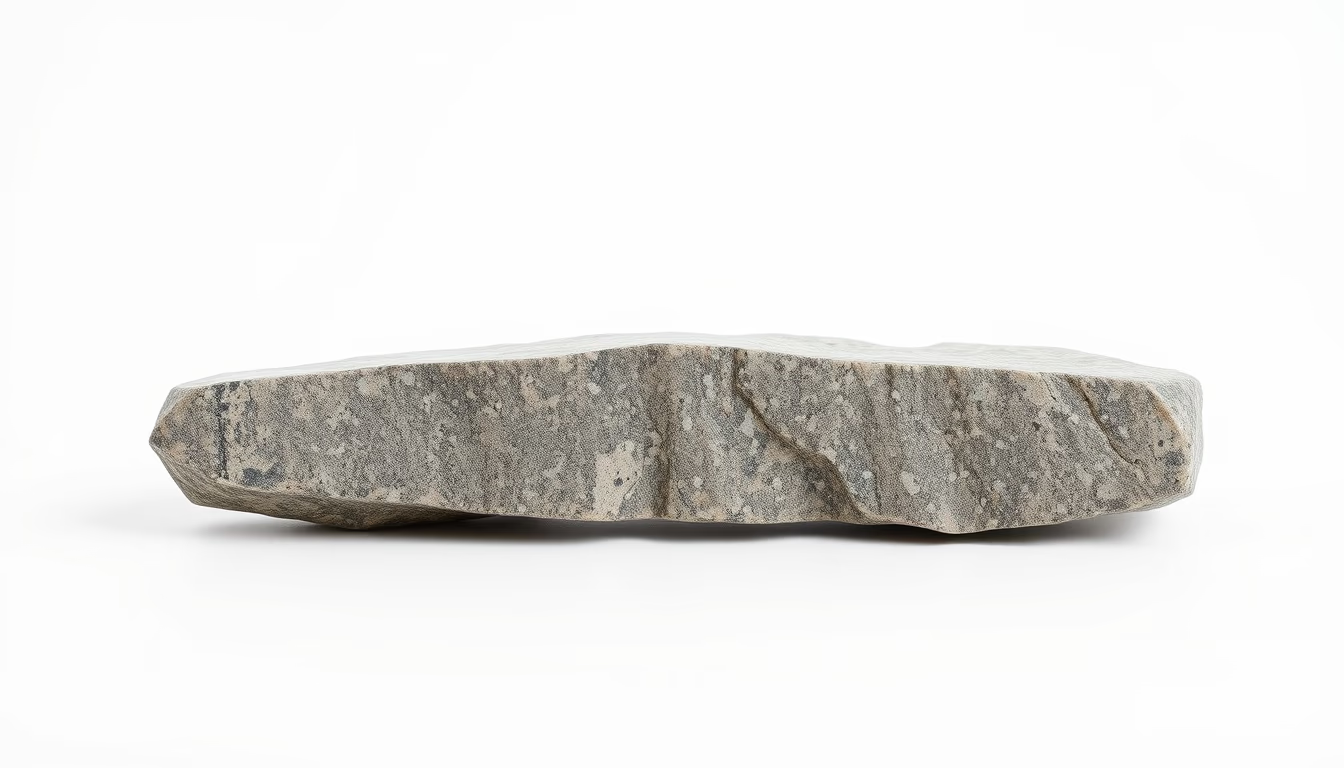
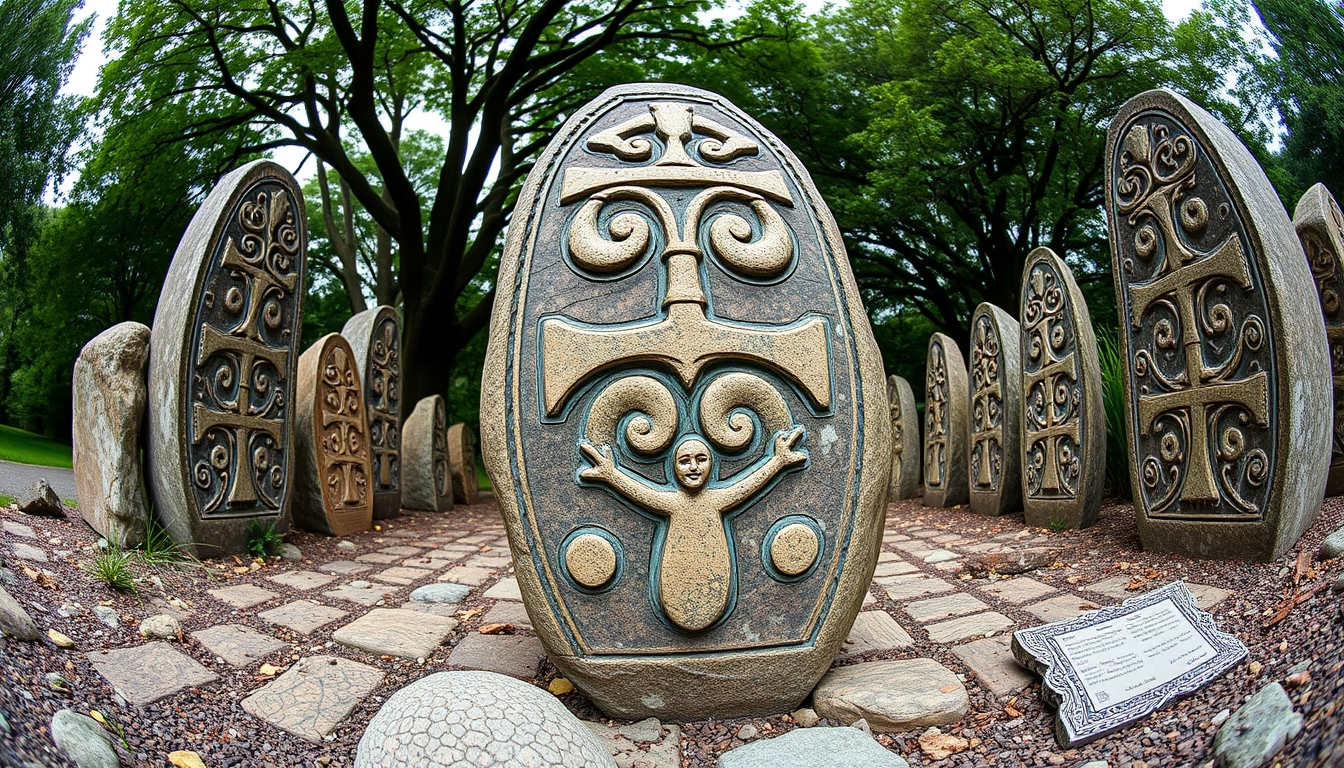
Viking runestones are stone monuments carved with runic inscriptions, dating from the Viking Age (8th to 11th centuries).
About this subject
Rune stones are among the most enduring legacies of the Viking Age, which spanned roughly from 793 to 1066 AD. These stone monuments, typically erected outdoors, bore inscriptions in the runic alphabet, known as the futhark. The tradition of raising runestones flourished especially in Scandinavia, with the highest concentration in Sweden, where an estimated 2,500 examples exist. In Denmark and Norway, the numbers are smaller but still significant.
Contrary to popular belief, runestones were not exclusively tombs or funeral markers. Most were raised in memory of deceased individuals, but they could also celebrate heroic deeds, overseas journeys, or conversions to Christianity. The famous Jelling stone in Denmark is considered the "birth certificate" of Denmark as a Christian nation. Commissioned by King Harald Bluetooth in the 10th century, it honors his parents and proclaims the unification of the country.
The inscriptions followed a standard formula: "X raised this stone in memory of Y," often adding details about their relationship or the circumstances of the honoree's death. Some stones incorporate decorative elements such as interlacing patterns or animal figures, and occasionally references to Norse mythology. The Rök stone in Sweden bears the longest known runic inscription, with about 760 characters, and touches on themes like battles and legends.
The study of runestones is crucial for understanding Viking society, providing data on names, genealogies, trade routes, and contacts with other cultures. Although many stones have been lost or destroyed, those that survive are protected as cultural heritage. Today, replicas and decorative items with runes are popular in commercial and artistic contexts, keeping interest alive in this ancient writing system.
Frequently Asked Questions
What do the inscriptions on runestones mean?
They usually commemorate deceased individuals, record important deeds, or mark conversions to Christianity. They follow a formula like 'X raised this stone in memory of Y.'
Where can I find original runestones?
Most are in Scandinavia, especially Sweden, Denmark, and Norway. Many are outdoors, in fields or churches, and some are in museums.
How are runes different from the Latin alphabet?
The runic futhark was a phonetic alphabet with angular letters, adapted for carving on stone and wood. Each rune also had a name and symbolic meaning.
Direct URL
https://pub-c7d6a6ea828543ac903a74a341ccb2e1.r2.dev/imagens/runes-viking-stone-commercial-product-photography-fresh10.avifHow to credit
Include a visible link back to UtilizAí. Copy one of the snippets below:
<a href="https://xn--utiliza-eza.com/en/midia/imagens/runes-viking-stone-commercial-product-photography-fresh10">Runes viking stone</a> by <a href="https://xn--utiliza-eza.com">UtilizAí</a>, licensed under <a href="https://creativecommons.org/licenses/by/4.0/">CC BY 4.0</a>.
[Runes viking stone](https://xn--utiliza-eza.com/en/midia/imagens/runes-viking-stone-commercial-product-photography-fresh10) by [UtilizAí](https://xn--utiliza-eza.com), CC BY 4.0
License: CC-BY-4.0