Runes viking stone
1344×768 · AVIF · CC BY 4.0
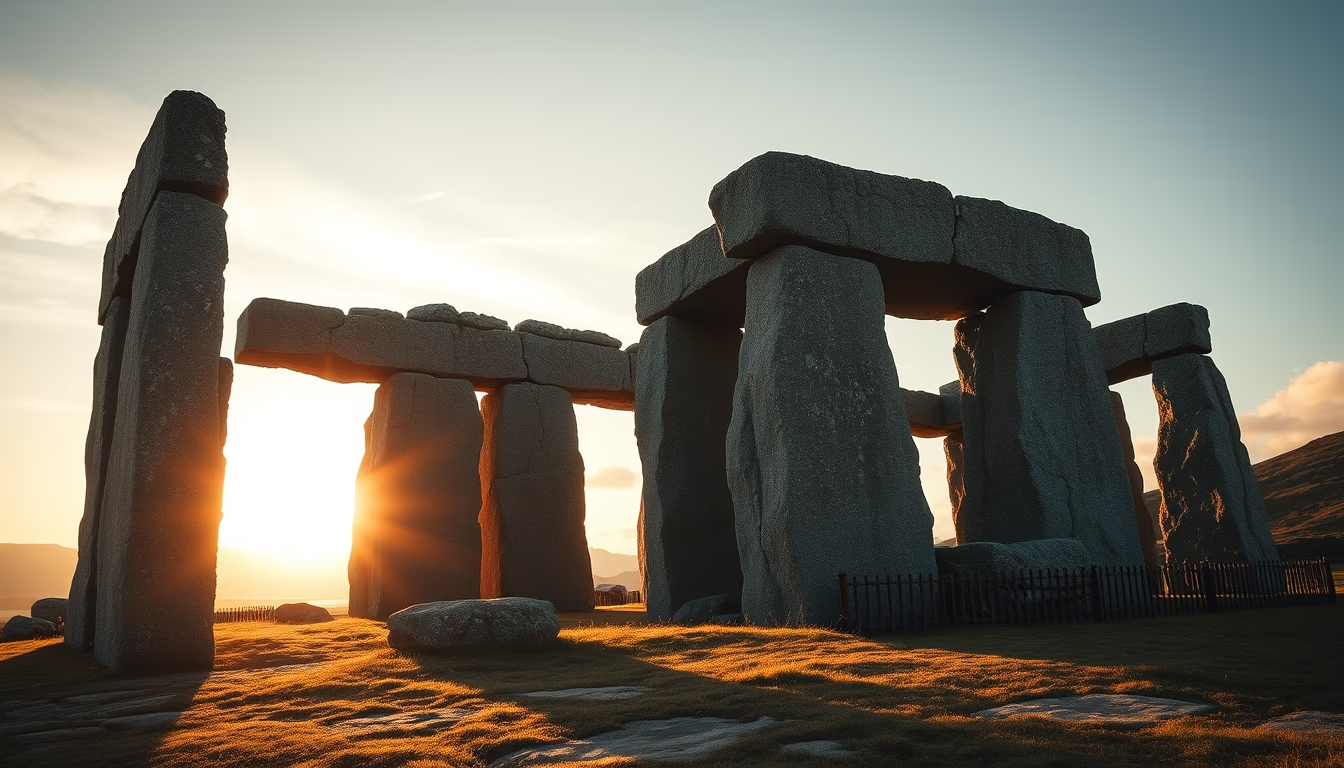
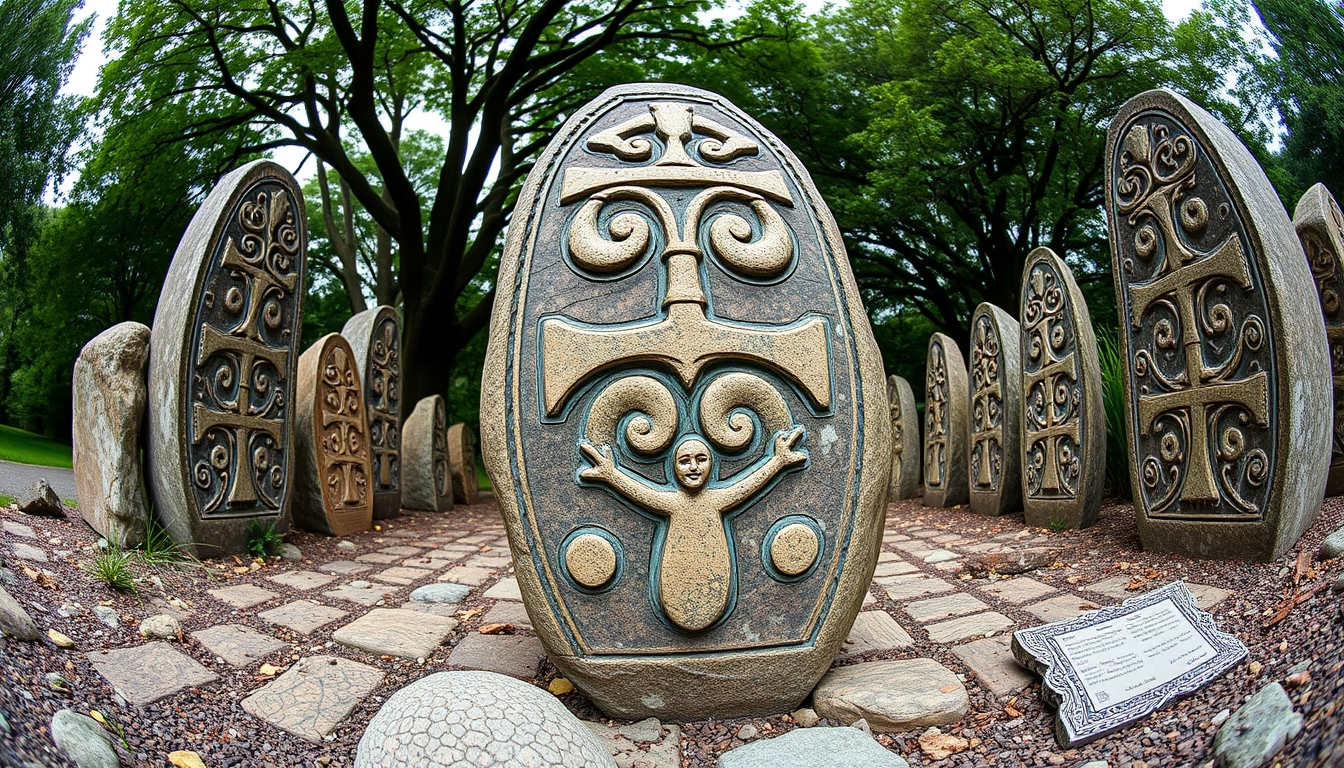
Viking rune stones were monuments raised in medieval Scandinavia to honor the deceased and record heroic deeds.
About this subject
Viking rune stones, also known as runestones, are stone monuments bearing inscriptions in the runic alphabet. They were commonly erected during the Viking Age, roughly between the 8th and 12th centuries, in present-day Denmark, Sweden, Norway, and parts of England. The tradition of raising runestones was linked to commemorating deceased warriors, but also served to mark property, celebrate alliances, or display the power of local chieftains.
Each runestone tells a specific story, often beginning with the phrase 'X raised this stone in memory of Y'. The inscriptions usually include the name of the patron, the person being honored, and their relationship. For example, the famous Rök runestone in Sweden contains the longest known runic text, with about 760 characters. Dating to the 9th century, it references Germanic myths and historical events, showing the cultural complexity of the time.
Runic art was not limited to writing. Many stones are adorned with intricate carvings, such as Christian crosses (a sign of the gradual Christianization of Scandinavia) or stylized animal figures like serpents and dragons. The runic alphabet, called Futhark, evolved over time: the Elder Futhark (24 characters) was replaced by the Younger Futhark (16 characters) during the Viking Age. Today, over 3,000 runestones have been cataloged, mainly in Sweden, with most dating from the early Christian period.
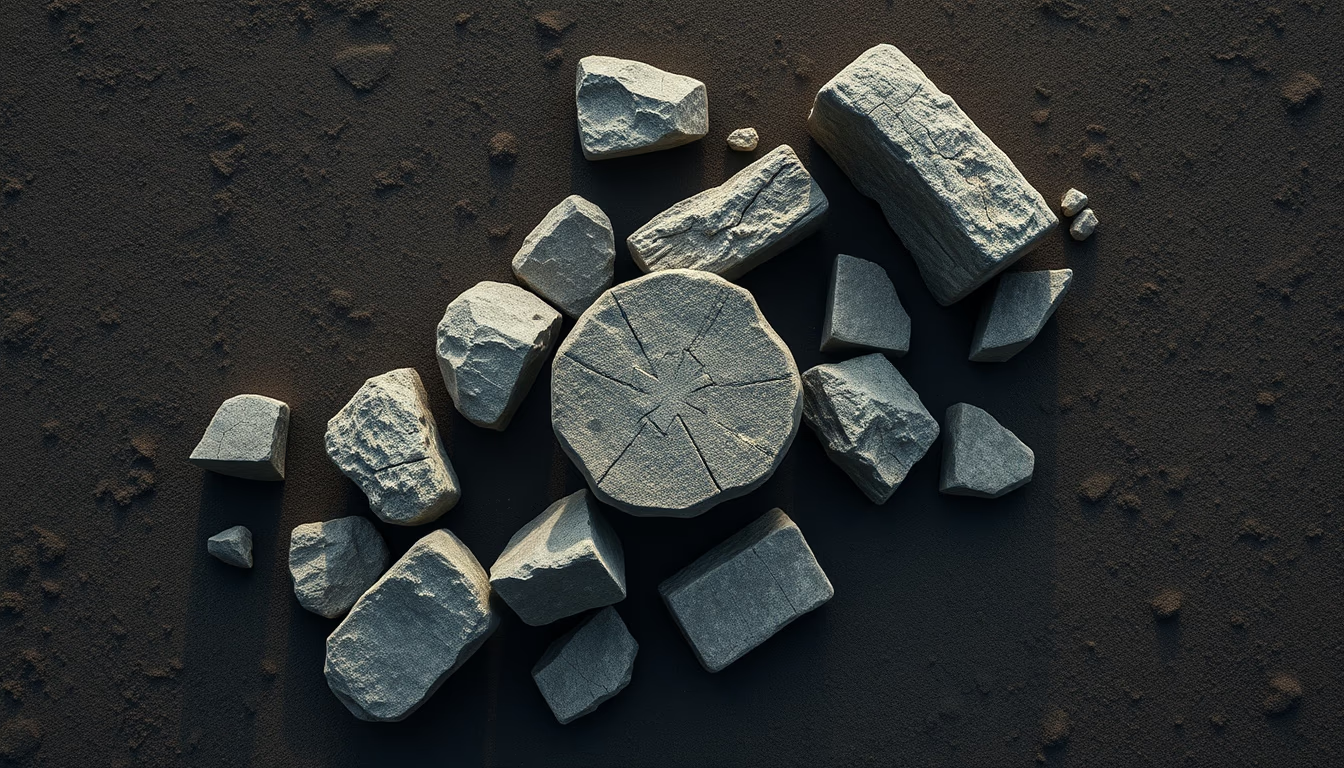
The study of runestones is crucial for understanding Viking society, their beliefs, migrations, and contacts with other cultures. They provide direct evidence of Old Norse language and reveal aspects of daily life, such as trade and exploration. Some stones mention voyages to the Middle East or North America, suggesting the vast Viking navigation network. Unfortunately, many were reused in buildings or damaged over centuries, but those that survived are historical treasures protected by preservation laws in Scandinavia.
Frequently Asked Questions
What was the purpose of Viking rune stones?
They were raised mainly as funerary monuments to honor the deceased, but also to mark property, celebrate alliances, or display political power.
What is written on runestones?
Typically, the name of the patron, the person being honored, and their relationship. Some include accounts of voyages, battles, or mythological references.
How many runestones exist today?
Over 3,000 have been cataloged, mostly in Sweden. Many have been damaged or reused, but preserved ones are protected by heritage laws.
Direct URL
https://pub-c7d6a6ea828543ac903a74a341ccb2e1.r2.dev/imagens/runes-viking-stone-cinematic-wide-shot-fresh3.avifHow to credit
Include a visible link back to UtilizAí. Copy one of the snippets below:
<a href="https://xn--utiliza-eza.com/en/midia/imagens/runes-viking-stone-cinematic-wide-shot-fresh3">Runes viking stone</a> by <a href="https://xn--utiliza-eza.com">UtilizAí</a>, licensed under <a href="https://creativecommons.org/licenses/by/4.0/">CC BY 4.0</a>.
[Runes viking stone](https://xn--utiliza-eza.com/en/midia/imagens/runes-viking-stone-cinematic-wide-shot-fresh3) by [UtilizAí](https://xn--utiliza-eza.com), CC BY 4.0
License: CC-BY-4.0