Rotovap evaporator
1344×768 · AVIF · CC BY 4.0

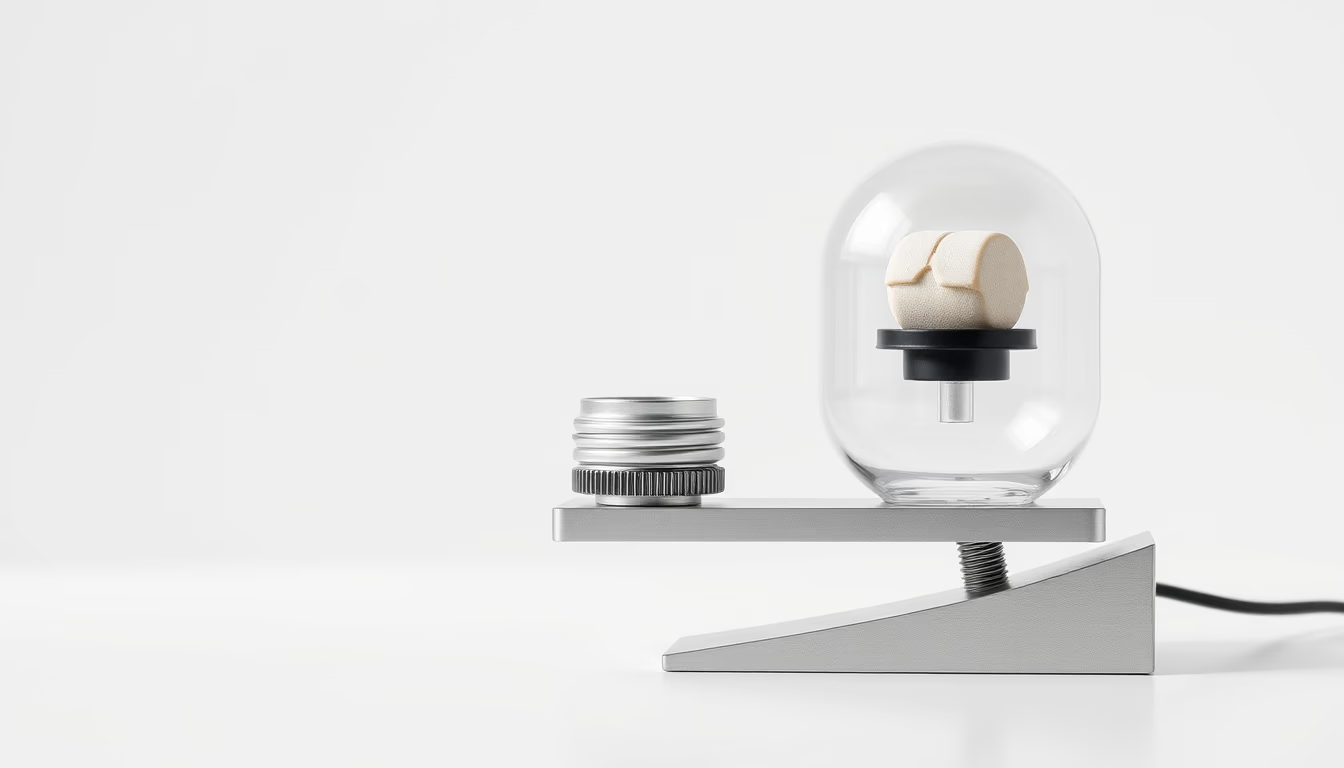
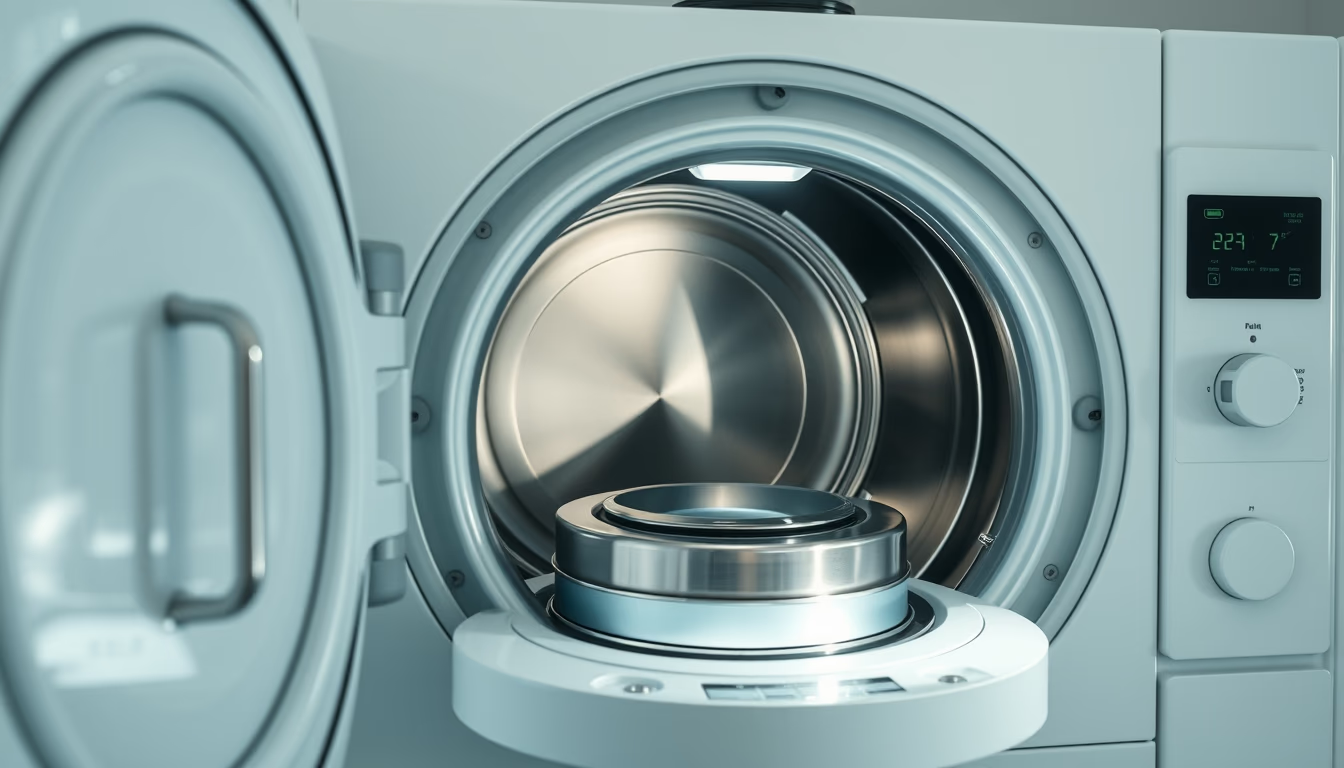
The rotary evaporator (rotovap) is a laboratory device used to remove solvents from samples under vacuum, with controlled rotation and heating.
About this subject
The rotary evaporator, commonly called rotovap, is an essential device in chemistry, pharmacy, and biology laboratories. It was invented in 1950 by American chemist Lyman C. Craig and improved by the Swiss company Büchi, which commercialized it from 1962 onward. The operating principle is based on vacuum distillation: the sample is placed in a round-bottom flask that rotates while immersed in a heating bath, while the system is kept under reduced pressure. Rotation increases the liquid's surface area, accelerating evaporation without overheating, which is crucial for heat-sensitive compounds.
Modern rotovaps feature precise control of temperature, rotation speed, and vacuum level, plus a condenser to recover evaporated solvent. Typical flask capacities range from 50 mL to 20 liters, with 1 to 5 liter models being common in research labs. The rotovap is widely used for concentrating natural extracts, removing solvents after organic synthesis reactions, and purification processes such as in chromatography.
An interesting fact: "rotovap" is a trademark of Büchi, but it has become a generic term for any rotary evaporator. In Brazil, the equipment is found in universities, pharmaceutical industries, and quality control laboratories. Safe operation requires caution with pressurization and proper solvent selection to avoid explosive mixtures. Maintenance includes regular cleaning of seals and replacement of vacuum pump oil, ensuring efficiency and longevity.
Frequently Asked Questions
What is a rotovap used for?
A rotovap is used to remove solvents from liquid samples efficiently and gently, using vacuum and rotation to evaporate the solvent without degrading heat-sensitive compounds.
Which solvents can be used in a rotovap?
Common solvents include water, ethanol, methanol, acetone, and dichloromethane. It is important to check compatibility with the equipment materials and avoid explosive mixtures.
What is the difference between a rotovap and a simple distiller?
A rotovap operates under vacuum, allowing evaporation at lower temperatures, and the rotation increases the evaporation surface area, making the process faster and suitable for heat-sensitive compounds.
Direct URL
https://pub-c7d6a6ea828543ac903a74a341ccb2e1.r2.dev/imagens/rotovap-evaporator-cinematic-wide-shot-fresh10.avifHow to credit
Include a visible link back to UtilizAí. Copy one of the snippets below:
<a href="https://xn--utiliza-eza.com/en/midia/imagens/rotovap-evaporator-cinematic-wide-shot-fresh10">Rotovap evaporator</a> by <a href="https://xn--utiliza-eza.com">UtilizAí</a>, licensed under <a href="https://creativecommons.org/licenses/by/4.0/">CC BY 4.0</a>.
[Rotovap evaporator](https://xn--utiliza-eza.com/en/midia/imagens/rotovap-evaporator-cinematic-wide-shot-fresh10) by [UtilizAí](https://xn--utiliza-eza.com), CC BY 4.0
License: CC-BY-4.0