Rock climbing harness
1344×768 · AVIF · CC BY 4.0
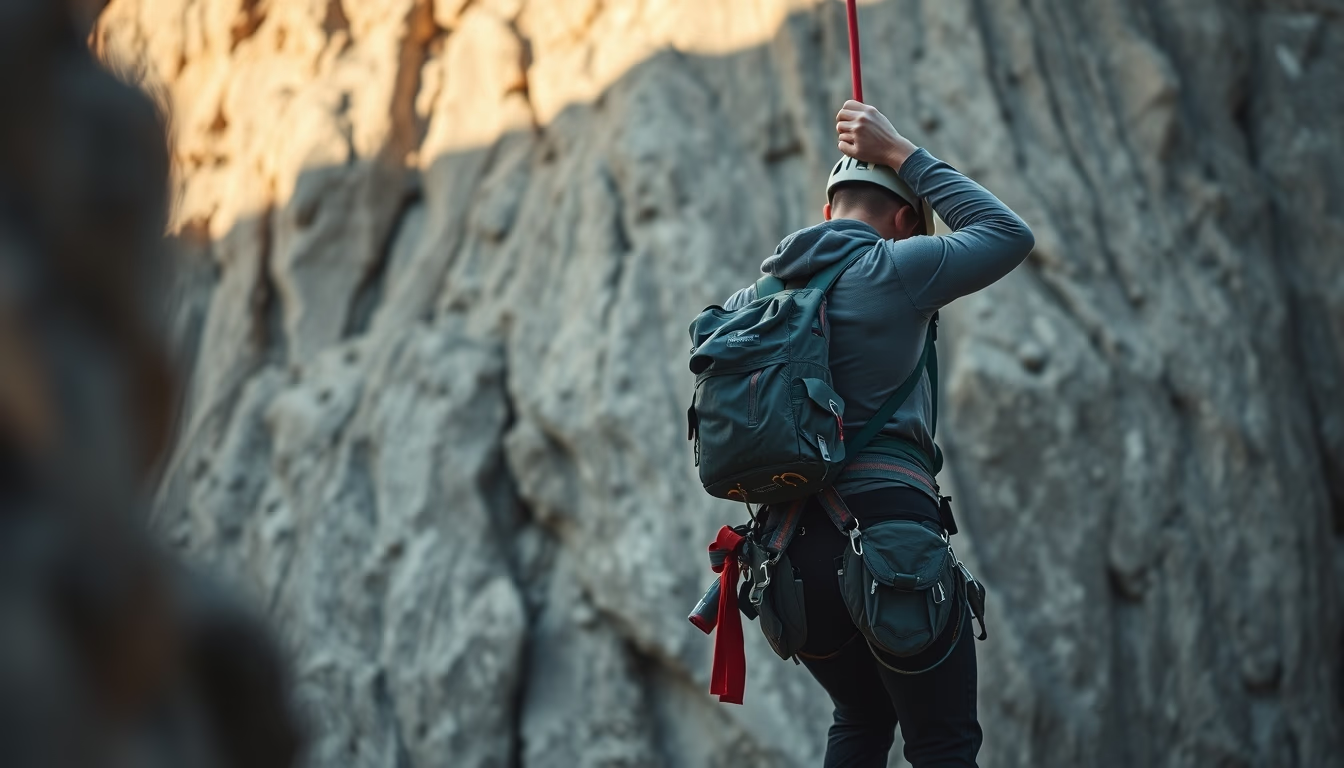
A rock climbing harness is a critical safety device made of webbing and buckles that distributes the climber's weight during climbing.
About this subject
A rock climbing harness is a critical safety device for climbers, made from nylon or polyester webbing with metal buckles and connection points typically crafted from aluminum or stainless steel. It wraps around the waist and legs, distributing the body's weight during a fall or while hanging. There are two main types: the full-body harness (common in sport climbing and mountaineering) and the sit harness (leaving the chest free), used in big wall and rock climbing. The modern harness originated in the 1960s, when European mountaineers adapted parachute belts for climbing. Since then, materials have evolved: steel buckles were replaced by lighter aluminum alloys, and stitching was reinforced to withstand up to 20 kN of force. In Brazil, rock climbing has grown significantly over the last 20 years, with major climbing areas in Minas Gerais, Rio de Janeiro, and São Paulo, including iconic spots like Sugarloaf Mountain and Pedra da Gávea. Proper fit is essential: the harness should sit above the hip bones, with leg loops snug but not tight, and the central buckle always doubled back. A common mistake is wearing the harness upside down or neglecting to check for wear on the webbing, which can degrade from sun exposure and humidity. According to UIAA standards, every harness must have a label with manufacturing date and usage instructions, and it is recommended to replace it every five years even if not frequently used.
Frequently Asked Questions
What is the difference between a climbing harness and a regular safety belt?
A climbing harness is designed to withstand dynamic fall forces (up to 20 kN) and has specific attachment points for carabiners, plus leg loops to distribute impact. Regular safety belts lack this strength and proper shape for climbing.
How do I know if my harness needs replacement?
Check the manufacturing date on the label: general recommendation is every 5 years. Inspect webbing, buckles, and tie-in points for fraying, cuts, corrosion, or deformation. Replace immediately if any damage is found.
Full body harness vs. sit harness: which should beginners choose?
For beginners in sport or rock climbing, the sit harness is most common and practical. Full body harnesses are recommended for children, big wall climbing, or situations where the climber may hang upside down.
Direct URL
https://pub-c7d6a6ea828543ac903a74a341ccb2e1.r2.dev/imagens/rock-climbing-harness-magazine-editorial-p5.avifHow to credit
Include a visible link back to UtilizAí. Copy one of the snippets below:
<a href="https://xn--utiliza-eza.com/en/midia/imagens/rock-climbing-harness-magazine-editorial-p5">Rock climbing harness</a> by <a href="https://xn--utiliza-eza.com">UtilizAí</a>, licensed under <a href="https://creativecommons.org/licenses/by/4.0/">CC BY 4.0</a>.
[Rock climbing harness](https://xn--utiliza-eza.com/en/midia/imagens/rock-climbing-harness-magazine-editorial-p5) by [UtilizAí](https://xn--utiliza-eza.com), CC BY 4.0
License: CC-BY-4.0