Rock climbing harness
1344×768 · AVIF · CC BY 4.0
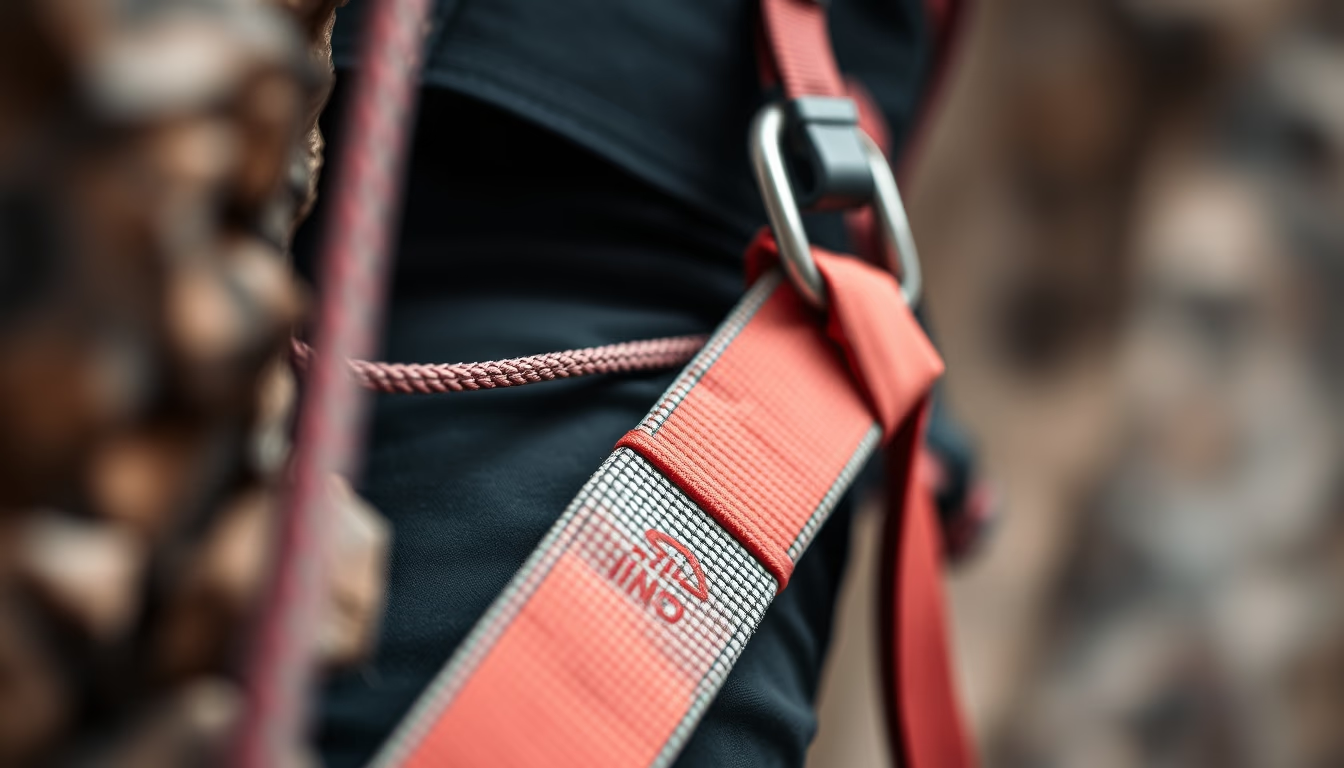
The rock climbing harness is a critical safety gear that distributes the climber's weight during falls and descents, consisting of webbing, buckles, and tie-in points.
About this subject
The rock climbing harness is a fundamental piece of climbing gear, designed to connect the climber to the rope and distribute impact forces during a fall. It consists of three main parts: the waist belt, which wraps around the hips; the leg loops, which encircle the thighs; and the tie-in points, typically a reinforced front loop. Common materials are nylon and polyester, chosen for their tensile strength and durability. Harnesses must comply with UIAA (International Climbing and Mountaineering Federation) and CE (European Conformity) standards, ensuring minimum safety requirements.
Historically, early climbers simply tied ropes around their waist, a dangerous practice. The first waist harnesses appeared in the 1960s, and by the 1970s integrated leg loop designs became standard. Leading brands like Petzl, Black Diamond, and Mammut drive innovation, offering models tailored to different disciplines. Sport climbing harnesses prioritize lightness and mobility; traditional and alpine harnesses feature extra padding and multiple gear loops for carrying equipment.
Regular inspection is critical: climbers should visually check webbing for fraying, cuts, or distortion before each use. The average lifespan is 5 to 10 years, though it varies with frequency of use and exposure to UV rays and chemicals. Severe falls can compromise integrity, requiring immediate replacement. Gear loops are additional fabric tabs for holding quickdraws and carabiners, varying in number and strength.
Interestingly, the harness is also used in rappelling and rescue operations. Modern features include auto-locking buckles and breathable mesh fabrics. Proper fit is essential: a loose harness may ride up over the hips, while a tight one can restrict circulation. Trying on different brands and models is recommended before purchasing.
Frequently Asked Questions
How do I choose the right size for a rock climbing harness?
Measure your waist and thighs according to the manufacturer's sizing chart. The harness should be snug but not tight, allowing two fingers to slide under the waist belt. Try different brands for the best fit.
What is the difference between a climbing harness and an industrial safety harness?
A climbing harness is designed to absorb dynamic fall forces and has specific tie-in points for rope connection. Industrial harnesses focus on positioning and static fall restraint, following different standards.
How often should I replace my rock climbing harness?
Even if unused, replace it 10 years from the manufacture date. With regular use, inspect annually and replace if any wear is visible. Falls with a high fall factor require immediate replacement.
Direct URL
https://pub-c7d6a6ea828543ac903a74a341ccb2e1.r2.dev/imagens/rock-climbing-harness-macro-closeup-p2.avifHow to credit
Include a visible link back to UtilizAí. Copy one of the snippets below:
<a href="https://xn--utiliza-eza.com/en/midia/imagens/rock-climbing-harness-macro-closeup-p2">Rock climbing harness</a> by <a href="https://xn--utiliza-eza.com">UtilizAí</a>, licensed under <a href="https://creativecommons.org/licenses/by/4.0/">CC BY 4.0</a>.
[Rock climbing harness](https://xn--utiliza-eza.com/en/midia/imagens/rock-climbing-harness-macro-closeup-p2) by [UtilizAí](https://xn--utiliza-eza.com), CC BY 4.0
License: CC-BY-4.0