Research vessel ocean
1344×768 · AVIF · CC BY 4.0
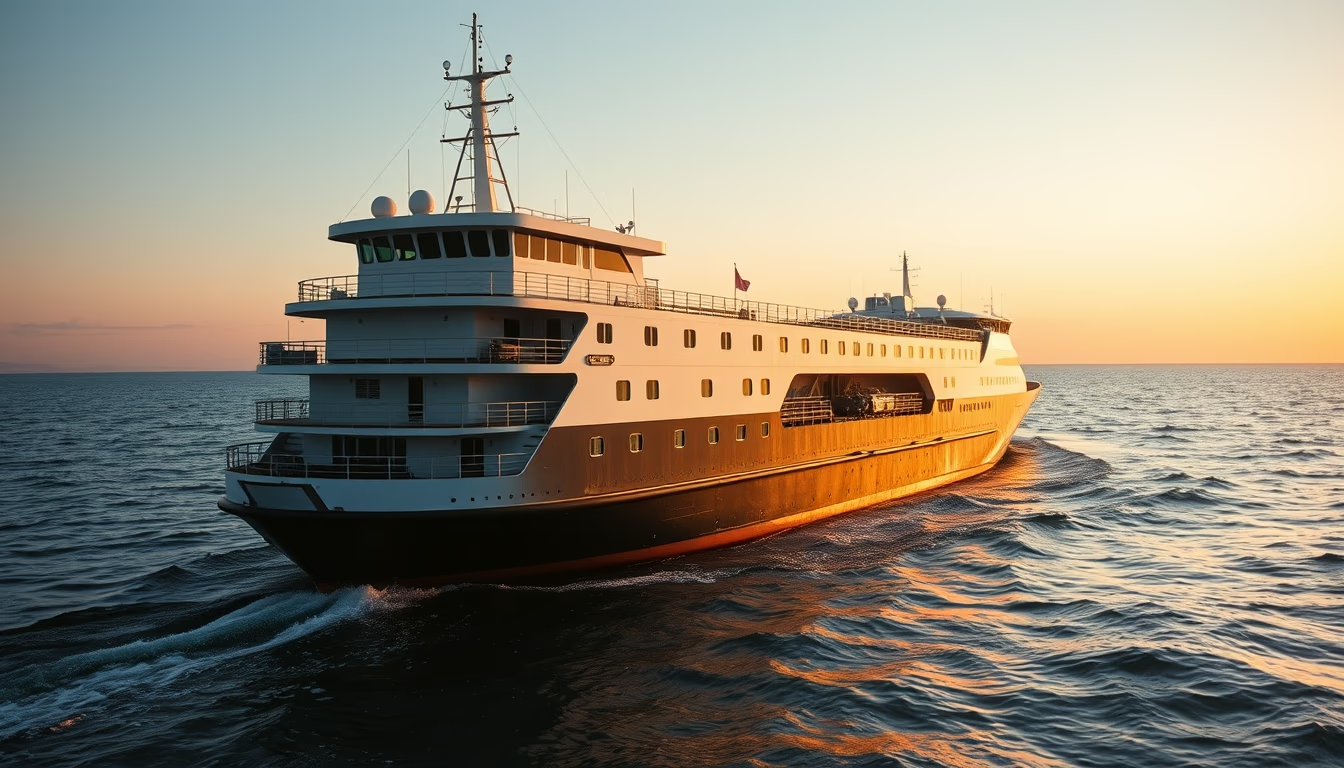
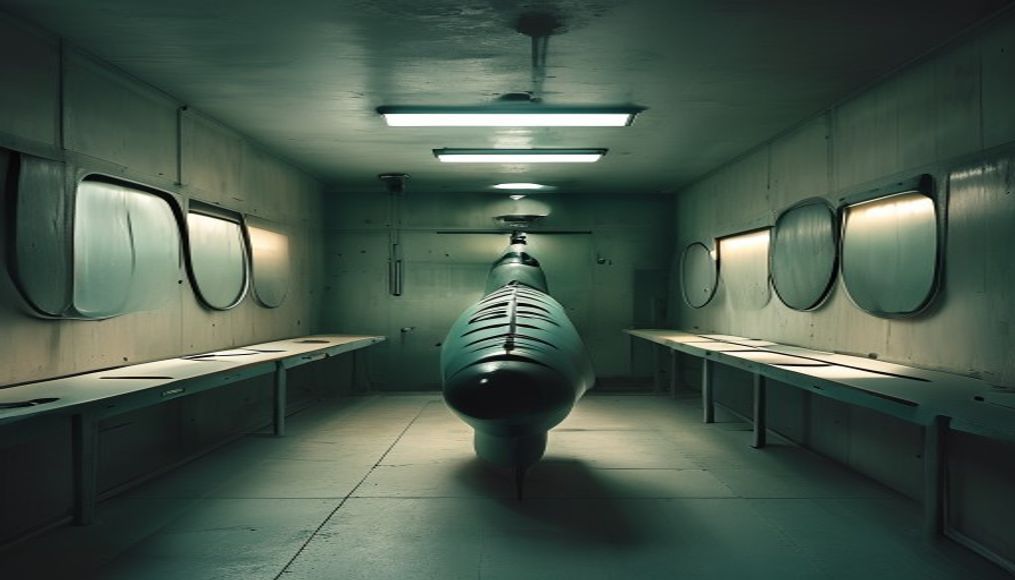
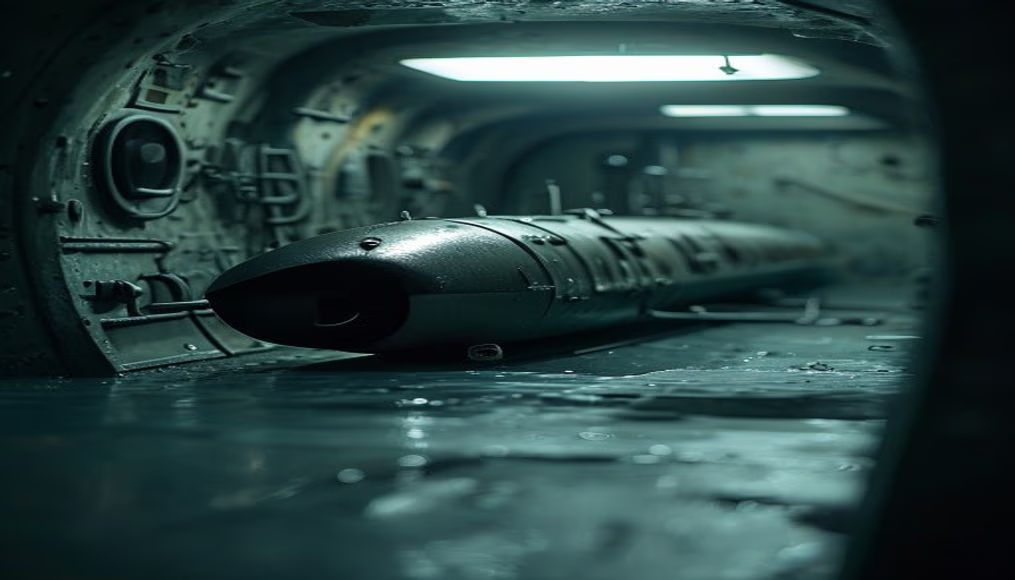
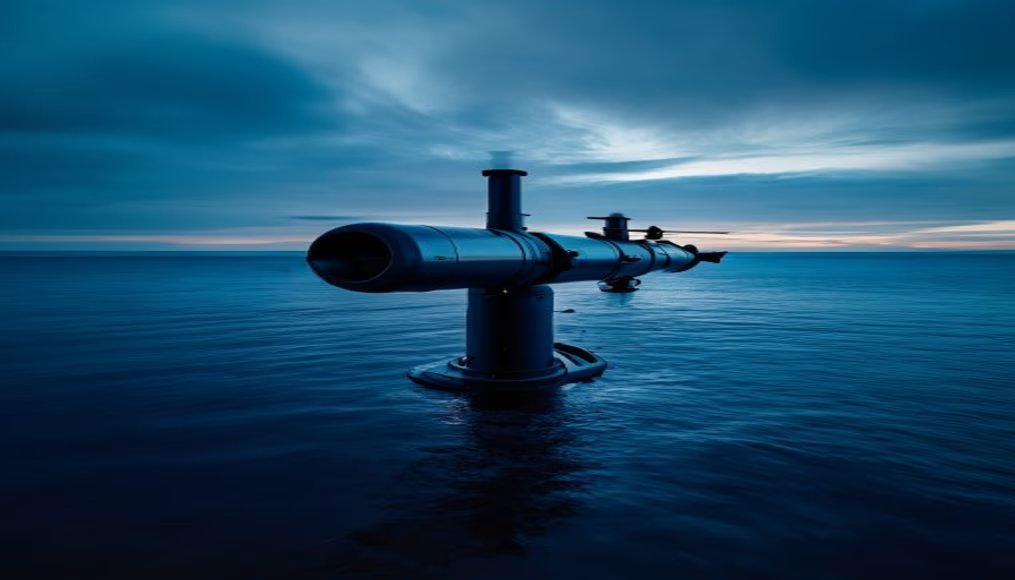
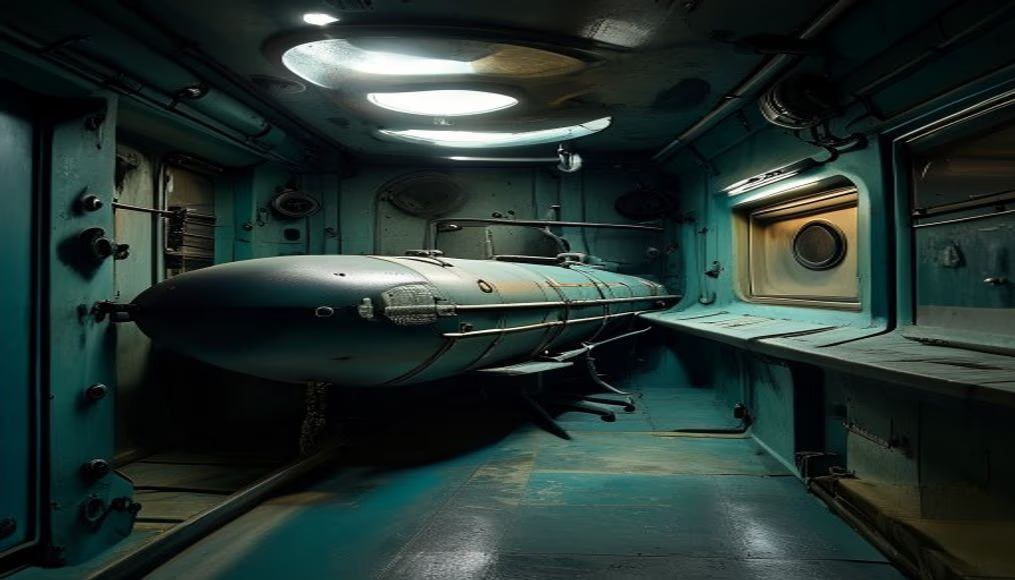
Oceanographic research vessel sailing global seas for scientific studies and marine data collection.
About this subject
Oceanographic research vessels are specially designed ships that conduct scientific investigations at sea. They function as floating laboratories, equipped with advanced instruments for collecting water samples, sediments, and marine organisms, as well as systems for mapping the ocean floor. These vessels are crucial for advancing oceanography, climatology, and marine biology, contributing to studies on ocean currents, ocean acidification, and biodiversity.
There are various types of research vessels, each adapted to different missions. Some are large, like the RV Atlantis, operated by the Woods Hole Oceanographic Institution, which supports the submersible Alvin. Others are smaller and specialized for coastal research. Most feature dynamic positioning systems that allow them to maintain precise location during data collection, even in adverse conditions.
The history of modern ocean research began with expeditions such as the HMS Challenger (1872-1876), which laid the foundations of oceanography. Today, vessels like the RV Polarstern, from the Alfred Wegener Institute, explore polar regions, while others focus on climate change monitoring. Brazil, with its extensive coastline, operates the NApOc Ary Rongel (Brazilian Navy) and the Alpha Crucis (University of São Paulo), supporting studies on the continental shelf and the South Atlantic Ocean.
Beyond scientific research, these ships also play roles in environmental monitoring programs and the training of new generations of oceanographers. They are essential for understanding marine ecosystems and predicting events such as El Niño, making them key assets in the global strategy for ocean preservation.
Frequently Asked Questions
What is the main purpose of an oceanographic research vessel?
To conduct scientific studies at sea, collecting data and samples for research in oceanography, marine biology, climatology, and geology, functioning as a floating laboratory.
What types of equipment are found aboard a research vessel?
They include sonar systems for seafloor mapping, winches for sample collection, wet and dry labs, oceanographic sensors (CTD, ADCP), and sometimes submersibles or ROVs.
What was the first modern scientific ocean expedition?
The HMS Challenger expedition (1872-1876), which traversed the oceans collecting data and samples, considered the starting point of modern oceanography.
Direct URL
https://pub-c7d6a6ea828543ac903a74a341ccb2e1.r2.dev/imagens/research-vessel-ocean-travel-photography-p12.avifHow to credit
Include a visible link back to UtilizAí. Copy one of the snippets below:
<a href="https://xn--utiliza-eza.com/en/midia/imagens/research-vessel-ocean-travel-photography-p12">Research vessel ocean</a> by <a href="https://xn--utiliza-eza.com">UtilizAí</a>, licensed under <a href="https://creativecommons.org/licenses/by/4.0/">CC BY 4.0</a>.
[Research vessel ocean](https://xn--utiliza-eza.com/en/midia/imagens/research-vessel-ocean-travel-photography-p12) by [UtilizAí](https://xn--utiliza-eza.com), CC BY 4.0
License: CC-BY-4.0