Research vessel ocean
1344×768 · AVIF · CC BY 4.0
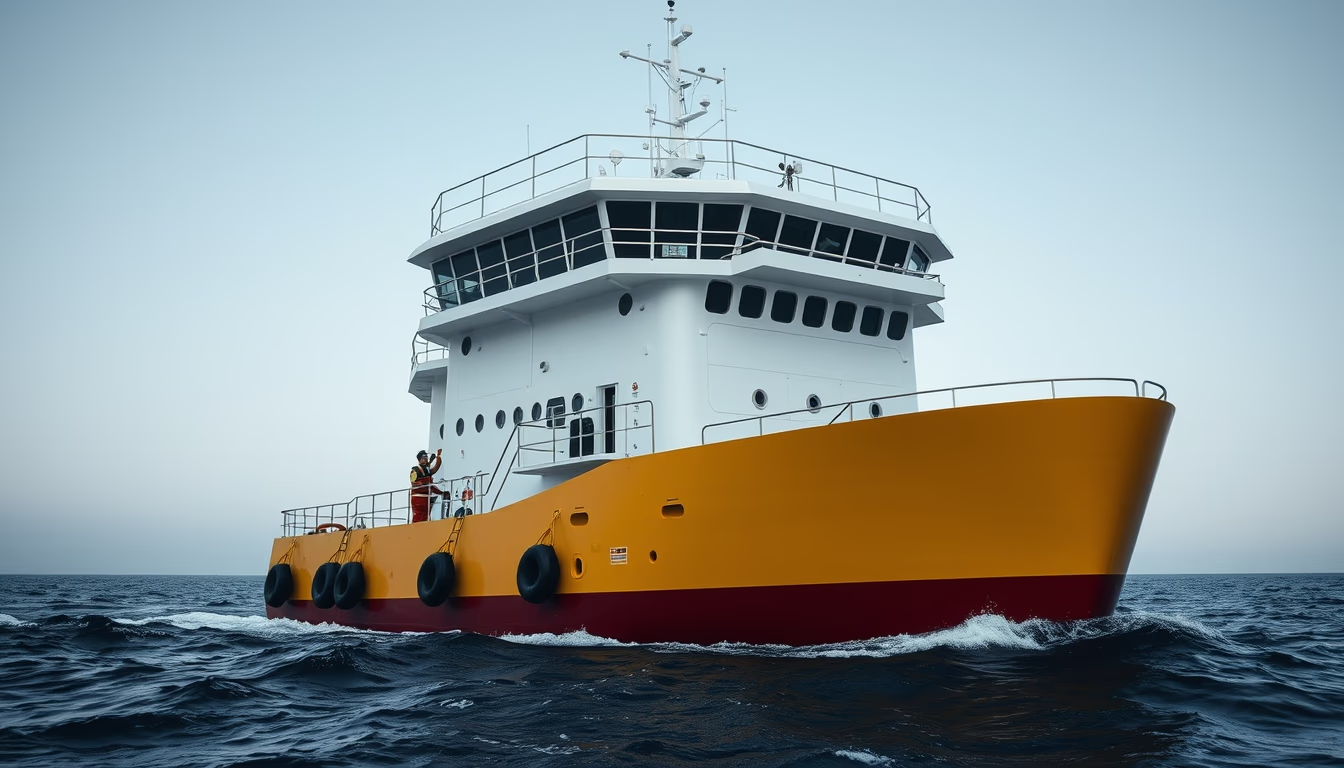
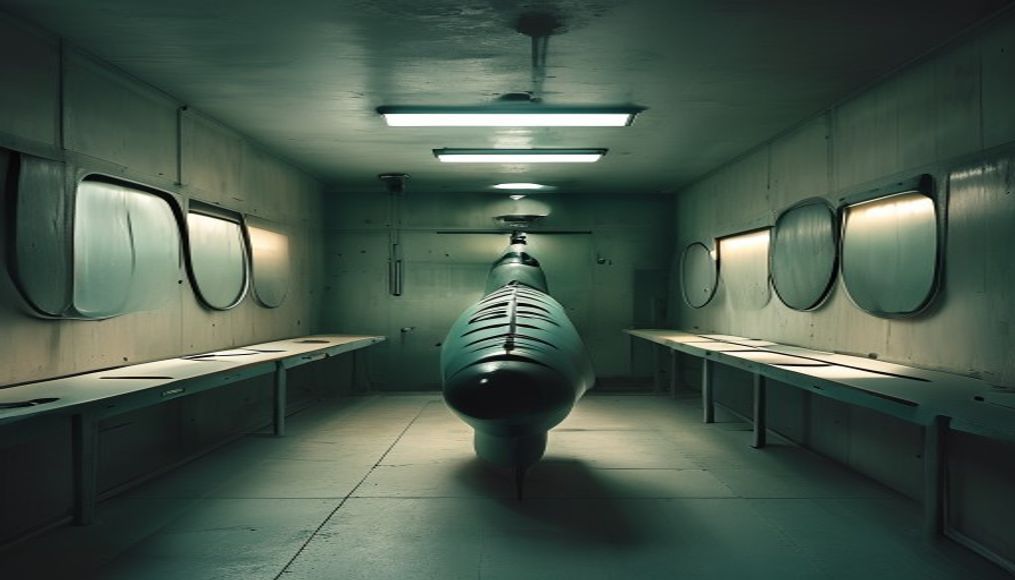
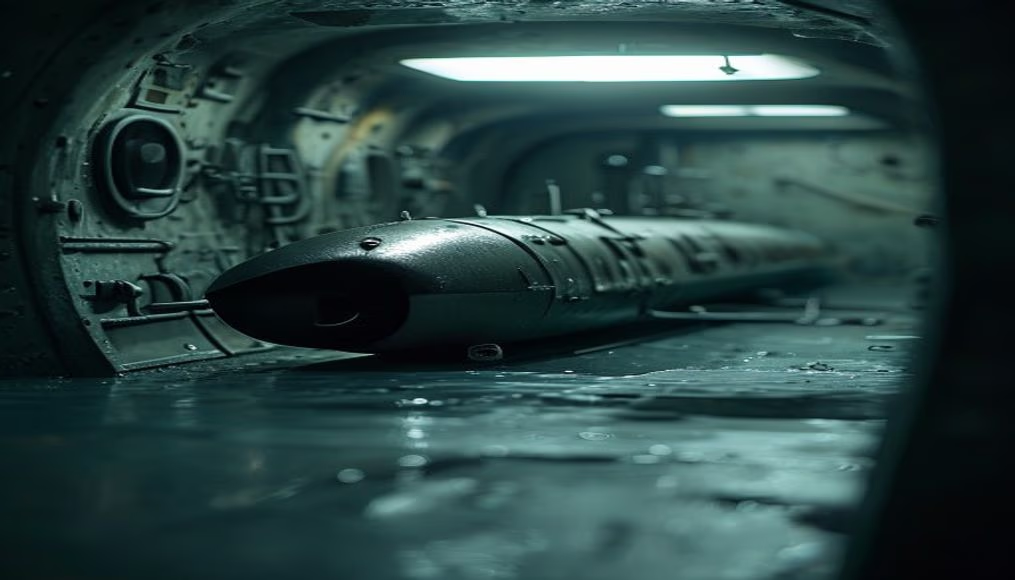
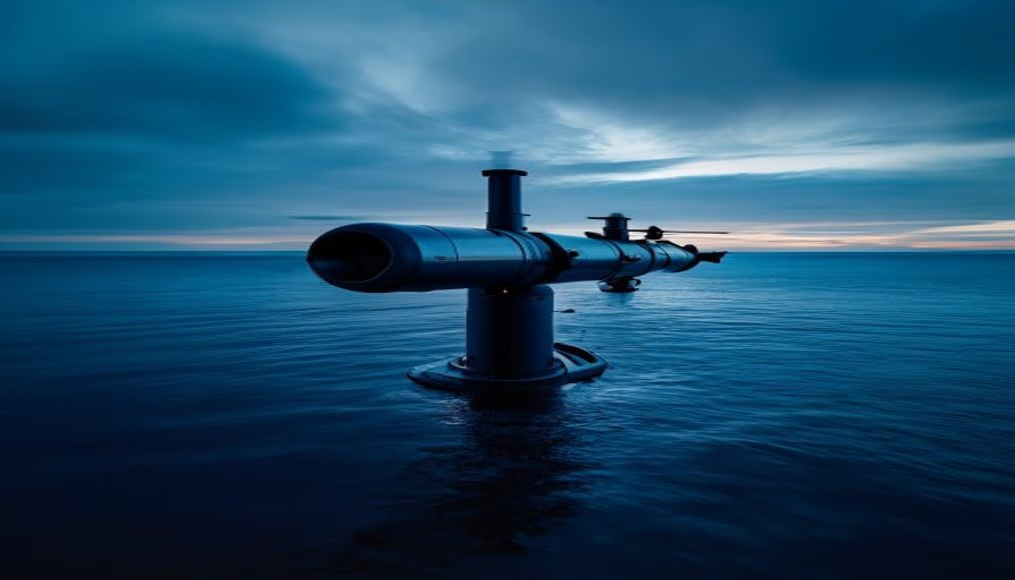
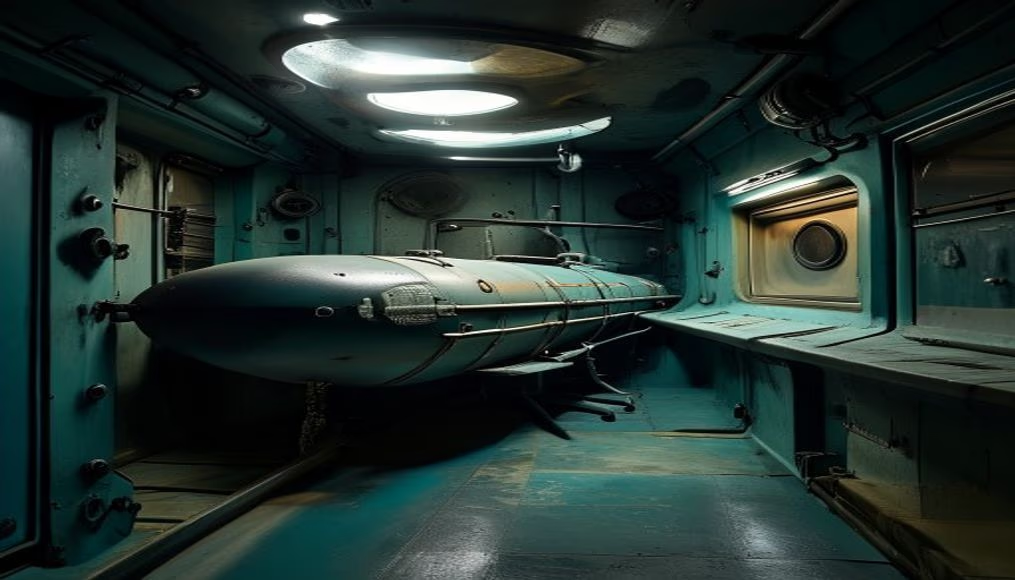
Oceanographic research vessels are ships equipped with laboratories and instruments to study the seas and oceans.
About this subject
Oceanographic research vessels, such as the JOIDES Resolution and the Alpha Crucis, are essential for marine exploration and climate monitoring. These ships operate worldwide, collecting data on water temperature, salinity, currents, biodiversity, and seafloor composition. In Brazil, the Navy and universities like USP maintain dedicated fleets for scientific expeditions, including the Brazilian Antarctic Program (PROANTAR), which uses the polar ship Almirante Maximiano for research in the frozen continent.
A research vessel can be up to 100 meters long and accommodate scientists from diverse fields, including physical, biological, chemical, and geological oceanography. Besides wet labs for sample processing, many are equipped with remotely operated vehicles (ROVs) for deep-sea exploration. Their autonomy ranges from weeks to months, allowing expeditions in remote areas such as the South Pacific or the Tropical Atlantic.
Internationally, ships like the JOIDES Resolution (USA) and the Pourquoi Pas? (France) perform deep-sea drilling to study the ocean floor and Earth's geological history. These vessels contribute to discoveries such as thermohaline circulation, ocean acidification, and microplastic distribution. Without them, much of modern marine science would be unfeasible.
Interestingly, the first ship dedicated exclusively to research was HMS Challenger in 1872, which laid the foundations of modern oceanography. Today, technology has advanced to include autonomous sensors and underwater drones, but the research vessel remains the central platform for multidisciplinary expeditions.
Frequently Asked Questions
What is an oceanographic research vessel?
It is a ship equipped with laboratories and scientific instruments to collect data and samples from the oceans. They are used in climate studies, marine biology, geology, and chemistry.
What are the main Brazilian research vessels?
NHO Cruzeiro do Sul (Navy), Alpha Crucis (USP), and Polar Ship Almirante Maximiano are examples. They support research in the South Atlantic and Antarctica.
How does a research vessel contribute to science?
They enable in situ data collection, such as temperature profiles and sediment samples, essential for climate models and marine biodiversity studies.
Direct URL
https://pub-c7d6a6ea828543ac903a74a341ccb2e1.r2.dev/imagens/research-vessel-ocean-minimalist-composition-p8.avifHow to credit
Include a visible link back to UtilizAí. Copy one of the snippets below:
<a href="https://xn--utiliza-eza.com/en/midia/imagens/research-vessel-ocean-minimalist-composition-p8">Research vessel ocean</a> by <a href="https://xn--utiliza-eza.com">UtilizAí</a>, licensed under <a href="https://creativecommons.org/licenses/by/4.0/">CC BY 4.0</a>.
[Research vessel ocean](https://xn--utiliza-eza.com/en/midia/imagens/research-vessel-ocean-minimalist-composition-p8) by [UtilizAí](https://xn--utiliza-eza.com), CC BY 4.0
License: CC-BY-4.0