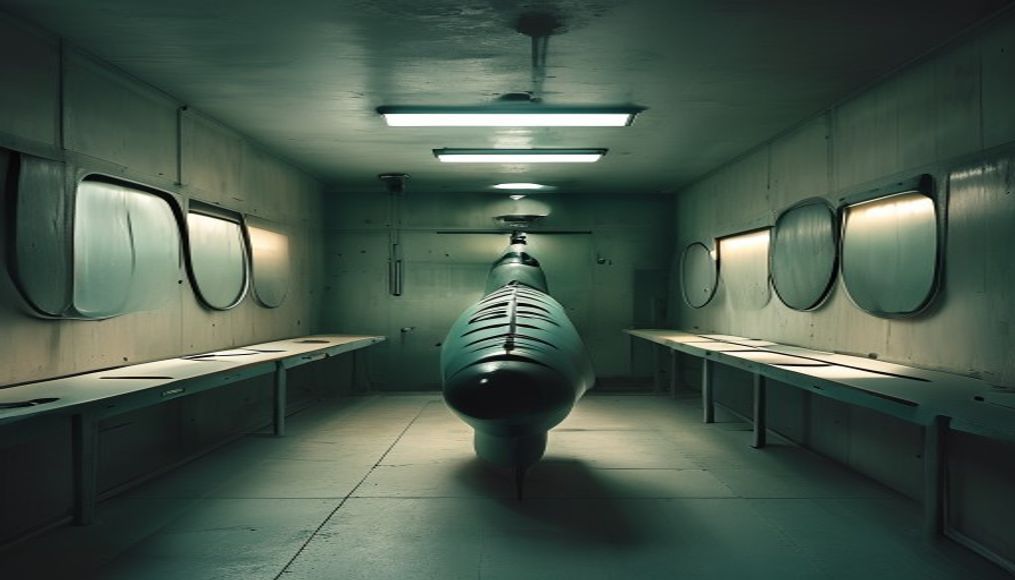
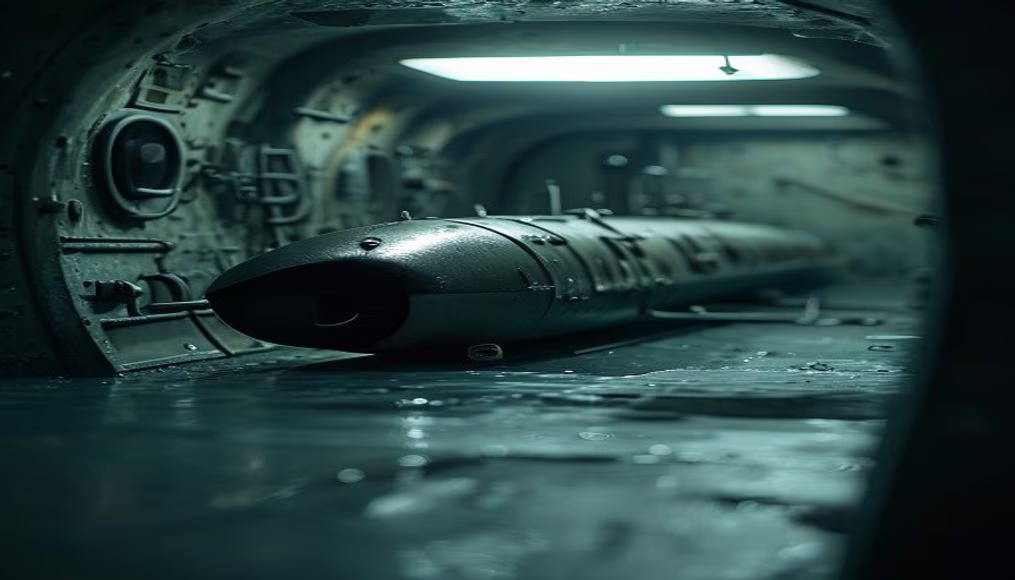
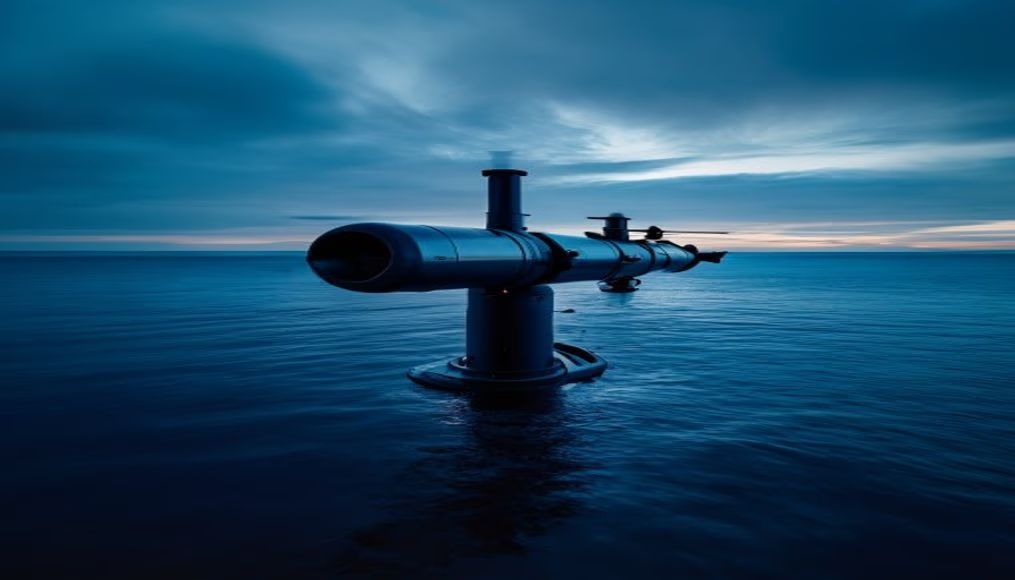
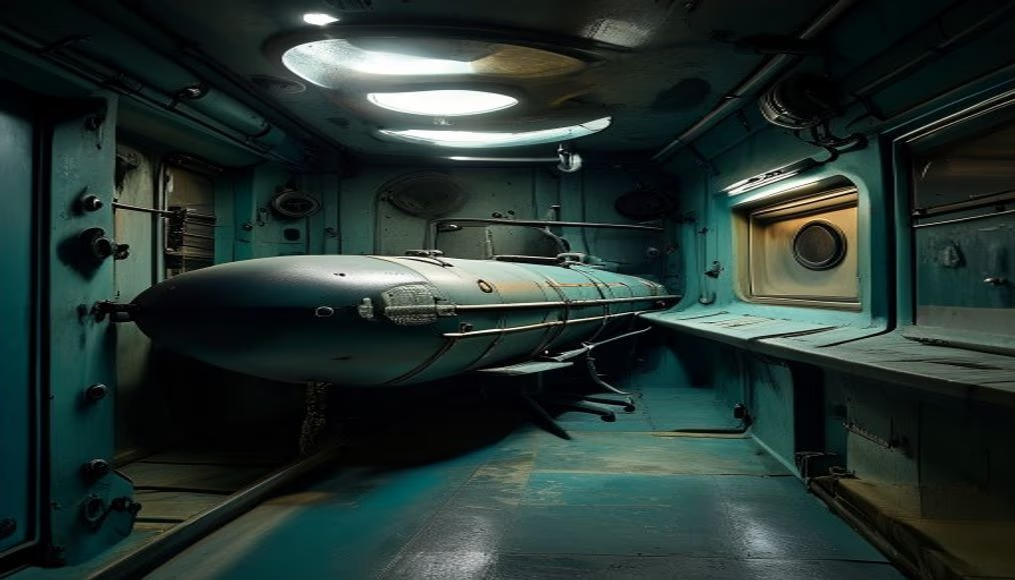
Research vessel ocean
1344×768 · AVIF · CC BY 4.0
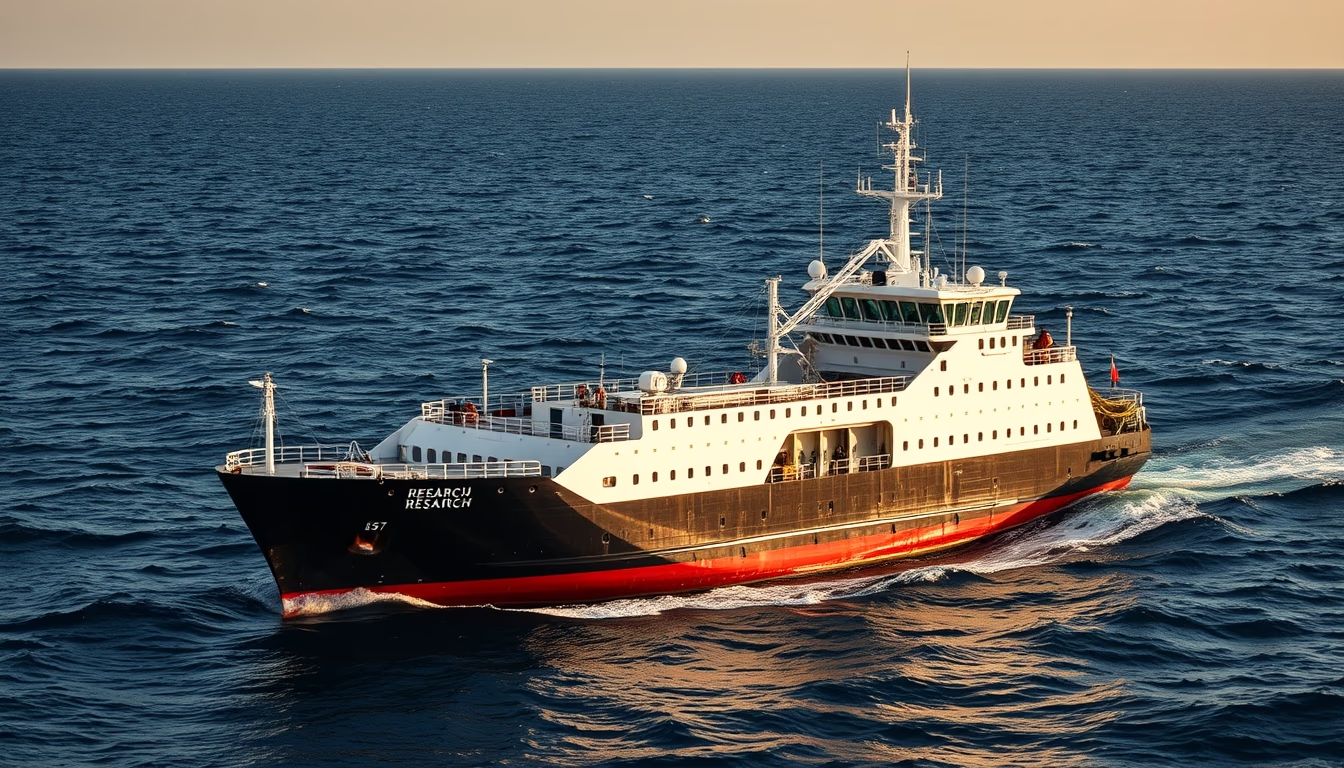
Oceanographic research vessels are essential for studying the seas, collecting data on currents, marine life, and climate change.
About this subject
Oceanographic research vessels are floating science platforms designed to explore the oceans and their mysteries. They perform tasks ranging from collecting water and sediment samples to mapping the seafloor with advanced sonars. These vessels operate in all depths, often equipped with laboratories, winches for deploying equipment, and accommodations for dozens of scientists.
Brazil operates an important fleet, such as the R/V Alpha Crucis (IOUSP) and the Vital de Oliveira (Brazilian Navy), which support research along the Brazilian coast and in the South Atlantic. Data obtained by these vessels are crucial for climate prediction, monitoring marine pollution, and understanding biodiversity. Participation in international programs like the Global Ocean Observing System (GOOS) extends the reach of their research.
Interestingly, many research vessels are converted from military or fishing vessels, adapted with winches and lab spaces. The prefix "R/V" (Research Vessel) is standard. Some are famous for historical discoveries, such as HMS Challenger, which laid the foundations of modern oceanography in the 19th century. Today, robotics and autonomous vehicles (AUVs and ROVs) complement ship work, but human presence aboard remains irreplaceable for complex experiments.
Maintaining and operating these ships is expensive, but the scientific return is immense. Each expedition can generate terabytes of data that feed climate models and conservation policies. Without research vessels, knowledge about the oceans, which cover 70% of Earth's surface, would be drastically limited.
Frequently Asked Questions
What is the main function of an oceanographic research vessel?
To collect scientific data about the oceans, such as water and sediment samples, and to measure currents, temperature, and salinity.
How many research vessels does Brazil operate?
Brazil has a modest fleet, including the Alpha Crucis and Vital de Oliveira, plus smaller vessels used by universities and institutions.
How do research vessels contribute to climate change studies?
They gather long-term data on temperature, acidity, and ocean currents, which are essential for validating climate models and predicting future impacts.
Direct URL
https://pub-c7d6a6ea828543ac903a74a341ccb2e1.r2.dev/imagens/research-vessel-ocean-magazine-editorial-p10.avifHow to credit
Include a visible link back to UtilizAí. Copy one of the snippets below:
<a href="https://xn--utiliza-eza.com/en/midia/imagens/research-vessel-ocean-magazine-editorial-p10">Research vessel ocean</a> by <a href="https://xn--utiliza-eza.com">UtilizAí</a>, licensed under <a href="https://creativecommons.org/licenses/by/4.0/">CC BY 4.0</a>.
[Research vessel ocean](https://xn--utiliza-eza.com/en/midia/imagens/research-vessel-ocean-magazine-editorial-p10) by [UtilizAí](https://xn--utiliza-eza.com), CC BY 4.0
License: CC-BY-4.0