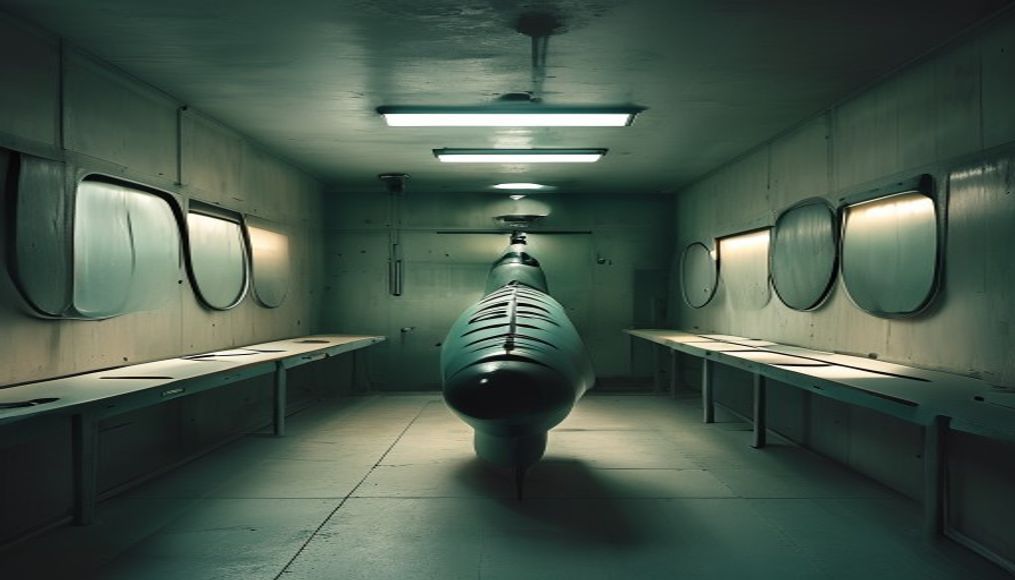
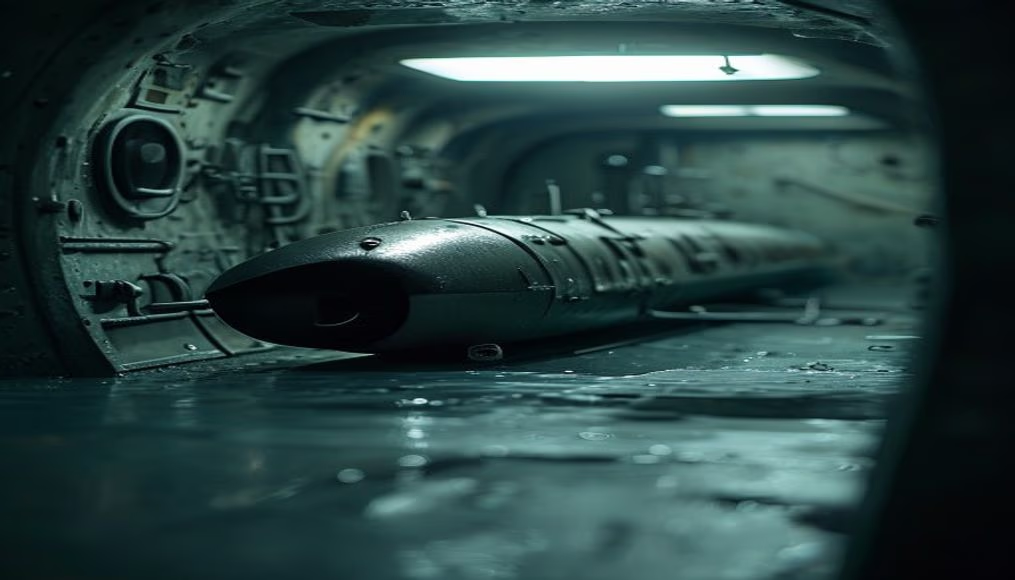
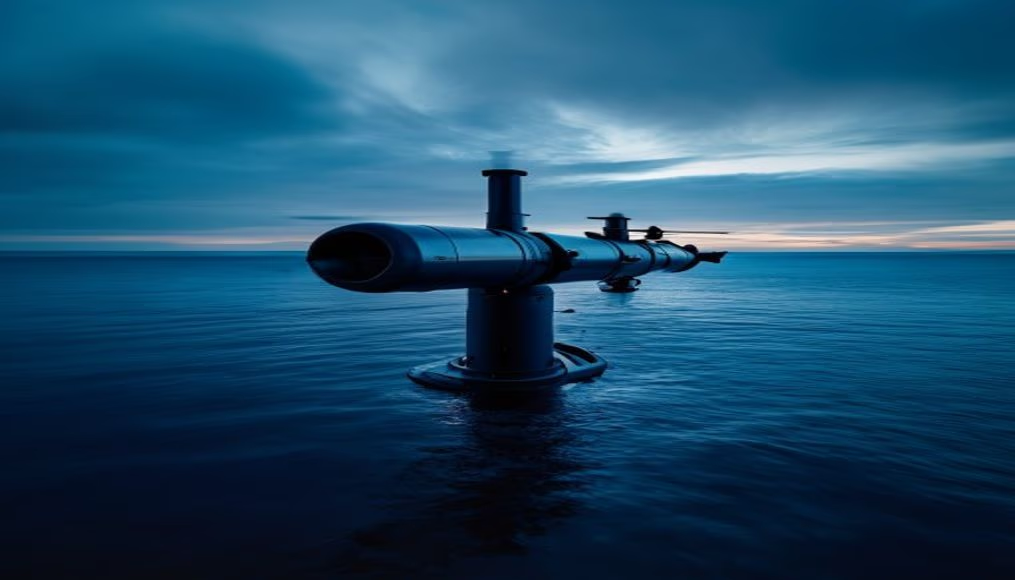
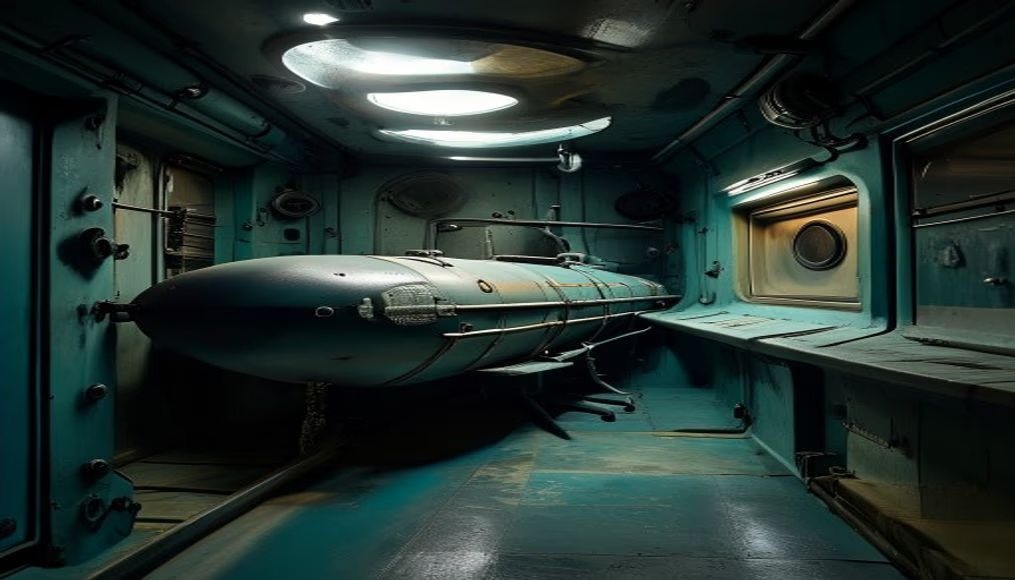
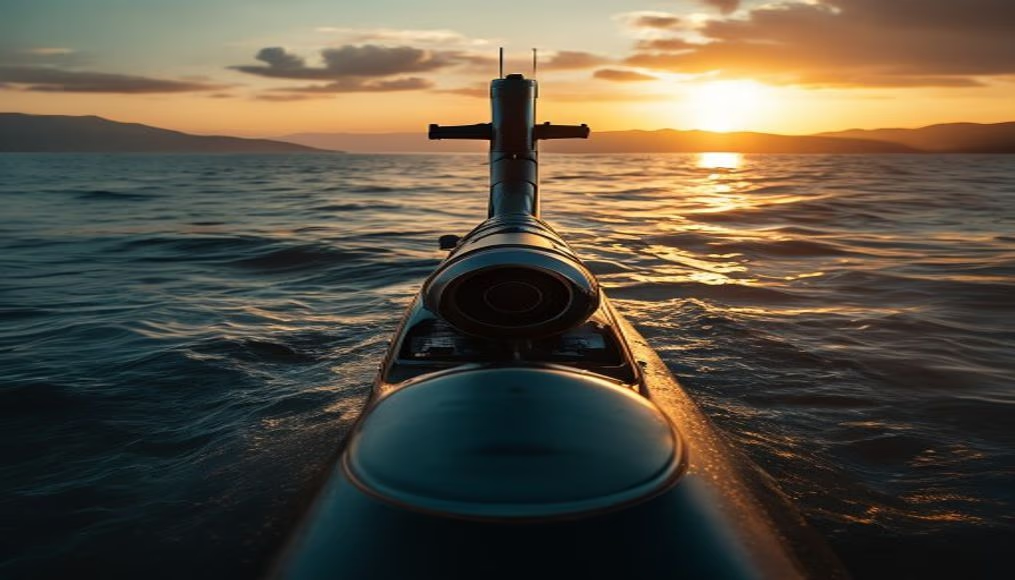
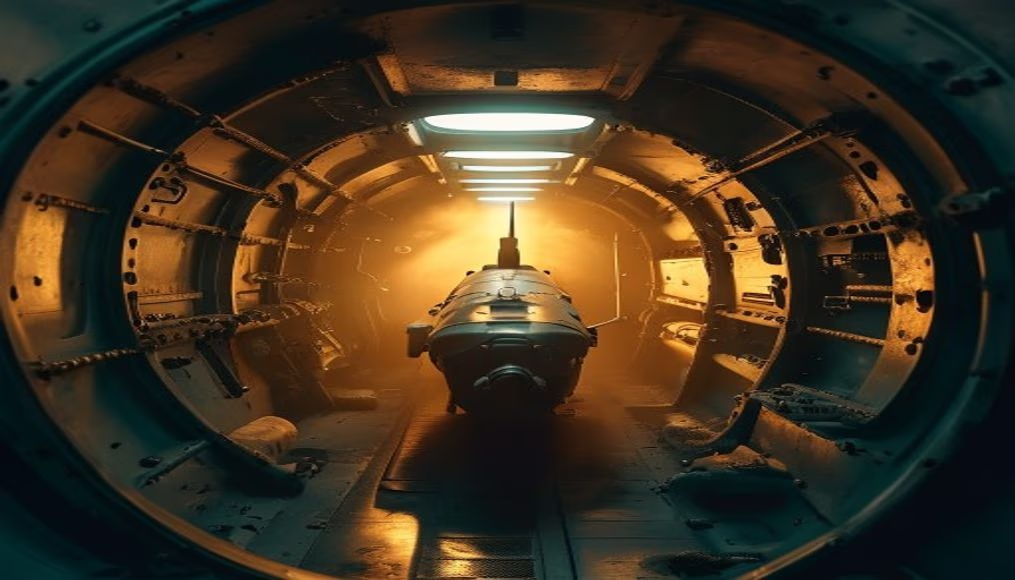
Research vessel ocean
1344×768 · AVIF · CC BY 4.0
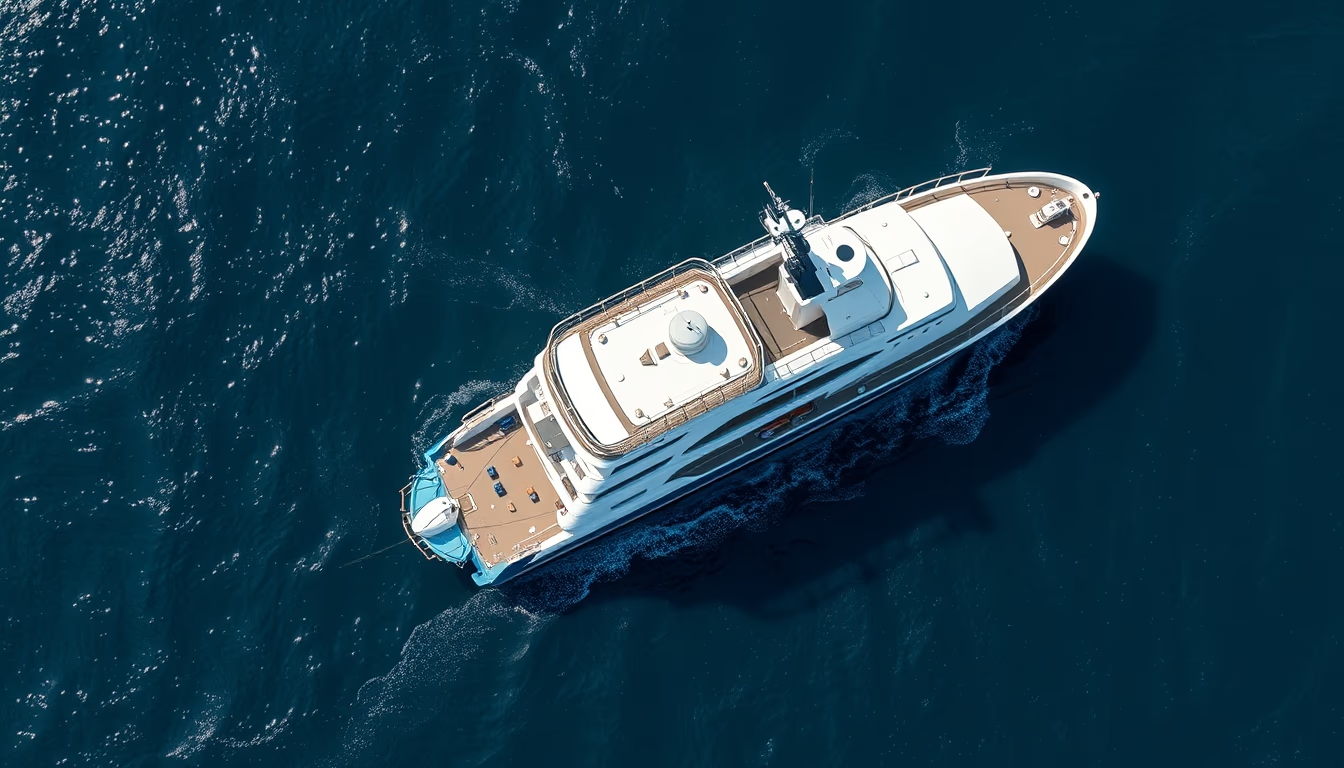
Research vessels are specialized ships that serve as floating laboratories for marine scientific studies, oceanography, and biology.
About this subject
Research vessels are purpose-built ships that conduct scientific studies in seas and oceans. They are equipped with laboratories, winches, sonars, and instruments for collecting water, sediment, and marine organism samples. These ships operate in remote regions like the Arctic, Antarctica, and ocean trenches, supporting research on climate change, marine biodiversity, and submarine geology.
In Brazil, the Brazilian Navy and institutions like USP and FURG operate vessels such as the Alpha Crucis and Vital de Oliveira. The Vital de Oliveira, a modern oceanographic ship, can conduct deep-water research. Globally, vessels like the JOIDES Resolution (ocean drilling program) and the Atlantis (home to submersible Alvin) are iconic.
A notable fact: the most famous research ship might be HMS Challenger, which undertook the first global oceanographic expedition (1872-1876), discovering thousands of new species and mapping the ocean floor. Today, the global research vessel fleet is estimated at about 1,500 ships, operated by government agencies, universities, and private companies.
These ships are vital for monitoring ocean health, predicting tsunamis, and understanding human impacts. They also support sustainable exploration of resources like offshore oil and marine minerals, always with a scientific focus.
Frequently Asked Questions
What is the main function of a research vessel?
To conduct scientific studies in the ocean, such as collecting oceanographic, biological, and geological data, supporting research on climate, biodiversity, and marine resources.
How many research vessels operate in Brazil?
Brazil has about 30 research vessels, including ships from the Navy, universities, and institutions like Embrapa and INPE. They are used in programs like the Brazilian Antarctic Program.
What kind of equipment is found onboard a research vessel?
Ships have winches for sampling, side-scan sonars, CTDs (conductivity, temperature, depth profilers), wet and dry labs, and sometimes submersibles.
Direct URL
https://pub-c7d6a6ea828543ac903a74a341ccb2e1.r2.dev/imagens/research-vessel-ocean-isometric-flat-lay-p0.avifHow to credit
Include a visible link back to UtilizAí. Copy one of the snippets below:
<a href="https://xn--utiliza-eza.com/en/midia/imagens/research-vessel-ocean-isometric-flat-lay-p0">Research vessel ocean</a> by <a href="https://xn--utiliza-eza.com">UtilizAí</a>, licensed under <a href="https://creativecommons.org/licenses/by/4.0/">CC BY 4.0</a>.
[Research vessel ocean](https://xn--utiliza-eza.com/en/midia/imagens/research-vessel-ocean-isometric-flat-lay-p0) by [UtilizAí](https://xn--utiliza-eza.com), CC BY 4.0
License: CC-BY-4.0