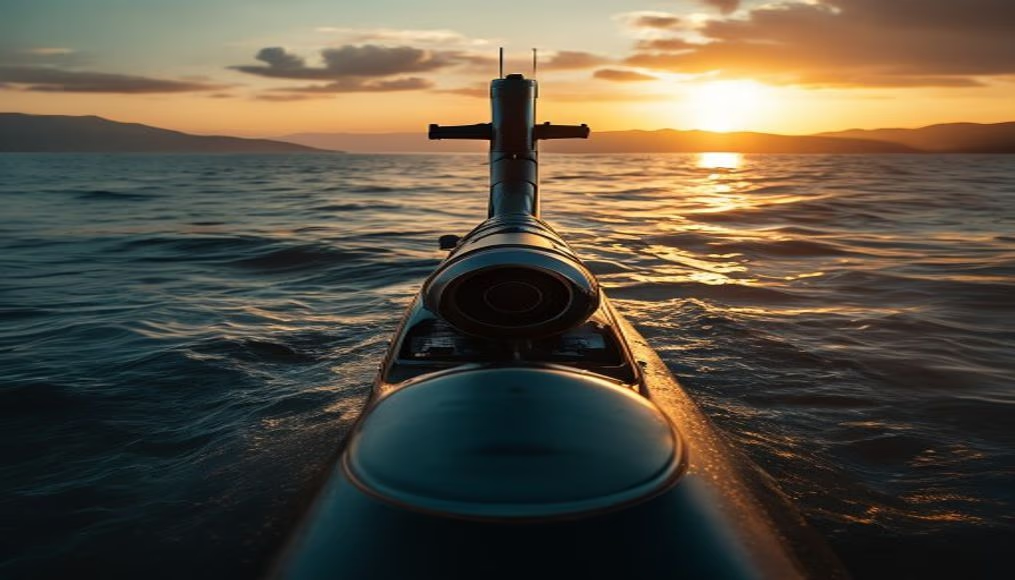
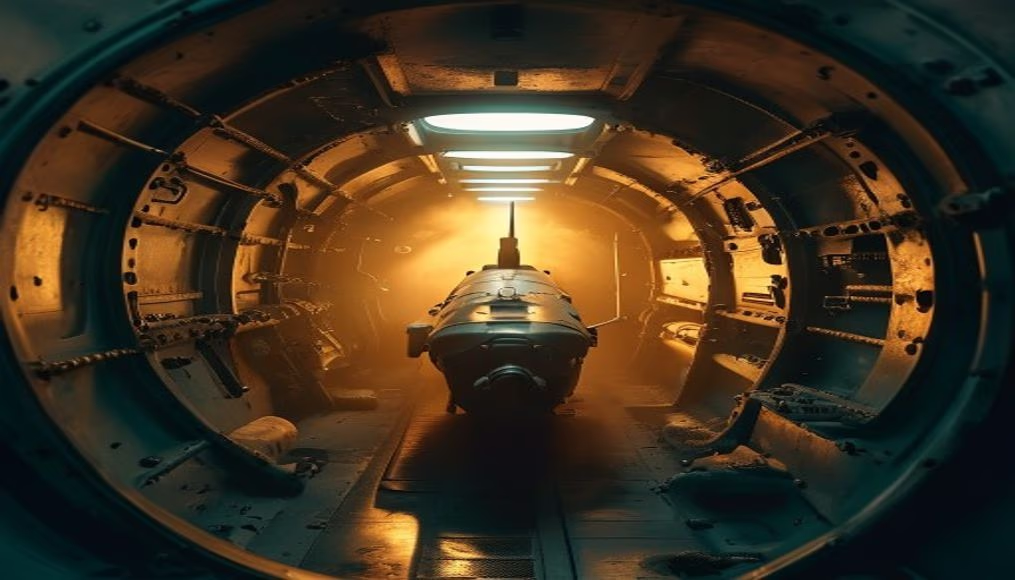
Research vessel ocean
1344×768 · AVIF · CC BY 4.0
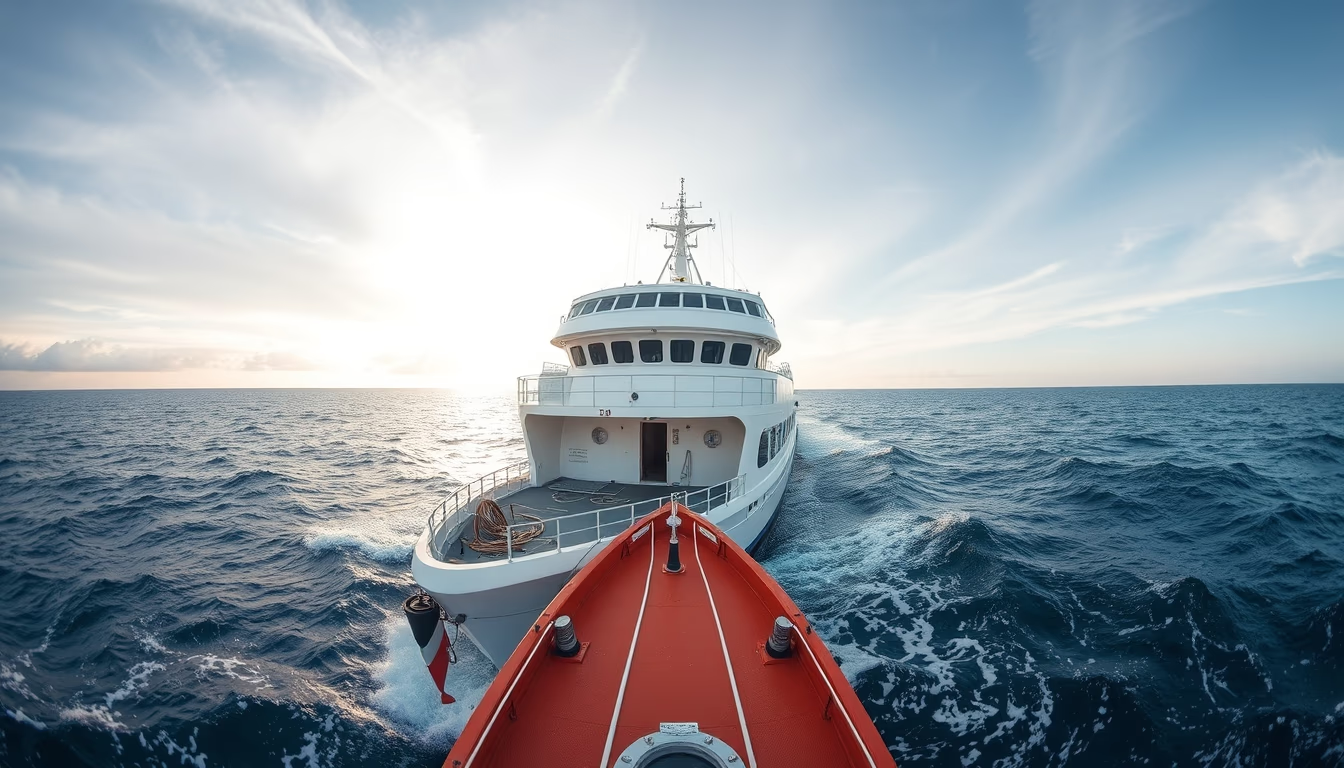
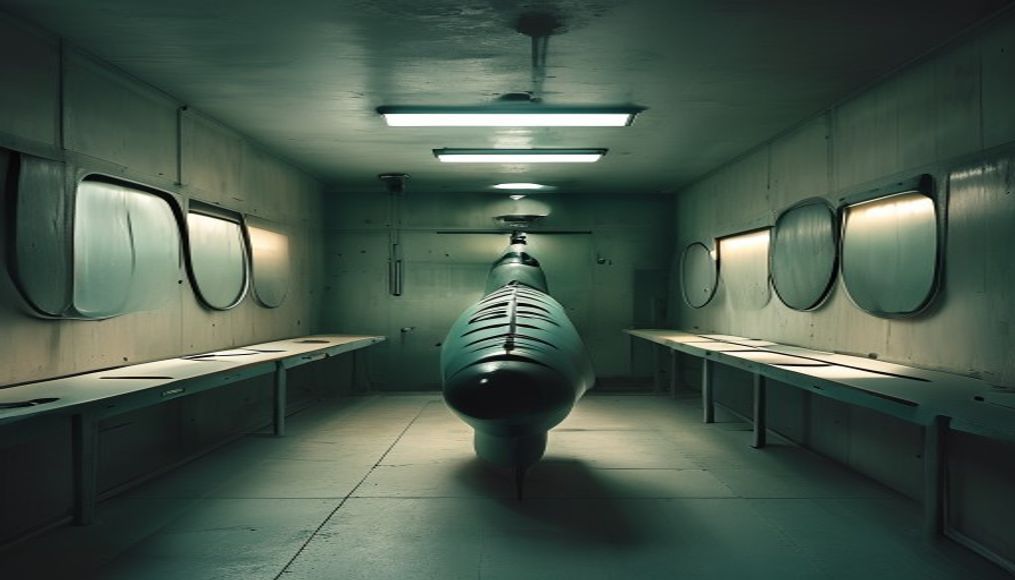
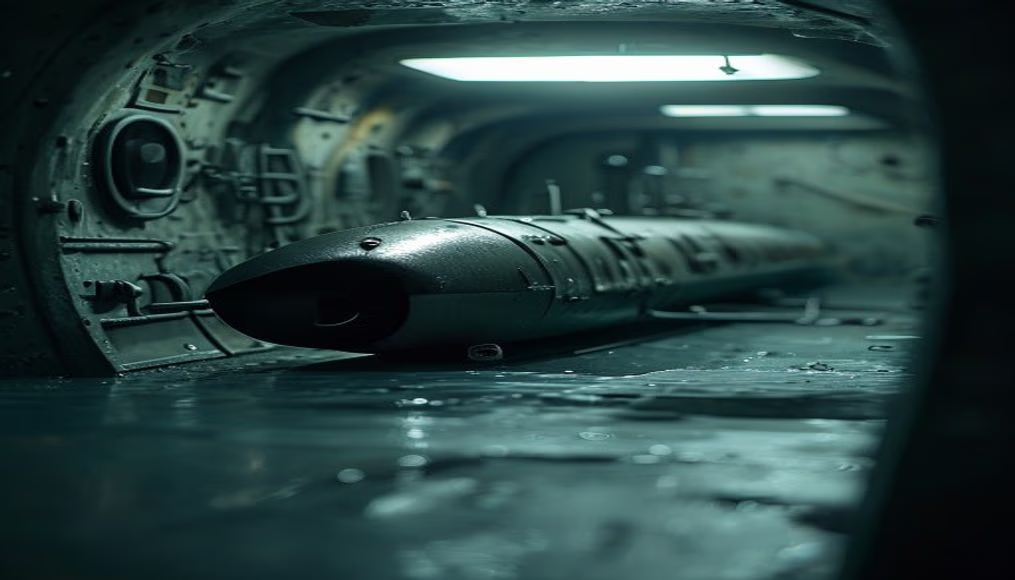
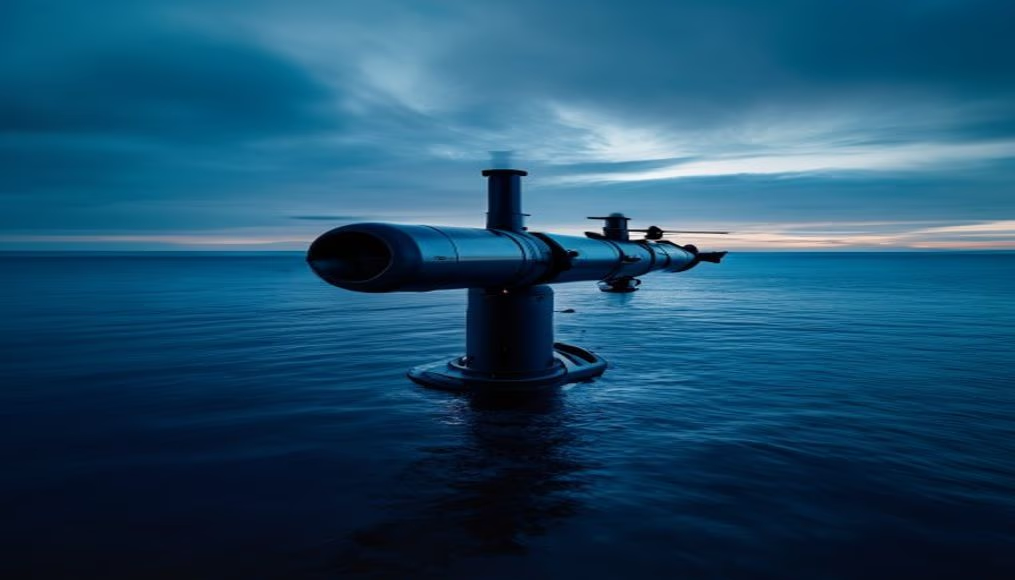
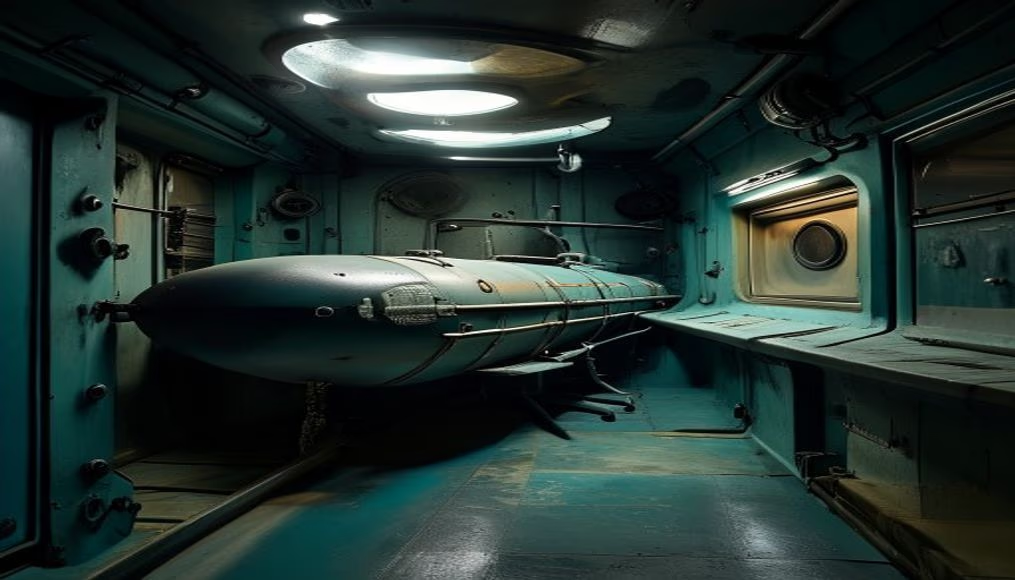
Oceanographic research vessel, a specialized ship for marine studies and scientific data collection in the oceans.
About this subject
An oceanographic research vessel is a ship designed and equipped to conduct scientific studies of the ocean. Unlike commercial or passenger ships, these vessels serve as floating laboratories, housing state-of-the-art equipment for collecting water, sediment and marine organism samples, as well as sonar systems for mapping the seafloor. They are essential for oceanography, climatology and marine biology, enabling research on currents, temperature, salinity and biodiversity.
On board a research vessel, you will find wet and dry labs, winches for launching equipment, remotely operated vehicles (ROVs) and even manned submersibles. An iconic example is the RV Atlantis, operated by the Woods Hole Oceanographic Institution (WHOI) in the United States, measuring 83 meters in length and capable of deploying the submersible Alvin. Another famous ship is the Polarstern from Germany, used for polar expeditions. In Brazil, the Navy operates the Research Vessel Vital de Oliveira, which since 2015 has been conducting surveys along the Brazilian coast and the South Atlantic, contributing to knowledge of the continental shelf.
The use of wide-angle lenses, such as fish-eye, is common in photographs of these vessels to capture a broad view of the deck and horizon, emphasizing the scale and marine environment. Such images help publicize scientific work and spark interest in ocean exploration. Ocean research is crucial for understanding climate change, ocean acidification and sustainable management of marine resources.
Frequently Asked Questions
What is the difference between a research vessel and a regular ship?
Research vessels are designed with labs, winches and sonar systems for scientific data collection, while regular ships transport cargo or passengers. They have greater stability and endurance for open-sea operations.
What equipment does an oceanographic research vessel carry?
It carries multibeam echosounders for seafloor mapping, CTDs for conductivity/temperature/depth measurements, ROVs, sediment corers and plankton nets. Onboard labs allow immediate analysis.
What are the main research vessels in Brazil?
The main one is the Research Vessel Vital de Oliveira (Brazilian Navy). Others include Alpha Crucis (IOUSP) and Atlântico Sul (FURG), focusing on physical and biological oceanography.
Direct URL
https://pub-c7d6a6ea828543ac903a74a341ccb2e1.r2.dev/imagens/research-vessel-ocean-fish-eye-wide-angle-p1.avifHow to credit
Include a visible link back to UtilizAí. Copy one of the snippets below:
<a href="https://xn--utiliza-eza.com/en/midia/imagens/research-vessel-ocean-fish-eye-wide-angle-p1">Research vessel ocean</a> by <a href="https://xn--utiliza-eza.com">UtilizAí</a>, licensed under <a href="https://creativecommons.org/licenses/by/4.0/">CC BY 4.0</a>.
[Research vessel ocean](https://xn--utiliza-eza.com/en/midia/imagens/research-vessel-ocean-fish-eye-wide-angle-p1) by [UtilizAí](https://xn--utiliza-eza.com), CC BY 4.0
License: CC-BY-4.0