Rainbow mountains china
1344×768 · AVIF · CC BY 4.0
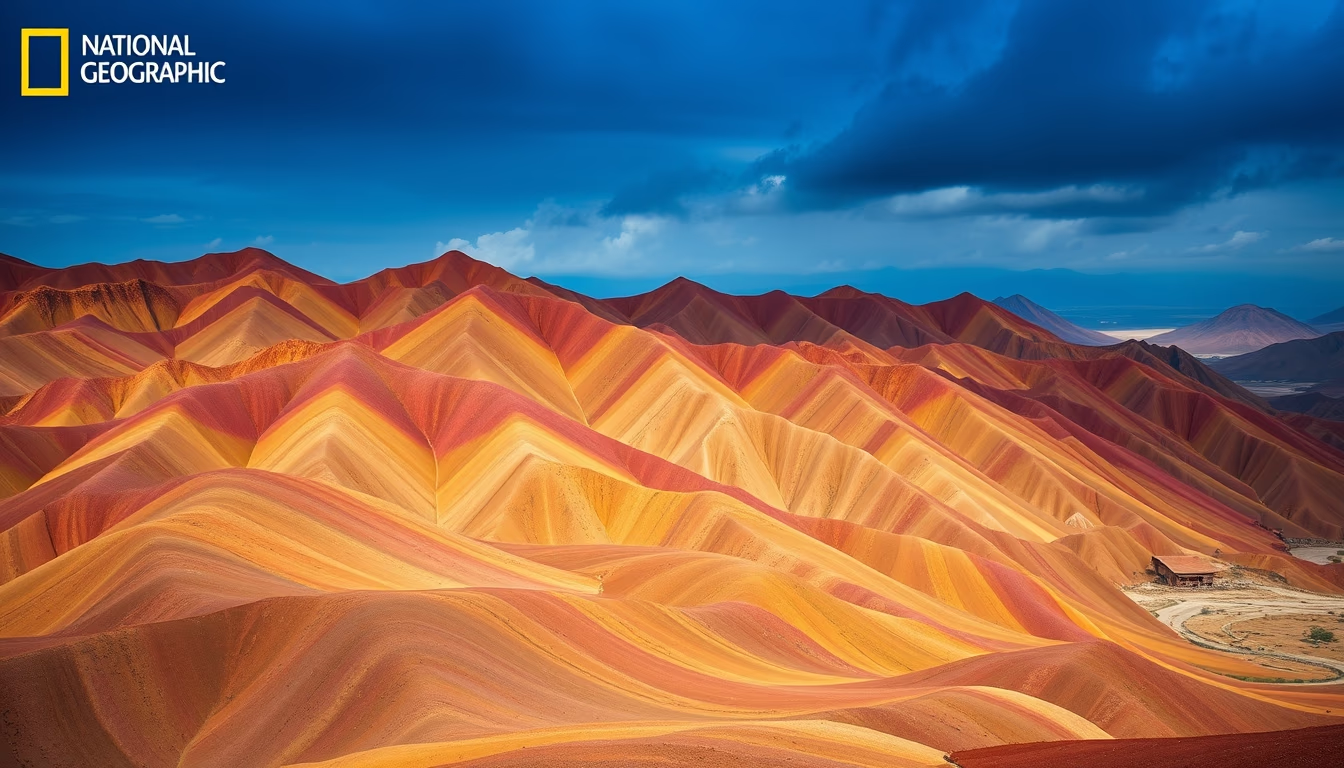
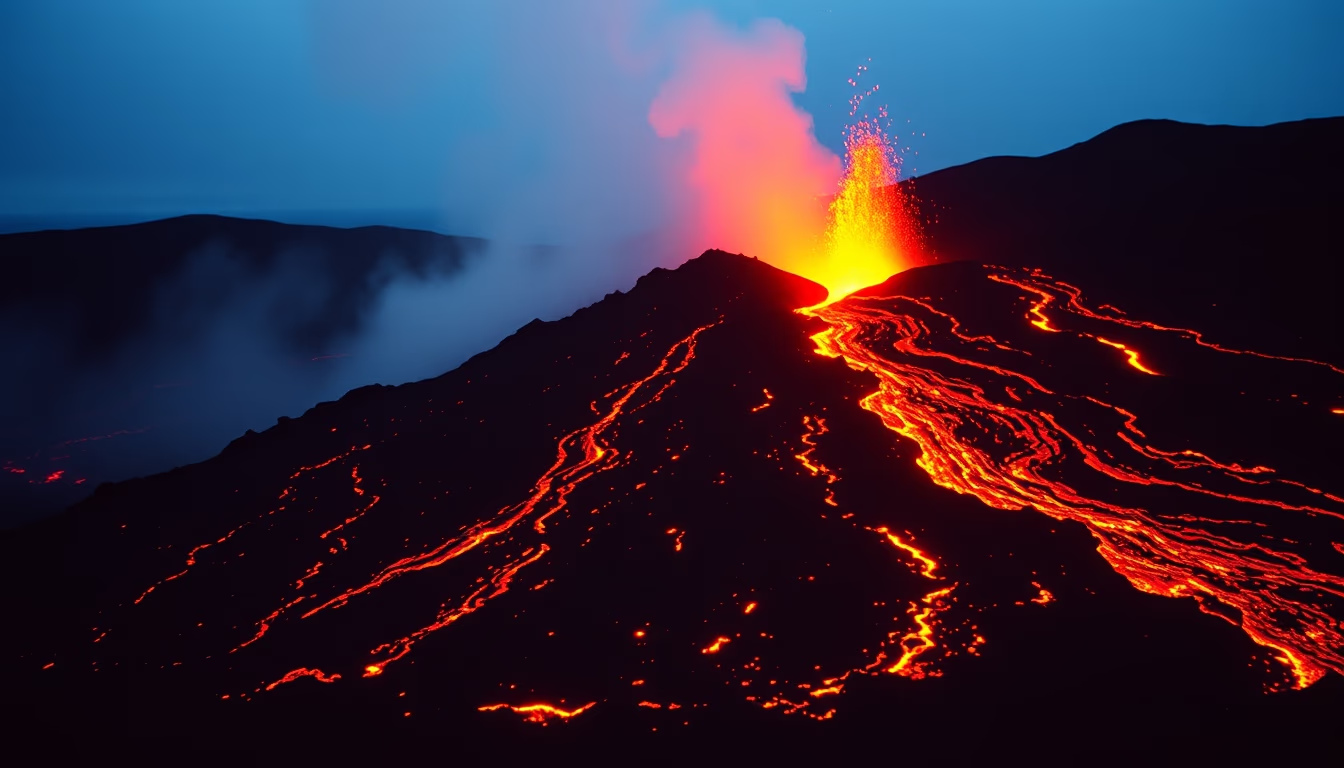
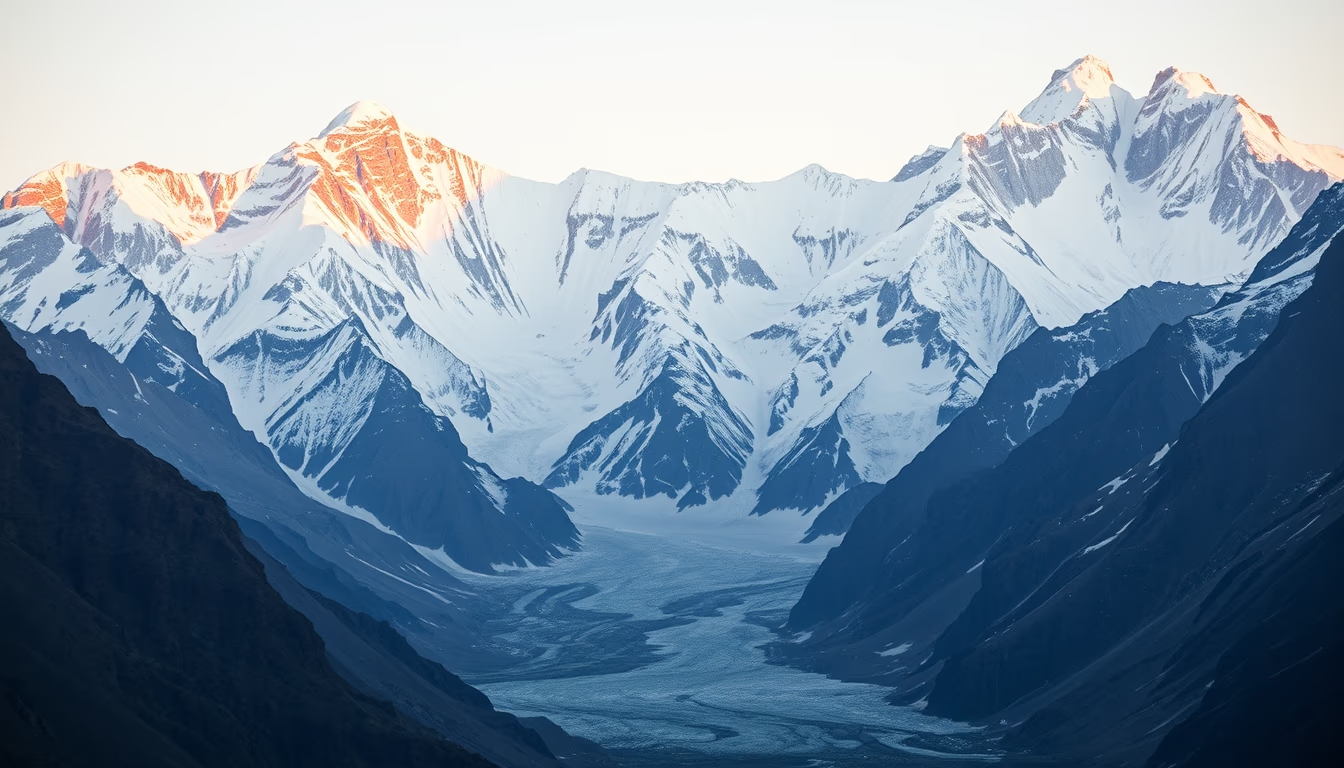
China's Rainbow Mountains, part of the Zhangye Danxia Landform, feature stunning multicolored layers of sandstone and minerals formed by millions of years of erosion and tectonic activity.
About this subject
The Rainbow Mountains are located in the Zhangye National Geopark in Gansu Province, northwestern China. These formations are the most famous example of Danxia landform, a type of red sandstone landscape that develops in colorful layers. The vibrant colors, ranging from red to green and yellow, result from the deposition of different minerals over geological eras, with sandstone containing iron oxides, manganese, and other elements. The process began about 70 million years ago when sediments accumulated in an ancient inland sea. Later, tectonic uplift exposed these layers, and differential erosion carved the current peaks and valleys.
The Zhangye Danxia National Geopark was designated a UNESCO World Heritage Site in 2010, recognizing its exceptional geological and aesthetic value. The area covers about 322 square kilometers, but the most photogenic sections are concentrated in two main areas: Linze and Sunan. The average altitude is 2,000 to 3,000 meters above sea level, which contributes to the sharpness of the air and the clarity of the colors. Tourists can walk along boardwalks and observation platforms to enjoy panoramic views, especially at sunrise and sunset when the hues intensify.
Interestingly, the Rainbow Mountains are often compared to similar formations in other countries, such as Canada's Rocky Mountains or the Badlands in the United States. However, the combination of vibrant colors and wavy shapes of Zhangye is considered unique in the world. The site is also an important paleontological site, with fossils of dinosaurs and other Cretaceous organisms. Despite the beauty, erosion is a continuous process, and some layers are wearing away, requiring conservation efforts to preserve the natural heritage.
Frequently Asked Questions
How did the Rainbow Mountains get their colors?
The colors come from layers of sandstone with different minerals. Iron oxides produce red and yellowish tones, while manganese and other elements create purples and greens. Deposition occurred over millions of years in an ancient marine environment.
What is the best time to visit the Rainbow Mountains?
The best time is between June and September when the weather is mild and skies are clear. Autumn (September to October) also offers good conditions with fewer tourists. Avoid the harsh winter and spring sandstorms.
Are the Rainbow Mountains a UNESCO World Heritage Site?
Yes, the Zhangye Danxia National Geopark was inscribed as a UNESCO World Heritage Site in 2010 as part of the 'China Danxia' series, recognizing its natural beauty and geological importance.
Direct URL
https://pub-c7d6a6ea828543ac903a74a341ccb2e1.r2.dev/imagens/rainbow-mountains-china-national-geographic-style-p1.avifHow to credit
Include a visible link back to UtilizAí. Copy one of the snippets below:
<a href="https://xn--utiliza-eza.com/en/midia/imagens/rainbow-mountains-china-national-geographic-style-p1">Rainbow mountains china</a> by <a href="https://xn--utiliza-eza.com">UtilizAí</a>, licensed under <a href="https://creativecommons.org/licenses/by/4.0/">CC BY 4.0</a>.
[Rainbow mountains china](https://xn--utiliza-eza.com/en/midia/imagens/rainbow-mountains-china-national-geographic-style-p1) by [UtilizAí](https://xn--utiliza-eza.com), CC BY 4.0
License: CC-BY-4.0